Mobile Phone
+86 13736381117
E-mail
info@wellnowus.com
Automotive-Grade Switching & Interconnect Engineering

Dip Switch For Automotive Circuits

Next-generation high-reliability dual in-line package switching architectures, robust circuit configuration components, and power interconnect solutions engineered for harsh automotive environments, ECUs, BMS, and powertrain intelligence.

Engineering Whitepaper & Market Analysis

The Vital Role of DIP Switches in Automotive Circuit Architecture

Hardware-level determinism, CAN/LIN address encoding, harsh environment reliability, and the evolution of electro-mechanical switches in modern vehicle electronics.

In the rapidly transforming landscape of automotive electronics—accelerated by electric vehicle (EV) powertrain scaling, autonomous driving domain controllers, and sophisticated Body Control Modules (BCMs)—the demand for deterministic, zero-latency, and cyber-immune physical configuration has placed DIP switches for automotive circuits back at the center of hardware engineering discussions. While software-defined vehicles (SDVs) manage millions of operational variables through over-the-air (OTA) updates and flash memory arrays, critical hardware subsystems require immutable, physical state selection that remains entirely resilient against electromagnetic interference (EMI), firmware corruption, and cybersecurity breaches.

Hardware Determinism
Physical bifurcated wiping contacts provide foolproof hardware binary states (0/1) for CAN/LIN bus physical node address arbitration without risking non-volatile memory corruption.
🔒
Cyber-Physical Air Gap
Physical DIP switch states cannot be spoofed, altered, or overwritten by remote CAN-bus injection attacks, making them essential for functional safety failsafe modes.
🔴
AEC-Q200 Resilience
Engineered to sustain extreme automotive operating temperatures (-40°C to +125°C), random vibration profiles per ISO 16750-3, and aggressive conformal coating washes.

1. Industrial Status and Commercial Trends in Automotive Circuit Switching

The global market for automotive electromechanical switches, including dual in-line package (DIP) configurations, slide switches, rotary coded switches, and rugged terminal blocks, is projected to sustain steady compound annual growth exceeding 6.8% through 2032. This sustained commercial momentum is propelled by several macro-industrial factors:

  • Modular EV Battery Management Systems (BMS): High-voltage lithium battery packs are structured around modular slave boards (Cell Monitoring Units, or CMUs). Automotive-grade rotary and slide DIP switches are extensively deployed during pack assembly to set hardwired slave IDs across daisy-chained isoSPI or isolated CAN communication lines.
  • Commercial Truck & Heavy Equipment Customization: In heavy-duty commercial fleets (such as Sinotruk, HOWO, and specialized freight vehicles), modular chassis controllers rely on DIP switches to activate regional trailer brake configurations, auxiliary PTO (Power Take-Off) gear ratios, and steering alarm flashers.
  • End-of-Line (EOL) Calibration & Field Diagnostics: During vehicle assembly and maintenance, automotive test engineers utilize multi-pole DIP switches to toggle debug UART channels, override watchdog timers, and calibrate sensor baseline offsets without tethering the ECU to costly diagnostic software rigs.
  • Automotive Aftermarket & Retrofitting: Handlebar control switches, specialized lighting relays, high-amperage battery quick-disconnects, and auxiliary power jacks form the backbone of vehicle customization and field upgrades.

2. Deep-Dive Automotive Circuit Application Scenarios

Automotive printed circuit boards (PCBs) operate in one of the most hostile environments in electronic engineering. Temperature swings, continuous mechanical vibrations, engine oil vapors, and aggressive thermal cycling demand stringent component selection. Below is a granular analysis of how DIP switches and associated interconnects function across mission-critical vehicular domains:

A. Electric Vehicle Battery Management Systems (BMS) Slave Addressing

In a modern 400V or 800V EV traction battery, 12 to 24 battery module CMUs monitor series-connected lithium-ion pouch or cylindrical cells. To prevent software bus address collision on startup, each CMU PCB incorporates a 4-position or 8-position low-profile SMT DIP switch or a sealed BCD rotary DIP switch. Gold-plated wiping contacts ensure micro-ohmic contact impedance (<30mΩ), maintaining accurate binary address feeds directly into the analog front-end (AFE) controller IC, independent of microcontroller boot timing.

B. ADAS Sensor Fusion, Radar, and Lidar Sub-Systems

Advanced Driver Assistance Systems utilize multi-sensor pods distributed around the vehicle bumper, windshield, and quarter-panels. Due to the high data rates of automotive Ethernet (100BASE-T1 / 1000BASE-T1) and CAN-FD, hardware termination resistors (120Ω) must be selectively enabled depending on whether the node resides at the physical bus termination point. Automotive DIP switches provide the physical toggling mechanism for onboard split-termination matching networks, eliminating signal reflections without redesigning the core PCB.

C. Commercial Vehicle Powertrain and Cabin Electronics

In heavy-duty trucks and industrial transport, modularity is essential. For instance, braking light circuits, steering alarm flashers, and 100A main bus fuses often interface with universal driver boards. By flipping DIP switch poles, fleet builders configure flasher frequency, dual-voltage (12V/24V) logic thresholds, and pneumatic valve timings directly in the junction box.

3. Comparative Engineering Matrix: Physical DIP Switches vs. Software/EEPROM Configuration

Automotive systems architects regularly evaluate the trade-offs between hardware-level configuration mechanisms and firmware-level storage. The table below illustrates why physical DIP switches remain indispensable in high-reliability circuit designs:

Evaluation Parameter Automotive-Grade DIP Switch EEPROM / Flash Memory Config SMT Solder Jumper / Zero-Ω
Boot Latency & Availability Instantaneous (0 ns). Available before VDD reaches MCU brownout. Requires clock stabilization, SPI read cycles, and boot firmware execution. Instantaneous (0 ns). Hardwired state on PCB traces.
Cybersecurity Immunity 100% Air-gapped. Completely immune to CAN injection and flash overwrite. Vulnerable to memory corruption, malicious firmware patches, or glitching. 100% Air-gapped and tamper-evident.
Field Serviceability & Setup High. Manual tool or fingers can adjust states during field maintenance. Requires dedicated CAN/OBD-II diagnostic tool, software licenses, and login. Poor. Requires soldering iron, desoldering braid, and rework station in field.
Vibration / Shock Resistance High when specified with dual-contact wiping mechanism (AEC-Q200). Extremely High (solid-state semiconductor die). Extremely High (permanent solder joint).
PCB Production Cost & Simplicity Low BOM cost, automated tape-and-reel SMD placement, compatible with SAC305 reflow. Higher silicon cost and firmware development / test overhead. Lowest component BOM cost, but zero configuration flexibility after placement.
Visual Verification in Quality Control Instant optical inspection (AOI) can verify switch actuator positions on line. Requires automated electrical test (ATE) and diagnostic firmware interrogation. Requires high-magnification AOI to detect zero-ohm resistor placement.

4. Critical Engineering Criteria: Selecting DIP Switches for Automotive Circuits

Standard commercial-grade DIP switches fail rapidly in automotive service due to contact fretting corrosion, flux ingress, and solder joint thermal fatigue. Automotive engineers must evaluate several critical metallurgical and mechanical specifications:

  • Contact Metallurgy & Wiping Action: High-reliability automotive DIP switches utilize beryllium copper (BeCu) or phosphor bronze leaf springs with heavy hard-gold plating (typically 0.2μm to 0.76μm Au over nickel underplate). The mechanical actuator must exhibit self-cleaning knife-edge wiping action to shear through microscopic oxidation films during actuation.
  • Hermetic Sealing & Process Compatibility: During PCB assembly, boards undergo wave soldering or high-temperature reflow (peaking at 250°C–260°C), followed by ultrasonic solvent washing and polyurethane/silicone conformal coating. DIP switches must feature epoxy-sealed bases and silicone top-tape seals (IP67 rating) to prevent chemical wash ingress into the internal contact chamber.
  • High Thermal Deflection Polymers: Switch housings are molded from Liquid Crystal Polymer (LCP) or High-Performance Polyamide (PA9T) meeting UL94 V-0 flame retardancy specifications, ensuring mechanical dimensional stability under high temperature and aggressive engine fluids.
  • Actuator Styles for Packaging Constraints: From ultra-low profile slide switches (preventing mechanical interference in compact ECU enclosures) to piano-type side-actuated switches (accessible through enclosure service slots) and rotary coded switches (saving PCB footprint by encoding 16 hex positions into 4 pins).
Manufacturing Excellence

About Us: Precision Connector & Switch Manufacturing

Pioneering high-durability electronic components, precision jacks, and electrical terminal solutions since 2004.

2004
Established Manufacturing Legacy
5,000 ㎡
Modern Production Area
200+
Skilled Technical Workforce

ChinaWellnow has been a professional manufacturer of high-precision electronic connectors, switch series, and automotive electrical components since 2004. With our corporate headquarters located in Yueqing, China—the nation’s renowned electronic and electrical manufacturing hub—we operate modern, integrated production facilities spanning over 5,000 square meters.

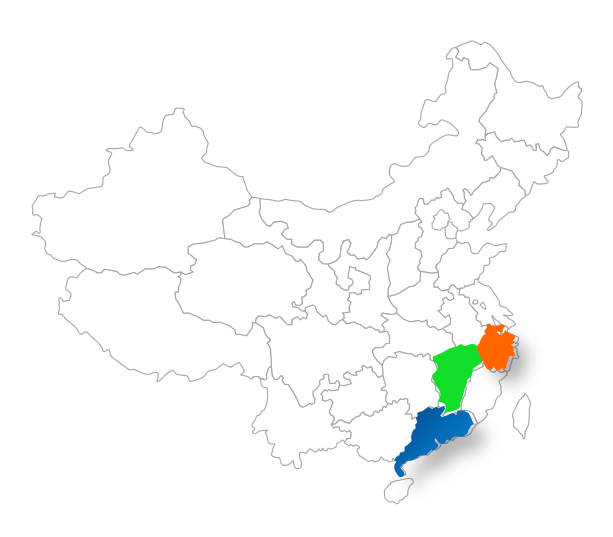
Our organization maintains more than 200 dedicated production and engineering personnel, operating a high-capacity manufacturing branch in Jiangxi Province, a responsive commercial trade window in Shenzhen, and an expanding strategic footprint with facilities in Yunnan Province. We actively collaborate with Shenzhen University on advanced materials research, contact physics, and high-frequency electrical interconnect testing.

Our primary international markets span Southern Europe, Western Europe, North America, South Asia, and domestic OEM industrial sectors. Our core product portfolios include Power Jacks Series, Phone Jacks Series, Switch Series (DIP Switches, Push Switches, Slide Switches), RCA Pin Jack Series, and Network Socket Series.

ChinaWellnow Manufacturing Facility and Production Line

Strategic Global & Domestic Locations

Yueqing Headquarters

Located in Yueqing, Zhejiang Province (the national electronic distribution center). Houses domestic & foreign trade divisions, technology R&D laboratories, mold design, and central quality assurance departments.

Shenzhen Trade Center

Positioned in Shenzhen's prime high-tech commercial hub. Acts as an agile market surveillance window, providing real-time technical customer support, rapid prototyping dispatch, and supply chain logistics.

Jiangxi Production Base

Spanning a 5,000 ㎡ manufacturing floor equipped with automated high-speed stamping, precision plastic injection molding, automated switch assembly lines, and over 200 professional line technicians.

ChinaWellnow Corporate and Industrial Operations
Certifications & Compliance

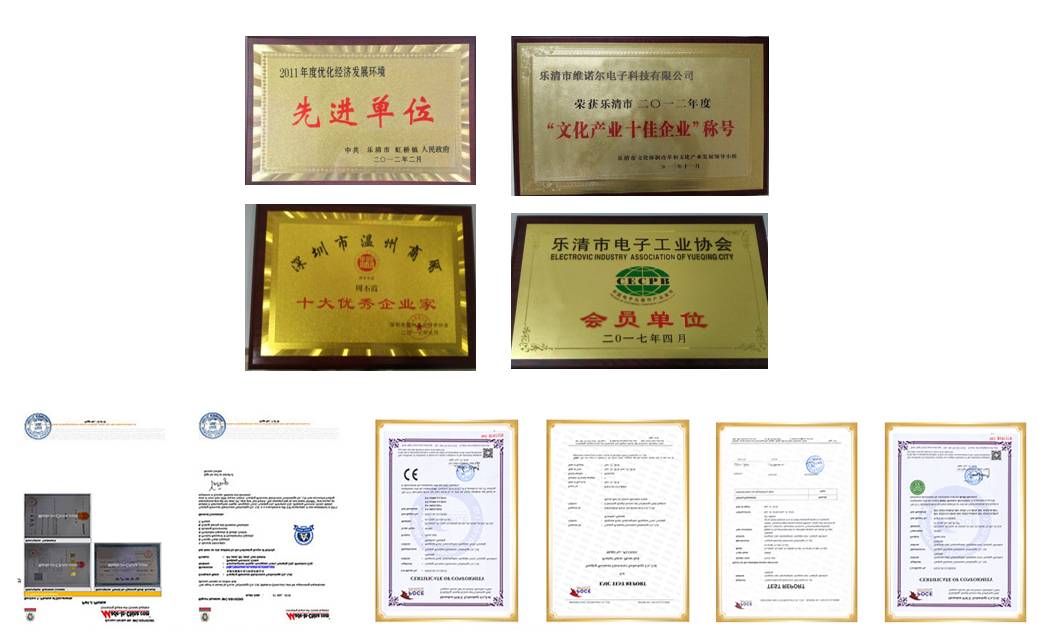
Honor and International Certificates

Quality and environmental stewardship are the core tenets of our manufacturing operations. ChinaWellnow with its dedicated R&D, product engineering, and quality control departments was formally certified with ISO 9001:2015 in 2005.

The majority of our switch series, connectors, power sockets, and quick wiring terminals are fully certified as compliant with international safety and performance benchmarks, including UL, VDE, ENEC, CE, and RoHS/REACH standards. We build enduring trust with global tier-1 automotive suppliers through competitive pricing, rapid delivery cycles, zero-defect quality management, and end-to-end engineering support.

ISO 9001:2015, UL, VDE, ENEC Certificates
Factory Production Showcase

Precision Manufacturing & Quality Control Video

Take a virtual tour inside our automated assembly workshops, stamping lines, and automated electrical inspection stations.

ChinaWellnow Switch and Connector Product Catalog Promotion
Wire-to-Board & Splicing Systems

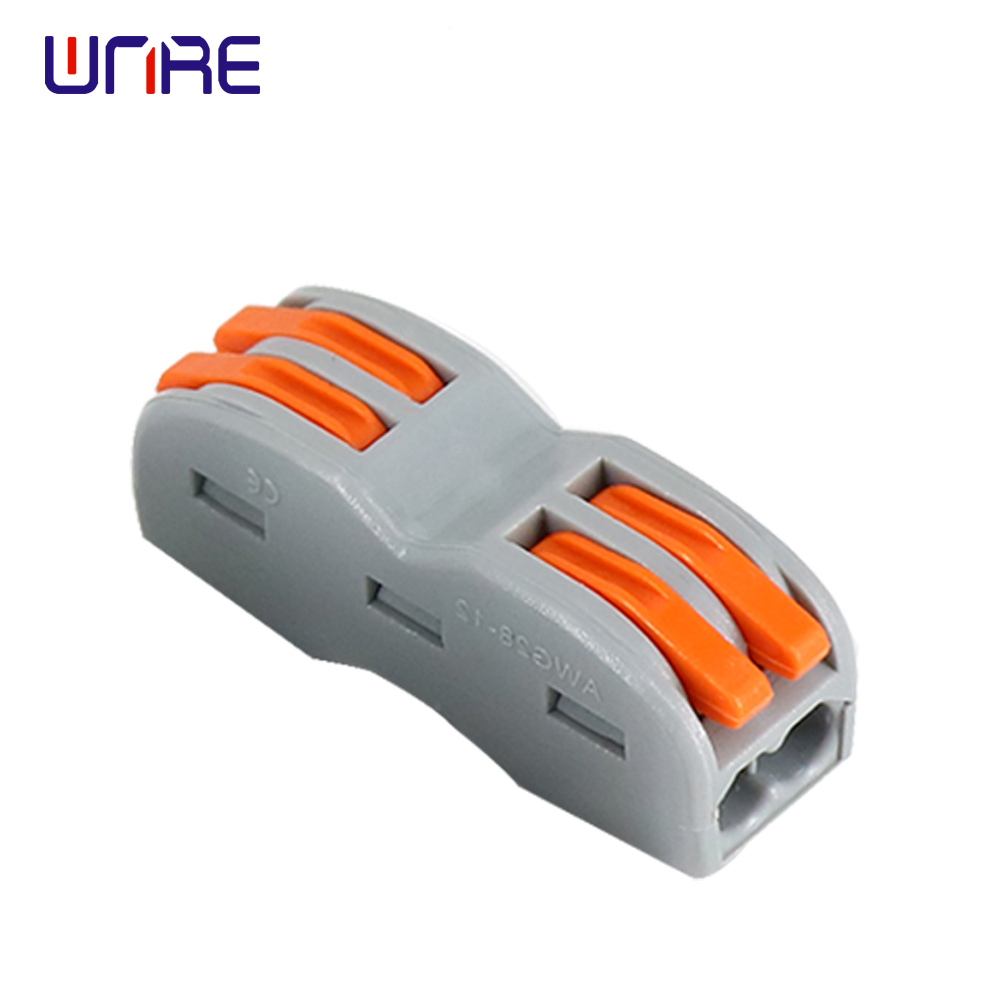
PCT Quick Terminal Blocks & Wire Connectors

Tool-free lever and push-in spring connection systems widely utilized in vehicle harness test jigs, automotive retrofitting, and power distribution modules.

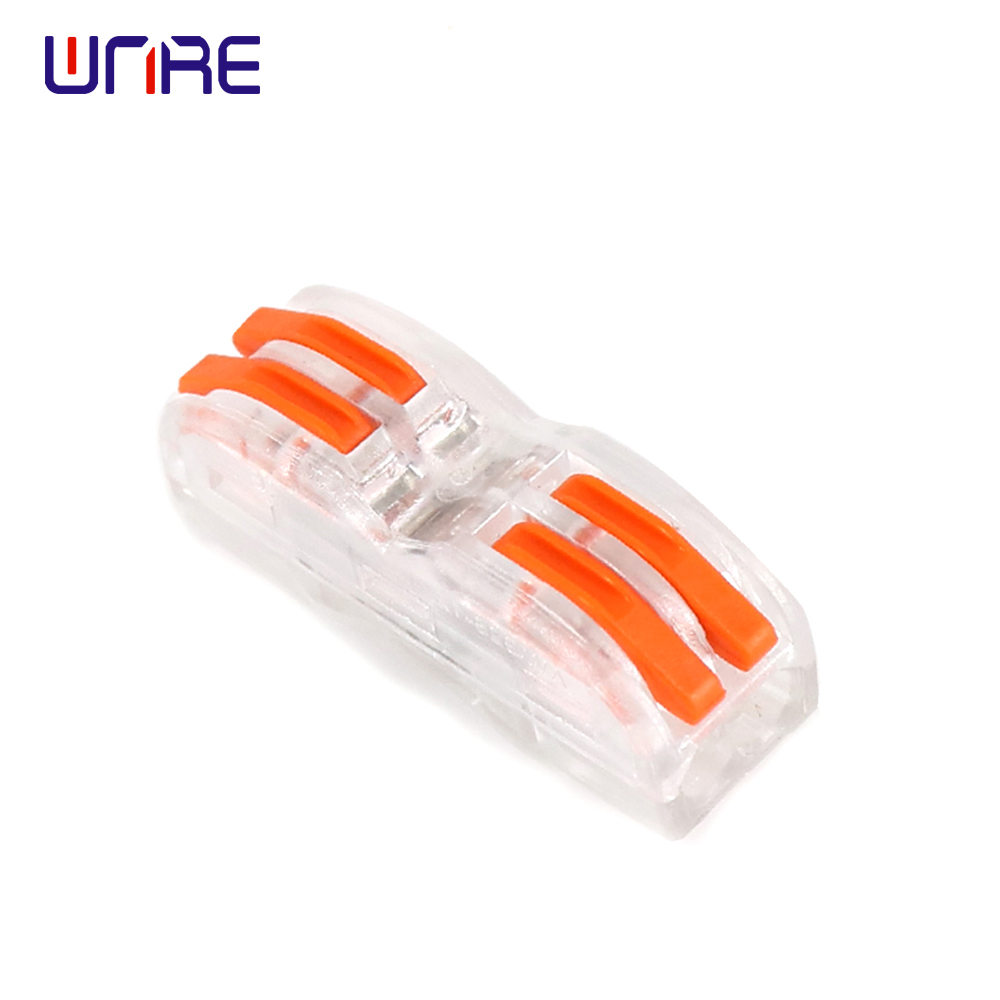
PCT Series PCT-222T Transparent Fast Wire Cable Connectors Universal Compact Conductor Spring Splicing Terminal Blocks Connectors
PCT-222T Transparent Fast Wire Cable Connector
Universal compact conductor spring splicing terminal block with clear visual inspection housing.
View Details →
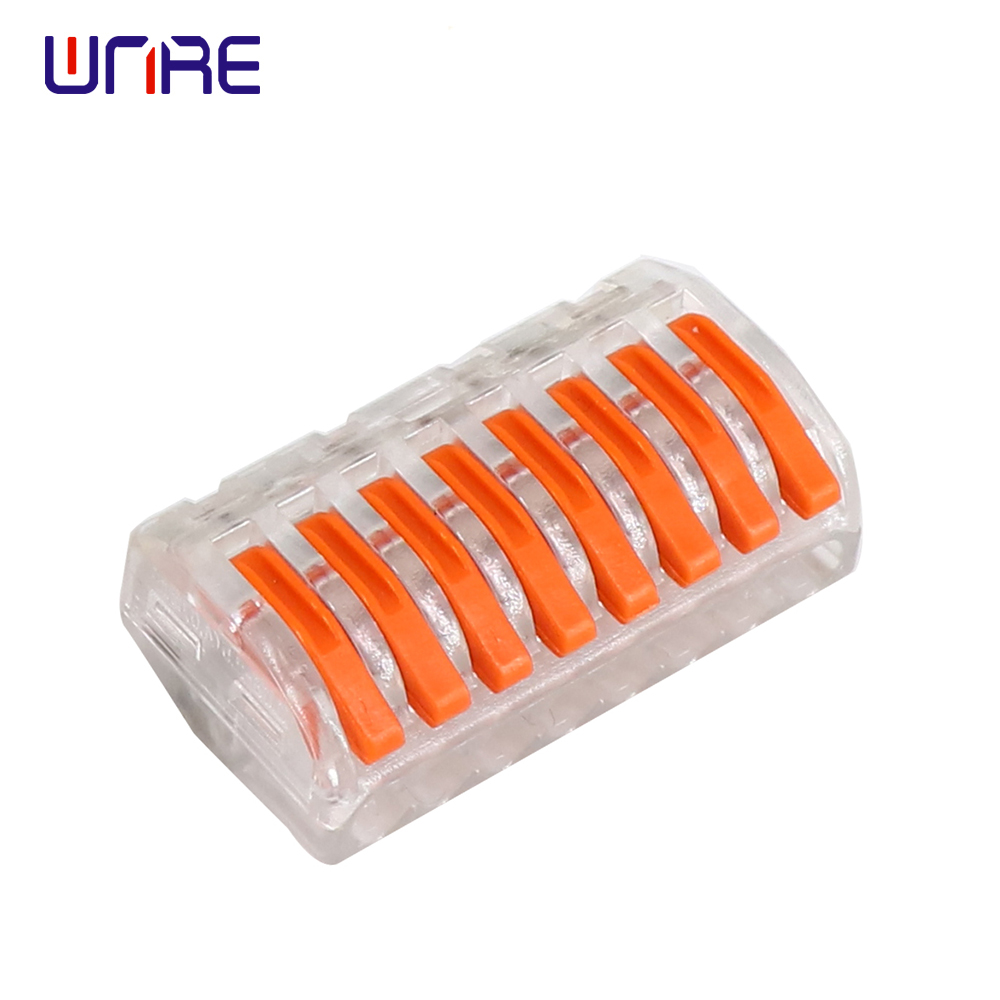
8-Port Wire PCT-218T High-Quality Transparent Housing Compact Push-in Terminal Block Wire Connector Tool-Free Wiring Connectors
PCT-218T Transparent Housing Push-in Terminal
High-density 8-wire quick push-in electrical connector for rapid power harness distribution.
View Details →
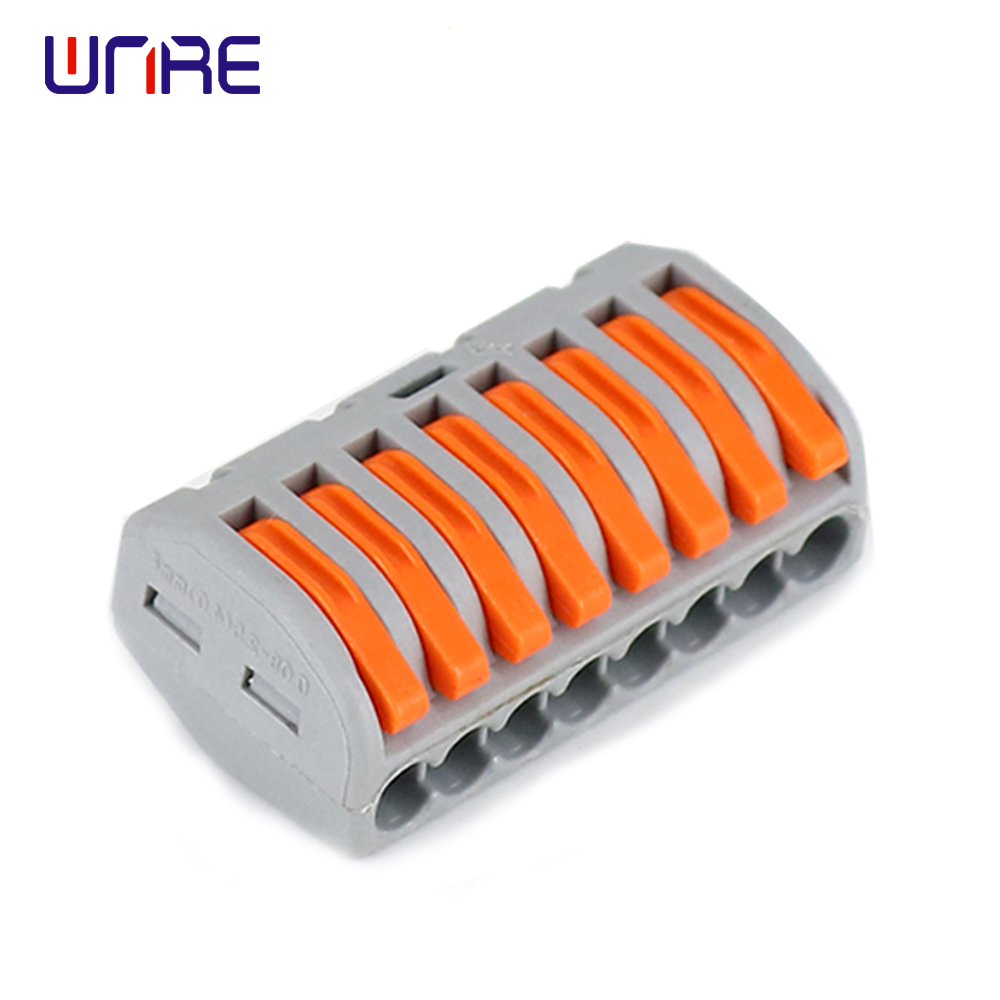
8-Port Classic PCT-218 Electrical Connector Cable Wire Push-in Terminal Block Universal Quick Terminal Wiring Connectors For Cable Connection
PCT-218 Universal Push-in Wiring Terminal Block
Heavy-duty 8-pole quick wiring connector for industrial instrument and automotive panels.
View Details →
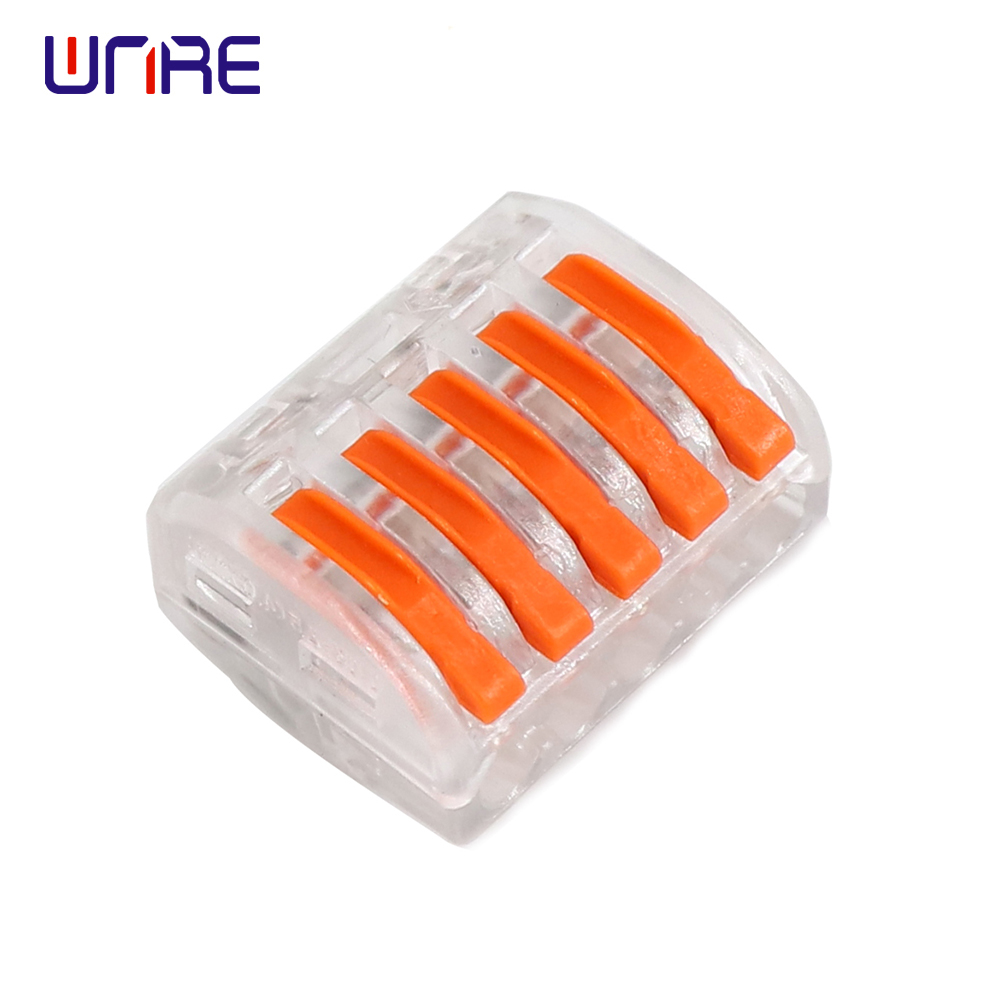
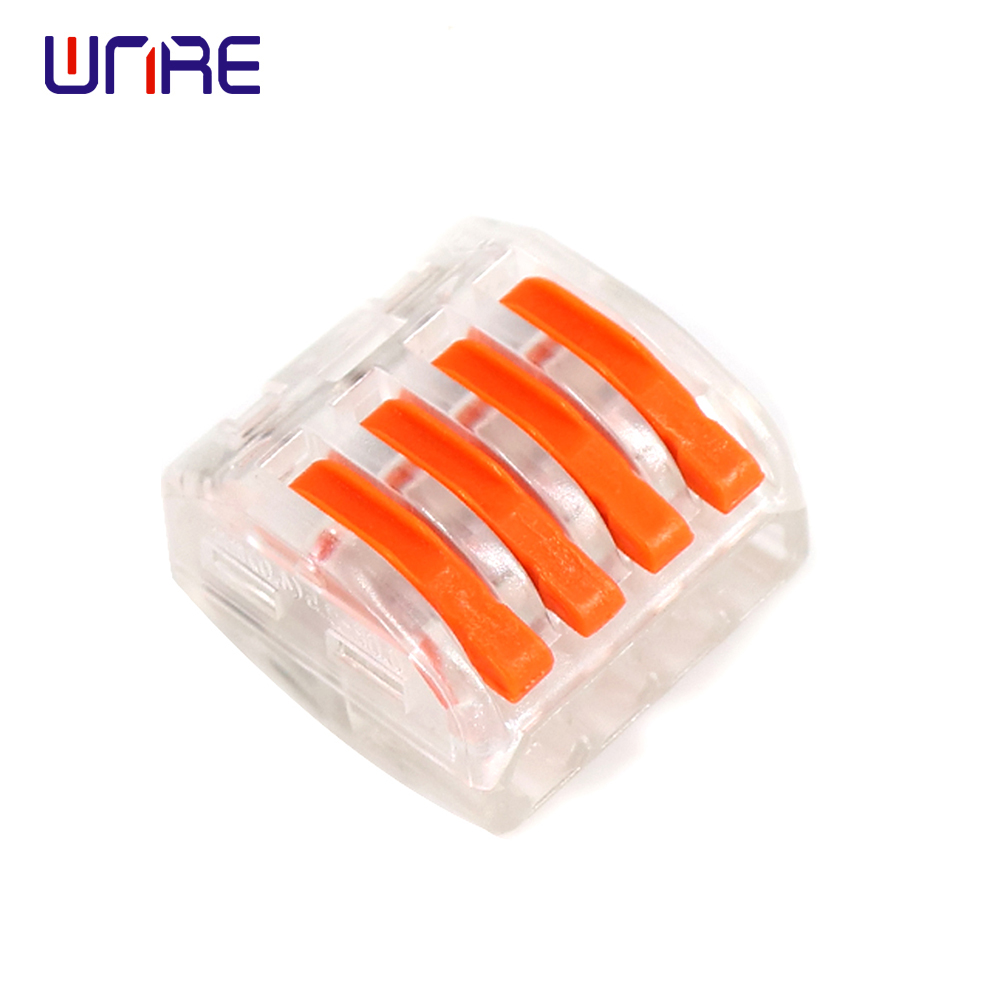
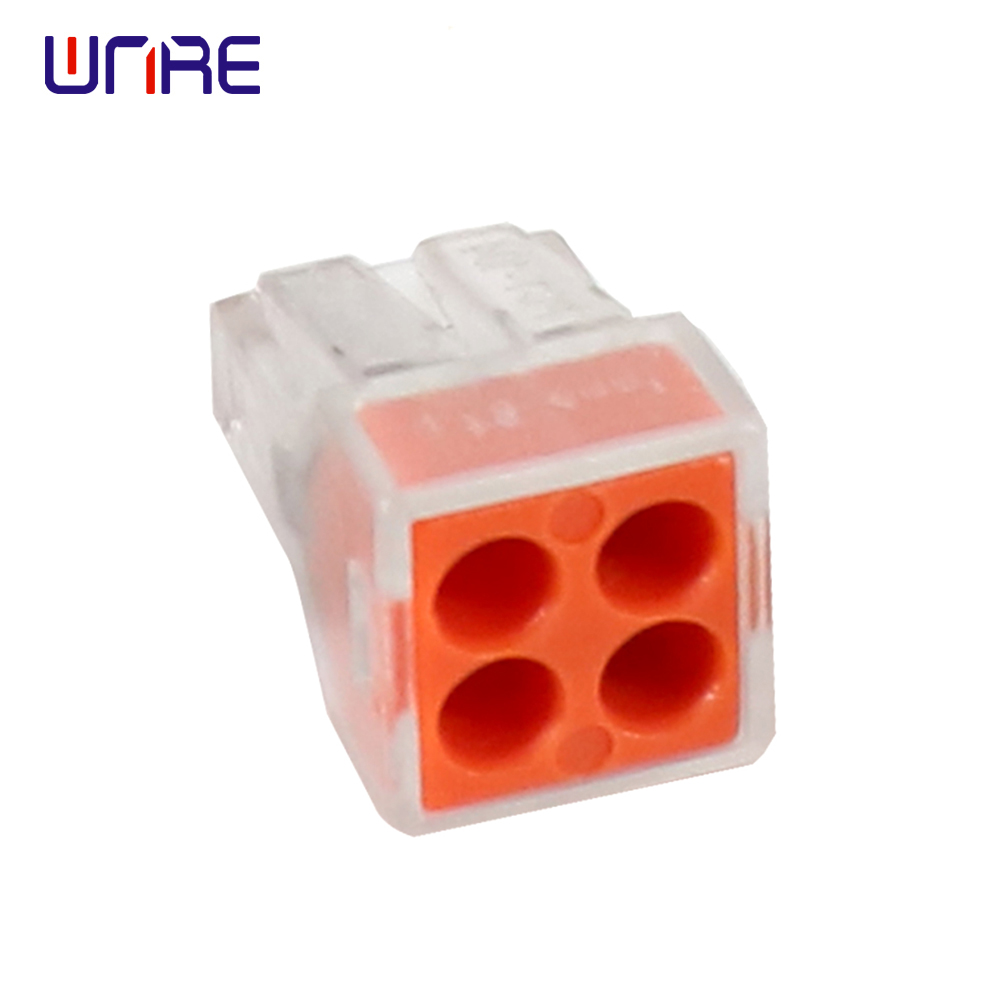
5-Port Clear PCT-215T Transparent Housing Push Wire Types 5 Hole Way Fast Wire Connector Special for Junction Quick Connect Terminal
PCT-215T 5-Hole Push Wire Fast Connector
Specialized junction box connector featuring 5-way wire distribution with clear polycarbonate case.
View Details →
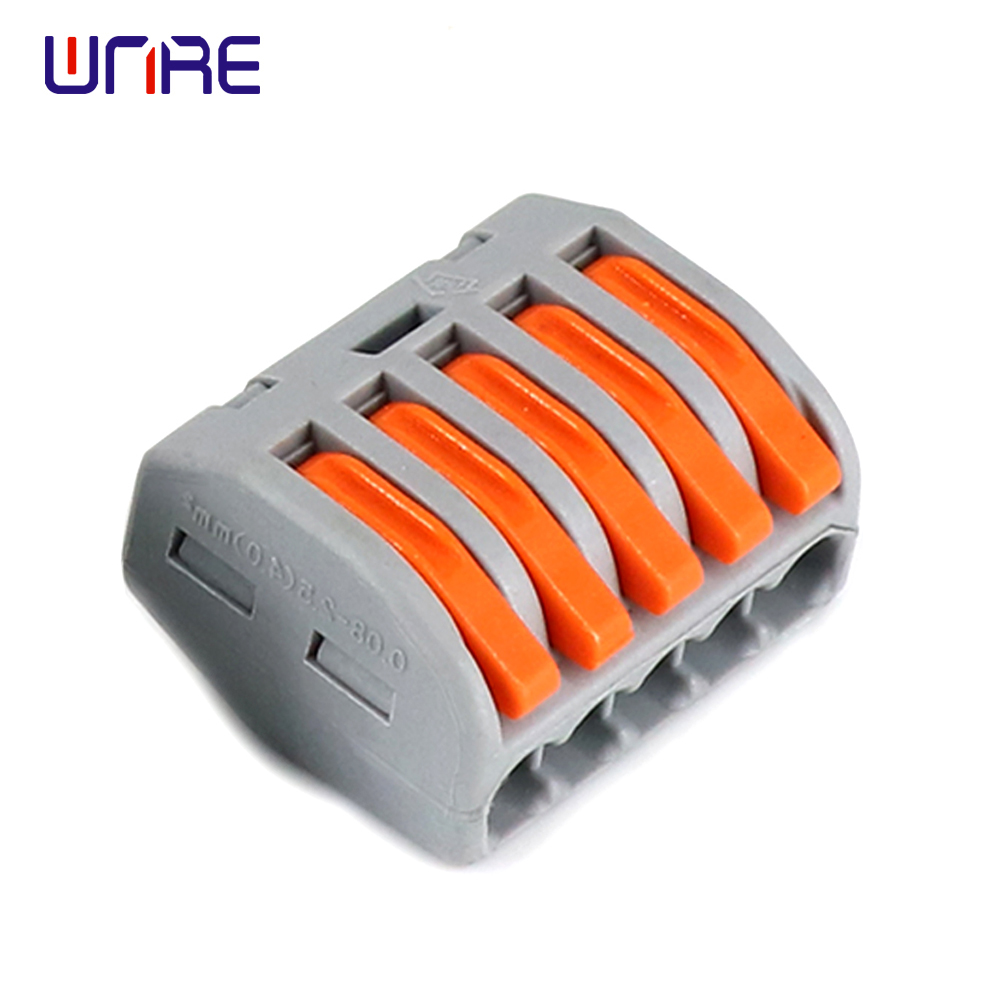
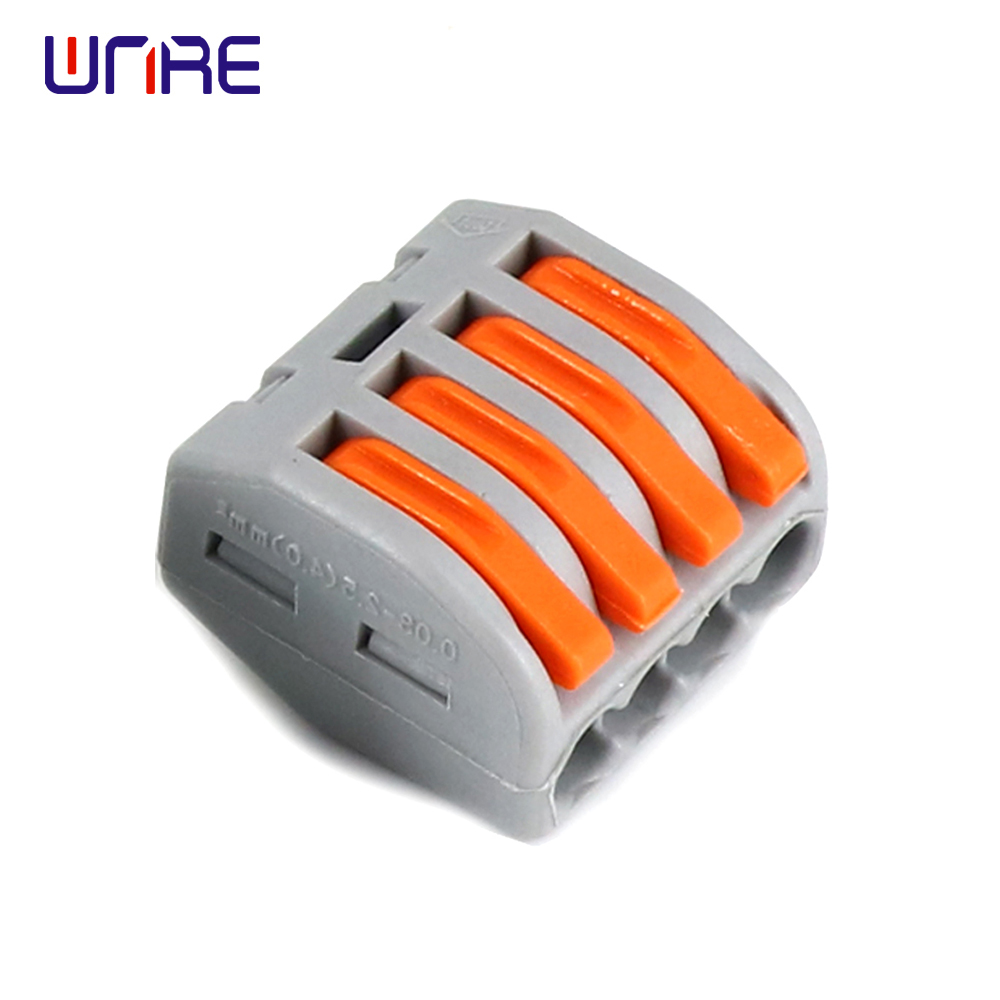
5-Port Solid PCT-215 Wire Connector Assortment Pack Conductor Compact Quick Wire Terminal Connectors
PCT-215 5-Conductor Compact Quick Wire Terminal
Solid casing 5-conductor splicing block with stainless steel spring clamping mechanism.
View Details →
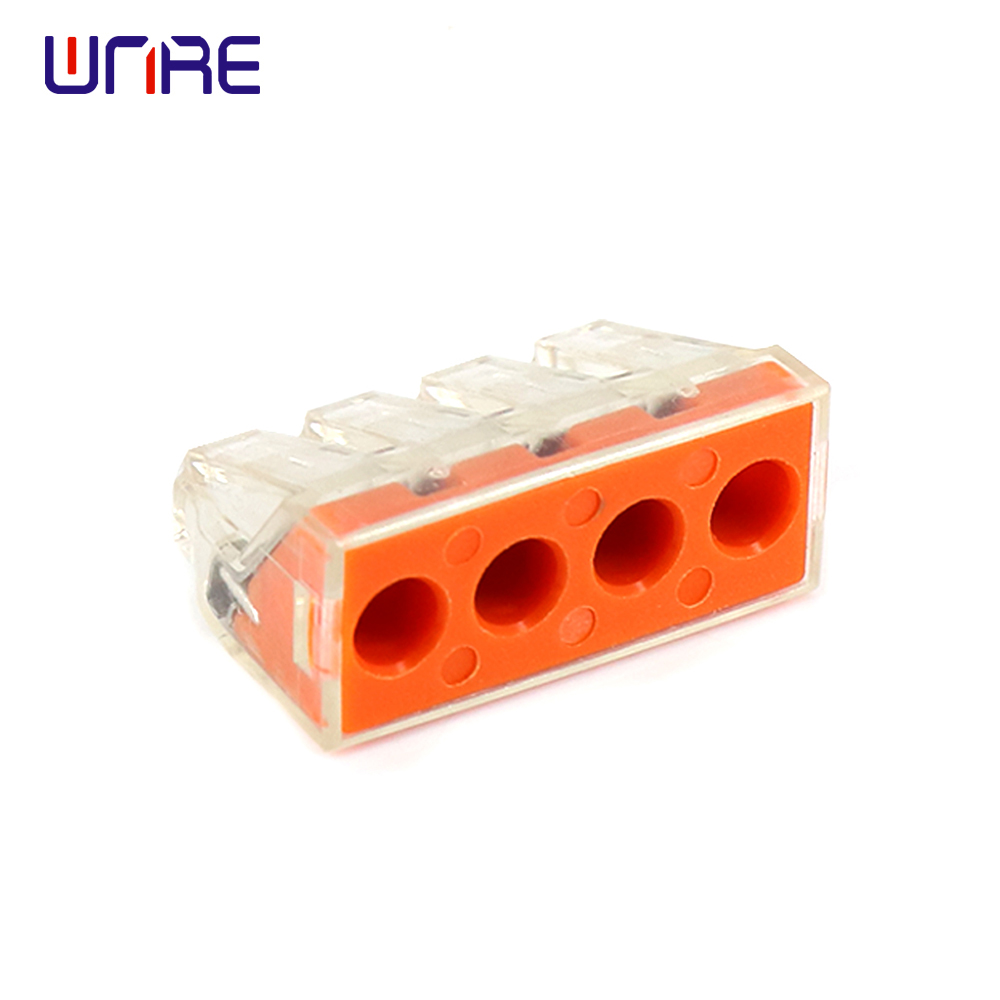
4-Port Lever PCT-214T Lever-Nuts Quick Wire Connector Universal Transparent Housing Compact Terminal Block Electrical Push-in Terminal Block
PCT-214T Lever-Nuts 4-Way Quick Wire Connector
Orange lever-actuated 4-conductor terminal block for flexible multi-gauge harness connection.
View Details →
4-Port Lever PCT-214 Lever-Nut Conductor Compact Wire Connectors Terminal Block Quick Wire Push Cable Connector Quick Terminal Block
PCT-214 Compact Lever-Nut Wire Terminal
Durable 4-line quick clamp terminal block for fast wire termination in automotive benches.
View Details →
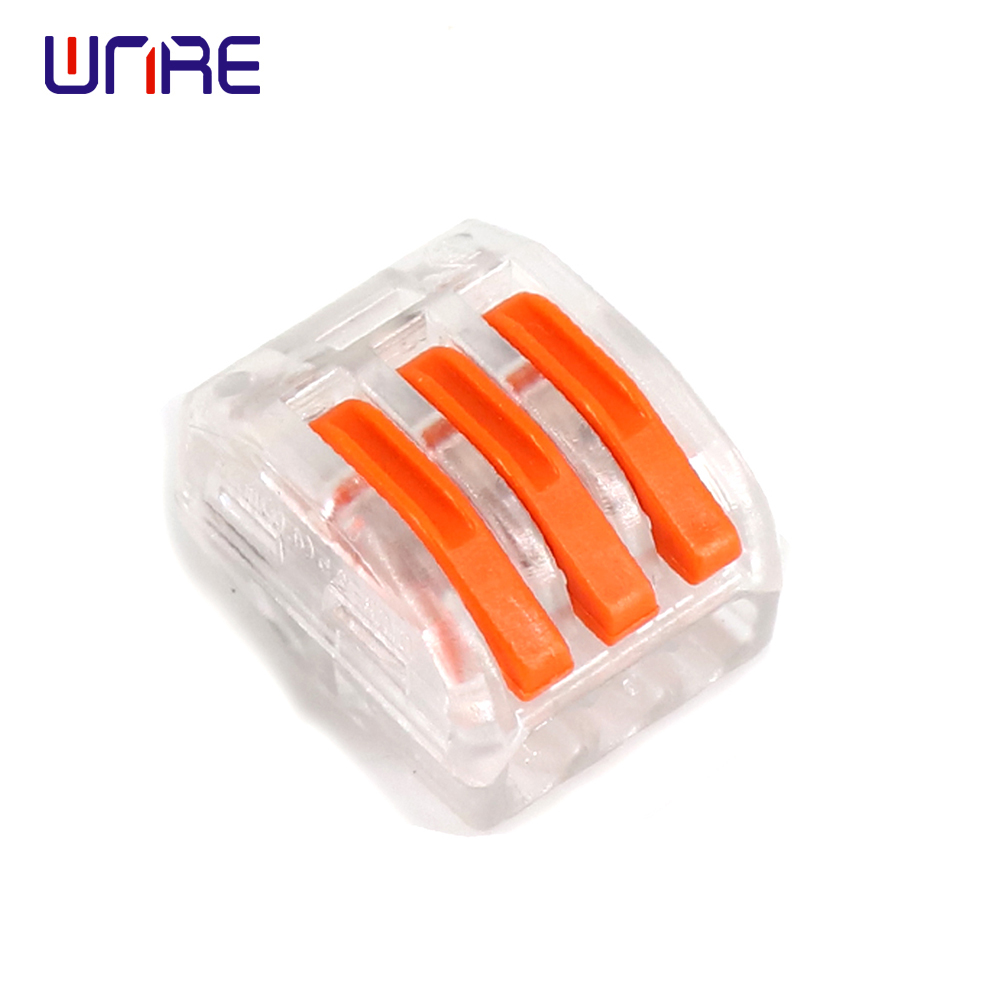
3-Port 400V PCT-213T Rated Voltage 400V Quick Splice Wire Connector Electrical Connector Joint Terminal Quick Terminal Block Connector
PCT-213T 400V 3-Way Quick Splice Connector
High-voltage rated 3-way transparent joint terminal block for compact junction enclosures.
View Details →
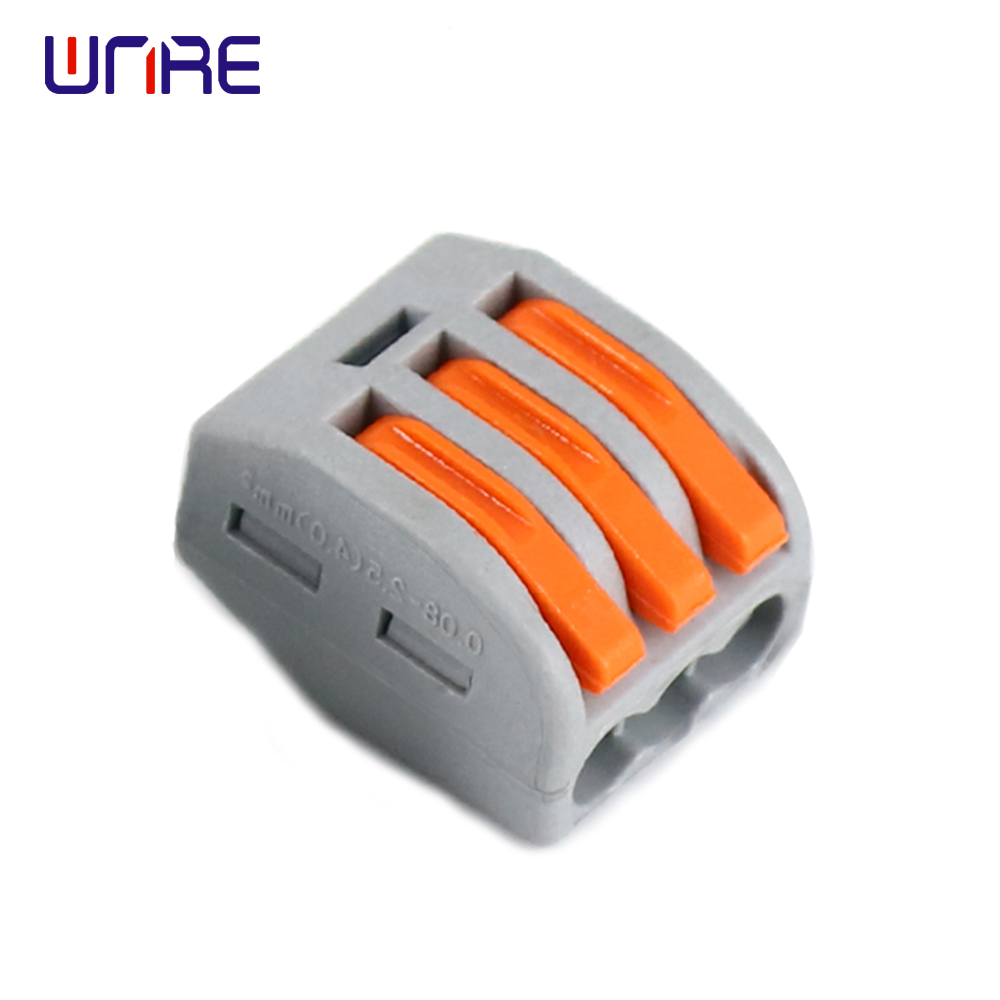
3-Port 400V PCT-213 Rated voltage 400V Quick Splice Wire Connector Electrical Quick Terminal Block Connector
PCT-213 400V Quick Splice Terminal Connector
Robust 3-pole quick connector for power line routing and industrial wiring maintenance.
View Details →
4-Pin Push PCT-104D Rated Voltage 400V Universal Compact Wire Wiring Connector 4Pin Conductor Terminal Block Spring Lever Push
PCT-104D 400V 4-Pin Compact Conductor Block
Universal push-wire terminal block with integrated spring lever mechanism for 4 conductors.
View Details →
2-Port 450V PCT-222 Rated Voltage 450V Push-in Connectors Series Electrical Supply Quick Connect Terminal Connector
PCT-222 450V 2-Pole Push-in Connectors
High-dielectric 450V rated quick connector for compact inline circuit splicing.
View Details →
32A 400V Heavy PCT-104 Rated Current 32A Rated Voltage 400V Electrical 4Pin Equipment Supplies Connectors Quick Terminal Block Connector
PCT-104 32A 400V 4-Pin Heavy-Duty Terminal Block
High-current 32A rated push-in wire terminal block engineered for power equipment supplies.
View Details →
Complete Automotive Interconnect Lineup

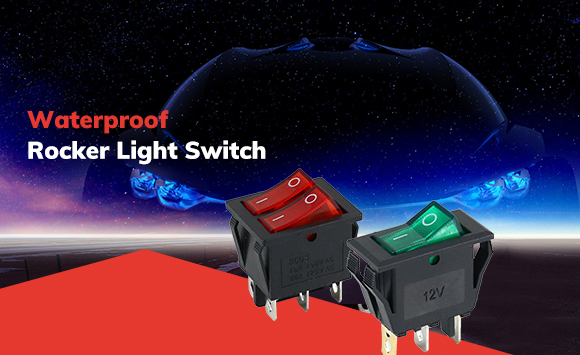
Automotive Switching, Connectors & Circuit Components

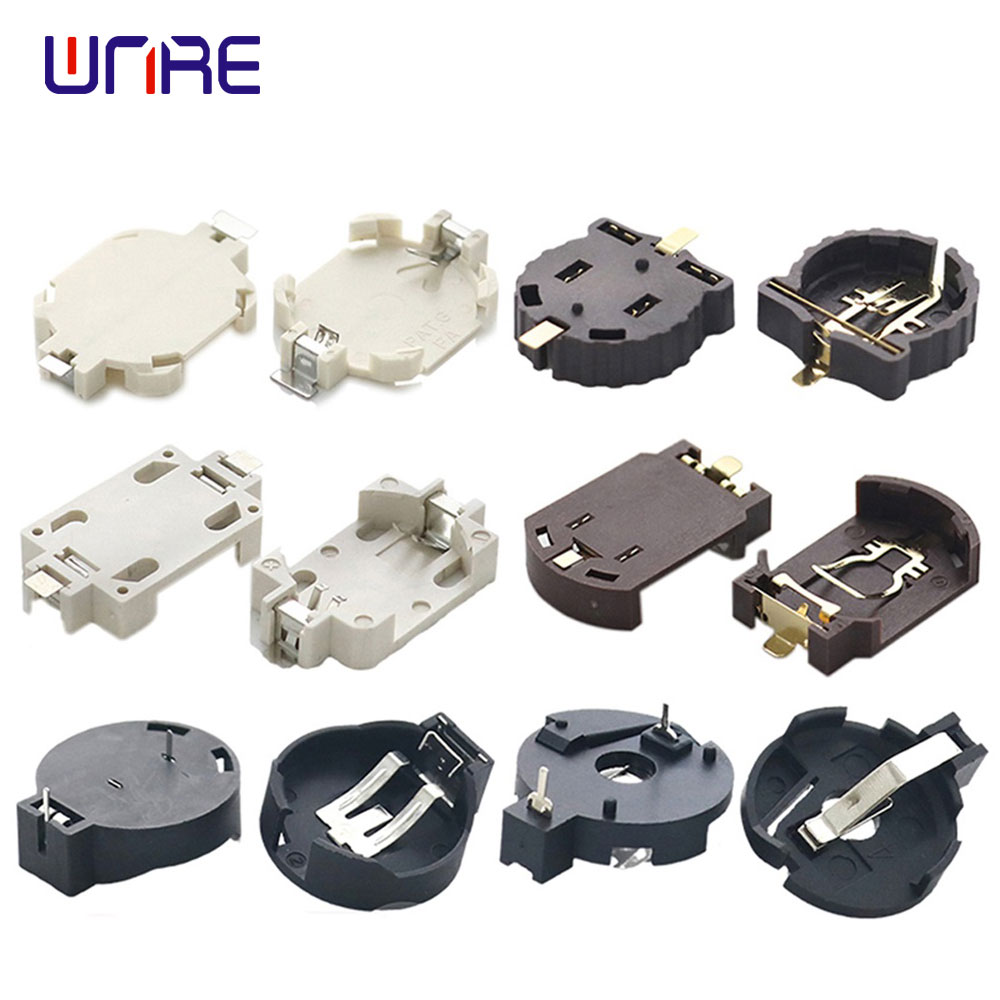
Full suite of automotive switches, aviation connectors, battery holders, high-current terminals, and truck accessories.

Frequently Asked Technical Questions

Automotive DIP Switch & Circuit Architecture FAQs

Why use physical DIP switches instead of software registers?

Physical DIP switches offer immediate, hardware-level state verification before the main MCU powers up. They are immune to software bugs, memory corruption, and cyber-attacks over CAN networks, making them the gold standard for slave address setting in EV Battery Management Systems (BMS) and functional safety systems.

How do automotive DIP switches withstand PCB conformal coating?

Our automotive-grade DIP switch series incorporate high-integrity silicone top-tape seals, ultrasonic welded housings, and epoxy-sealed terminal bases. This prevents the capillary ingress of fluxes during wave/reflow soldering and ensures conformal coating resins do not contaminate the internal gold contact mating surfaces.

What contact plating is mandatory for automotive vibration environments?

Severe road vibrations cause micromotion known as fretting corrosion. To mitigate this, automotive DIP switches employ heavy hard-gold plating (over nickel underplate) with dual-contact knife-edge wiping geometries. The high contact force ensures continuous, low-impedance electrical contact without contact bounce under ISO 16750-3 vibration profiles.

Can ChinaWellnow customize switch poles, packaging, and current ratings?

Yes. Through our R&D center in Yueqing and development partnerships with Shenzhen University, we provide complete OEM/ODM engineering services—including customized actuator lengths, high-temp LCP housings, rotary hexadecimal encoding, tape-and-reel SMD packaging, and mating connector harnesses.