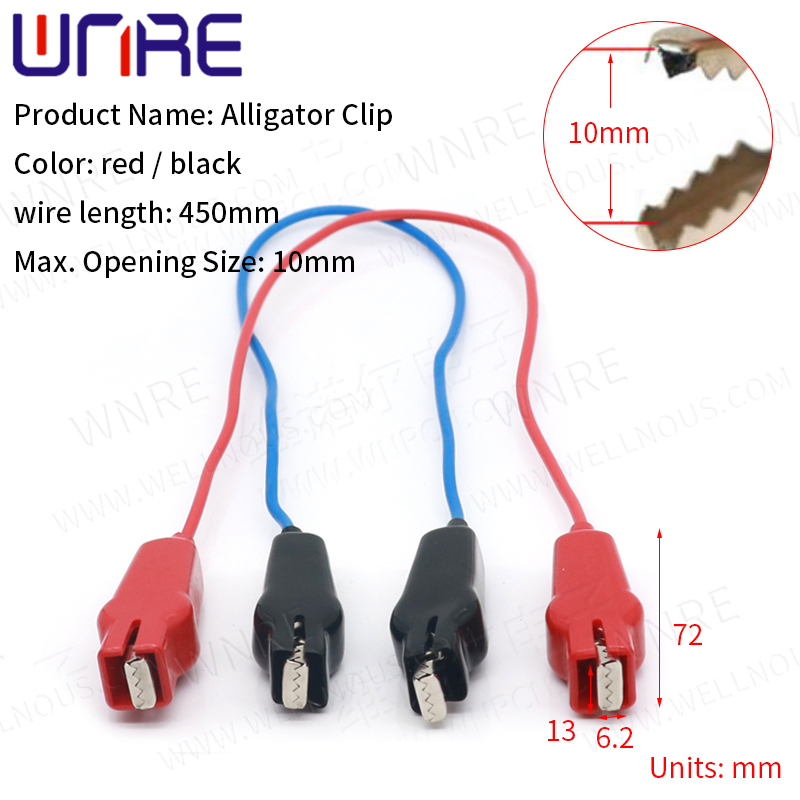
- Mobile Phone
- +86 13736381117
- info@wellnowus.com
Essential Circuit Control & Interconnect Units
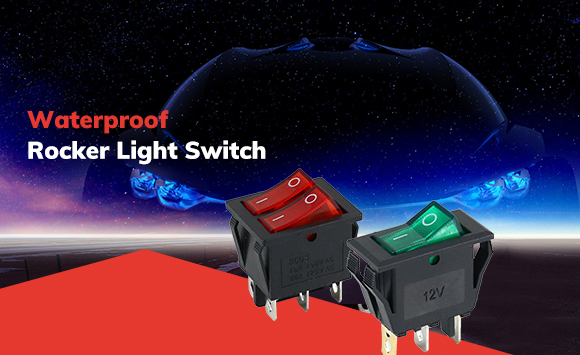
Precision electromechanical components and high-integrity sockets designed for vehicular steering, power distribution, and auxiliary cockpit modules.
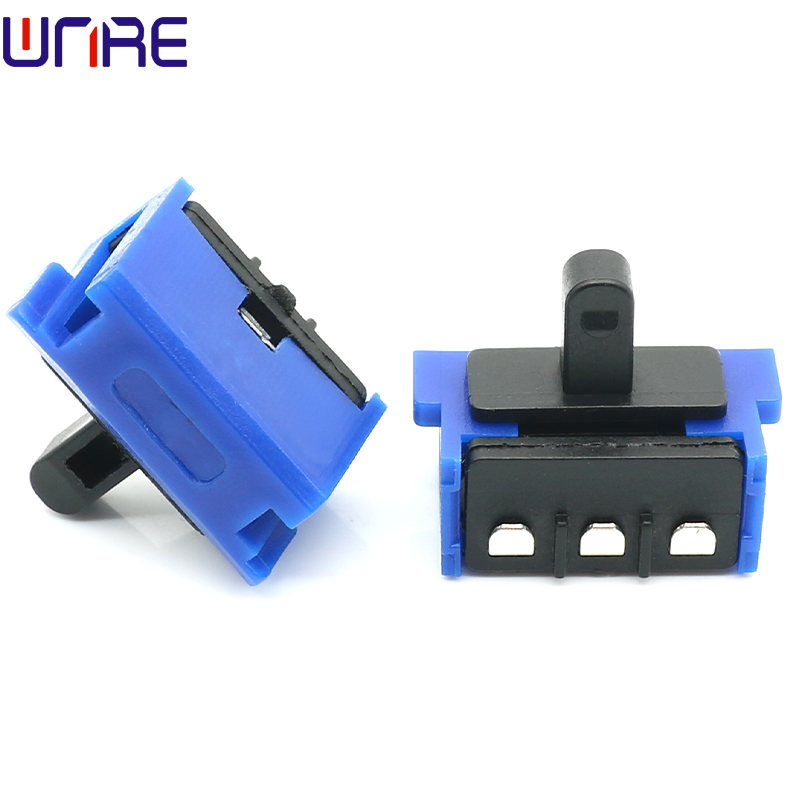
Electric bicycle three-gear double-flash headlamp horn repair three-gear handle toggle switch accessories
View Technical Details
Power Magnetic Connector pogopin plug-in charging socket
View Technical Details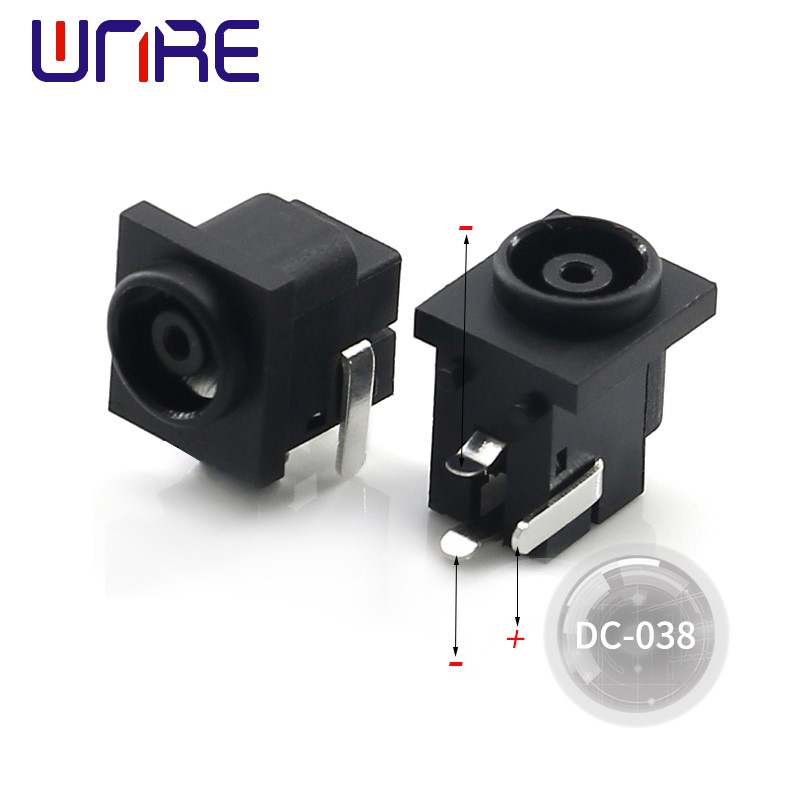
DC038 Dual-hole female connector DC power jack DC-038 Laptop plugs and sockets
View Technical Details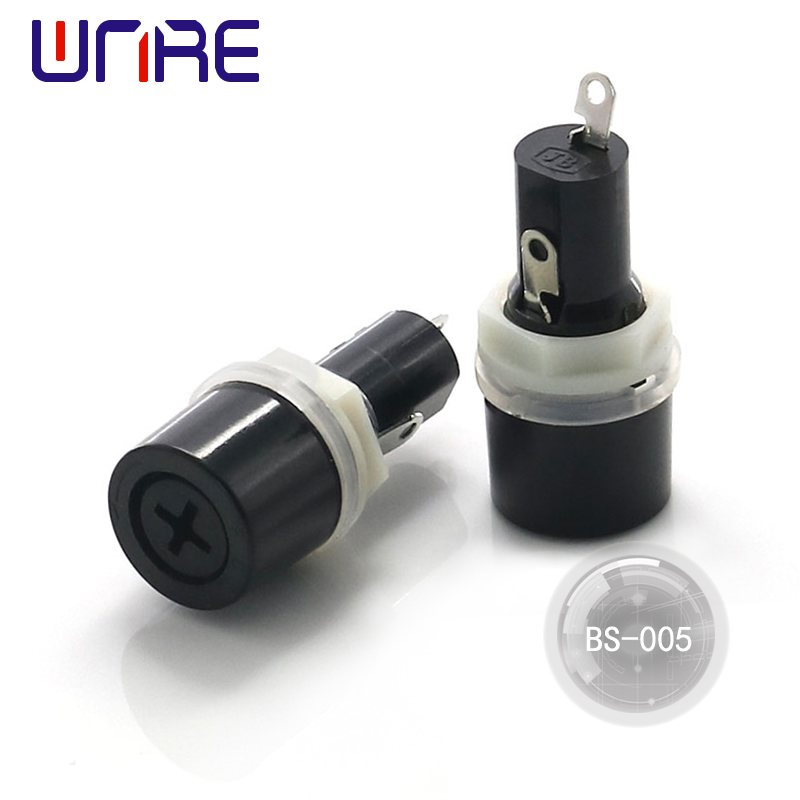
BS-005 Insurance Tube Socket Cylindrical 5*20mm Tube Fuse Holder Made In China
View Technical DetailsKey Button Switch Dynamics In Modern Automotive Circuits
An exhaustive technical exploration into switching topologies, functional safety compliance, contact resistance mitigation, and zonal electronic vehicle integration.
Zonal Architecture Interfacing
Transitioning from complex heavy multi-wire harnesses to localized LIN/CAN-bus sub-nodes, enabling discrete button arrays to communicate with zonal electronic control units (ECUs) with minimal latency.
AEC-Q200 & ISO 26262 ASIL
Stringent mechanical endurance testing over 1,000,000 cycles, extreme thermal survival from -40°C to +125°C, and guaranteed contact continuity for mission-critical driver safety functions.
Tactile Ergonomics & Sealing
Engineered actuation curves featuring snap-action metal domes or elastomer boots, paired with IP67/IP69K silicone hermetic seals that isolate switch contacts from salt spray, fuel, and condensation.
1. Industrial Status & Technological Evolution of Automotive Switching Mechanisms
In the contemporary automotive landscape, the humble key button switch has undergone a profound architectural transformation. Historically, vehicular switching components functioned as brute-force electrical contacts—directly routing high continuous currents (often 5A to 20A at 12VDC) through thick, heavy copper wiring harnesses to actuate headlamps, radiator fans, starter solenoids, or windshield wipers. In this legacy architecture, switch contacts suffered from aggressive electrical arcing, contact oxidation, and thermal fatigue, necessitating bulky contact plates, extensive spring assemblies, and frequent maintenance.
With the advent of software-defined vehicles (SDVs), hybrid powertrains, and high-voltage 400V/800V battery electric vehicles (BEVs), the industrial status of automotive key button switches has pivoted toward intelligent, low-current micro-signal actuation. Today, button switches operate as sophisticated Human-Machine Interface (HMI) inputs that communicate directly with Electronic Control Units (ECUs), Body Control Modules (BCMs), or distributed LIN (Local Interconnect Network) nodes. Current loads traveling across switch terminals are typically logic-level signals running between 1mA and 50mA at 3.3VDC or 5VDC, shifting the engineering focus from contact arc suppression to micro-contact reliability, debounce timing optimization, galvanic corrosion prevention, and electromagnetic compatibility (EMC).
2. Circuit Topologies: From Resistive Ladders to Multiplexed LIN Bus Arrays
Modern automotive electrical engineering demands ruthless optimization of weight, packaging space, and wiring complexity. To route twenty distinct steering wheel switch functions (adaptive cruise control, multimedia, voice prompt, lane-keep assist, and menu toggles) through a clock-spring ribbon cable, engineers cannot employ dedicated pairs of wires for every button. Instead, automotive circuit designers rely on two predominant circuit topologies:
Intelligent LIN/CAN Bus Switch Matrices: In high-tier center consoles and multifunction steering controls, the key button switches are mounted directly on an integrated PCB assembly containing a dedicated LIN slave transceiver or micro-controller. Actuation of a push-button triggers a localized hardware interrupt. The microcontroller handles switch debouncing in silicon, monitors internal diagnostics (such as stuck-key detection or open-circuit faults), and broadcasts digital frame packets over a single-wire LIN physical layer to the master cockpit domain controller. This topology reduces physical wire counts from dozens down to just three conductors: Power (+12V/VBAT), Ground (GND), and LIN Data.
3. Engineering Requirements for Hostile Automotive Environments
Unlike consumer-grade switches, automotive key buttons must maintain uncompromised electrical and mechanical integrity across brutal environmental envelopes defined by standards like ISO 16750, USCAR-2, and AEC-Q200. The operational requirements encompass:
- Extreme Thermal Cycling: Switches located on door panels, steering columns, and under-hood junction boxes must operate reliably between -40°C during winter cold-cranking and +85°C (cabin) or up to +125°C (engine compartment and dashboard surface solar radiation). Contact carrier plastics must utilize glass-fiber reinforced polyamides (PA66-GF30) or polyphenylene sulfide (PPS) to avoid thermal creep and dimensional warping.
- Hermetic Ingress Protection (IP67 / IP69K): Moisture ingress from spilled beverages, condensation cycles, or high-pressure steam cleaning can trigger dendrite growth, parasitic leakage currents, or terminal short-circuits. Premium automotive switches feature insert-molded leadframes, liquid silicone rubber (LSR) sealing gaskets, and ultrasonic-welded casings to achieve complete dust-tightness and water submergence protection.
- Vibration and Mechanical Shock Resistance: Continuous road vibrations (conforming to random vibration profiles up to 3.2 Grms) can induce fretting corrosion at the contact interface if switch contact spring pressures are inadequate. Engineered gold-flashed or silver-tin-oxide (AgSnO2) contacts provide superior resistance to micro-fretting and contact bounce under continuous high-frequency harmonic vibration.
- Electrostatic Discharge (ESD) and EMC Shielding: Cabin occupants can carry electrostatic charges upwards of 15kV to 25kV due to synthetic fabrics and seat materials. When an operator touches a conductive keycap or bezel, this discharge must be safely routed away from delicate logic-level lines to the chassis ground through transient voltage suppressor (TVS) diodes and internal ground planes, satisfying ISO 10605 criteria.
Technical Comparison: Automotive Switch Technologies & Electrical Attributes
| Switch Classification | Current / Voltage Rating | Contact Material | Actuation Lifespan | Sealing Rating | Typical Automotive Circuit Application |
|---|---|---|---|---|---|
| Snap-Action Tactile Key | 1mA - 50mA @ 12VDC | Gold-Plated Stainless Steel | 1,000,000 cycles | IP67 Sealed Membrane | Steering wheel ADAS buttons, infotainment controls, HVAC touch panels |
| Elastomeric Dome Switch | 5mA - 100mA @ 12VDC | Carbon Pill / Gold Flash | 500,000 cycles | IP65 Enclosed Boot | Key fob remote transmitters, door window lock consoles, seat memory keys |
| Heavy-Duty Push Toggle | 10A - 25A @ 14VDC | Silver Tin Oxide (AgSnO2) | 100,000 cycles | IP54 to IP67 | Hazard warning flasher, commercial vehicle PTO, auxiliary fog lamps |
| High-Voltage Interlock (HVIL) Key | 10mA @ 5VDC (Logic) | Beryllium Copper + Au | 50,000 cycles | IP68 / IP69K | EV battery disconnect manual override, emergency e-Call button, inverter shutdown |
| Rotary / Multi-Position Push | 0.1A - 2A @ 12VDC | Silver-Plated Phosphor Bronze | 200,000 cycles | IP66 Gasketed Shaft | Electric two-wheeler three-gear headlamp/horn handle switches, mirror adjusters |
4. In-Depth Subsystem Application Scenarios
Cockpit Human-Machine Interface & Steering Hub
In the steering wheel assembly, key button switches must balance precise haptic feedback with millisecond-grade responsiveness. Drivers must be able to actuate adaptive cruise control or initiate emergency voice commands without taking their eyes off the road. The haptic force-displacement profile is rigorously specified: an initial pre-travel of 0.3mm to 0.5mm, a crisp actuation peak force between 3.0N and 4.5N, followed by a positive tactile snap ratio exceeding 40%. The switch circuit includes localized surface-mount LEDs with light-guide channels to achieve uniform daylight-readable backlighting, calibrated via pulse-width modulation (PWM) to match cabin illumination ambiance.
Powertrain Ignition, Start-Stop & EV Drive Select
The Engine Start/Stop or EV "Power" key button is one of the most critical switches in the vehicle. In modern dual-redundant safety circuits, this switch integrates two independent micro-switch contacts (normally open and normally closed) mechanically linked to a single spring-loaded actuator. When pressed, the powertrain ECU verifies that both contacts change state simultaneously. If the microcontrollers detect a timing discrepancy between the two channels (indicating a welded contact, wire chafing, or spring failure), the system flags a fault code and prevents uncommanded vehicle shutdowns at highway speeds, fulfilling ISO 26262 ASIL-B or ASIL-D functional safety mandates.
Electric Micromobility & Light Electric Vehicles (LEVs)
As seen in light commercial e-bikes, electric scooters, and golf carts, multi-gear toggle and button assemblies directly orchestrate multi-speed throttle limiters, high/low beam headlights, dual-flash hazard circuits, and acoustic horn modules. Here, switches face constant outdoor exposure, direct rainwater impact, and road grit. Engineered handlebar switches integrate specialized drain labyrinths and thick silicone boots, providing resilient multi-position switching that manages both low-level throttle reference voltages and moderate horn coil induction currents simultaneously.
High-Voltage Battery Disconnect & Emergency Override Circuits
In pure battery electric vehicles (BEVs) operating up to 800VDC, key button switches are fundamental elements of the High Voltage Interlock Loop (HVIL). Prior to opening access panels, servicing inverter modules, or during emergency roadside extrication, first-responder key switches break the low-voltage 12V HVIL circuit. This signal immediately triggers pyro-fuses and main contactors to de-energize the high-voltage traction bus in under 200 milliseconds, eliminating arc-flash hazards for passengers and rescue personnel.
5. Emerging Industry Trends: Smart Surfaces, Haptics & Sustainable Metallurgy
The automotive switch industry is on the cusp of another monumental leap driven by structural electronics and smart decorative surfaces:
- Morphing Smart Surfaces with Active Haptic Confirmation: Seamless woodgrain, carbon-fiber, or glass consoles now integrate hidden capacitive touch zones backed by piezoelectric actuators and localized force sensors. When a driver presses the "virtual" key button, piezo elements fire a calibrated tactile pulse within 5 milliseconds, convincingly mimicking the physical snap of an electromechanical switch while presenting a clean, dust-free monolithic interior aesthetic.
- Eco-Compliant Lead-Free Contact Metallurgy: Traditional cadmium-based electrical contacts (AgCdO) have been phased out under EU End-of-Life Vehicles (ELV) and RoHS directives. Modern switches incorporate cutting-edge nano-composite silver-tin-oxide (AgSnO2) or silver-indium-oxide contacts developed to handle transient inrush currents without contact welding or material migration.
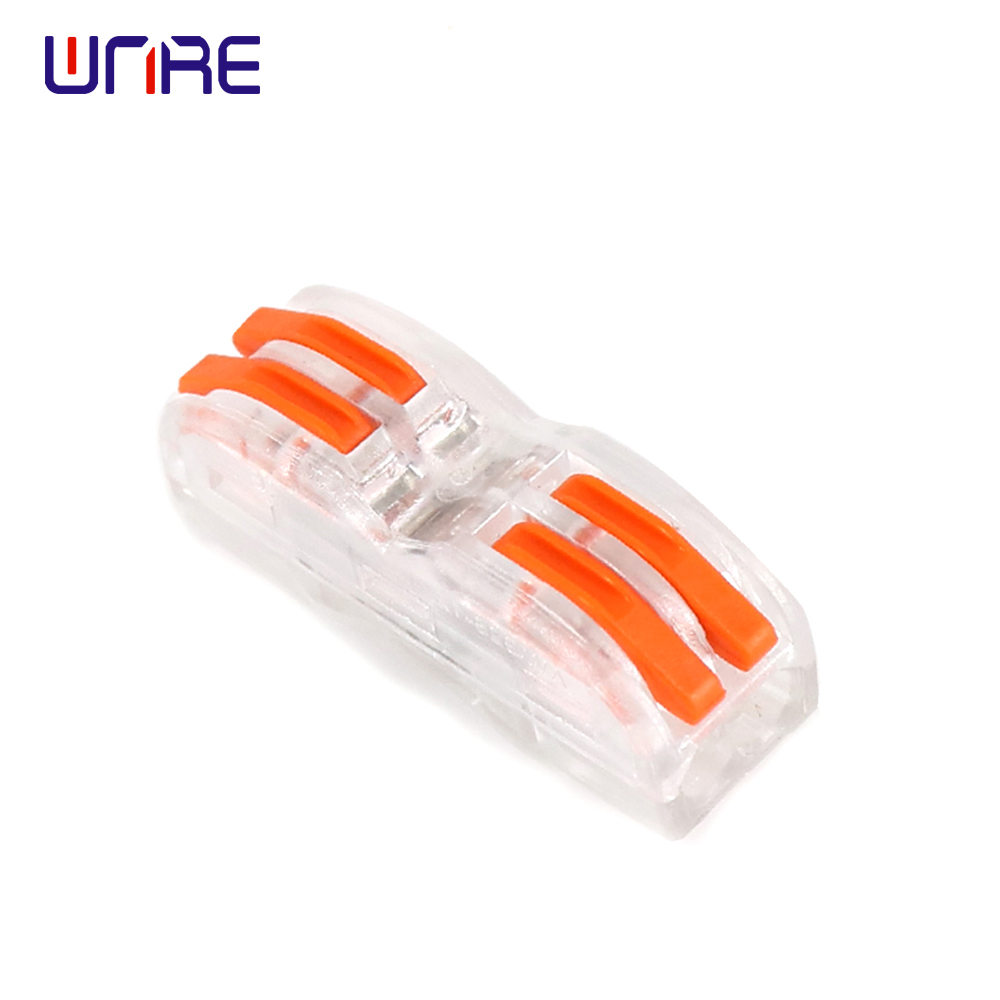
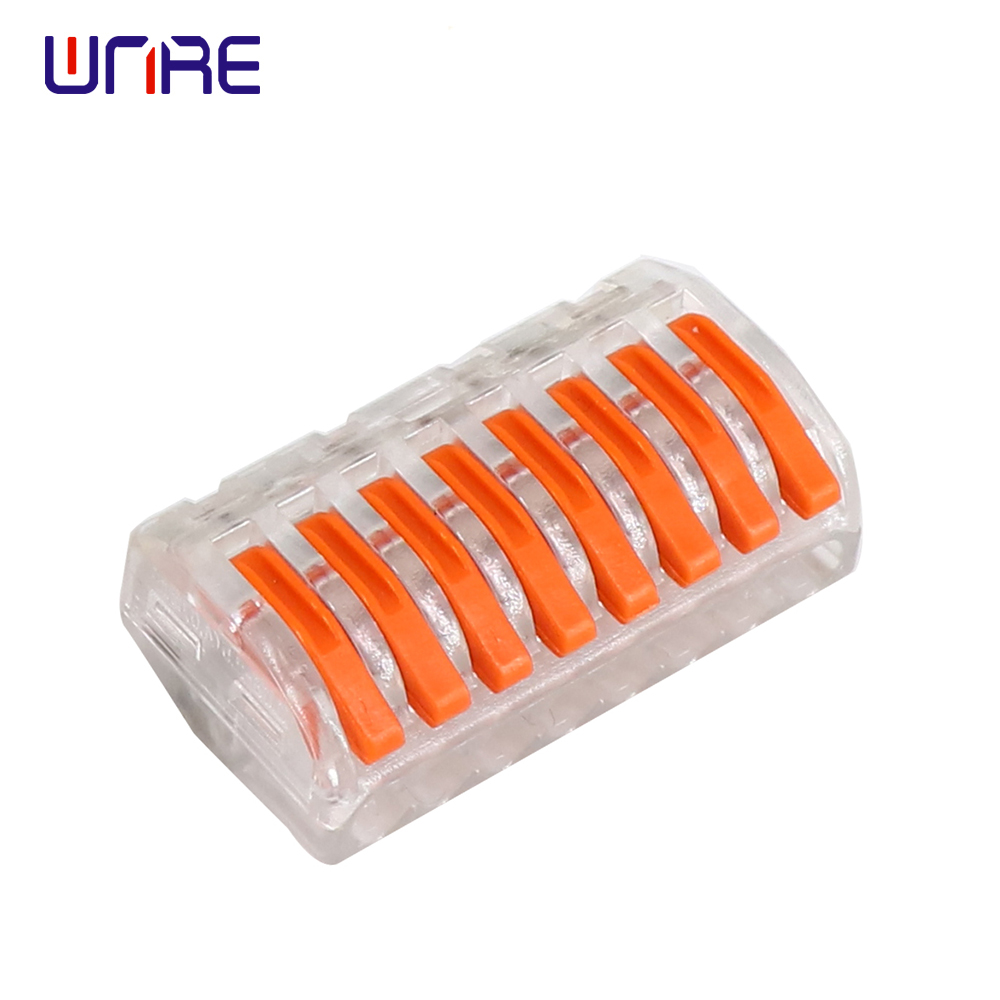
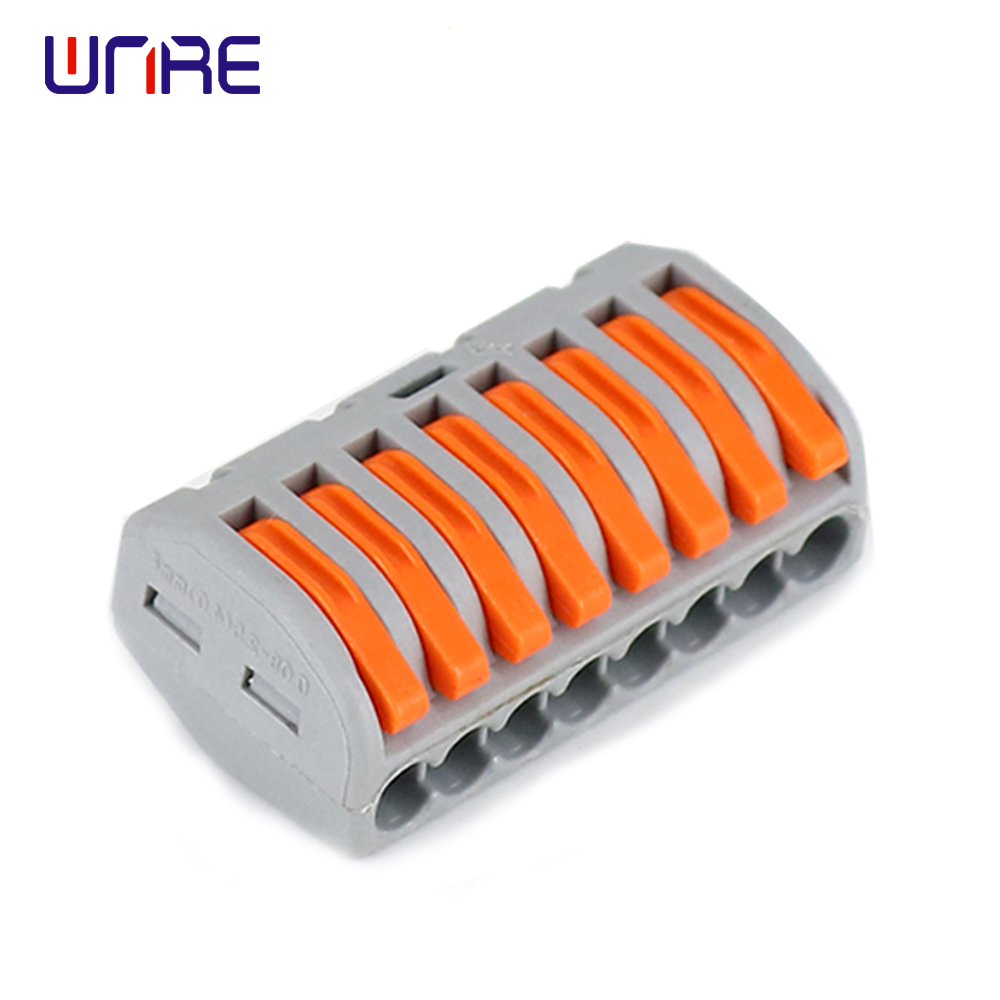
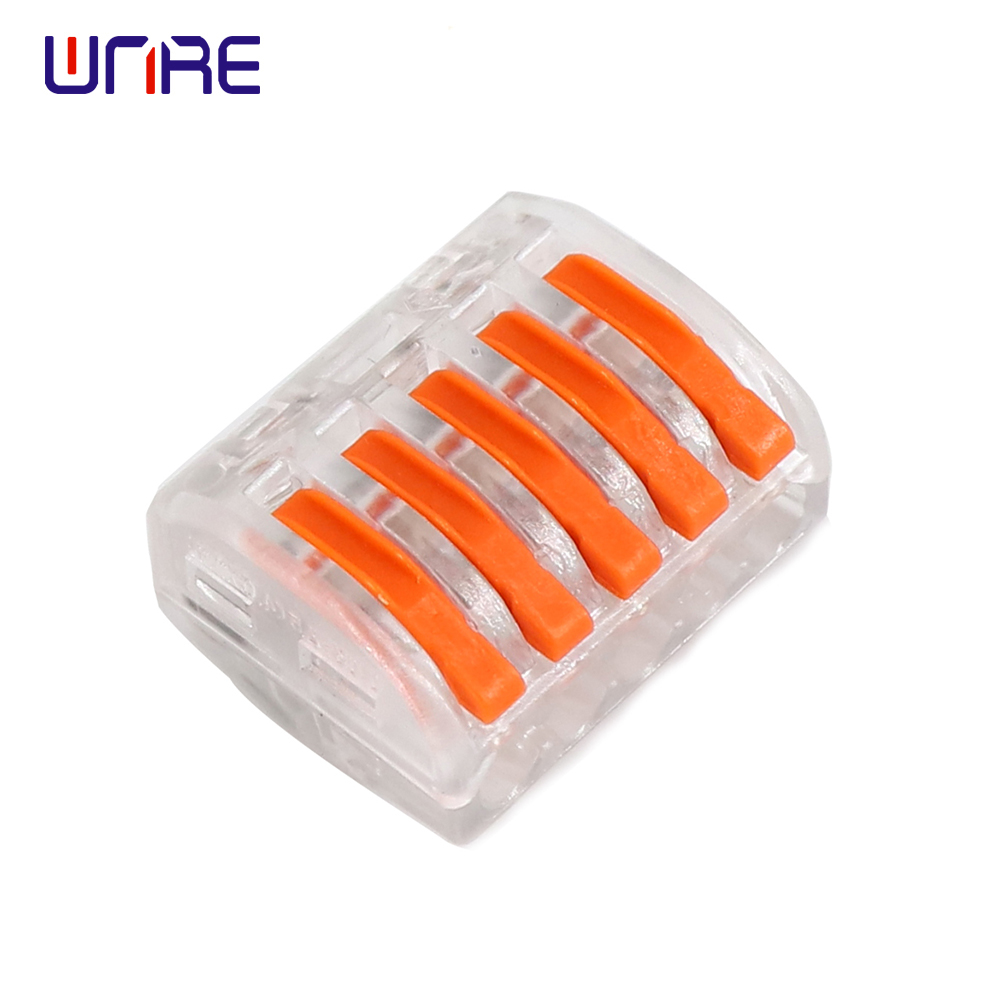
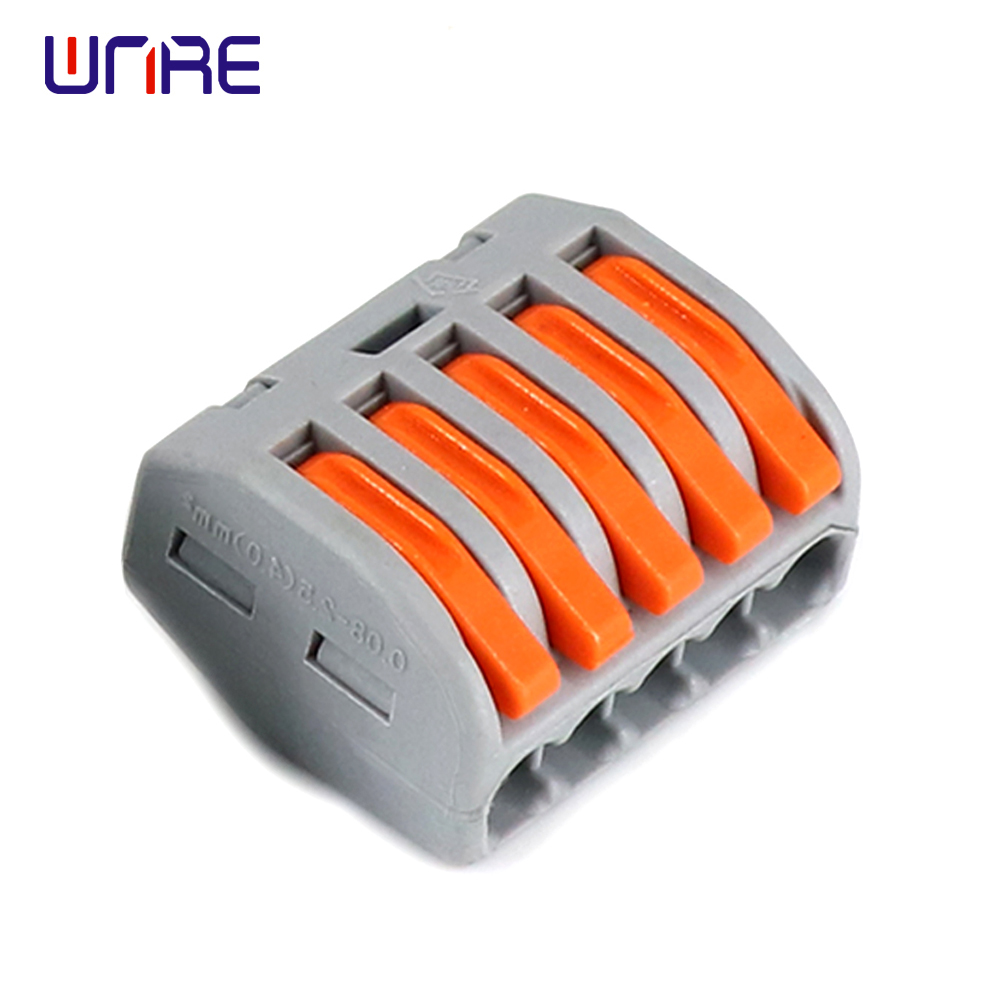
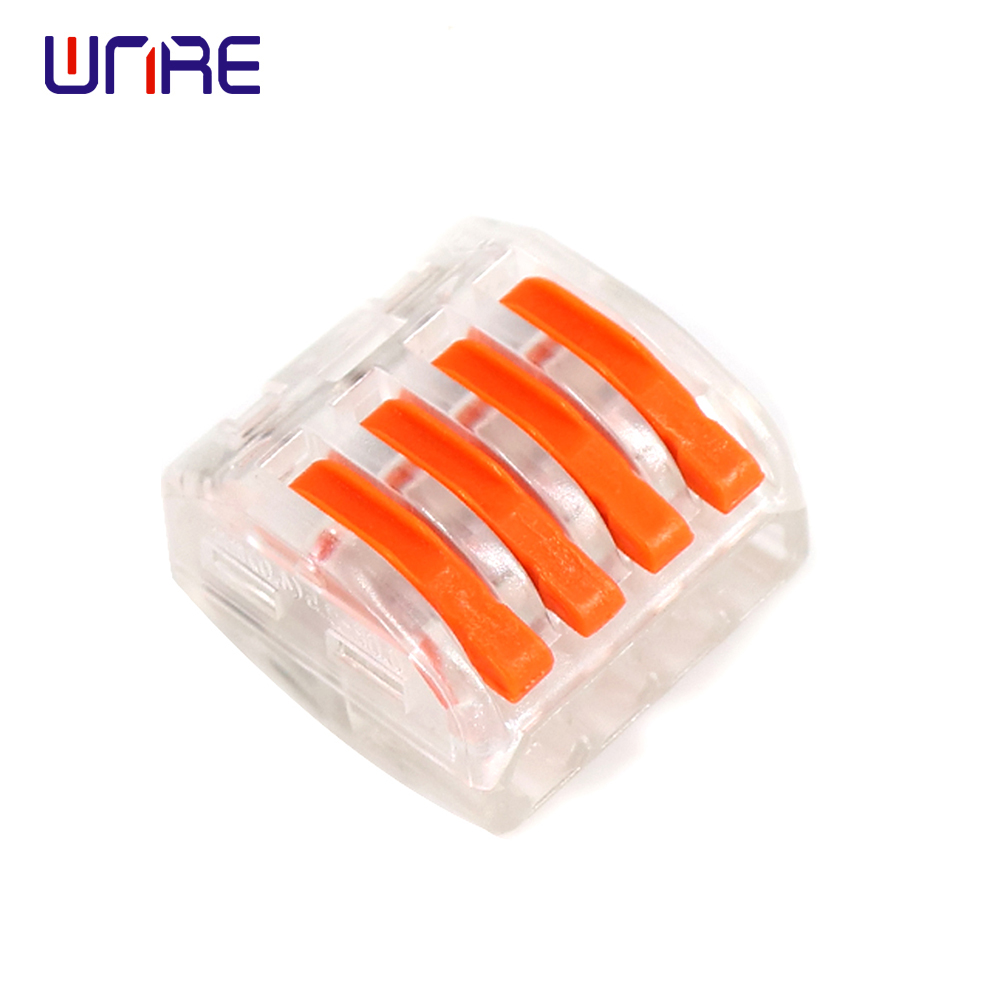
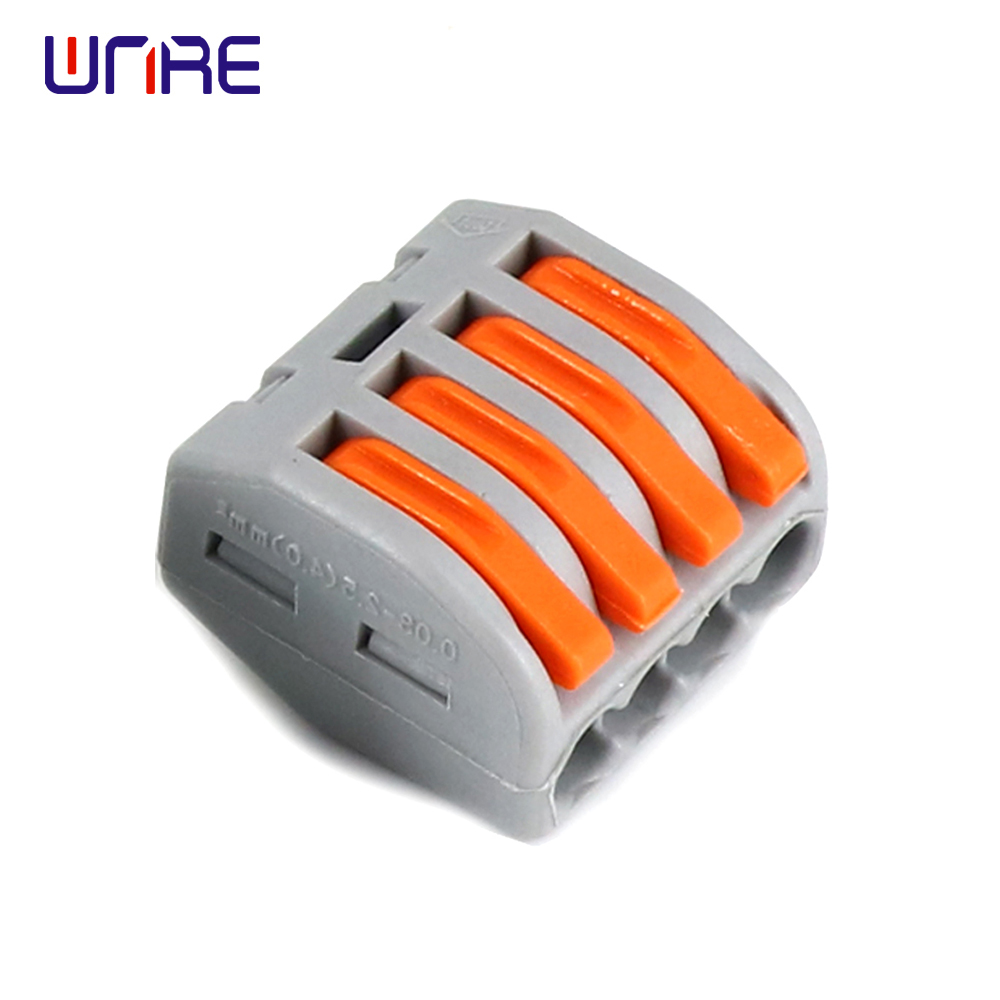
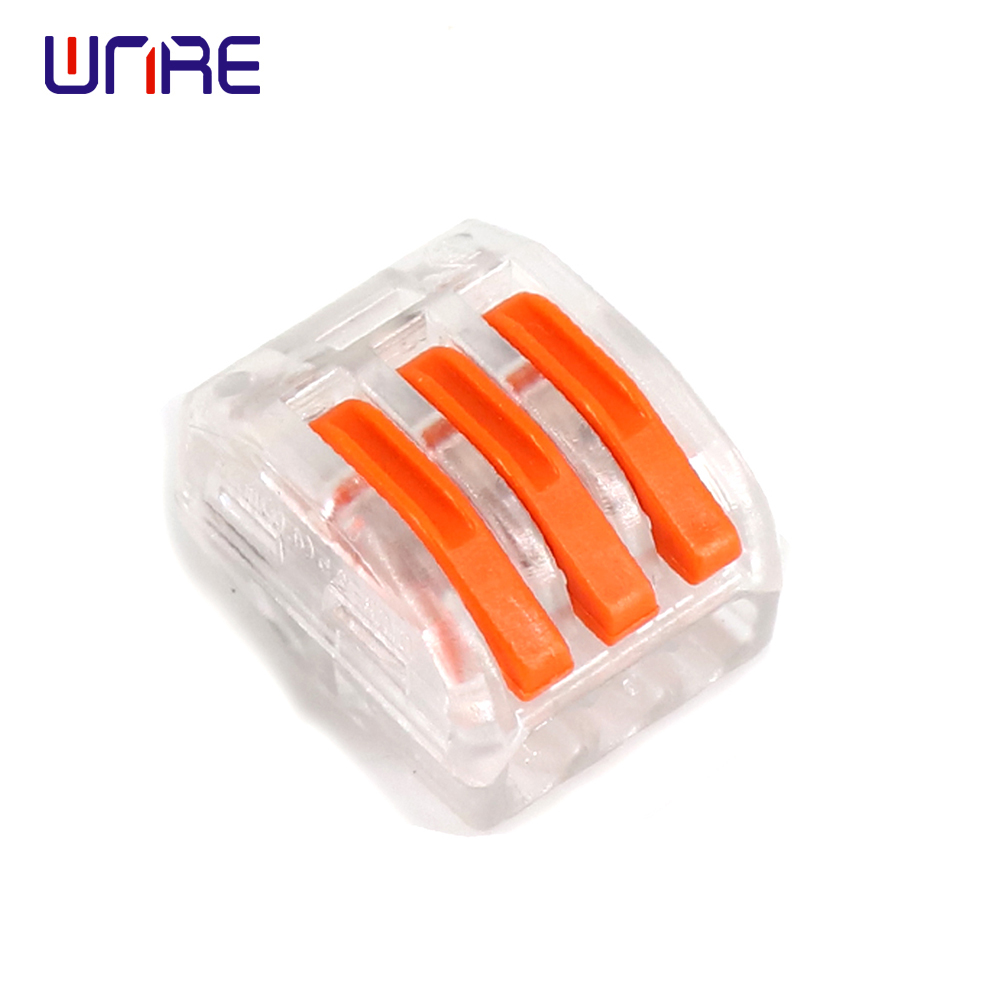
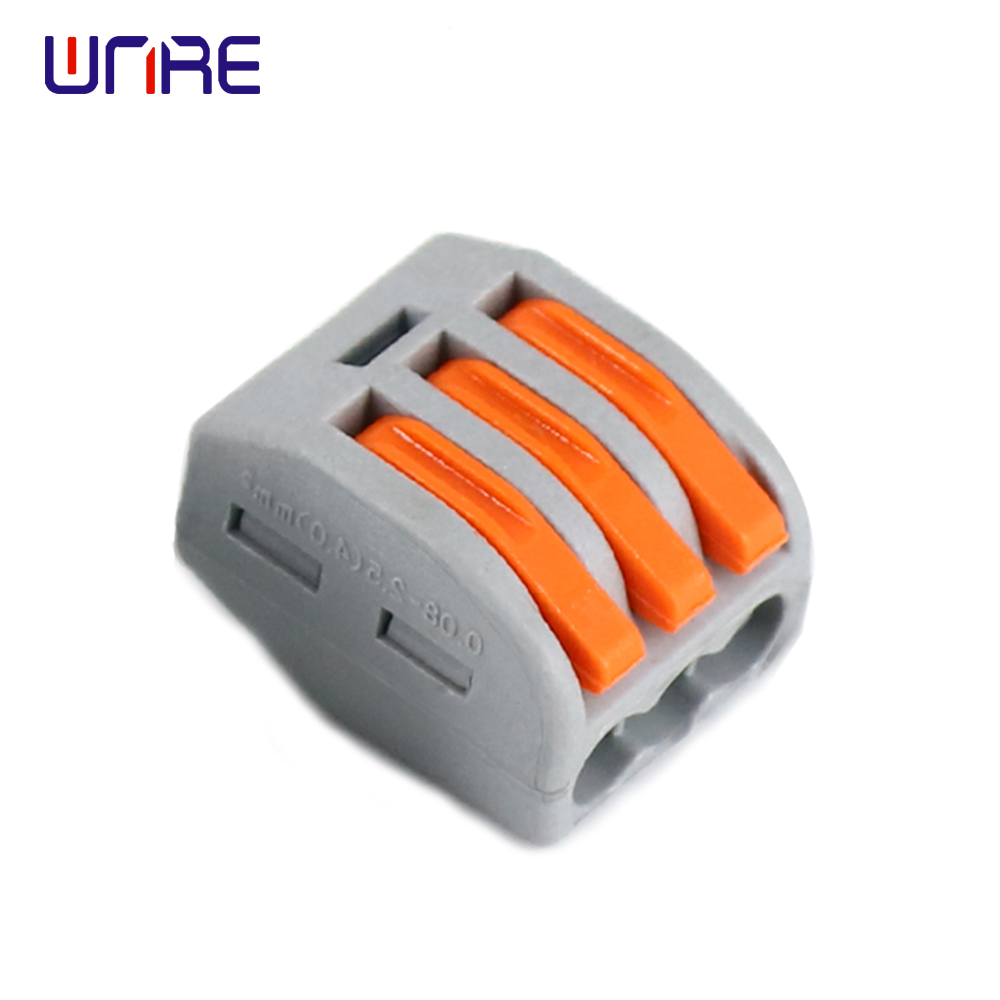
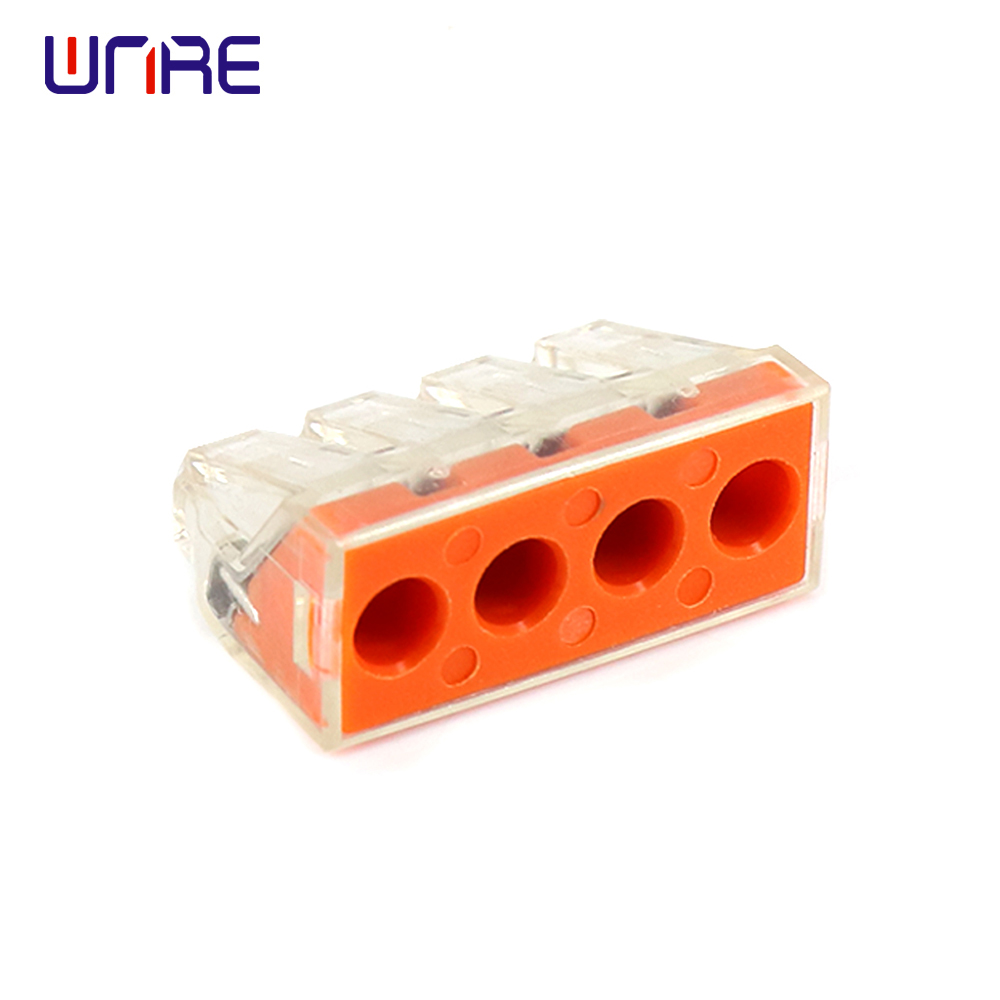
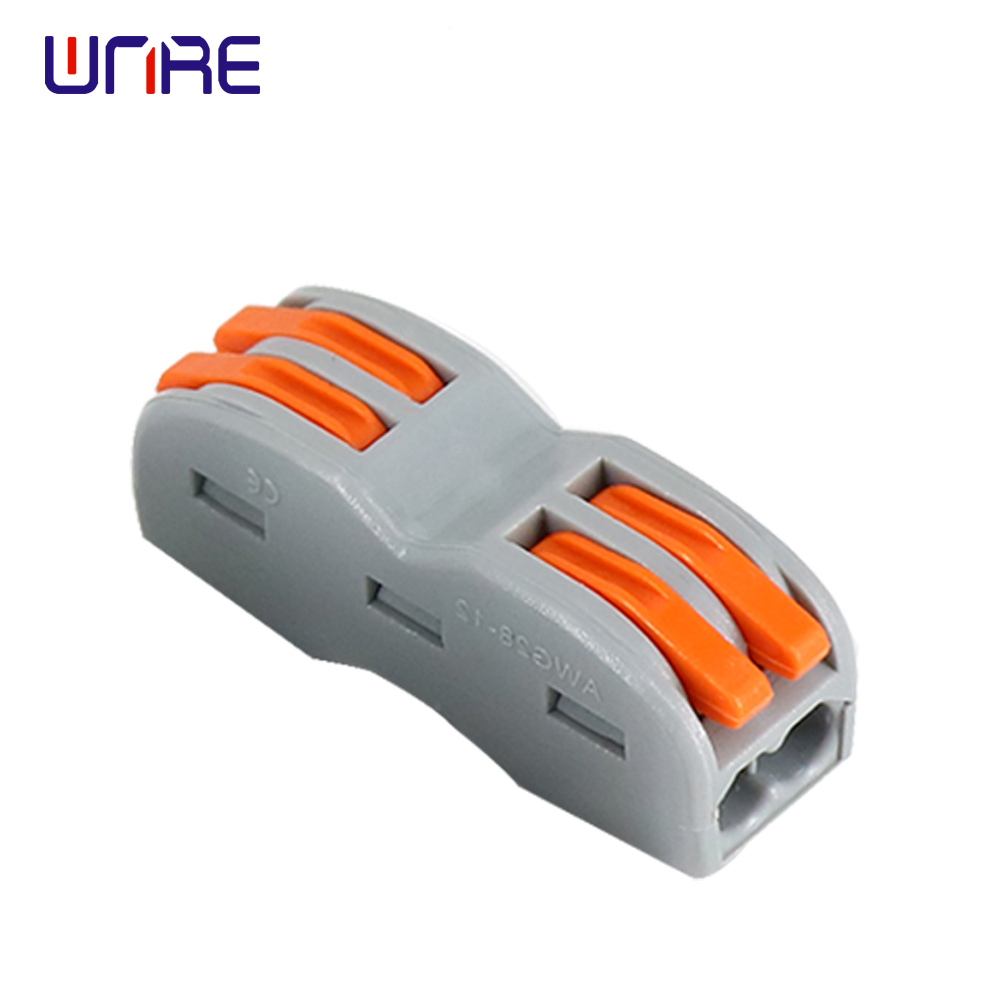
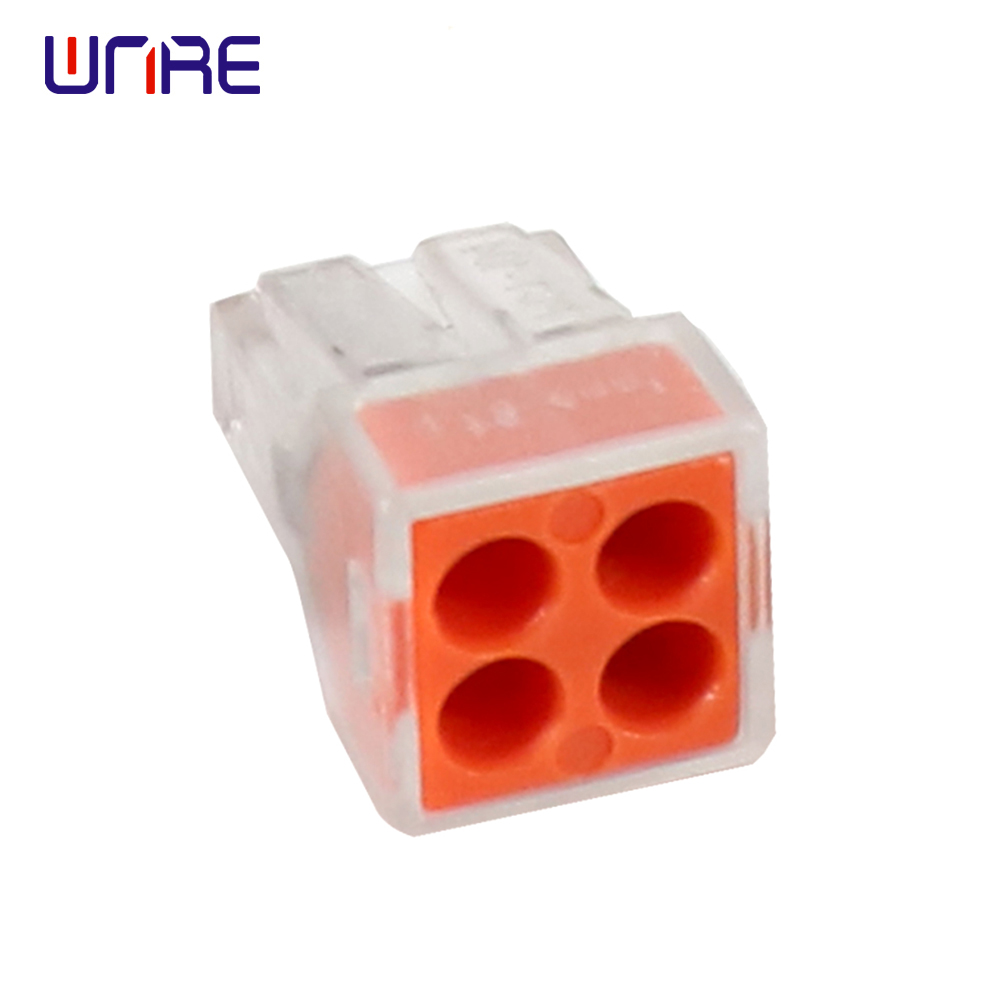
- Harness Lightweighting via Terminal Block Synergy: Discrete push buttons are increasingly wired into compact, spring-actuation terminal blocks (such as the PCT family) within junction distribution modules. These tool-free cage-clamp connectors eliminate manual soldering, mitigate cold solder joint fractures under vibration, and accelerate assembly line cycle times.
About Us: Wellnow Electronic Components Co., Ltd.
Our company has been a professional electronic connectors and precision switch manufacturer since 2004. Headquartered in Yueqing, China—the recognized epicenter of China's electrical apparatus industry—the company operates with a dynamic workforce of more than 200 highly skilled employees. We maintain dedicated manufacturing facilities in Jiangxi Province and specialized commercial and trade operations in Shenzhen.
To maintain a cutting-edge technological vanguard, we collaborate closely with Shenzhen University to develop forward-looking electromechanical components, high-density connectors, and rugged automotive switching interfaces. Our core export markets span Southern Europe, Western Europe, North America, South Asia, as well as a robust domestic automotive OEM footprint.

Strategic Operating Centers
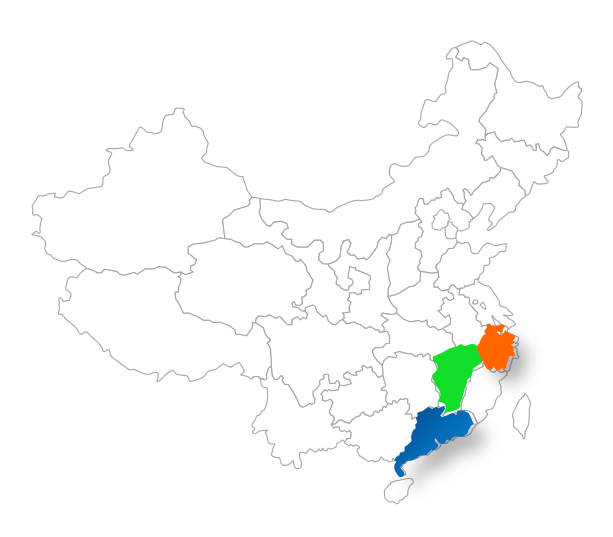
Headoffice (Yueqing)
The headquarters of the company is located in Yueqing, Zhejiang Province, the national electronic and electrical distribution center. The headquarters houses our domestic and foreign trade divisions, core technology research and development department, and high-precision production staging.
Shenzhen Office
Established directly in China's innovation and foreign trade epicenter, our Shenzhen office constantly monitors international automotive market trends, analyzes emerging HMI demands, and feeds real-time customer feedback to corporate headquarters.
Jiangxi Production Plant
Boasting a 5,000 ㎡ advanced manufacturing floor with 200 professional line operators, our Jiangxi branch handles high-volume automated stamping, injection molding, terminal crimping, and automated quality testing. Next phase includes establishing our Yunnan manufacturing branch.
Corporate Mission & Environmental Protection
ChinaWellnow is an enterprise driven by a profound sense of social and environmental responsibility. We are actively committed to continuous optimization across all enterprise activities, goods, services, and ecological sustainability—including biodiversity preservation and toxic substance elimination.
Concurrently, we build unbreakable trust relationships between automotive Tier-1 suppliers, industrial clients, and international business partners. We satisfy our global clientele through technologically advanced switches, competitive factory-direct pricing, rapid delivery cycles, and comprehensive one-stop customer support. It is our enduring mission to boost our customer's commercial competitiveness.
Honor and Certifications
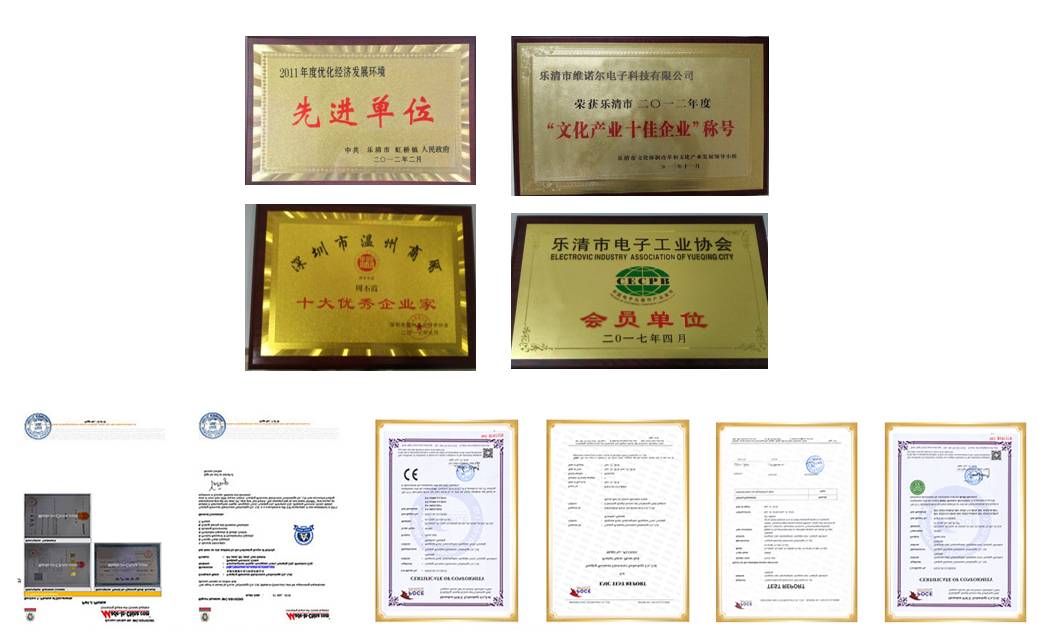
Our factory with its dedicated R&D, product engineering, and quality control departments was certified with ISO 9001:2015 in 2005. Most of our products are fully certified as complying with UL, VDE, and ENEC international safety and performance standards. In technical collaboration with Shenzhen University, we continuously push the boundaries of connector and switch durability.
Video: Precision Assembly & Automated Testing
Witness our advanced manufacturing lines, automated terminal splicing blocks assembly, and stringent electromechanical quality assurance protocols.
PCT Series Compact Lever & Push-In Wire Connectors
Engineered for tool-free, high-vibration automotive wiring junction boxes, auxiliary light assemblies, and modular switch harness branching.
Original Hardware & Automotive Circuit Accessories
Complete overview of precision DC jacks, high-current crocodile power connectors, fuse blocks, and multi-gear switch modules manufactured by Wellnow.
Electric bicycle three-gear double-flash headlamp horn repair three-gear handle toggle switch accessories
Explore Item
Power Magnetic Connector pogopin plug-in charging socket
Explore Item
DC038 Dual-hole female connector DC power jack DC-038 Laptop plugs and sockets
Explore Item
BS-005 Insurance Tube Socket Cylindrical 5*20mm Tube Fuse Holder Made In China
Explore Item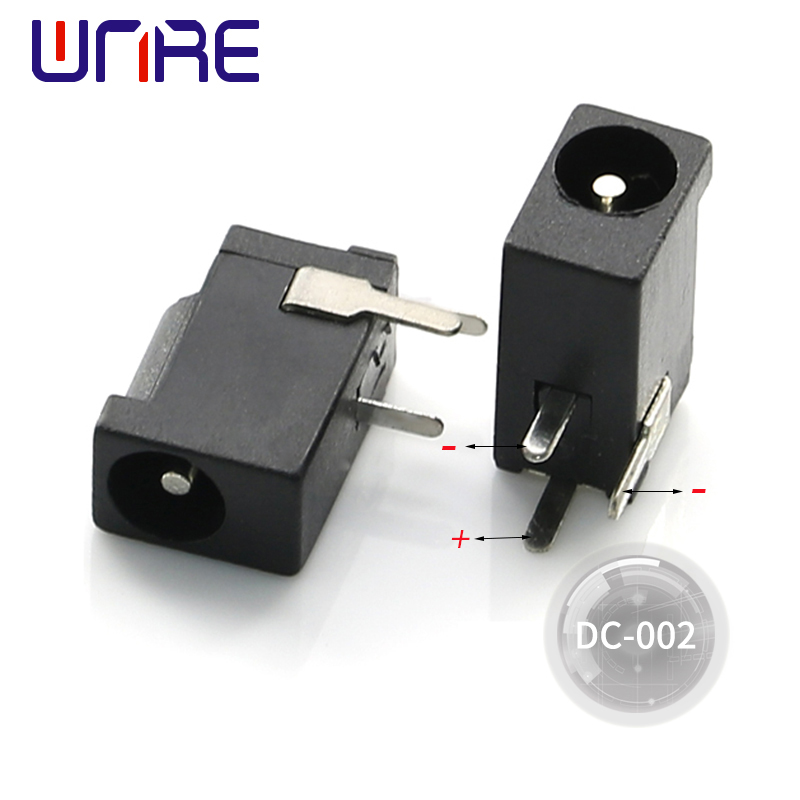
DC-002 0.3A 50V Black DC Power Jack Socket Connector
Explore Item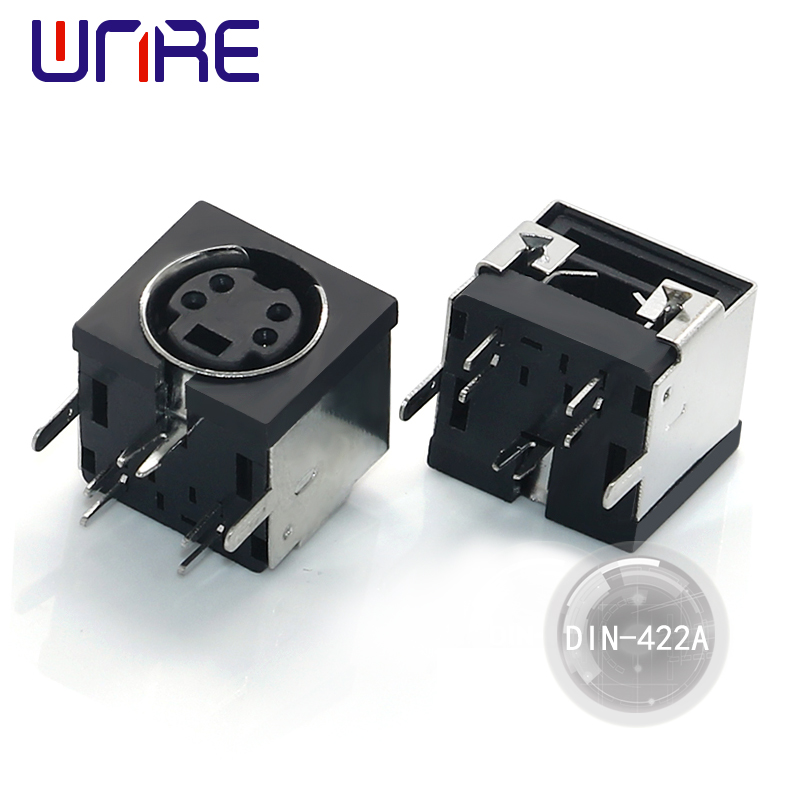
Wholesale DIN-422A S-Video Connectors Terminal Adapter Sockets S Terminal Mini DIN Connector Electrical Connector
Explore Item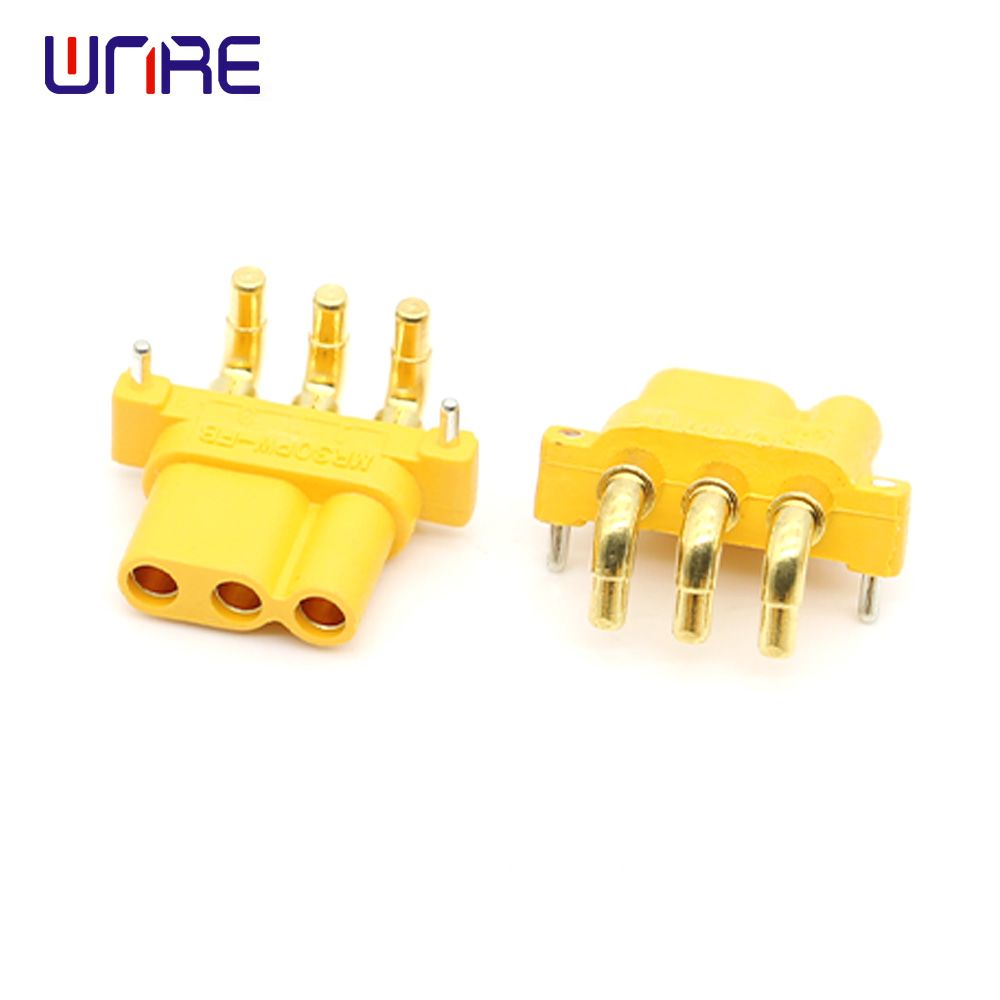
MR30PW-F Connector Plug With Sheath For RC Multicopter Airplane
Explore Item