- Mobile Phone
- +86 13736381117
- info@wellnowus.com
Essential Key Switches & Connectors for Electronic Prototypes
Engineered for high duty-cycle testing, solderless breadboards, and rapid circuit evaluation.
Engineering Key Switches for Modern Electronic Prototyping
Technical benchmarks, industrial evolution, and tactical design integration for next-generation hardware developers.
In the high-speed realm of hardware development, the key switch for electronic prototypes acts as the critical tactile bridge between human operator intent and low-voltage digital microprocessor control. Whether building proof-of-concept (PoC) Internet of Things (IoT) nodes, ruggedized industrial automation Programmable Logic Controller (PLC) consoles, medical diagnostic instruments, or next-generation automotive dashboards, selecting the appropriate electromechanical key switch topology directly dictates operational ergonomics, testing repeatability, and electrical signal fidelity.
Tactile Actuation Profiles
Precisely calibrated snap-action springs with tactile force ranges from 60gf to 350gf, ensuring unambiguous human sensory confirmation during iterative testing.
Low Contact Resistance
Gold-flashed and silver-nickel alloy contact points maintain contact resistance below 30mΩ across hundreds of thousands of test switching cycles.
IP67 Environmental Sealing
Integrated silicone elastomer membranes and ultrasonic-welded housing protect delicate internal leaves from flux residue, solder splatter, and field dust.
Modular Breadboard Pitch
Engineered with standard 2.54mm (0.1") pin center spacing and SMD solder pads for frictionless breadboard staging and automated SMT reflow lines.
The global market for electromechanical switches in prototyping has transitioned from rudimentary through-hole momentary buttons to intelligent, multi-function switching arrays. In modern electronic design laboratories, engineers no longer treat key switches as passive mechanical peripherals; they are integrated components in impedance-matched sensor buses. The rise of edge AI computing and rapid agile hardware methodologies demands rapid iteration cycles. Component suppliers must deliver switches with consistent force-displacement curves, extreme solder heat resistance (up to 260°C for lead-free wave soldering), and miniature footprints (e.g., 3.0x2.0mm to 12.0x12.0mm form factors) to accommodate shrinking printed circuit board (PCB) real estate.
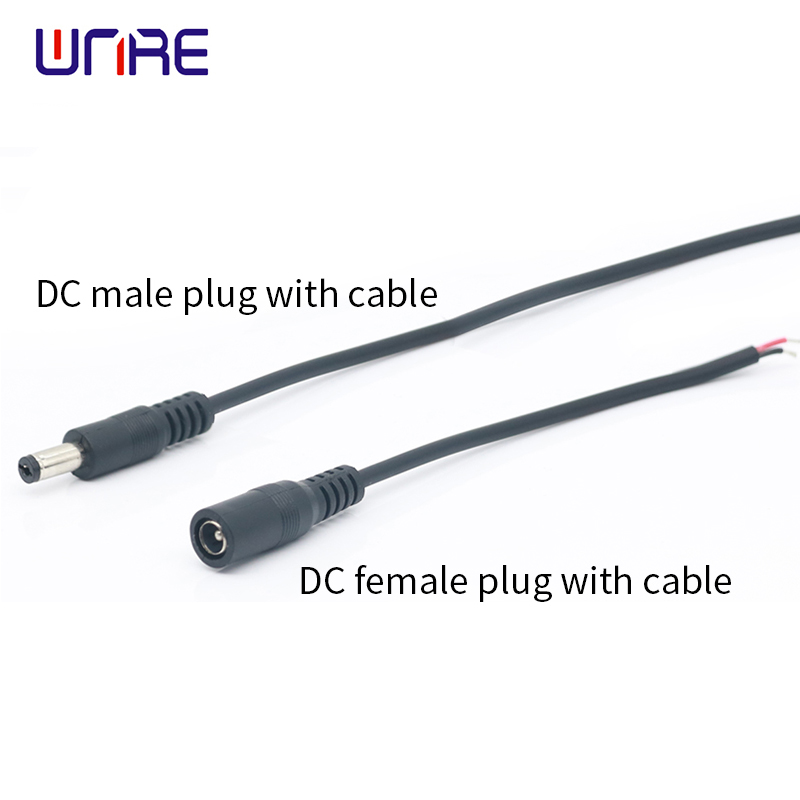
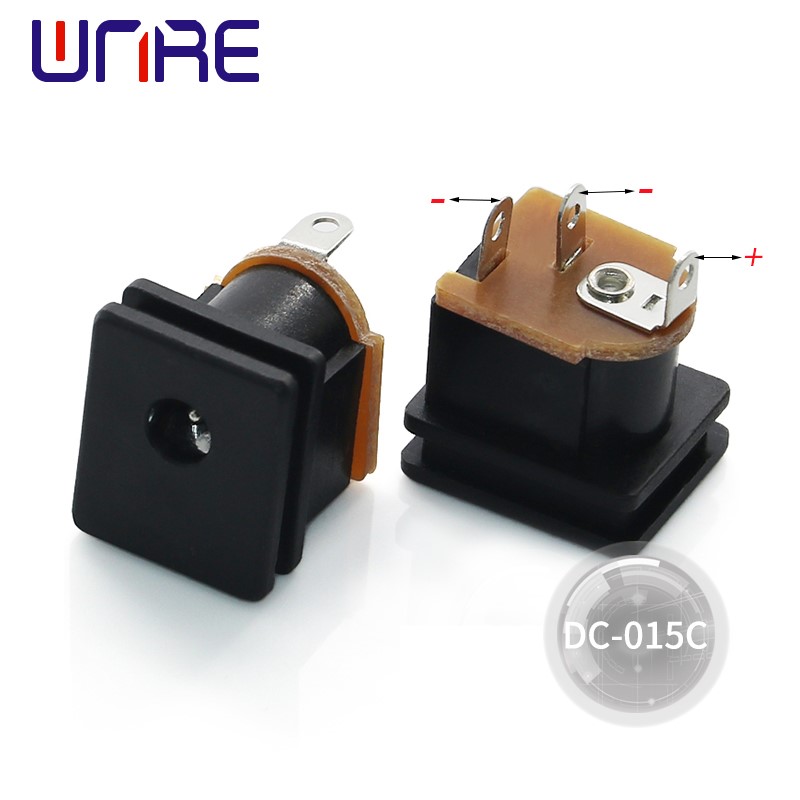
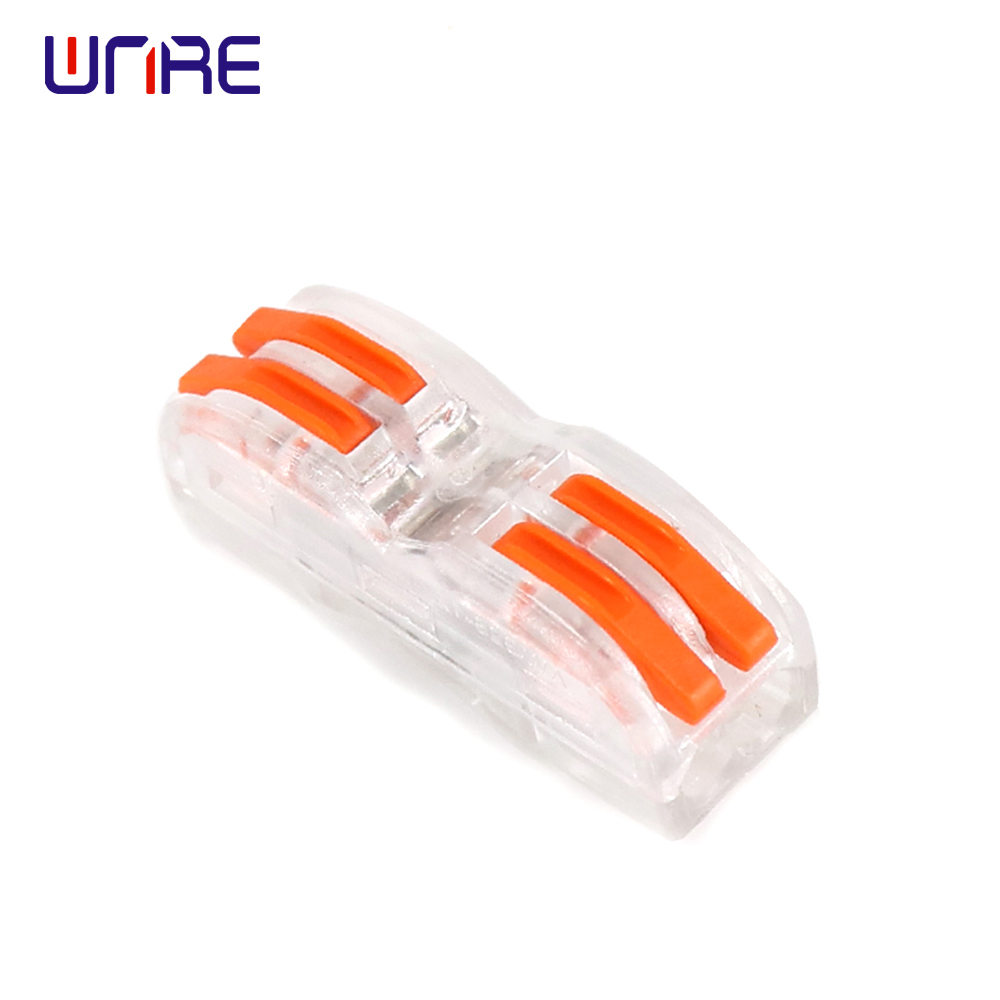
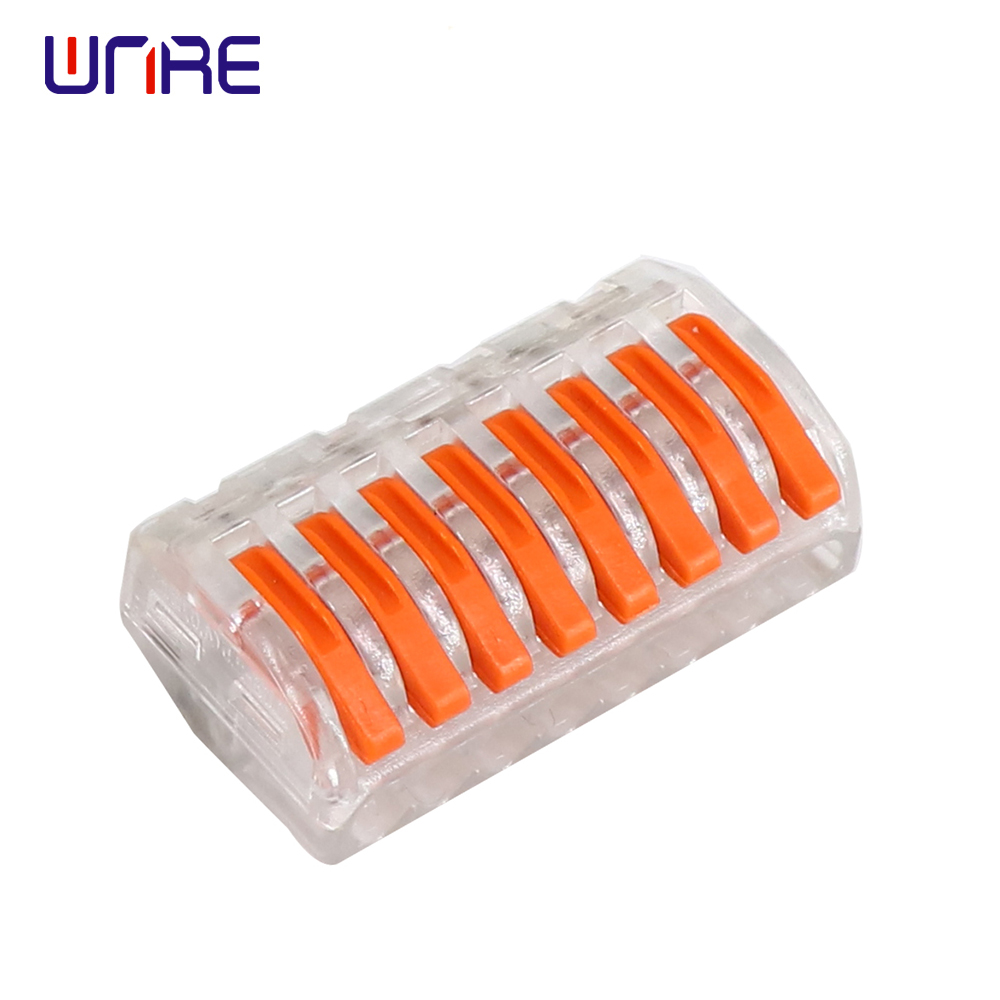
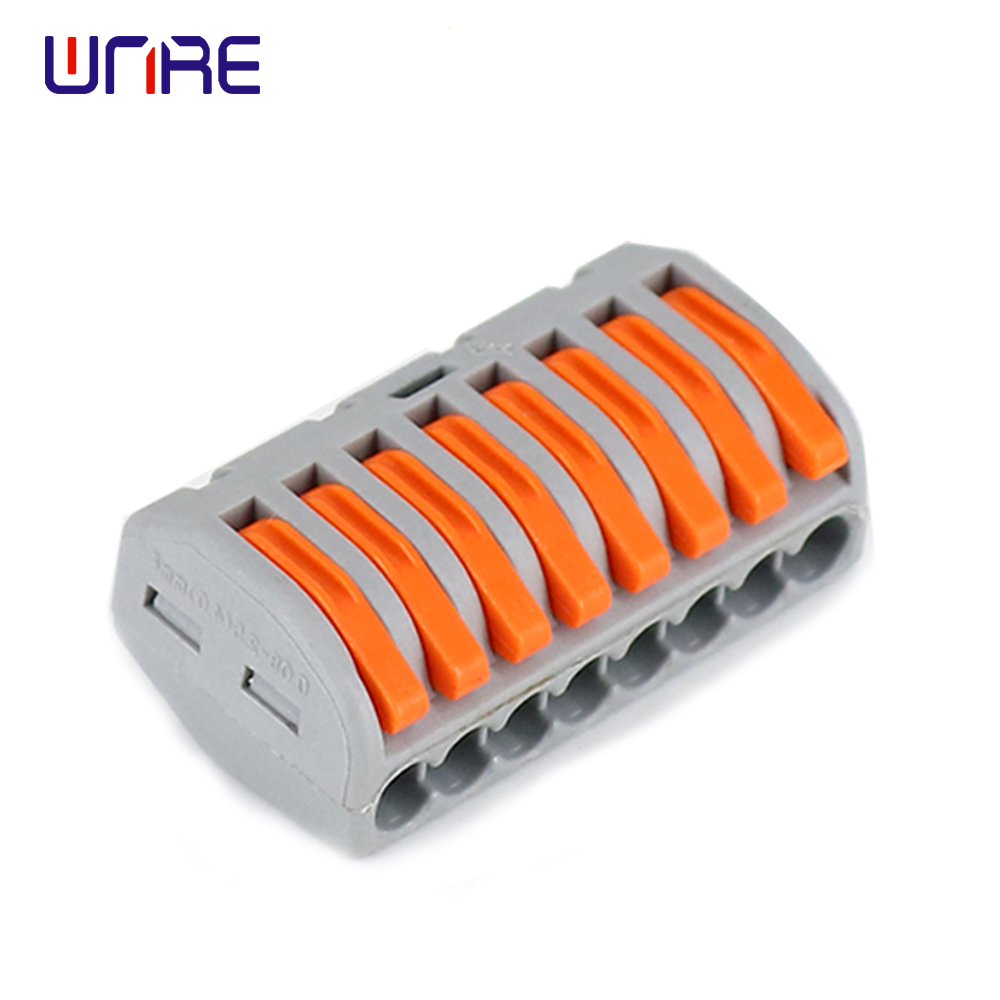
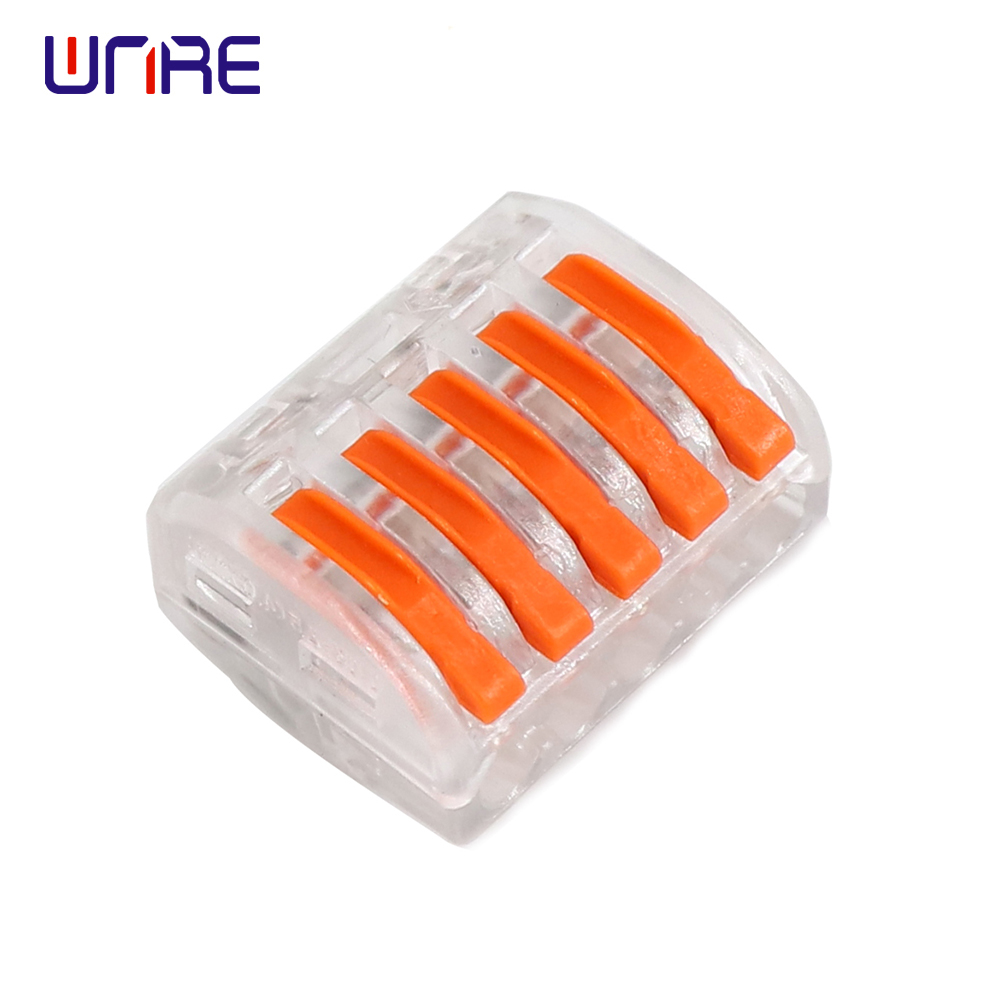
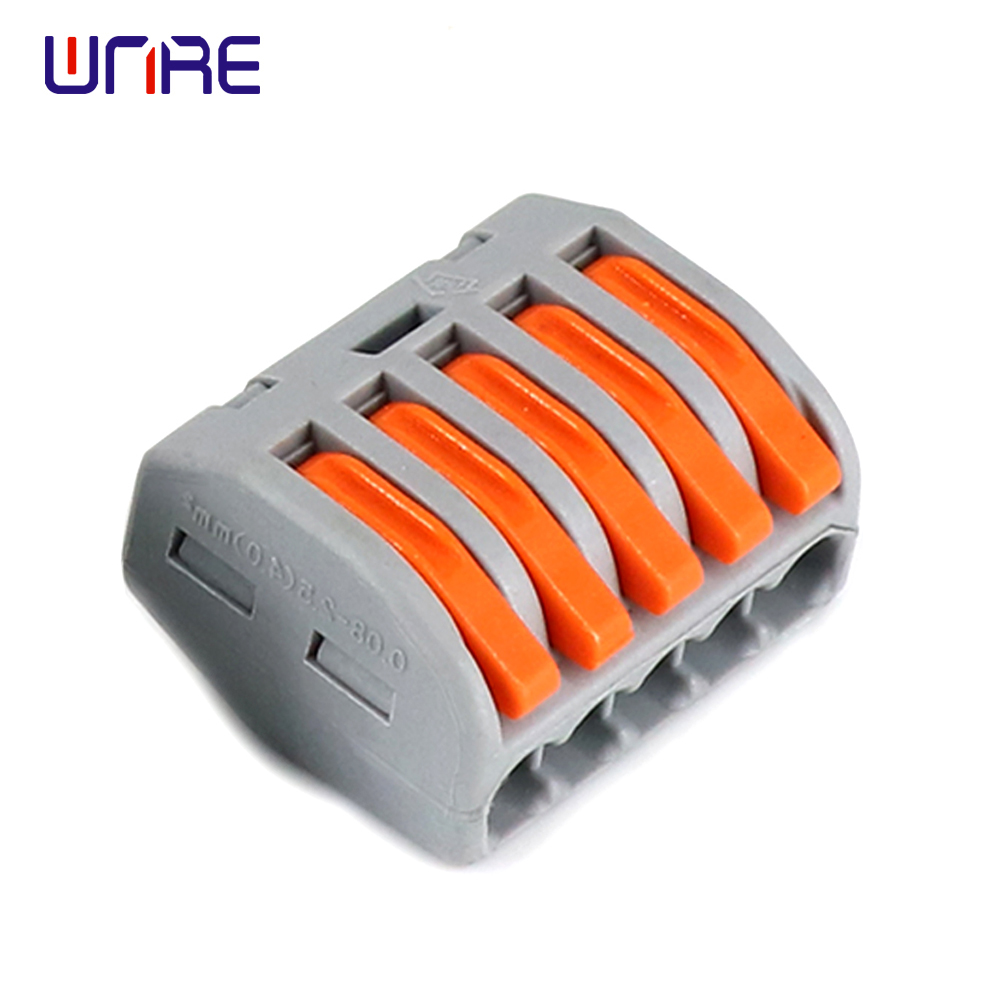
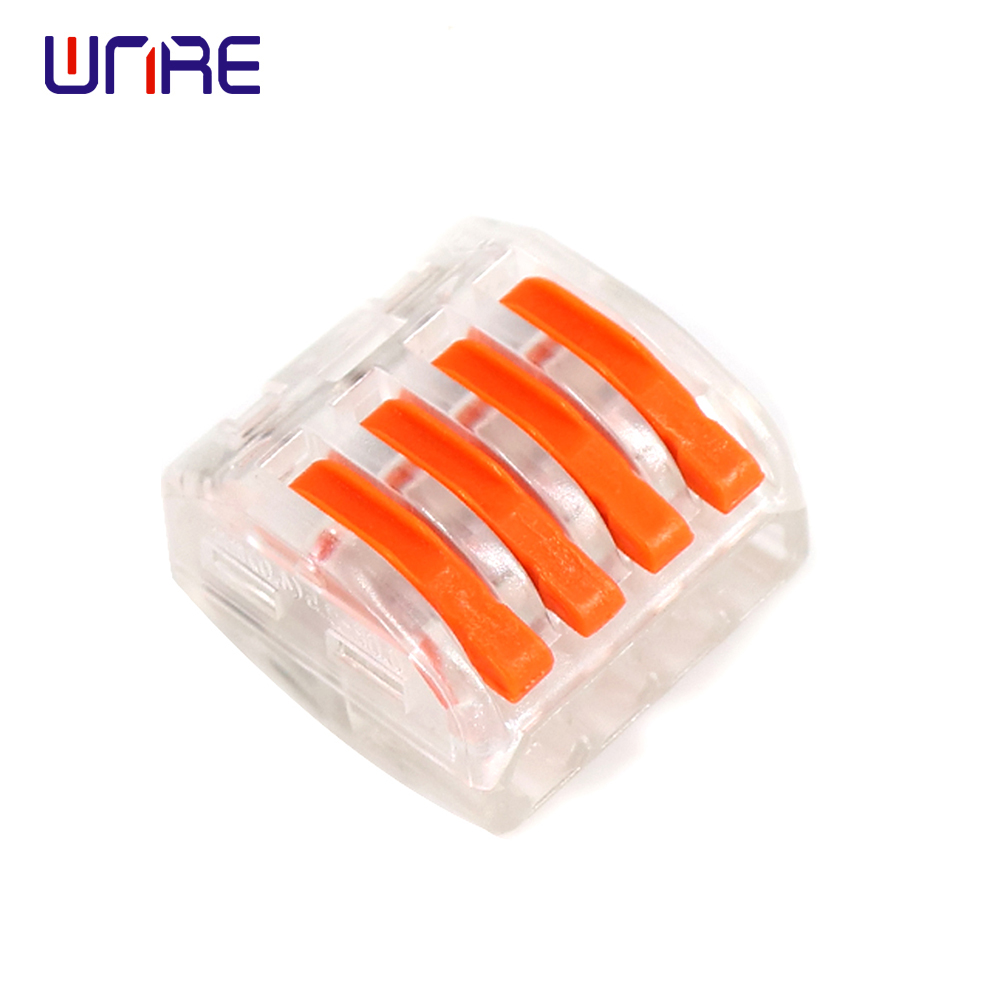
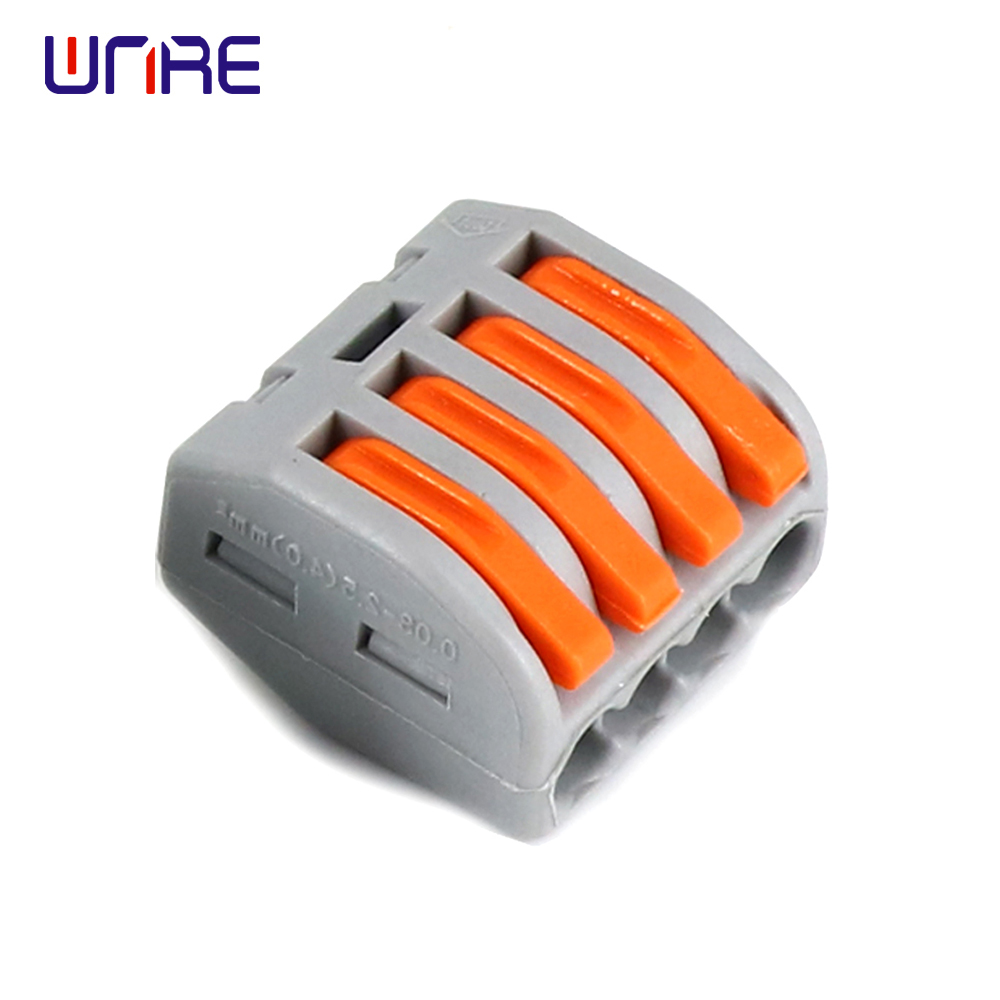
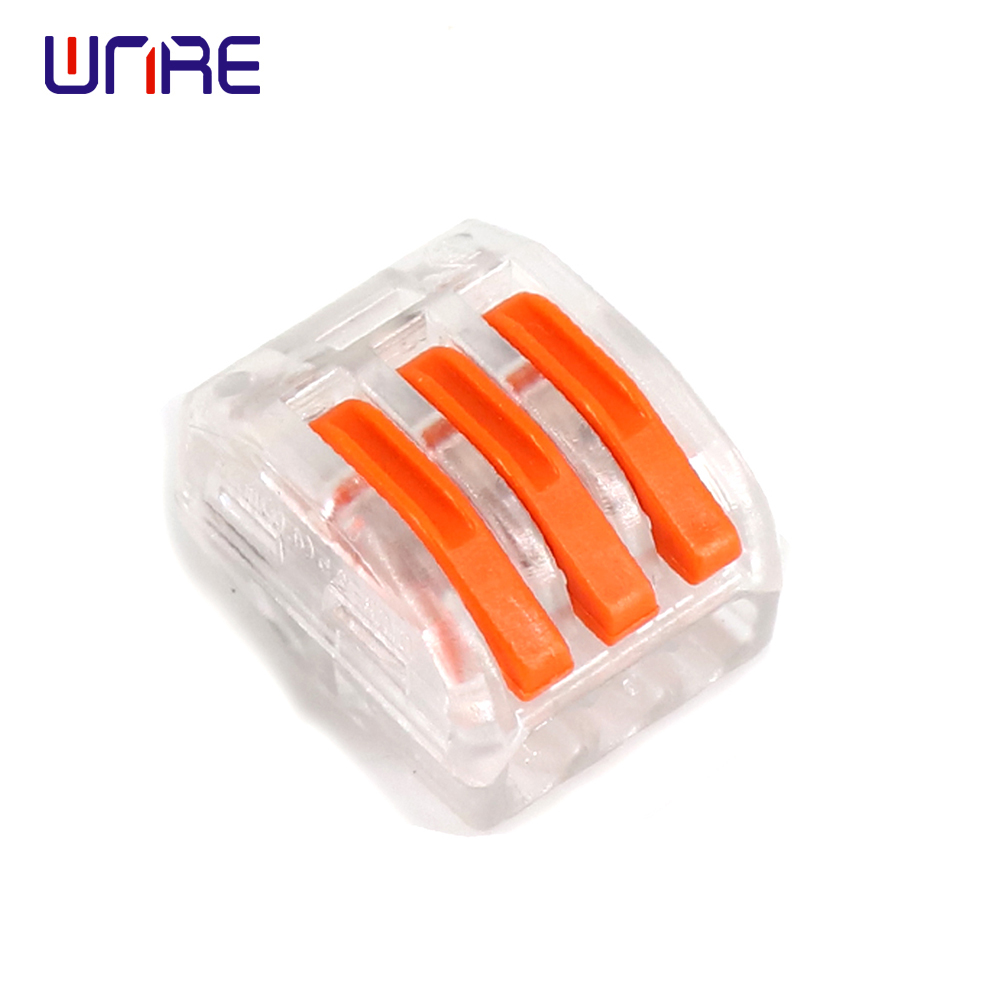
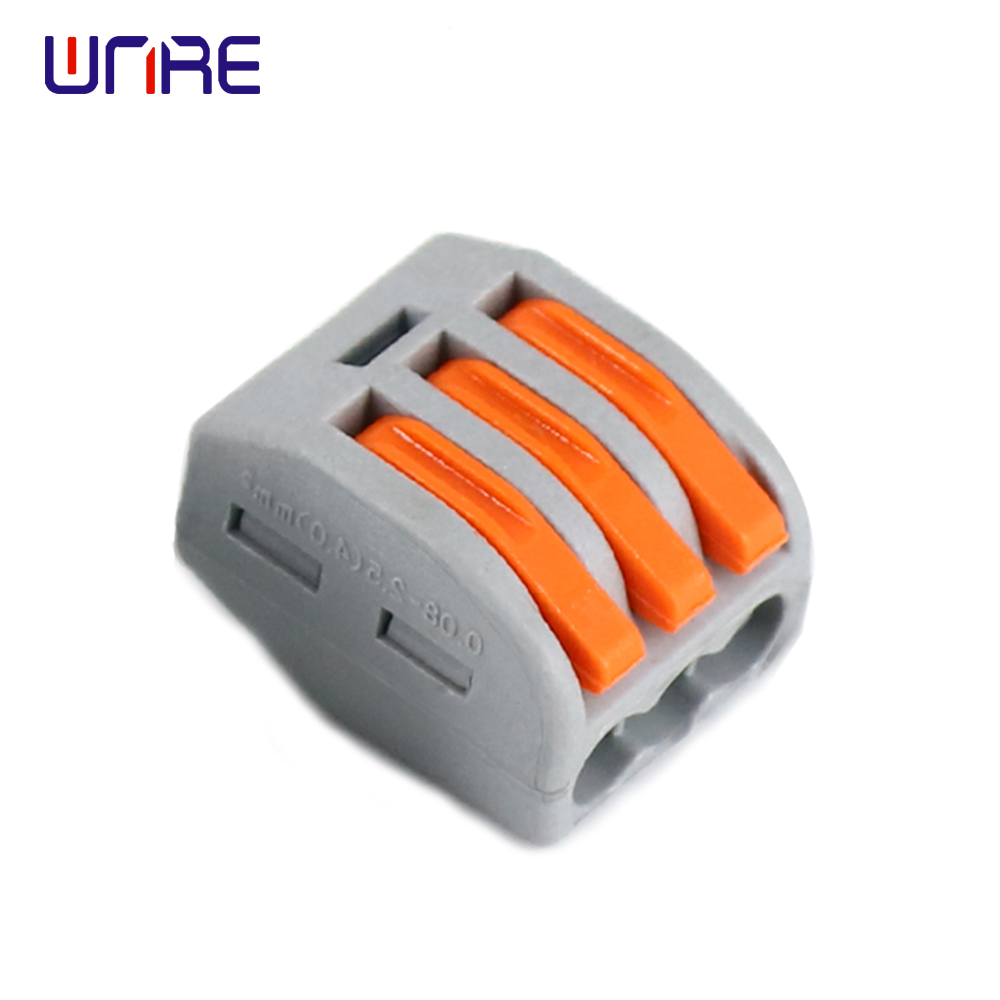
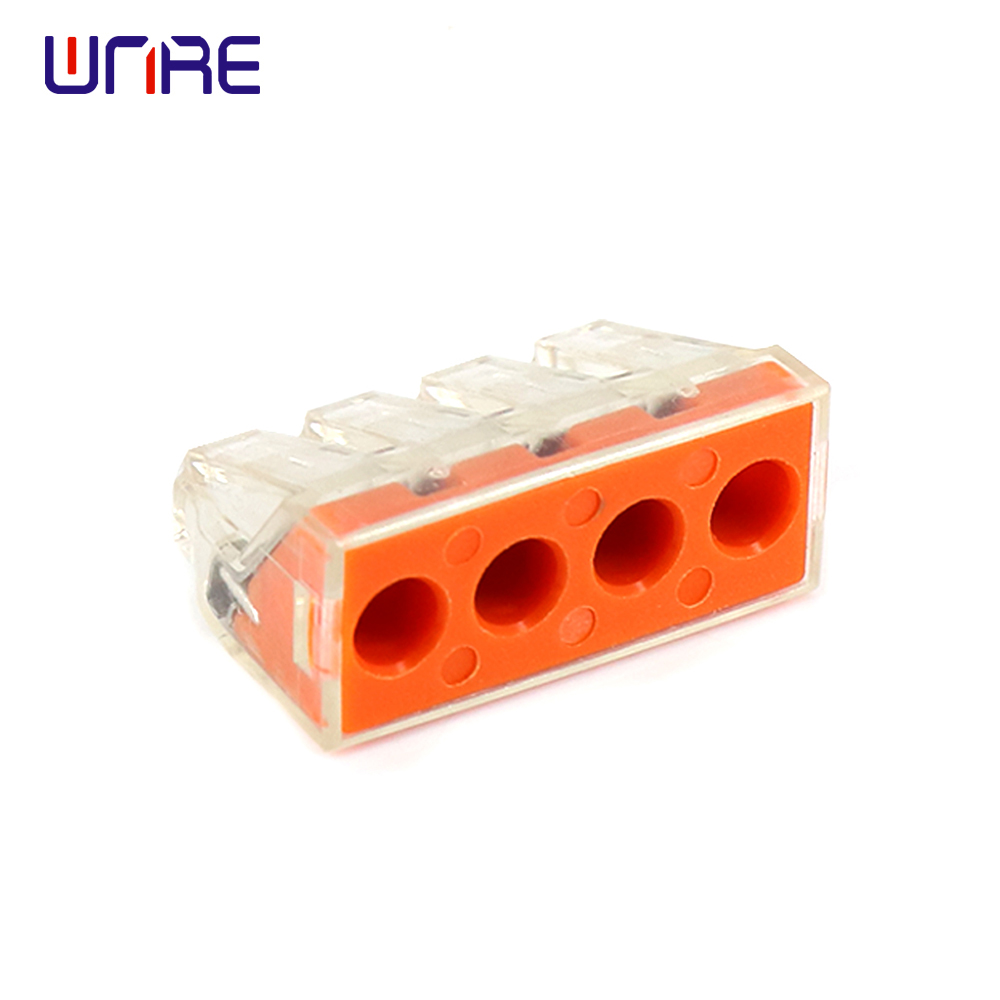
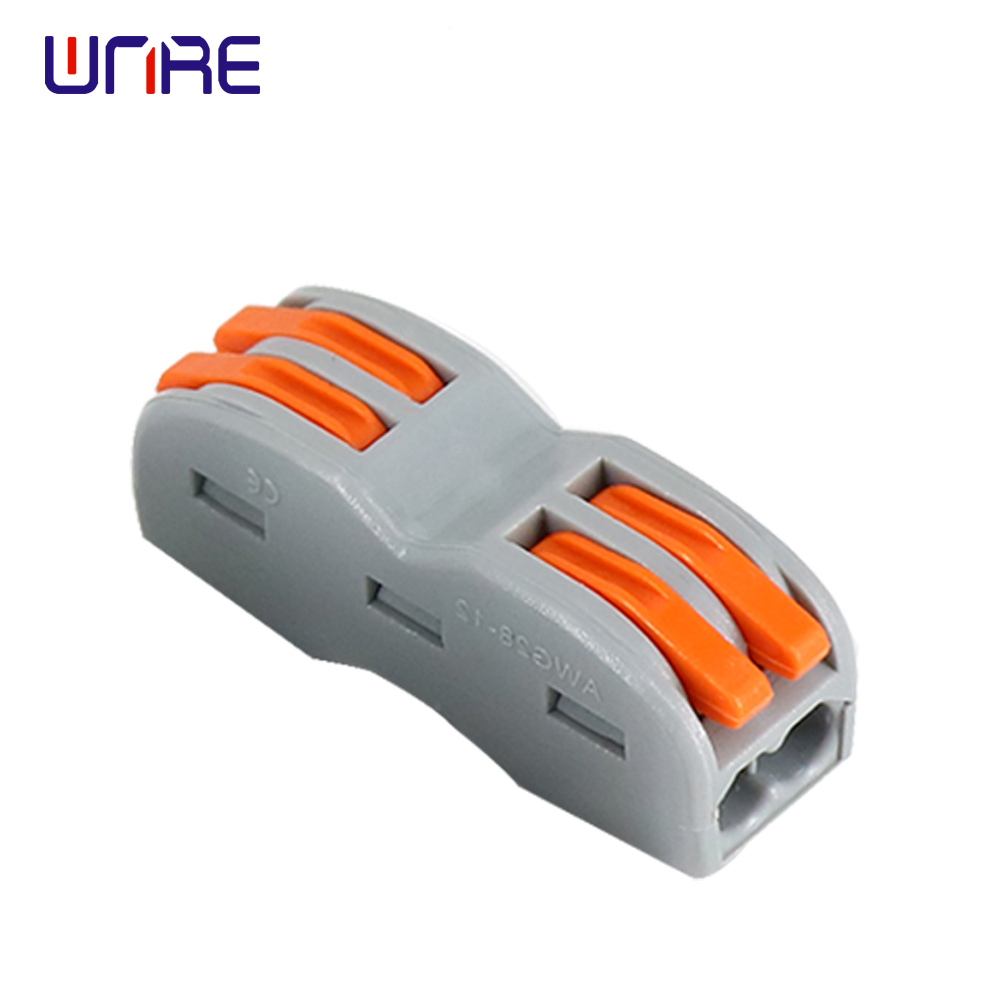
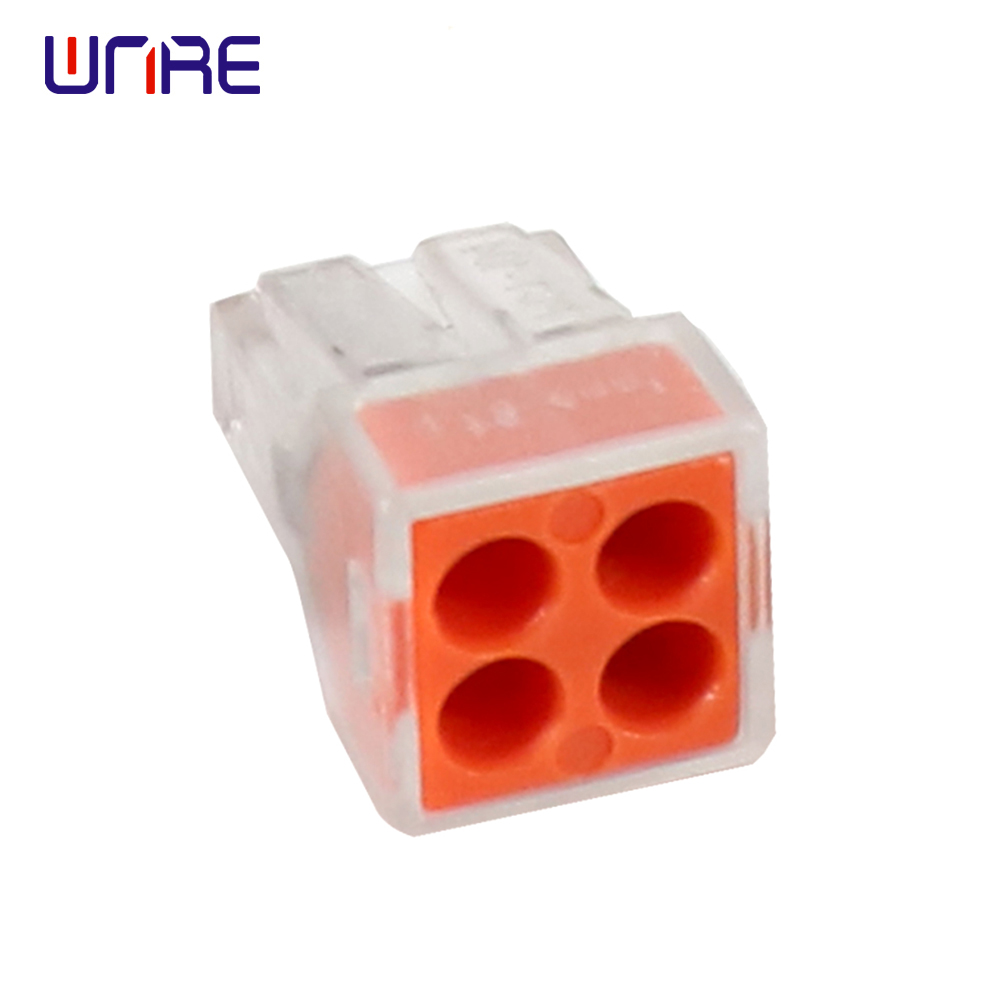
Furthermore, commercial prototyping workflows increasingly incorporate universal terminal block wire connectors (such as the PCT Series lever nuts) and modular multi-pin DC connectors. This modular synergy enables hardware engineers to construct, rewire, and re-instrument complex test benches in minutes rather than hours, avoiding destructive desoldering cycles while safeguarding microcontrollers like ARM Cortex, ESP32, and RISC-V development platforms.
During the prototyping phase, the electrical characteristics of a key switch encounter distinct challenges. Switch contact bounce (chatter)—the physical oscillation that occurs when metallic contacts close under spring tension—typically lasts between 1ms and 5ms. In rapid digital polling environments, contact chatter can manifest as multiple false trigger events. High-precision prototype switches mitigate bounce using cantilevered bronze beryllium contacts and gold plating, reducing initial bounce duration to under 1.5ms. When paired with standard RC hardware debounce networks (e.g., 10kΩ pull-up with 100nF ceramic capacitor) or state-machine firmware filtering, these switches ensure pristine square-wave transitions for interrupt-driven microcontrollers.
Deep-Dive Application Scenarios for Prototype Key Switches
Analyzing key switch integration across mission-critical electronic architecture and high-reliability prototypes.
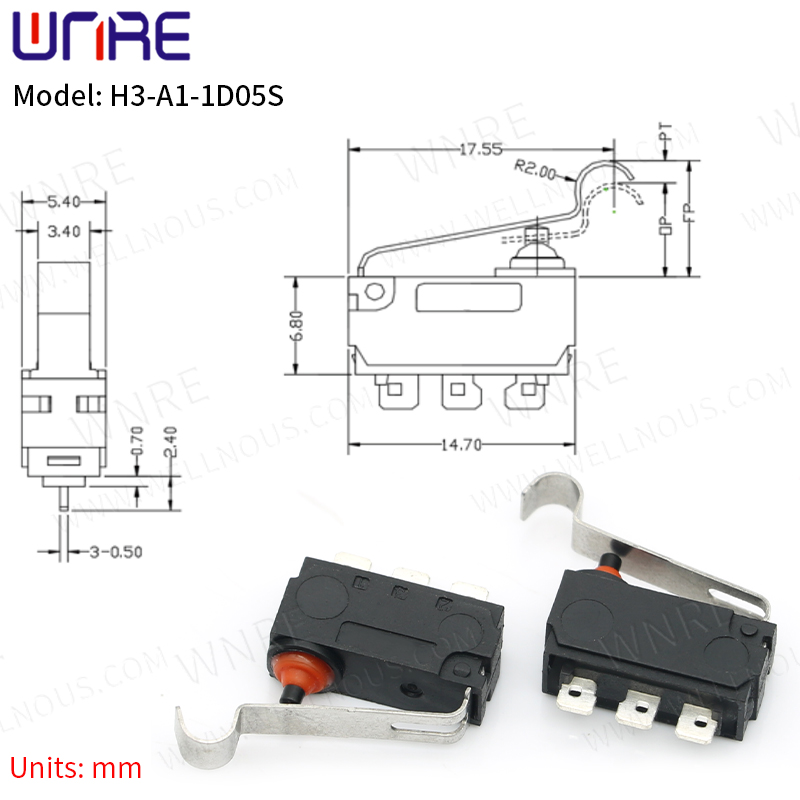
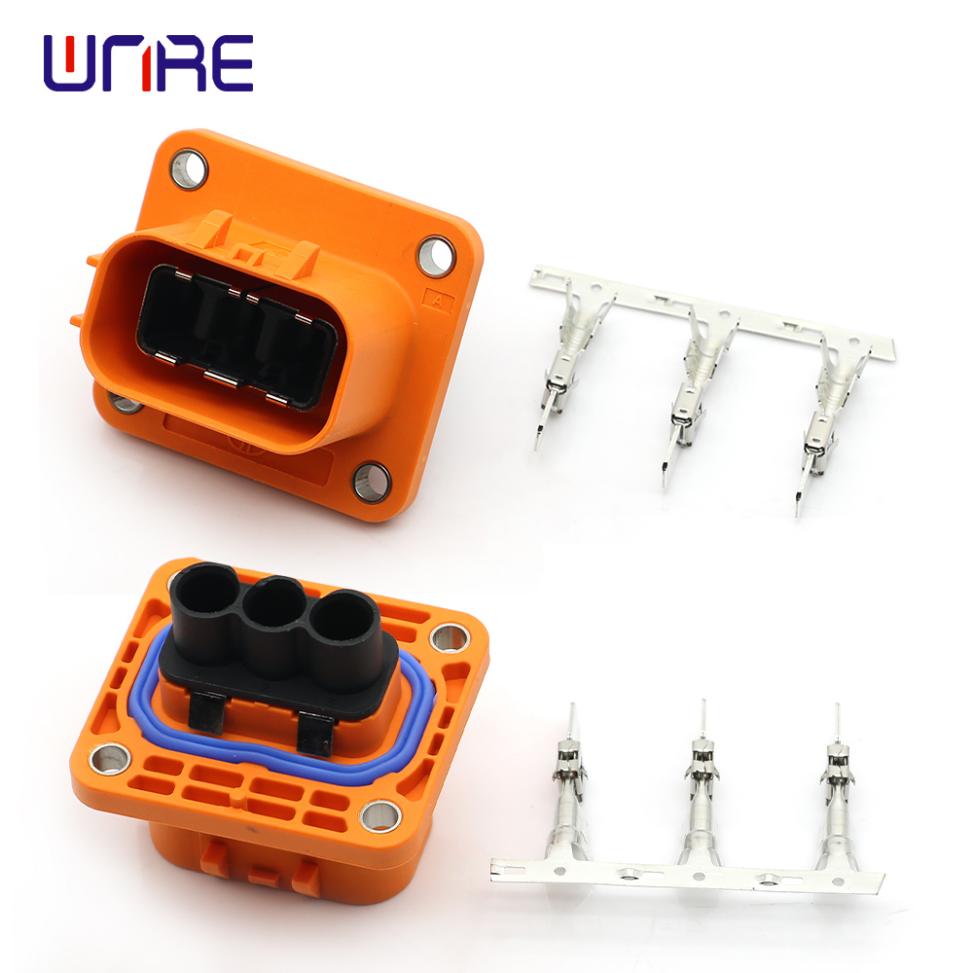
In industrial automation prototyping, operator safety and unmistakable tactile feedback are paramount. Engineers building prototype teach pendants, CNC operator panels, and robotic arm override systems integrate heavy-duty micro switches (such as the H3-A1-1D05S Waterproof Micro Switch) alongside multi-pole terminal junctions. These switches undergo rigorous cyclic stress testing to withstand harsh vibration, dielectric breakdown up to 1000V AC, and corrosive industrial oils.
The combination of high tactile resistance (ensuring deliberate activation) and self-resetting spring dynamics prevents accidental machine cycles during prototyping test runs.
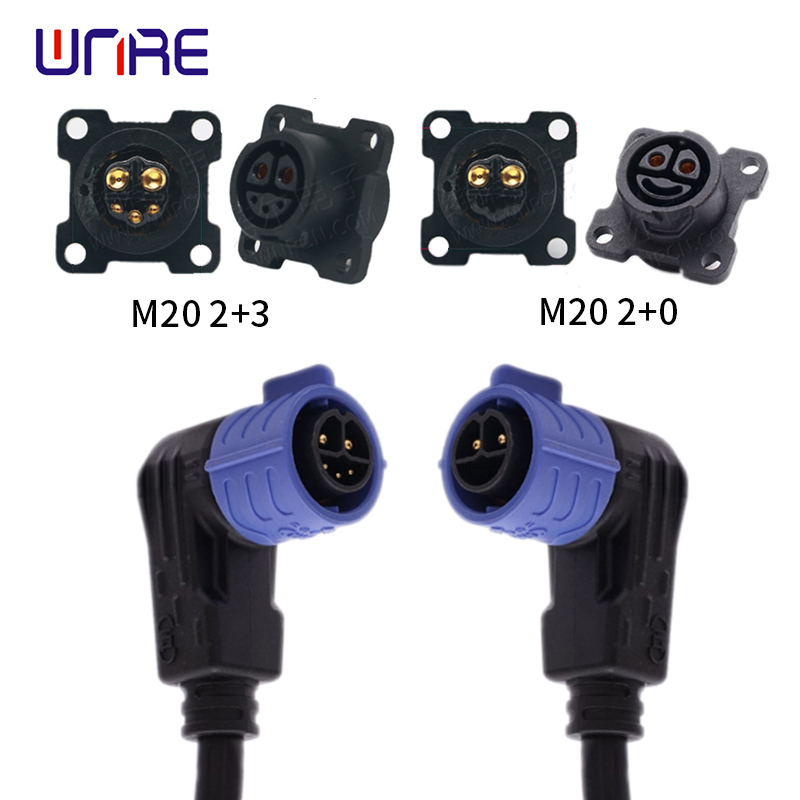
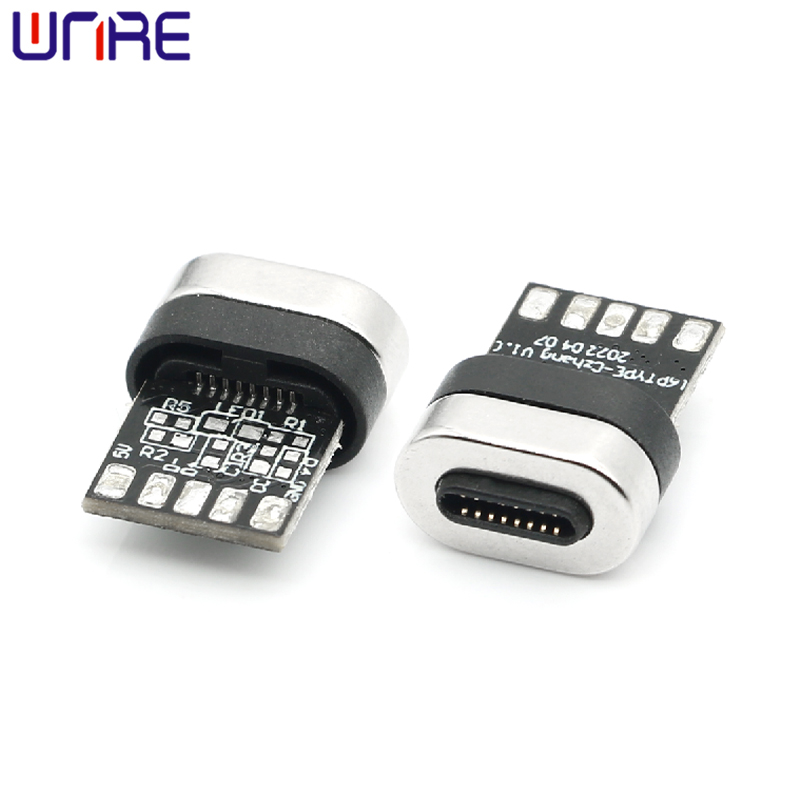
For smart metering, electric vehicle (EV) charging stations, and IoT smart grid nodes, prototype key switches provide local configuration, hard-reset, and calibration functions. Integrated with robust connector interfaces like the M20 Waterproof Charging & Signal Socket, prototype engineers can simulate outdoor operating environments with extreme temperature variations ranging from -40°C to +85°C without signal degradation.

Medical electronics prototypes—such as portable blood gas analyzers, infusion pumps, and surgical power tools—demand whisper-quiet acoustic profiles, ultra-low operating currents (under 1mA), and zero-fail contact reliability. Gold-plated contact switches ensure zero oxide layer build-up over extended storage periods, maintaining microvolt-level signal integrity across medical sensor front-ends.
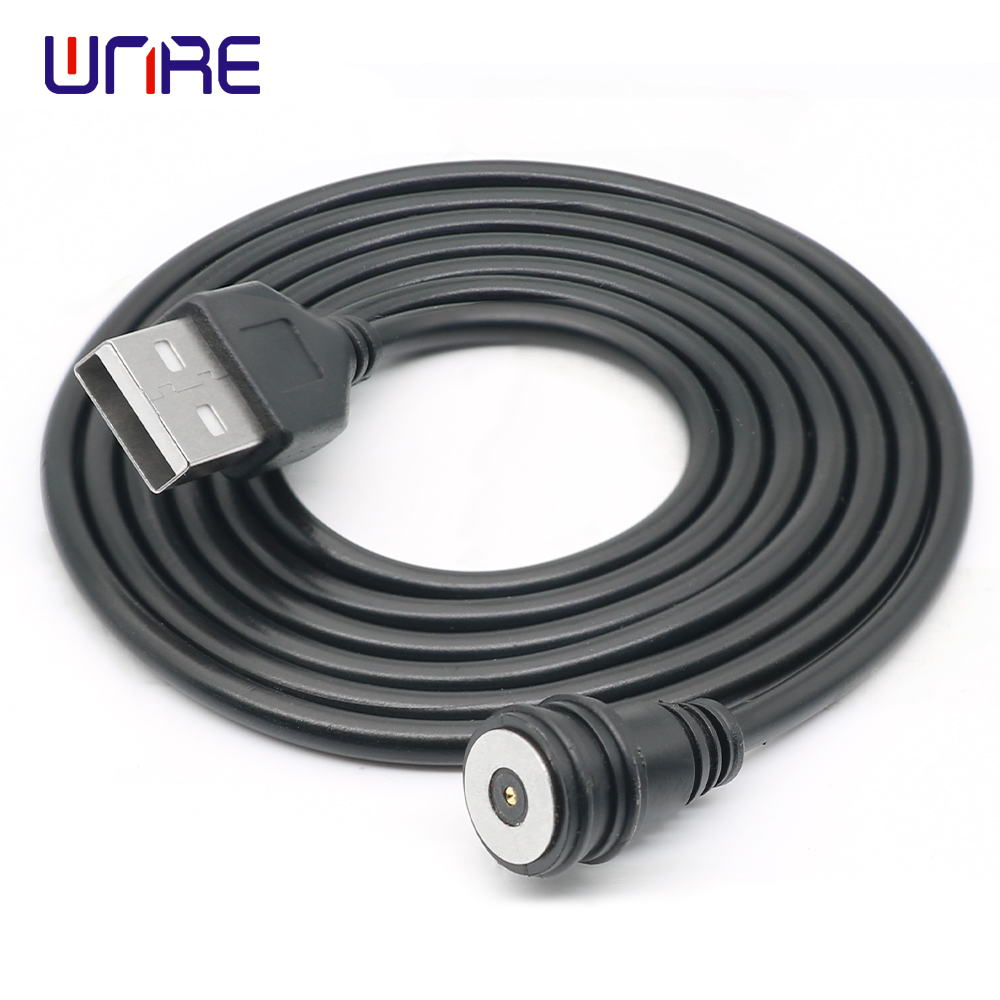
Designing wearable electronics involves multi-axis tactile testing within sub-millimeter clearances. Engineers deploy miniature surface-mount key switches coupled with custom flex-PCB cables and magnetic USB charging connectors to validate ergonomics before tooling high-volume plastic injection molds.
Quick-Connect Wire Connector Ecosystem for Rapid Prototyping
Tool-free, lever-action splicing blocks designed for fast circuit alteration, breadboard bridging, and modular testing.
Video Demonstration & Factory Capabilities
Witness our automated stamping, cleanroom injection molding, and automated contact endurance testing.
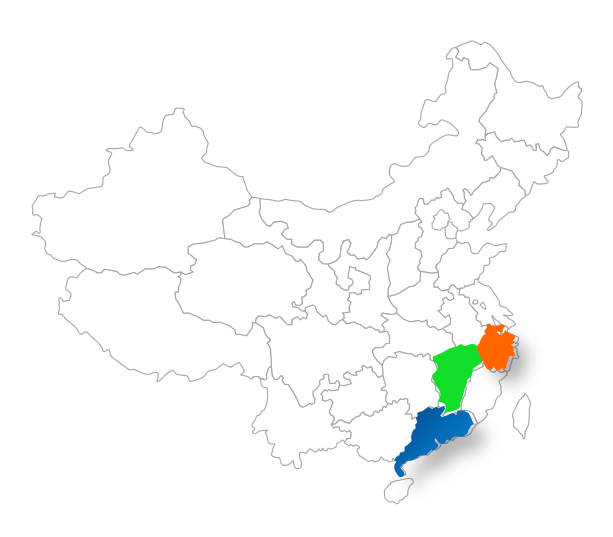
Our company has been an electronic connectors professional manufacturer since 2004. With the head office located in Yueqing, China—the nation's premier electrical capital—and an expansive 5,000 ㎡ manufacturing center in Jiangxi with over 200 dedicated production experts, we engineer products built to international specifications.
To advance key switch dynamics and micro-contact metallurgy, we actively collaborate with Shenzhen University to research next-generation conductive alloys and ultra-durable polymer housings, supporting tier-1 global hardware developers across North America, Western Europe, Southern Europe, and South Asia.
About ChinaWellnow: Quality, Heritage & Global Reach
Decades of continuous innovation in electromechanical switches, jack series, and power distribution interfaces.
ChinaWellnow is an enterprise with a deep sense of social responsibility. We are actively committed to the continual enhancement of enterprise processes, manufacturing technologies, environmental protection (including biodiversity preservation), and customer satisfaction. We build enduring trust with global engineering partners by providing advanced key switches, competitive factory-direct pricing, rapid prototype fulfillment, and one-stop OEM/ODM design services.
Yueqing Headquarters
Located in Zhejiang Province, the national electronic and electrical distribution epicenter. Hosts our core Foreign Trade, Technology R&D, and Engineering management teams.
Shenzhen Trade & R&D Window
Situated in China's innovation trade center, monitoring global electronics market trends, providing rapid prototyping feedback, and synchronizing customer needs.
Jiangxi & Yunnan Facilities
5,000 ㎡ high-volume production facility with over 200 skilled operators. Expanded manufacturing footprints with our Yunnan plant to fulfill high-volume international demand.
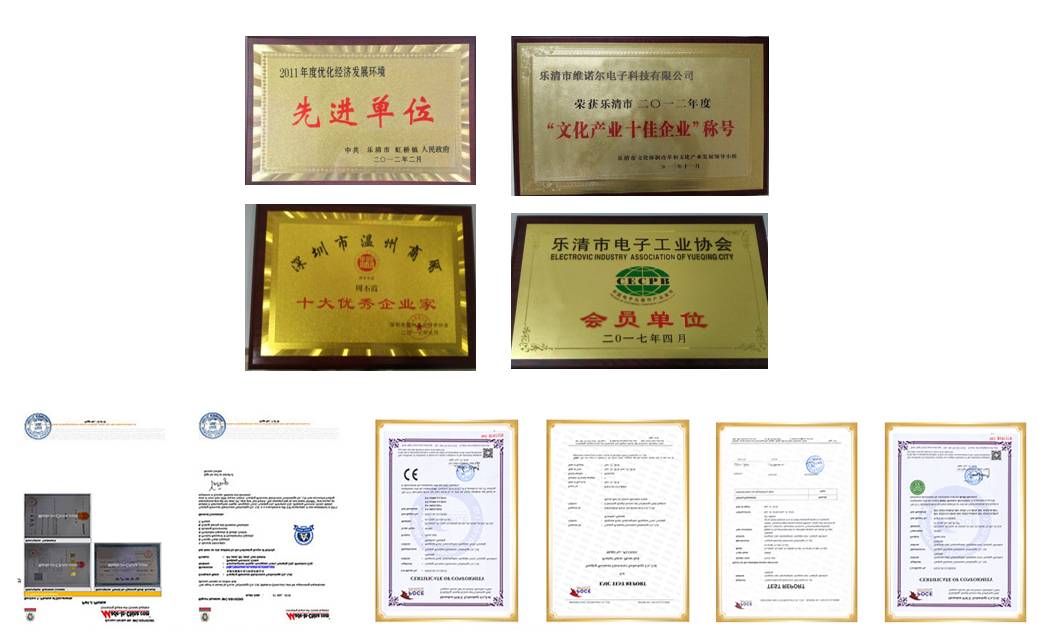
Our manufacturing plant, backed by its dedicated R&D, Product Engineering, and Quality Control departments, achieved ISO 9001:2015 certification in 2005. Most switches, power jacks, and connectors shown across our website are rigorously tested and certified in strict compliance with UL, VDE, and ENEC standards.
Main product series include: Power Jacks Series, Phone Jacks Series, Switch Series, RCA Pin Jack Series, and Network Socket Series.
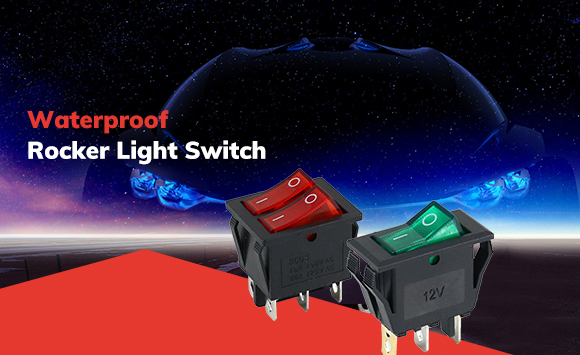
Industrial Switch & Interconnect Component Showcase
Browse our premier electromechanical components optimized for electronic prototyping, test fixtures, and production runs.