- Mobile Phone
- +86 13736381117
- info@wellnowus.com
Automotive Sensing & Circuit Interface Lineup
Engineered for tactile actuation feedback, power routing, and low-level diagnostic signaling across harsh automotive cabin and chassis environments.
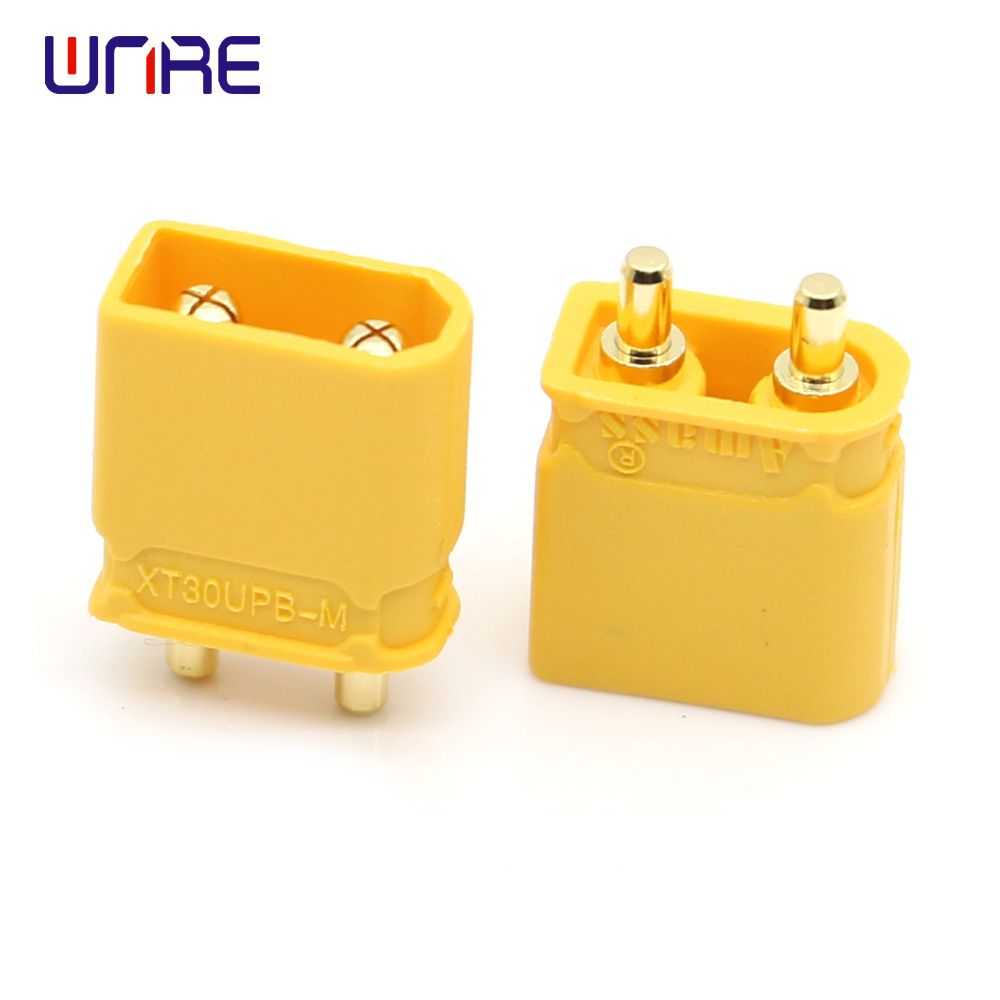
XT30UPB Male Automotive Battery & Power Circuit Plug Connector
Explore Specs →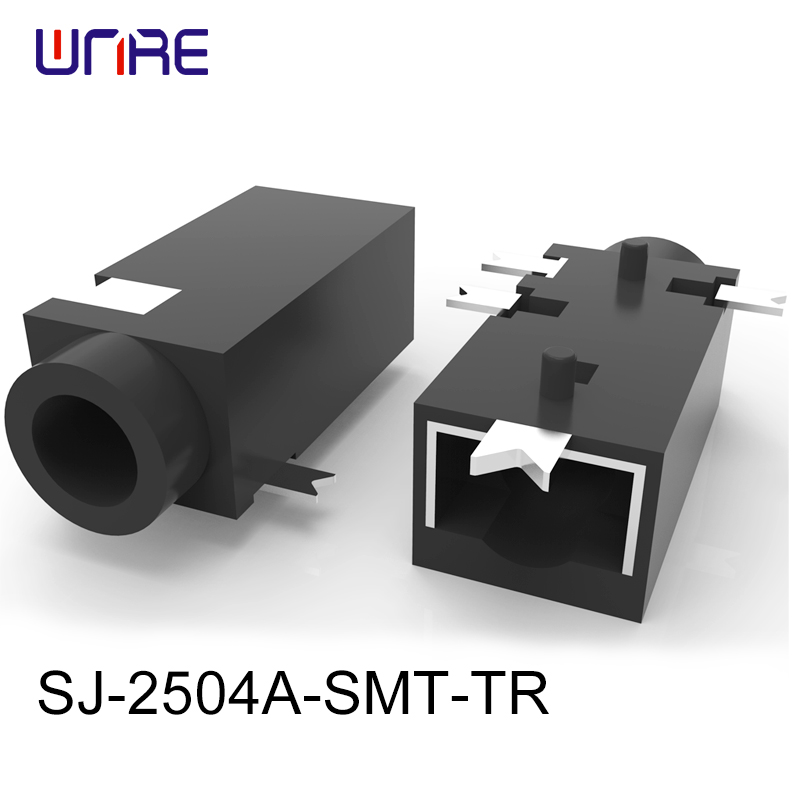
SJ-2504A-SMT-TR 12V 1A Phosphorus Bronze Leaf Contact Jack
Explore Specs →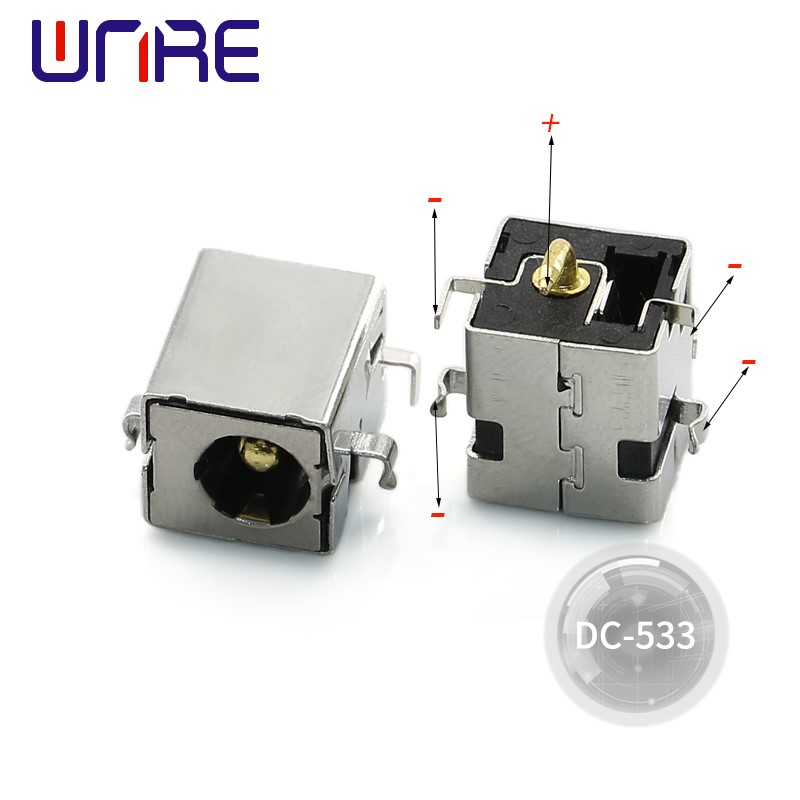
DC Socket DC-533, 2.0 / 2.5 Pin Plate Circuit Switch Terminal
Explore Specs →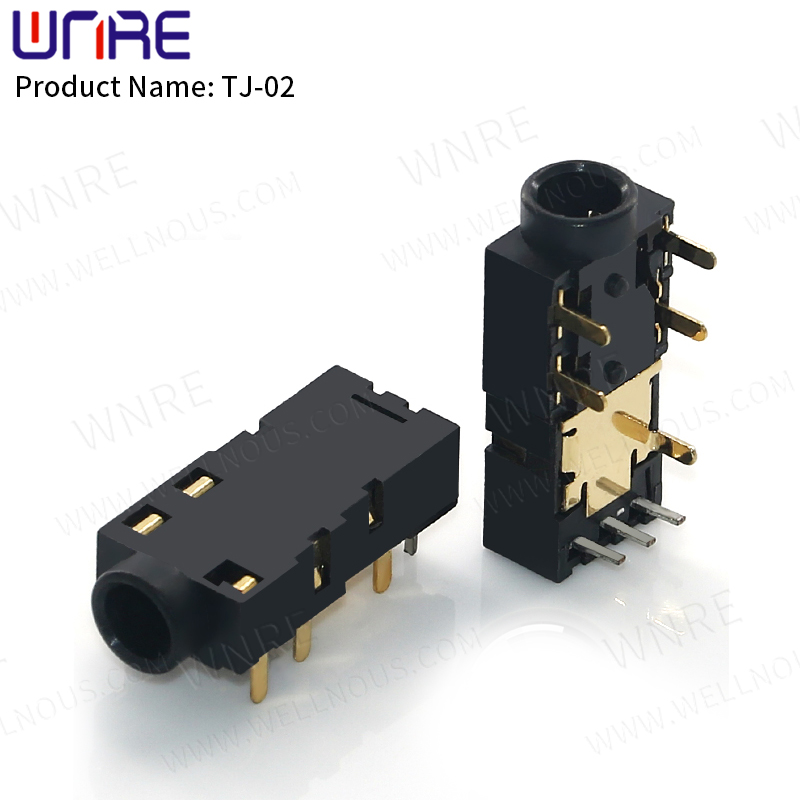
TJ-02 3.5MM Dual Channel 8 Pin Switch Connector (PIN)
Explore Specs →Engineering Architecture of Leaf Switches in Automotive Systems
Understanding contact wiping dynamics, mechanical spring resilience, and low-level dry circuit detection across modern ECUs.
Critical Contact Reliability in Harsh Operating Environments
The rapid electrification and computerization of modern automobiles have placed extraordinary demands on electromechanical switching mechanisms. A leaf switch for automotive circuits is a specialized mechanical switch that utilizes flexible metal cantilever blades (leaves) to establish or interrupt an electrical connection upon physical actuation. Unlike bulky snap-action microswitches or complicated optical encoders, automotive leaf switches offer a remarkably flat form factor, ultra-low contact bounce, and predictable mechanical travel.
In vehicular applications ranging from Electronic Control Unit (ECU) state detection to human-machine interface (HMI) modules, leaf switches must maintain consistent electrical characteristics over temperature ranges extending from -40°C to +125°C. The fundamental advantage of the leaf blade design lies in its inherent "wiping action." As the contact surfaces meet under mechanical actuation, the slight sliding motion scrubs away microscopic oxidation, silicon dust, and organic film buildup. This self-cleaning property is vital for low-current "dry circuits" (typically <10mA at 5V or 12V DC), where insufficient electrical energy exists to break down dielectric oxide layers via arcing.
Mechanical Spring Dynamics & Metallurgy
Automotive grade leaf switches predominantly leverage cold-rolled phosphor bronze (C5191 / C5210) or heat-treated beryllium copper (C17200) alloys. These materials deliver superior fatigue strength, elevated yield limits, and exceptional resilience against permanent mechanical set after millions of actuation cycles.
To resist fretting corrosion induced by continuous engine vibrations and road shock, contact rivet points are electroplated with hard gold over nickel barriers or premium silver-nickel alloys, ensuring a stable contact resistance of less than 30 mΩ over the vehicle's operational lifecycle.
In-Depth Application Scenarios in Modern Vehicles
From electric powertrain interlocks to luxury interior consoles, leaf switches perform indispensable detection and control tasks.
1. EV Charging Port & High-Voltage Interlock (HVIL)
In Electric Vehicles (EVs) and Plug-in Hybrids (PHEVs), leaf switches are integrated into charging inlet flap mechanisms and locking pins. They provide physical confirmation of connector insertion before high-voltage contactors close, safeguarding the battery management system (BMS) and eliminating arcing risks during fast-charging sequences.
2. Power Door Latches & Central Locking Feedback
Modern smart latch assemblies employ miniature sealed leaf switches to report latch claw positions (Ajar, Half-Latch, Full-Latch). The smooth wipe and low acoustic profile ensure silent operation while transmitting clean digital logic signals directly to the body control module (BCM).
3. Electronic Shifter & Transmission Range Encoding
Shift-by-wire consoles use multi-position leaf switch arrays to encode gear selection (P-R-N-D-S). With precise actuation force thresholds and high repeatability, leaf contacts deliver zero-lag redundant signal confirmation to powertrain controllers.
4. Seatbelt Buckle & Occupant Safety Systems
Embedded inside the seatbelt receiver, custom leaf switches confirm tongue engagement. Coupled with load-cell sensors, they govern airbag deployment thresholds and trigger audiovisual seatbelt reminder alarms conforming to global NCAP crash safety standards.
5. Infotainment Push-Turn Knobs & HVAC Controls
Rotary dials and climate control air flap actuators utilize miniature leaf contact plates to detect rotational indexing and axial push confirmation, granting drivers crisp tactile feedback without causing distraction from the road.
6. Sunroof & Power Window Limit Sensing
Leaf switches serve as anti-pinch travel limit sensors in panoramic sunroofs and frameless window assemblies. They withstand sustained exposure to moisture, automotive lubricants, and thermal cycling while providing immediate interrupt signals to motor drivers.
Technical Comparison: Automotive Leaf Switch vs. Traditional Microswitch
| Performance Parameter | Automotive Leaf Switch Series | Standard Snap-Action Microswitch | Solid-State Hall / Optical Sensor |
|---|---|---|---|
| Operating Profile & Height | Ultra-Low Profile (<3.5mm), highly compact | Bulky housing (>8.0mm), heavy footprint | Compact IC package, requires external magnets |
| Contact Wiping Action | Excellent self-cleaning dynamic wipe | Limited linear contact without wipe | Non-contact (zero wipe) |
| Dry Circuit Switching (<5V, <1mA) | Optimized with gold-flashed cantilever leaves | Prone to contact oxidation failures over time | Excellent (Active semiconductor output) |
| Quiescent Current Draw | Zero (Purely passive mechanical circuit) | Zero (Passive) | Continuous standby parasitic power draw (5-15mA) |
| Acoustic Noise Generation | Near-silent / customizable low click | Audible click (May disrupt luxury cabin silence) | Silent |
| Vibration Immunity (ISO 16750-3) | High resonance damping via blade geometry | Spring chatter under high G-forces | Immune to mechanical bounce |
| Unit Cost & Integration Simplicity | Highly cost-effective, direct PCB/leadframe mount | Moderate cost, wiring harness dependent | High cost, requires auxiliary conditioning circuits |
Industry Trends & Commercial Evolution
How automotive circuit switching is adapting to 48V zonal architectures, autonomous driving redundancies, and environmental compliance.
1. Zonal Architecture & CAN/LIN Bus Integration
The transition from distributed automotive architectures to centralized Zonal Control Units has revolutionized how switches communicate. Modern leaf switches are directly integrated onto smart steering wheel PCBs and door node control modules, interfacing directly with Local Interconnect Network (LIN) transceivers. This eliminates heavy copper harness runs, reduces vehicle weight, and improves overall EV range.
2. Stringent Flame Retardancy & Material Standards
Automotive safety mandates that all plastic housings in proximity to automotive power circuits comply with UL94-V0 flame retardancy ratings and undergo Glow Wire Testing (IEC 60695-2-11). Using high-performance engineering thermoplastics such as Polyphenylene Sulfide (PPS) and Polyamide 9T/46 (PA9T/PA46), our leaf switch assemblies survive lead-free reflow soldering peak temperatures up to 260°C without dimensional deformation.
3. Environmental Sealing & IP67 Packaging
Chassis, hood, and charging port installations expose switches to road splash, de-icing salts, and pressure washing. Advanced silicone potting and laser-welded membrane seals are now bonded around the leaf actuator stem to deliver certified IP67 water and dust ingress protection without impeding mechanical sensitivity.

Advanced automated stamping and high-speed precision molding production lines.
About Us & Manufacturing Capabilities
Serving global automotive, industrial, and consumer electronic sectors with certified engineering excellence since 2004.
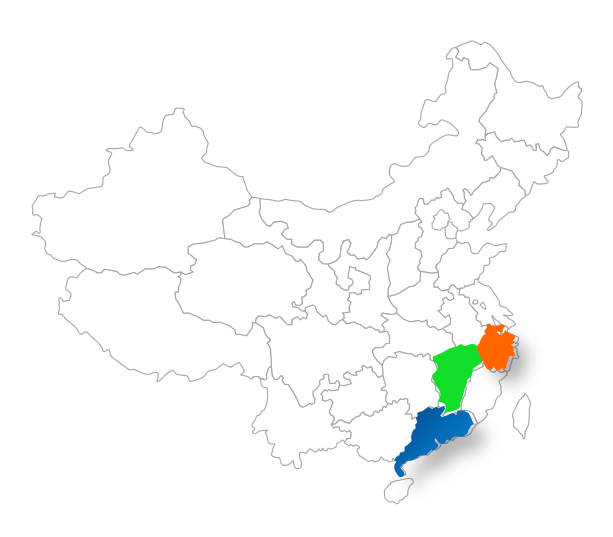
Our company has been an electronic connectors and precision switches professional manufacturer since 2004. The head office is located in Yueqing, Zhejiang Province, China, which serves as the national electronic and electrical distribution epicenter. Our enterprise encompasses more than 200 dedicated employees, a massive specialized production facility in Jiangxi Province, and an agile commercial window in Shenzhen.
We proudly collaborate with Shenzhen University to research and co-develop cutting-edge contact metallurgy, advanced switch kinematics, and high-frequency interconnect solutions. Our primary international markets span Southern Europe, Western Europe, North America, South Asia, as well as an extensive Domestic Original Equipment Manufacturer (OEM) base.
Our core catalog covers: Power Jacks Series, Phone Jacks Series, Automotive & Industrial Switch Series, RCA Pin Jack Series, and Network Socket Series. ChinaWellnow is deeply committed to corporate social responsibility, green manufacturing, biodiversity preservation, and continuous quality advancement.
Facility Locations, Honors & Certifications
Rigorous international compliance, academic R&D integration, and streamlined regional infrastructure.
Yueqing Head Office
Located in Zhejiang Province, our headquarters houses our strategic administrative leadership, domestic and foreign trade divisions, technology R&D departments, and primary quality control laboratories.
Shenzhen Office & R&D Window
Situated in China's dynamic commercial hub, our Shenzhen office constantly monitors global automotive trends, interfaces with Tier-1 design houses, and provides direct feedback to company headquarters.
Jiangxi & Yunnan Production Bases
Featuring a 5,000 ㎡ production campus and over 200 frontline technical workers in Jiangxi, supplemented by expanded branch manufacturing facilities in Yunnan Province to ensure rapid order fulfillment.
Honor and Quality Certification
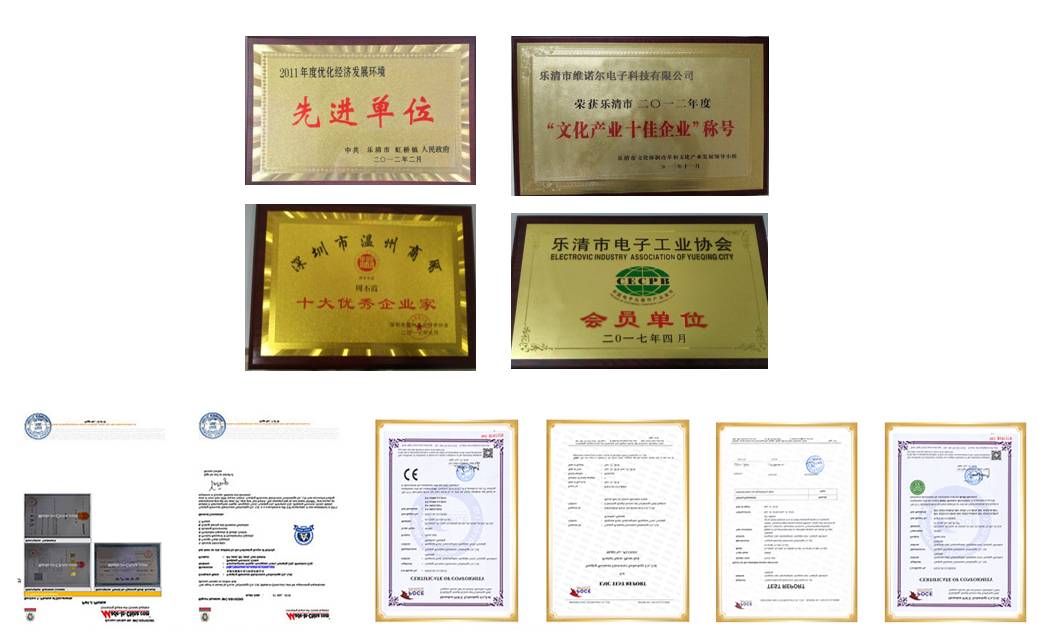
Our manufacturing plant, equipped with independent R&D, product engineering, and advanced Metrology Quality Control departments, was certified with ISO 9001:2015 in 2005. Most of our products showcased are certified in strict compliance with UL, VDE, and ENEC standards.
Every automotive leaf switch batch undergoes exhaustive life-cycle testing, contact resistance profiling, terminal pull-force validation, salt-spray corrosion exposure, and temperature-humidity bias testing before customer dispatch.
Factory Tour & Production Video
Witness our precision tooling, automated contact stamping, injection molding, and testing protocols in action.
Quick-Connect Terminal Blocks for Automotive Junctions
High-voltage transparent spring splicing connectors designed for rapid, tool-free wiring harness integration.
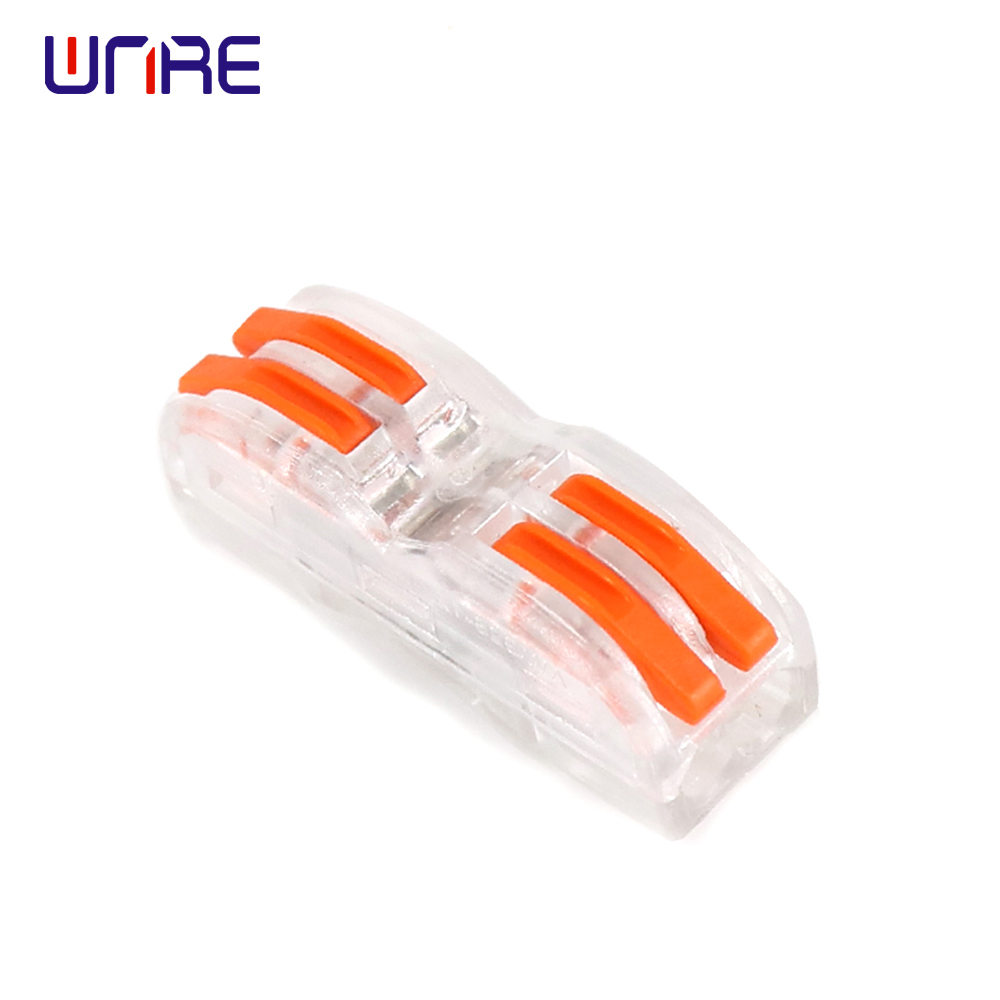
PCT-222T Transparent Universal Compact Spring Splicing Connector
View Details →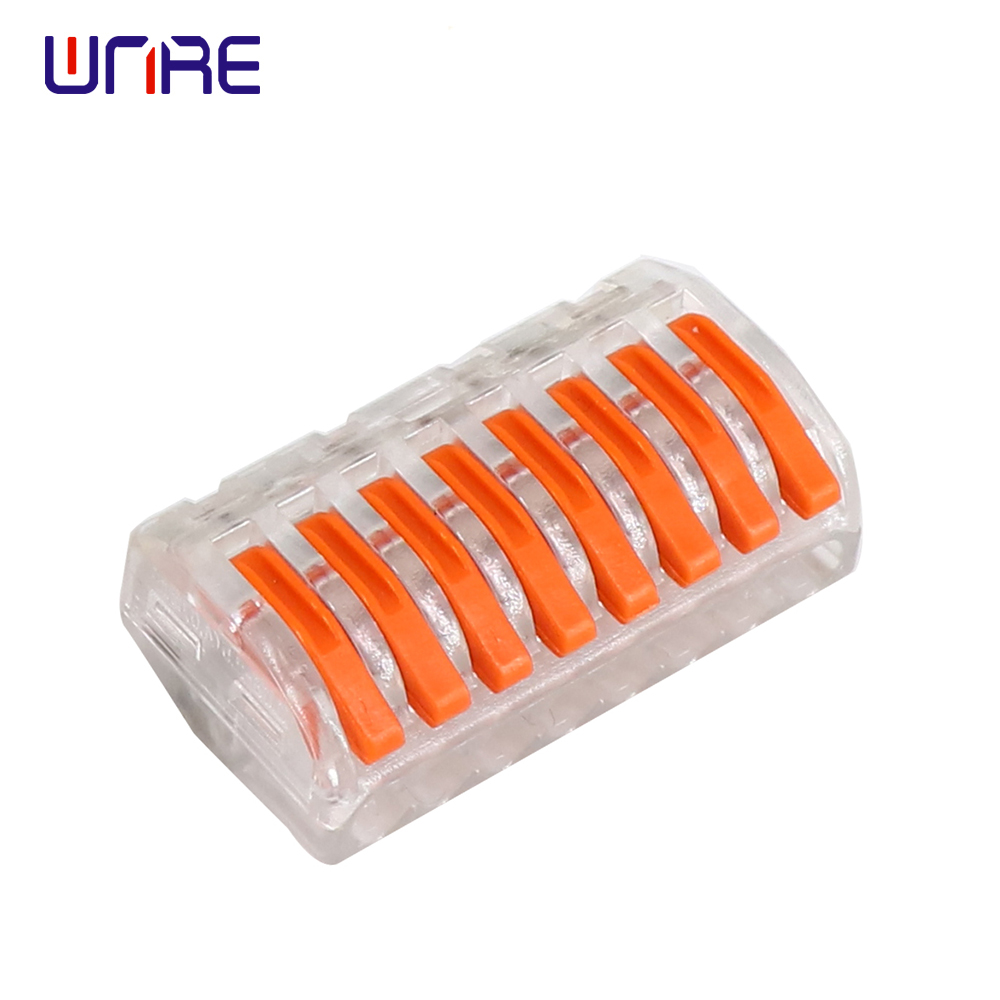
PCT-218T Transparent Compact Push-in 8-Pole Harness Terminal
View Details →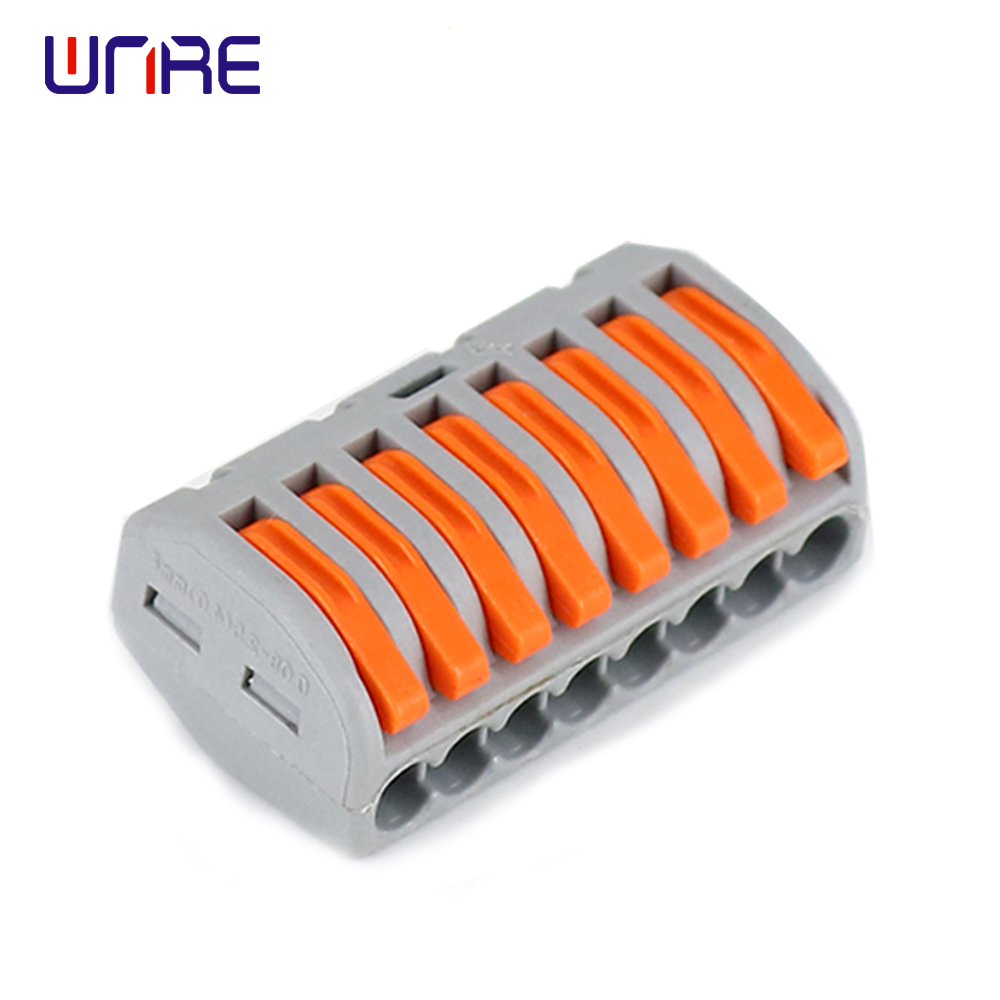
PCT-218 Universal 8-Way Quick Cable Wiring Connector Block
View Details →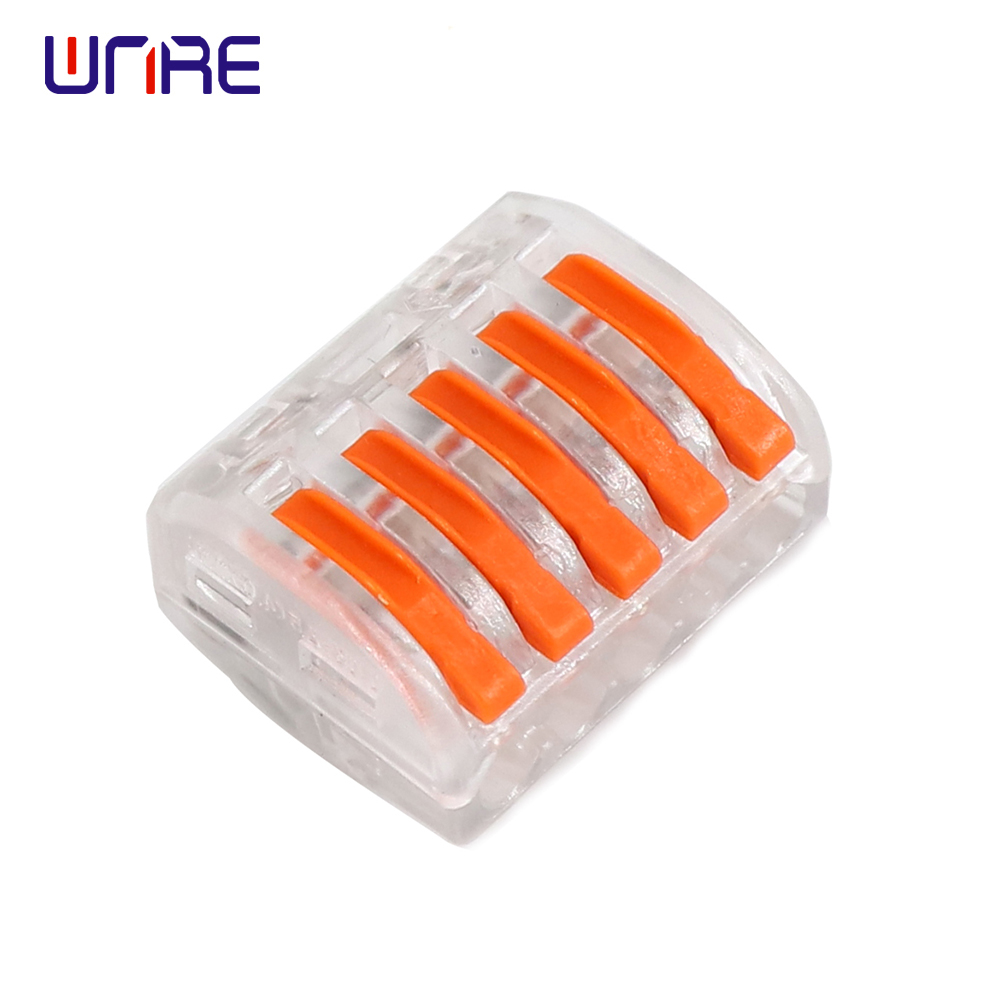
PCT-215T 5-Hole Junction Quick-Connect Automotive Terminal
View Details →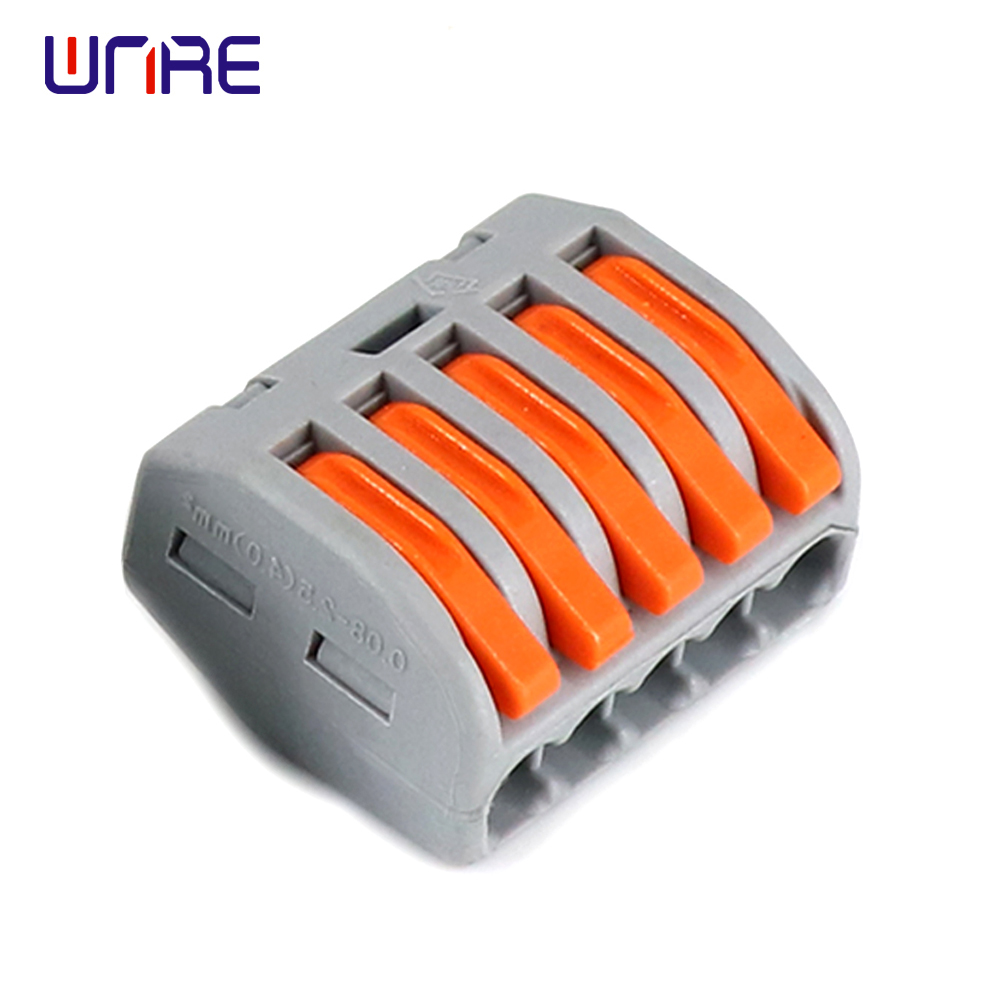
PCT-215 Conductor Compact 5-Port Spring Quick Wire Connector
View Details →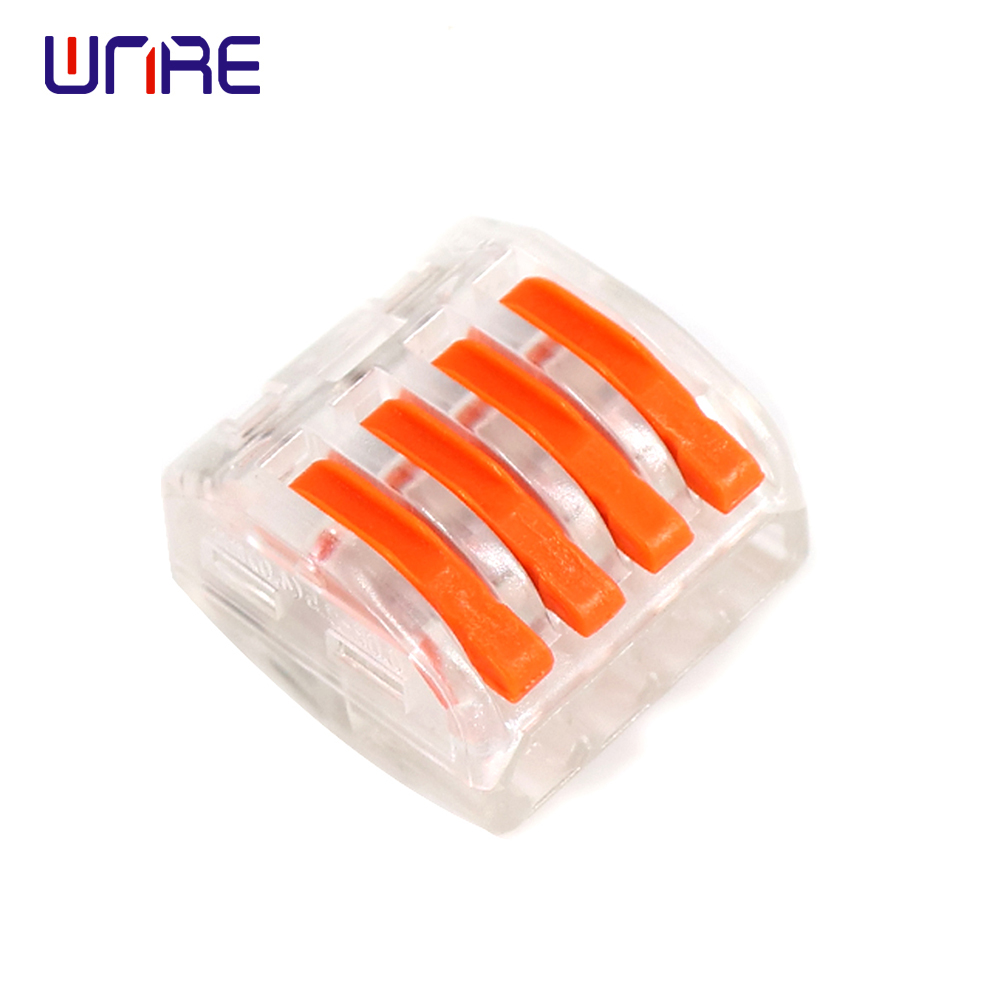
PCT-214T Lever-Nut 4-Conductor Transparent Terminal Block
View Details →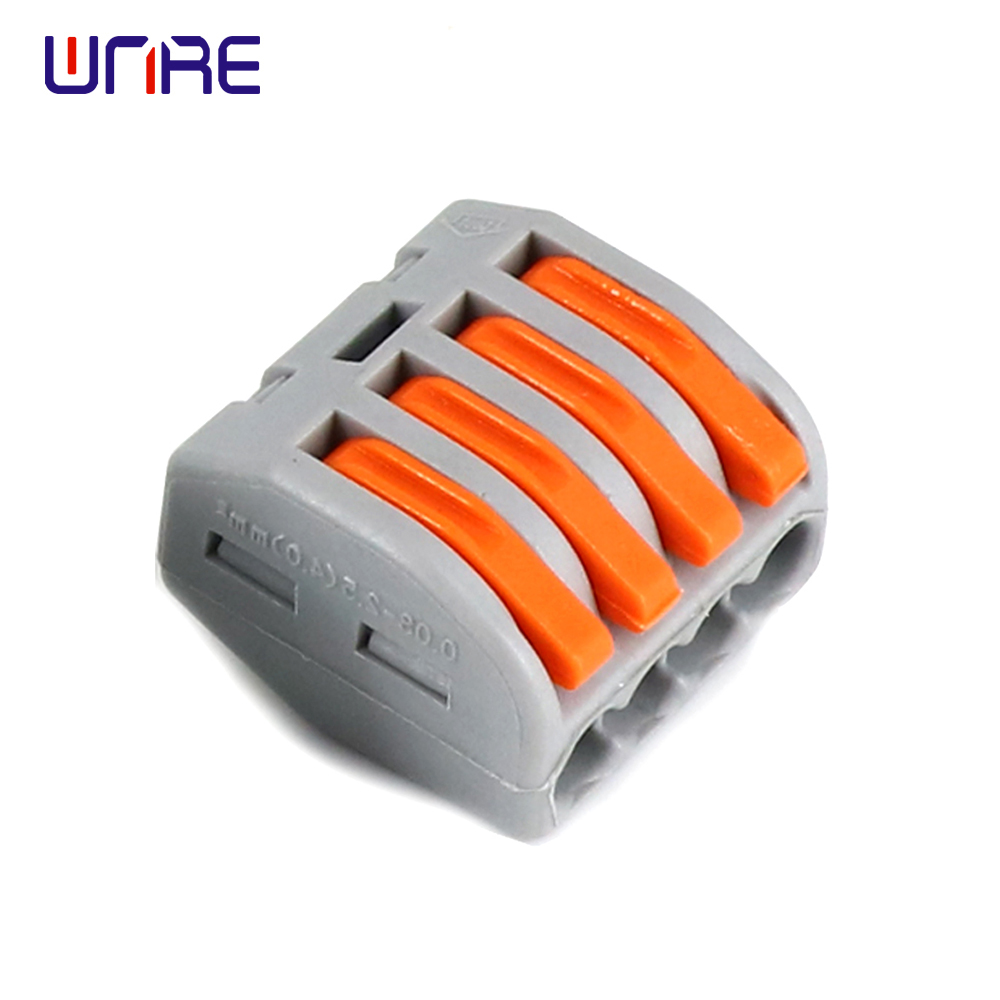
PCT-214 Compact Push-in 4-Way Cable Splicing Terminal
View Details →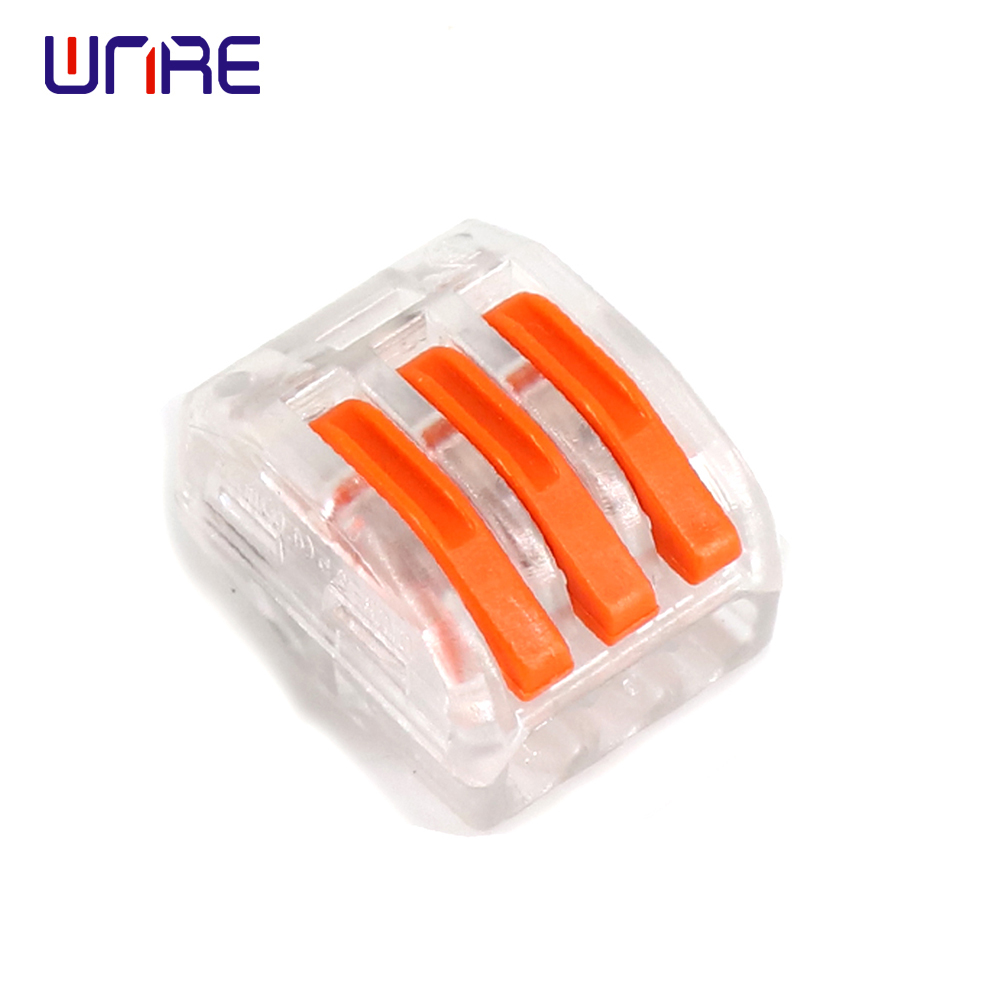
PCT-213T 400V 3-Way Quick Splice Joint Terminal Connector
View Details →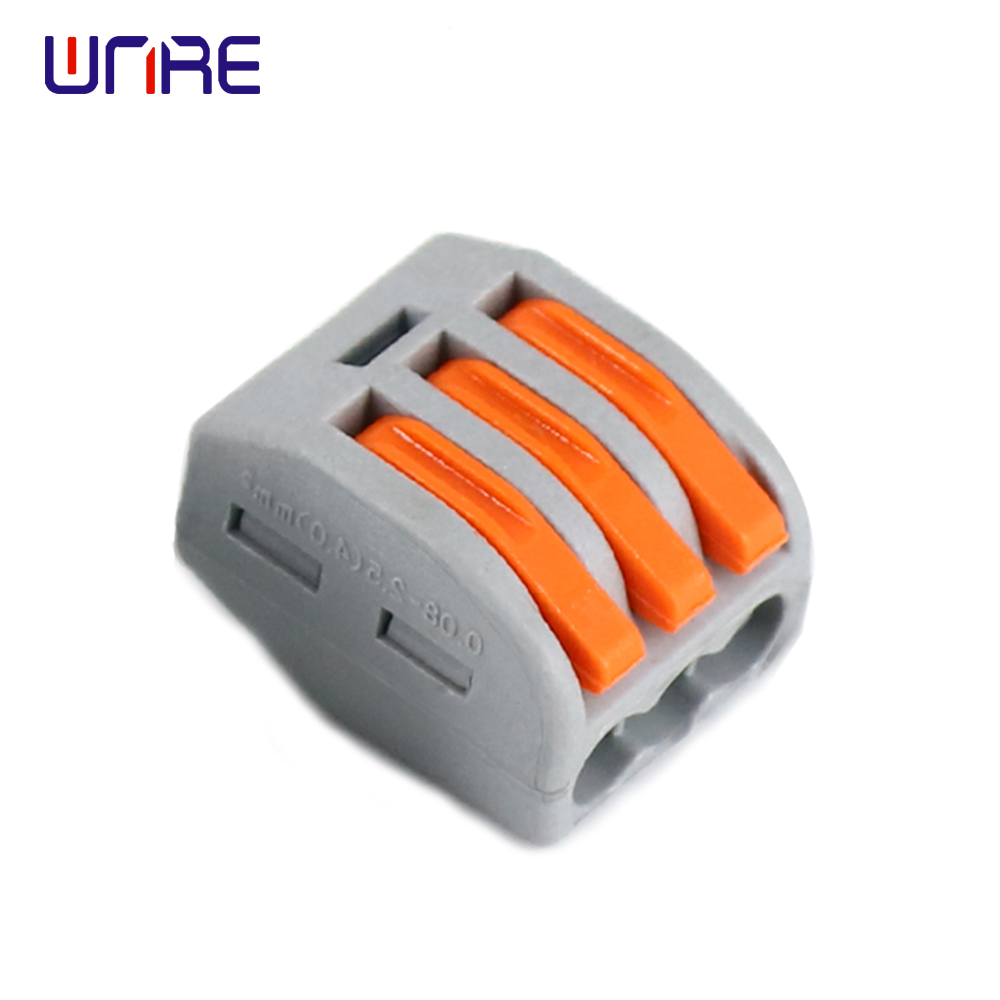
PCT-213 400V Rated Lever 3-Port Quick Splice Terminal
View Details →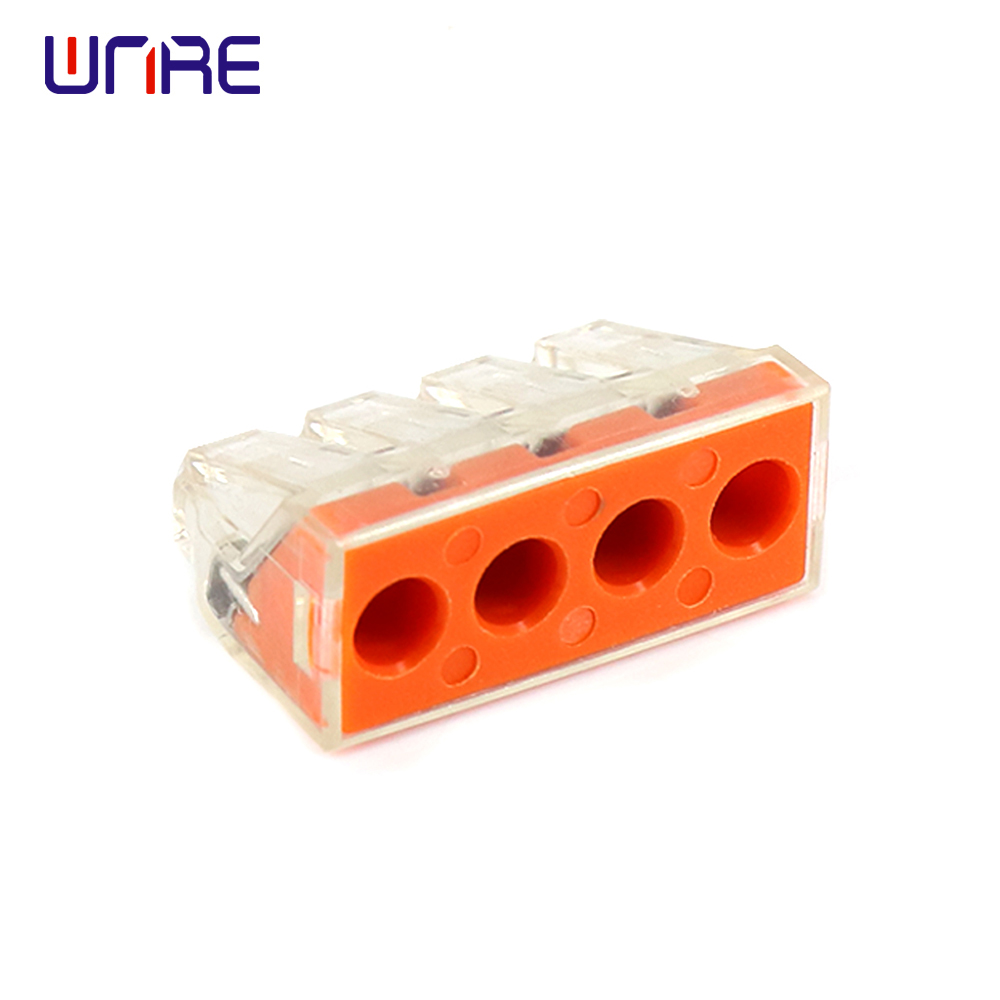
PCT-104D 400V 4Pin Spring Lever Push Wire Conductor Block
View Details →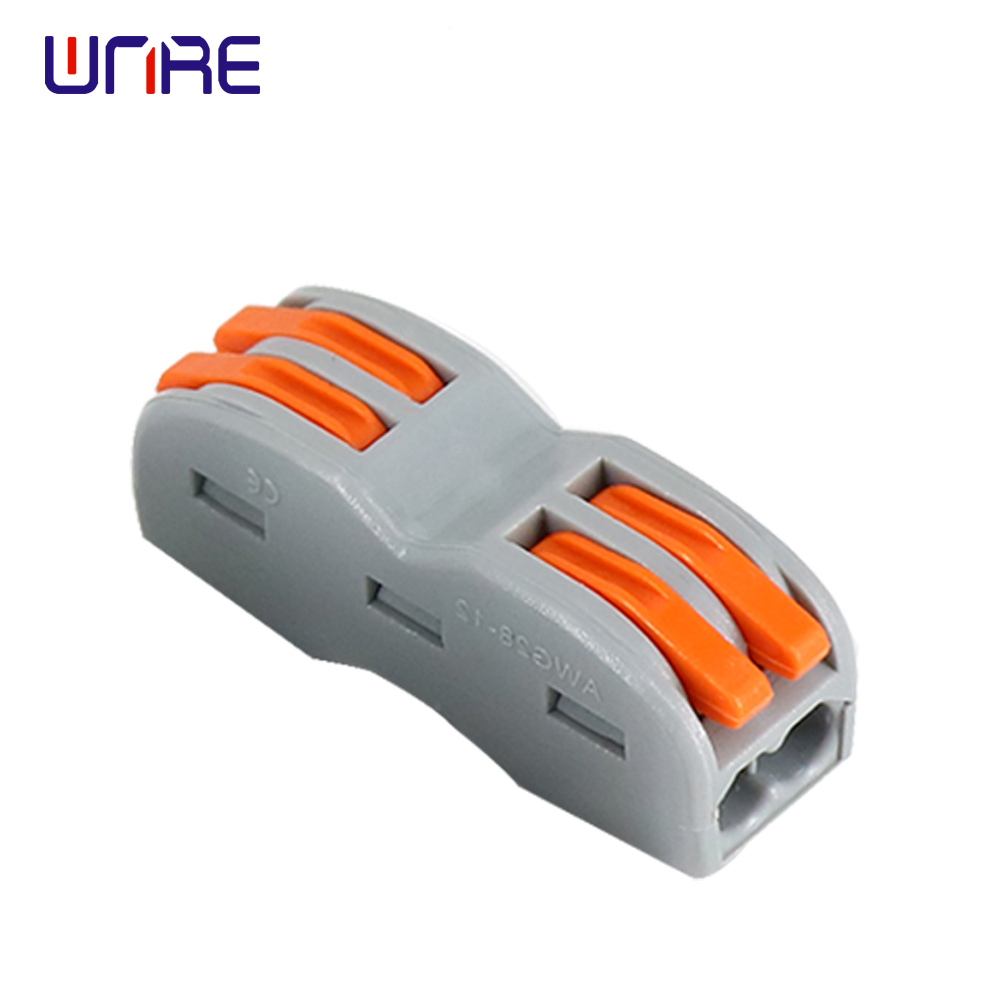
PCT-222 450V Heavy-Duty 2-Wire Push-in Terminal Connector
View Details →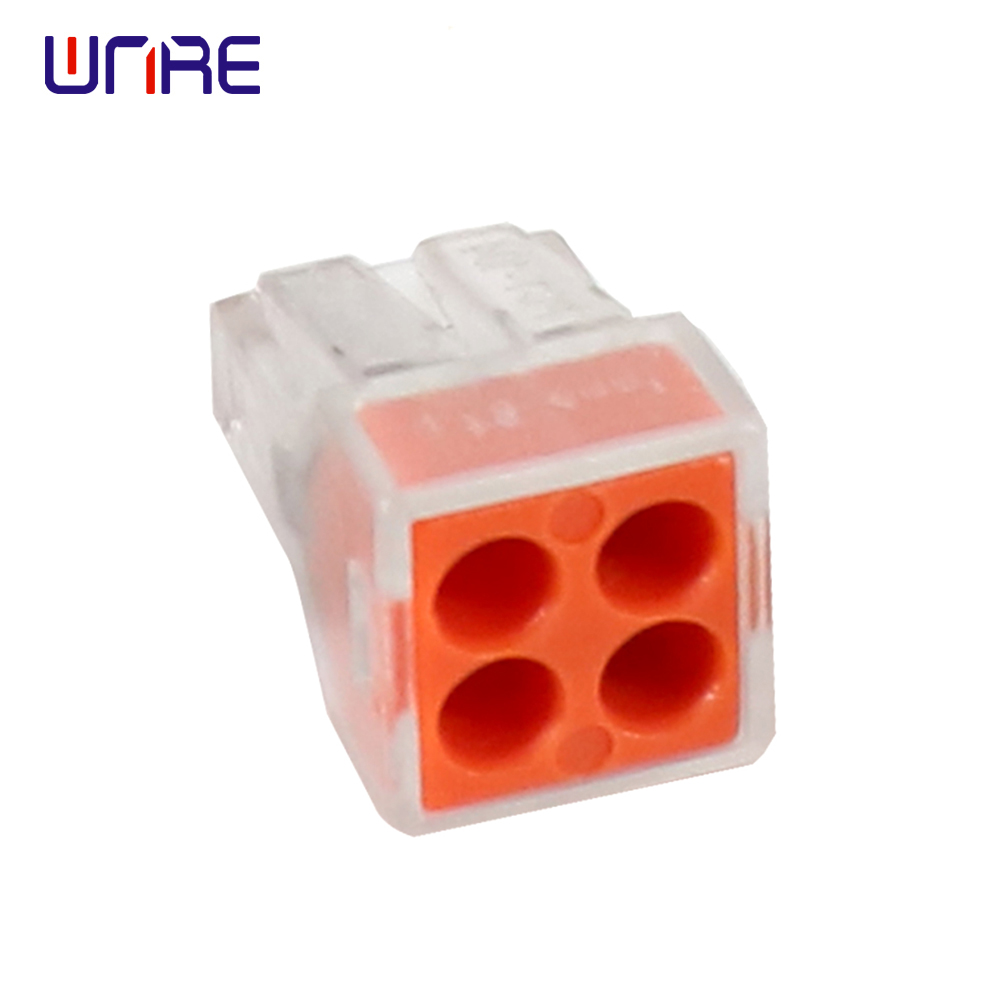
PCT-104 32A 400V 4-Pin Industrial Quick Terminal Block
View Details →Featured Automotive Switches & Interconnect Solutions
Comprehensive portfolio of high-durability leaf switches, battery power couplers, magnetic connectors, and harness interfaces.
XT30UPB Male Airplane & Automotive Battery Plug Connector
View Specifications →
SJ-2504A-SMT-TR 12V 1A PPA BLK Phosphorus Bronze Leaf Jack
View Specifications →
DC Socket DC-533, 2.0, 2.5 Pin Plate Circuit Switch
View Specifications →
TJ-02 3.5MM 3D Stereo 8-Pin Integrated Switch Connector
View Specifications →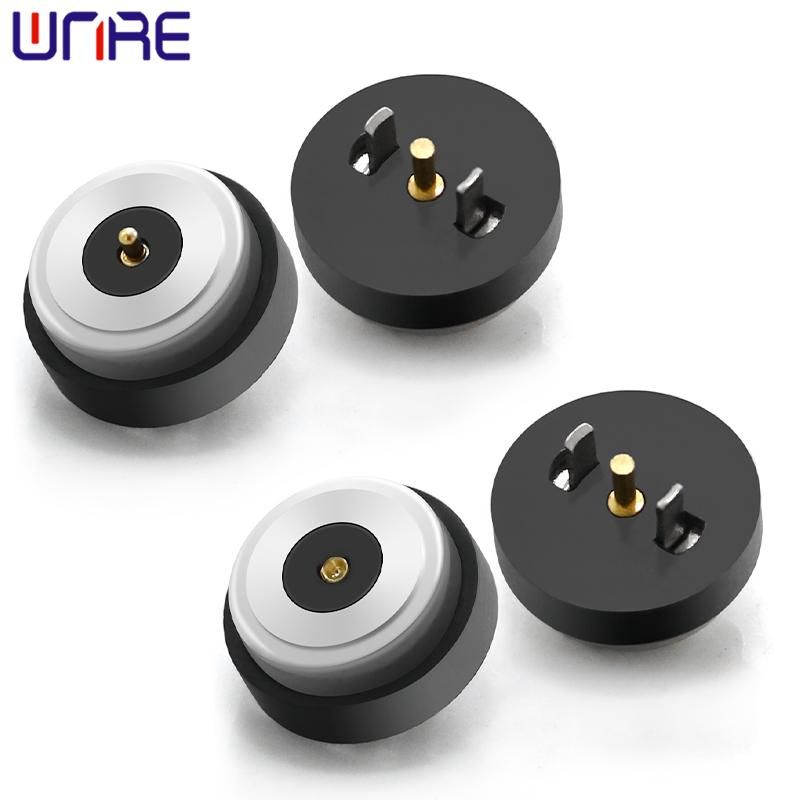
CX-908A / 909A 10mm Automotive Micro Leaf Circuit Switch
View Specifications →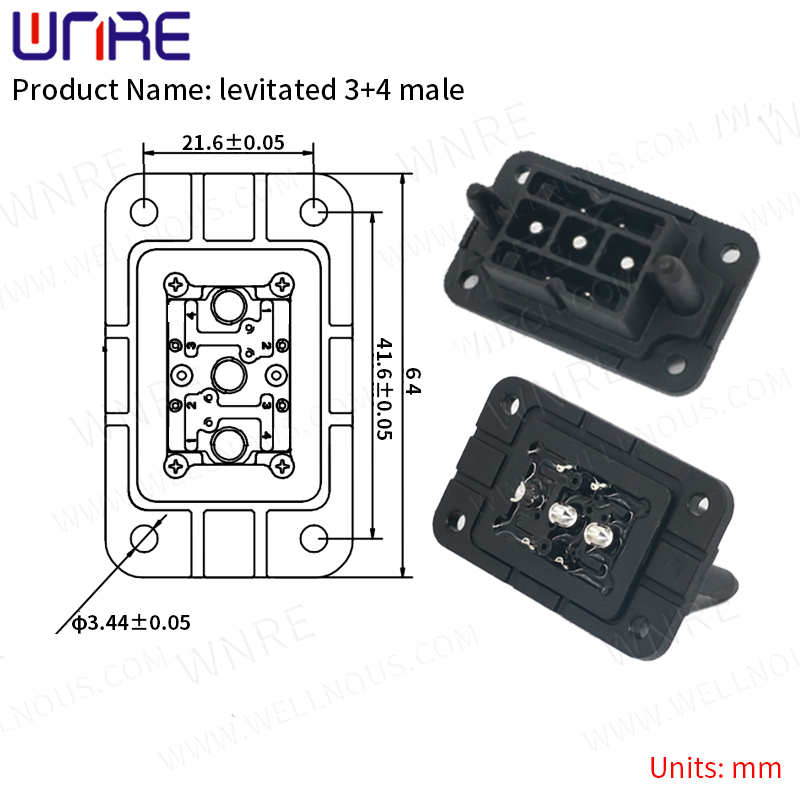
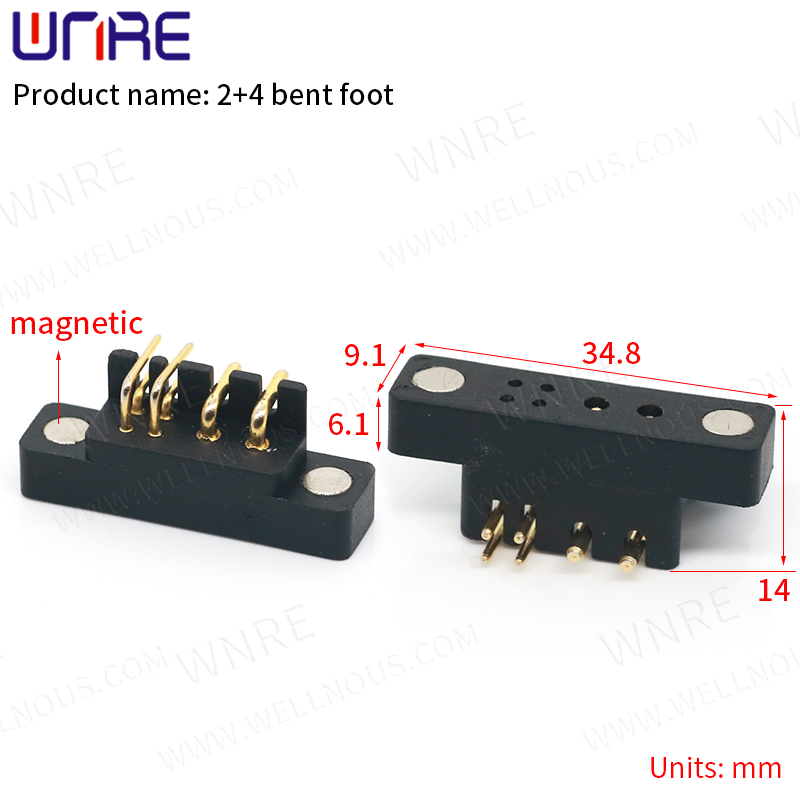
Levitated 3+4 Male E-Bike Battery Connector IP67 Waterproof Plug
View Specifications →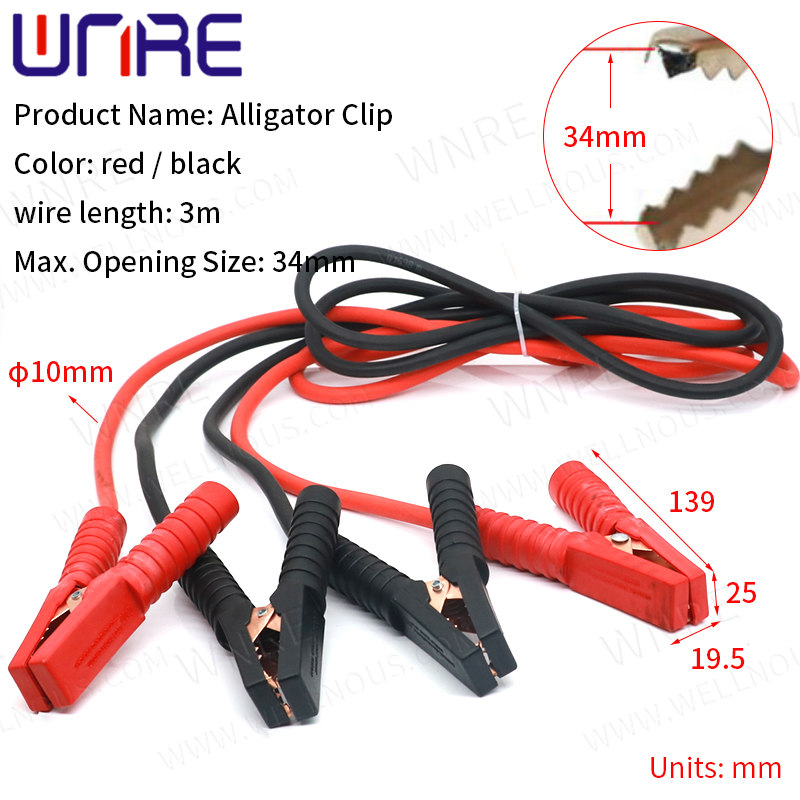
1 Pair 3m 34mm Automotive Alligator Clips & Banana Plug Wire
View Specifications →