- Mobile Phone
- +86 13736381117
- info@wellnowus.com
Specialized Automotive Tact & Detection Switches
Precision-engineered electro-mechanical components optimized for automotive control panels, steering interfaces, and cabin electronics.
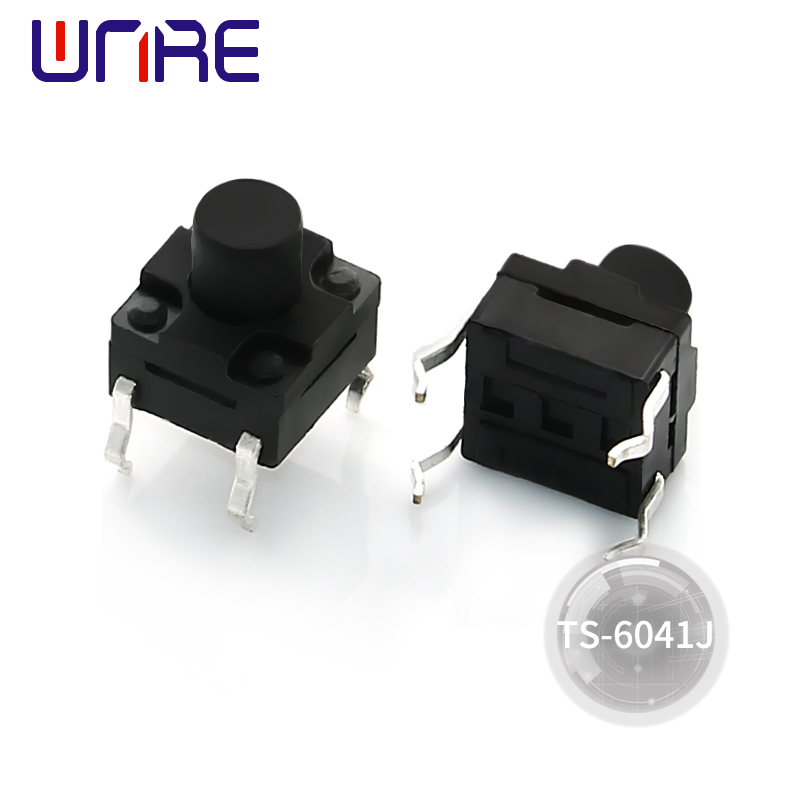
Factory Direct Sale TS-6041J Waterproof 4P Tact Switch DIP Push Button Switch
Automotive Circuit Profile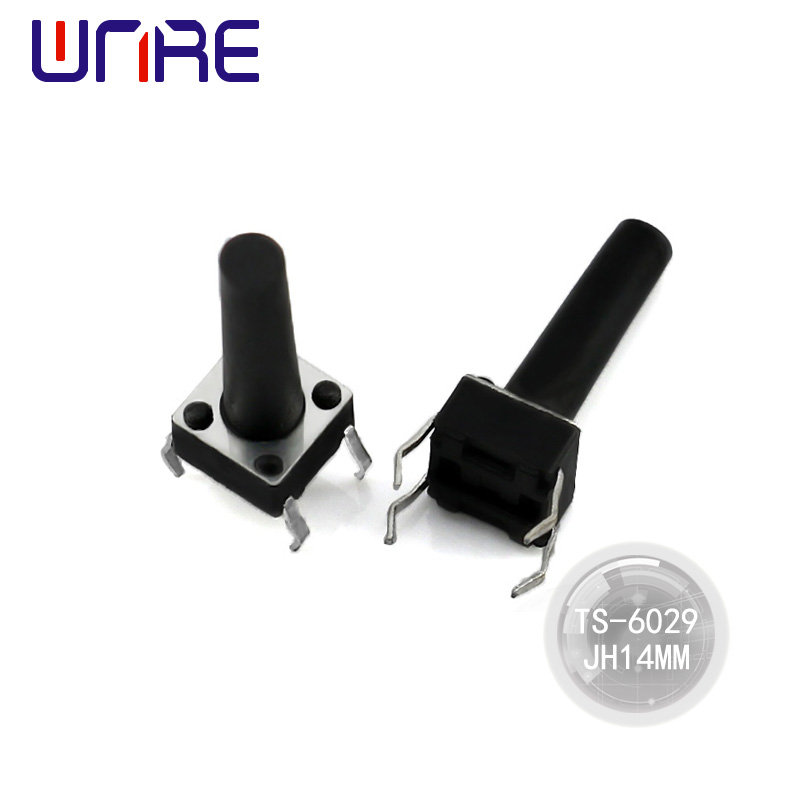
Good Quality TS-6029JH14MM DIP 4P Tact Switch 6*6*14mm Push Button Switch
Automotive Circuit Profile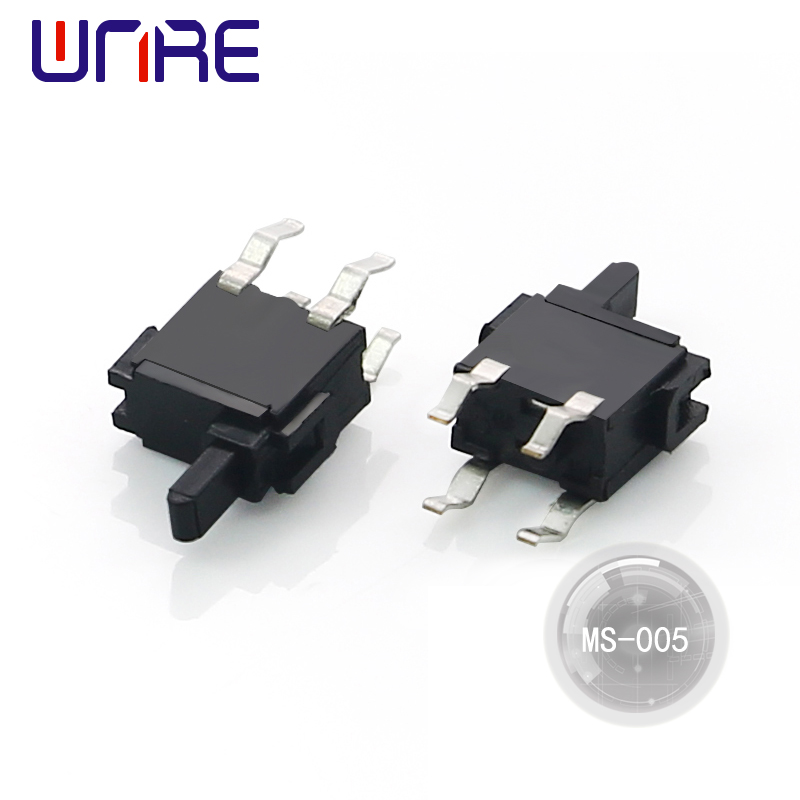
Good Quality MS-005 Micro Switch Limit Detection Switch
Automotive Circuit Profile
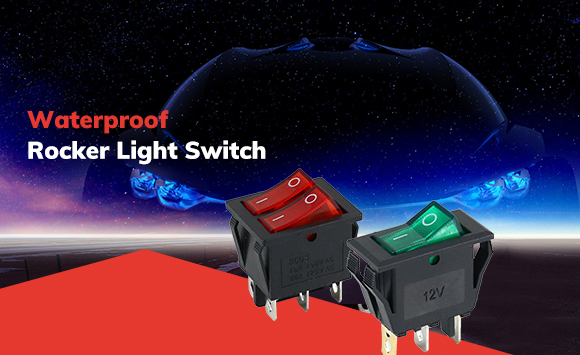
Top Suppliers Tactile Push Buttons - On Off Waterproof Rocker Switch - Weinuoer
Automotive Circuit ProfileThe Evolution of LED Tact Switches in Modern Vehicle Architecture
Navigating the shift toward electrified powertrains, software-defined cockpits, and rigorous functional safety requirements.
The contemporary automotive cockpit is experiencing an unprecedented structural transformation. Driven by the swift adoption of Electric Vehicles (EVs) and intelligent autonomous driving assistance systems (ADAS), the Human-Machine Interface (HMI) has shifted from purely mechanical linkages to sophisticated, software-coupled mechatronic inputs. Central to this integration is the LED tact switch for automotive circuits. Unlike conventional industrial switches, automotive-grade illuminated tactile switches operate at the precise intersection of haptic physical confirmation, optical visual alignment, and transient-free microcurrent signal processing.
Commercial market research confirms that even in an era dominated by large capacitive touchscreen displays, physical illuminated tactile switches remain essential for critical automotive operations. Driver distraction regulations enforced by vehicle safety authorities (such as Euro NCAP and NHTSA) emphasize the retention of physical switchgear for safety-critical functions—including hazard signaling, volume adjustment, ADAS cruise activation, defrosting, and drive selector toggles. An LED tact switch provides instant, eyes-free tactile feedback while simultaneously delivering clear night-time identification through uniform chromatic illumination.
Industrial Supply Chain Trends and Tier-1 Validation Standards
Tier-1 automotive component developers and global automotive OEMs demand extreme reliability parameters for any electromechanical device integrated into 12V and 48V vehicle electrical distribution systems (EDS). Key commercial benchmarks include:
- AEC-Q200 Passive Reliability: All internal components—including internal contact metal domes, embedded LEDs, silicone dampening boots, and solder terminals—must endure strict thermal shock, humidity cycling, and terminal strength evaluations.
- Miniaturization with High Actuator Travel: As center consoles and multi-function steering wheels incorporate more interconnected subsystems within constrained spaces, switch footprints have condensed down to standard dimensions such as 6.0x6.0mm and 6.2x6.2mm, while preserving crisp actuation travel between 0.25mm and 0.55mm.
- Optoelectronic Uniformity: Consistent chromaticity coordinates and luminous intensity bins across multi-switch cluster assemblies are mandatory to prevent visual discrepancies across the cabin instrument cluster under low-light operating conditions.
Circuit Integration Principles: Microcontrollers, LED Drivers & Bus Networks
Designing robust printed circuit board topologies to ensure transient immunity and precision signaling.
Contact Debounce & Signal Cleanliness
Automotive microcontrollers (MCUs) utilize GPIO interrupt pins to sense momentary tact switch closures. Stainless-steel domes offer sub-5ms bounce times, shielded with hardware RC low-pass filters and software debouncing algorithms to prevent false triggers.
Integrated LED Drive Architectures
Modern illuminated tact switches decouple the LED cathode/anode circuit from the switch contact circuit. Engineers implement constant-current PWM drivers to regulate luminosity without producing acoustic coil-whine or localized thermal accumulation.
ESD & Transient Voltage Clamping
Cockpit surfaces are vulnerable to Human Body Model (HBM) electrostatic discharge reaching 15kV. Automotive tact switch architectures incorporate dedicated ground shield legs and TVS diode protection directly at the PCB connector interface.
Multiplexed Bus Communication: LIN & CAN Architecture Interfacing
In modern automotive electronic systems, illuminated tact switches seldom connect directly to heavy discrete wiring harnesses. Instead, switch matrices located on the steering wheel, overhead console, or center console interface with an adjacent local microcontroller executing a Local Interconnect Network (LIN) or Controller Area Network (CAN-FD) slave protocol. This minimizes wiring bundle mass, lowers vehicle curb weight, and simplifies diagnostic fault tracing.
When an illuminated tact switch is actuated, the sudden mechanical closure shifts the voltage divider network or grounds a digital input line. The local controller decodes the matrix location, applies debounce validation, and transmits a serialized CAN frame to the Body Control Module (BCM) or Central Gateway. Concurrently, status commands transmitted back from the vehicle's telematics system determine the LED's active illumination state (e.g., changing from ambient ice-blue backlighting to active amber when a functional system like seat heating or lane-keep assist is enabled).
In-Depth Automotive Circuit Application Environments
Examining specialized mechatronic deployments across vehicle cabin sub-assemblies.
1. Multi-Function Steering Wheel Modules (MFSW)
Steering wheel switches demand ultra-reliable miniature tact switches equipped with crisp snap action (actuation forces typically 2.5N to 3.5N). These switches handle active cruise speed stepping, media navigation, and voice-command engagement, demanding zero misclicks under high-vibration driving conditions.
2. Center Stack HVAC & Infotainment Controls
Rotary encoders with integrated center push-tact buttons depend on surface-mount LED tact switches for centralized status indication. Dual-color LEDs indicate dynamic heating and cooling states through tailored optical light guides.
3. E-Shifter & Electronic Parking Brake (EPB) Assemblies
Electronic shift-by-wire selectors and console-mounted drive mode switches utilize redundant contact tact switches. These configurations ensure fail-safe signal delivery to transmission control computers while confirming engagement via bright backlight transitions.
4. Overhead Console & Panoramic Sunroof Regulators
Overhead lighting pods, SOS telematics calling units, and motorized sunroof triggers leverage slim-profile, soft-actuation tact switches. Integrated silicone rubber actuators attenuate operational sound, ensuring quiet, premium acoustic feedback inside luxury cabins.
5. Door Armrest, Mirror & Window Master Switchpacks
Door assemblies are routinely exposed to severe environmental stressors, including wind-blown rain, spilled beverages, and intense thermal swings. Sealed IP67 tactile switches with internal vulcanized membranes safeguard circuit traces against corrosion and premature switch failure.
Ergonomic Force Curves, Tactile Feel & Optical Diffusion
Balancing subjective user feedback with objective mechanical displacement metrics and uniform night-time illumination.
The sensory perception of a vehicle's interior controls directly impacts a customer's appraisal of overall build quality. The "click feel" or tactility of an LED tact switch is defined mathematically by its Tactile Snap Ratio:
Where F1 represents the peak operating force required to collapse the internal metal dome, and F2 represents the return force immediately following the tactile click. In automotive cockpit circuits, an optimal snap ratio between 40% and 60% is targeted. A ratio below 30% feels mushy and indistinct to a driver wearing gloves, while a ratio above 70% can introduce sharp metallic resonance that detracts from interior acoustic refinement.
Optical Light Guides and Chromatic Dispersion
Integrating an LED within or adjacent to a tactile switch presents complex optical dispersion challenges. Automotive interior stylists require laser-etched symbols on button keycaps to illuminate evenly across their entire surface, with no localized hot-spots or luminance drop-off. Leading automotive LED tact switches address this through:
- Integrated Bi-Color SMD Chips: Surface-mounted micro-LEDs positioned centrally inside the plunger or aligned with engineered light pipe guides.
- Diffuse Polycarbonate Actuators: Actuator materials compounded with optical light-scattering micro-particles that turn concentrated point-source LED light into wide, homogenous Lambertian fields.
- Thermal Separation Channels: Thermal isolation barriers between the LED die and the mechanical dome spring, preventing localized heat build-up from altering the metallic elasticity and fatigue life of the stainless-steel dome.
Validation Protocols: Environmental, Mechanical & Chemical Endurance
Ensuring faultless performance under extreme thermal shock, random vibration, and exposure to cleaning fluids.
Automotive circuits operate in environments far more punishing than consumer electronics. A switch installed in an instrument panel must survive blistering dashboard solar gain in summer and freezing conditions during sub-zero cold starts.
- Thermal Shock Profiling: Continuous operation through 1,000 thermal cycles ranging from -40°C to +105°C (extended to +125°C for under-hood detection switches), maintaining dome elasticity and stable LED forward voltages.
- Random Mechanical Vibration (ISO 16750-3): Broad-spectrum vibrational endurance along X, Y, and Z axes to guarantee that vehicle chassis resonance never induces contact chattering or false switch closures.
- Chemical Fluid Ingress: Resistance to sweat, sunscreen lotions, soft drinks, hand sanitizers, and automotive interior cleaning agents without polymer embrittlement or surface degradation.
Next-Generation Smart Surfaces & In-Mold Electronics (IME)
Merging mechanical tactility with decorative wood, capacitive touch foils, and ambient illumination.
The boundary between classic electromechanical switches and decorative trim surfaces is quickly blurring. "Shy tech" and hidden-until-lit smart surfaces are becoming defining design traits in luxury EV interiors. Under these monolithic wood-grain, brushed aluminum, or faux-carbon surfaces, ultra-thin LED tact switches provide the essential physical confirmation when a user interacts with a backlit touch icon.
By pairing low-profile tactile switches with in-mold capacitive sensor foils, designers eliminate the inadvertent triggering common to pure capacitive touch controls. The user brushes their finger across the sleek surface to identify the illuminated symbol, and then presses down with gentle force (2.0N - 3.0N) to collapse the underlying tact dome, generating crisp, affirmative haptic feedback. This hybrid approach represents the cutting edge of contemporary automotive cockpit design.
About Us: Global Connector & Electromechanical Manufacturer
Delivering precision-manufactured switches and electrical interconnect solutions to global automotive and industrial supply chains since 2004.
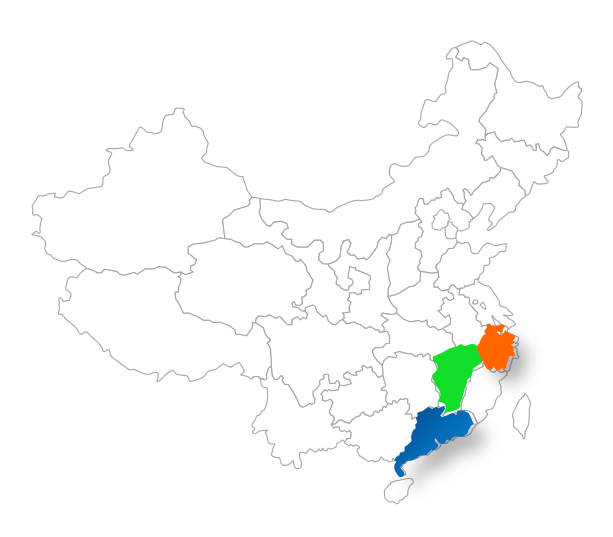
Our company has been a electronic connectors professional manufacturers since 2004. The head office is located in Yueqing China. Company has more than 200 employees. branch in Jiangxi (factory)and Shenzhen(counter). We Cooperate with Shenzhen University to develop products. Main Markets Southern Europe,Western Europe,North America,South Asia,Domestic Market. Main products Power Jacks Series,Phone Jacks Series,Switch Series,RCA Pin Jack Series,Network socket series.
ChinaWellnow is an enterprise with a sense of social responsibility. It is actively committed to the improvement of enterprise activities, goods, services and other related quality and environmental protection (including biodiversity). At the same time, it builds a solid trust relationship between customers and business partners, and maintains and improves this trust relationship forever.We satisfy all our clients with advanced products,competitive prices, fast delivery and one-stop service. It's our mission to boost our customer's business.
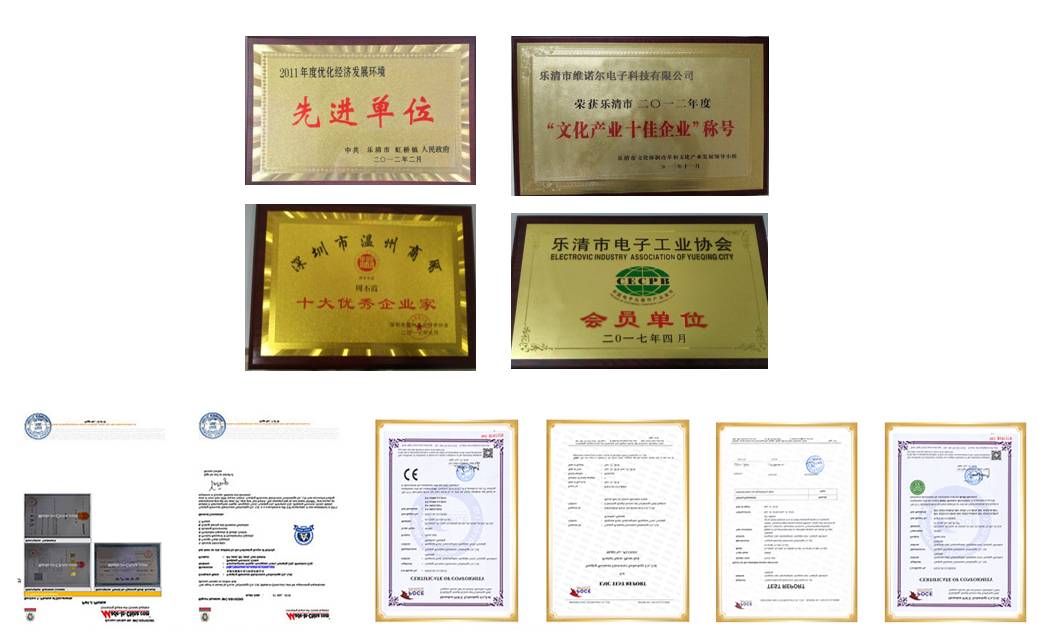
Our factory with its R & D, product engineering and quality control department, was certified with ISO 9001:2015 in 2005.Most of our products shown on this website are certified as being in compliance with UL,VDE and ENEC standards. We Cooperate with Shenzhen University to develop products.

Headoffice (Yueqing)
The headquarters of the company is located in Yueqing, Zhejiang Province, which is the national electronic and electrical distribution center. The headquarters has set up domestic and foreign trade department, technology research and development department and production department.
Shenzhen Office
The office is set up in Shenzhen, China's trade center. It always pays attention to market trends, understands market demand and feeds back to the company's headquarters in time. It is an important window for trade.
Branch Jiangxi
With 5000 ㎡ production area and 200 professional production workers working hard in the production line. Next step is set up branch factory in Yunnan Province in 2021.
More than 200 employees
With 5000 ㎡ production area
Professional manufacturers
Production Technology & Assembly Line Video
Take an inside look at our advanced manufacturing lines, automated tooling centers, and rigorous quality inspection protocols.
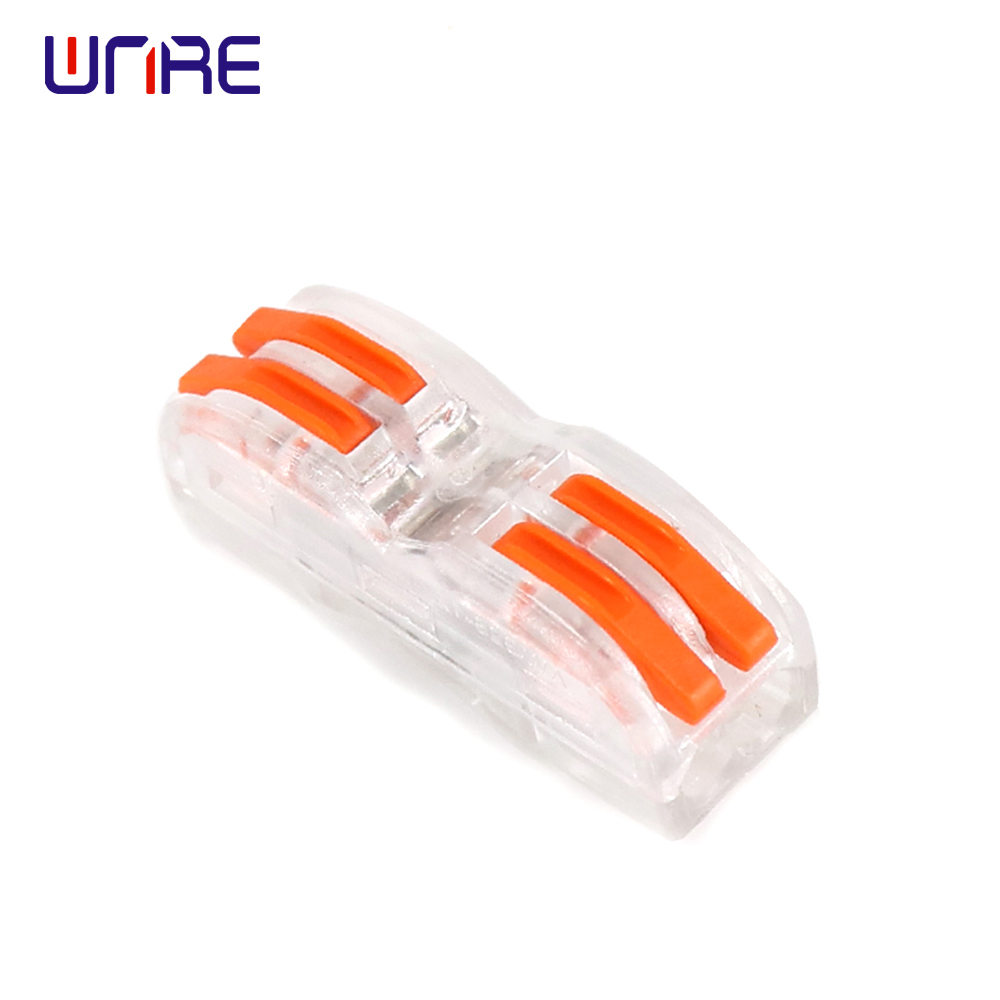
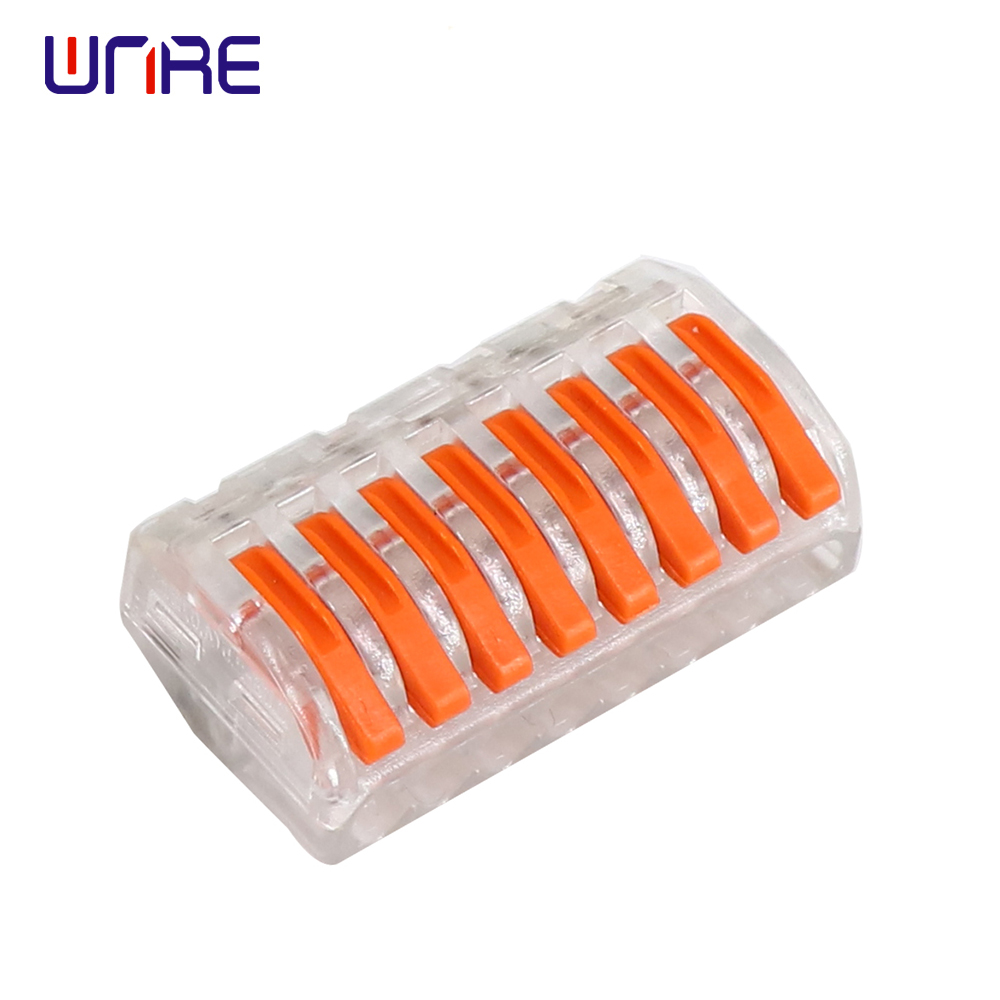
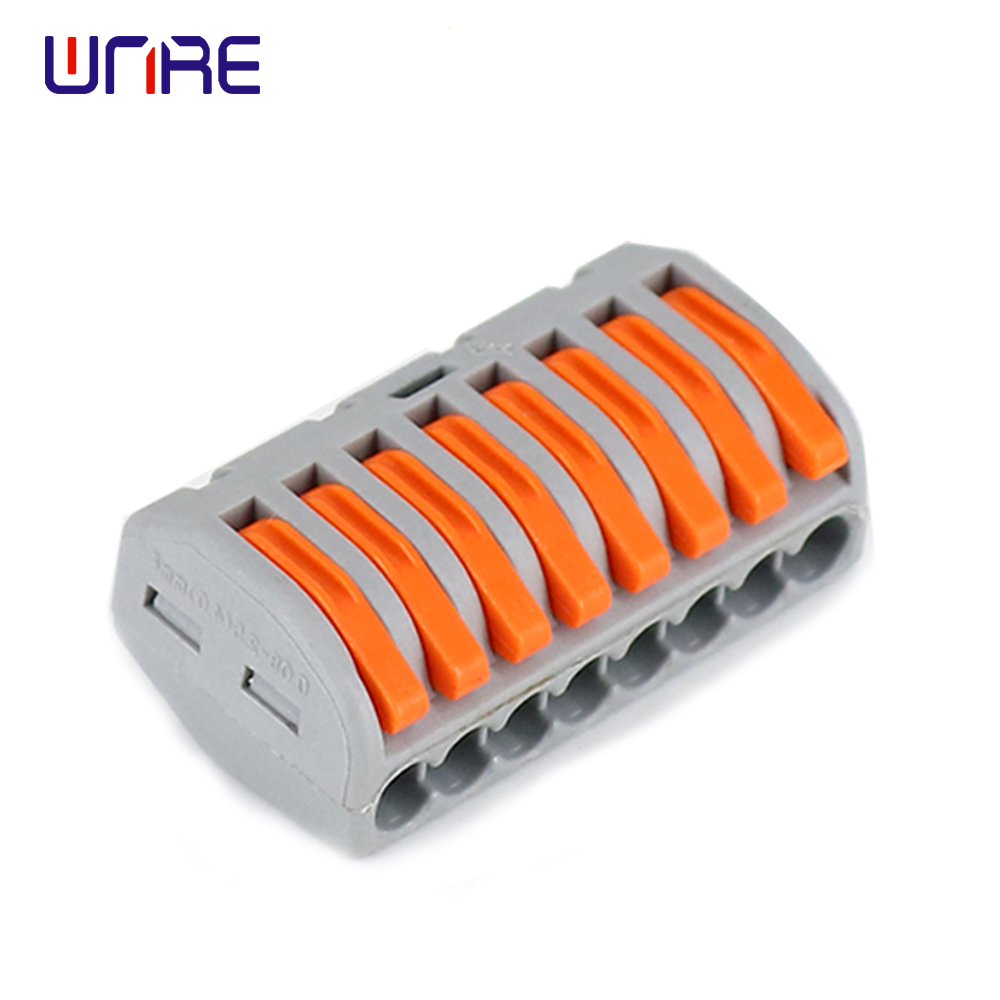
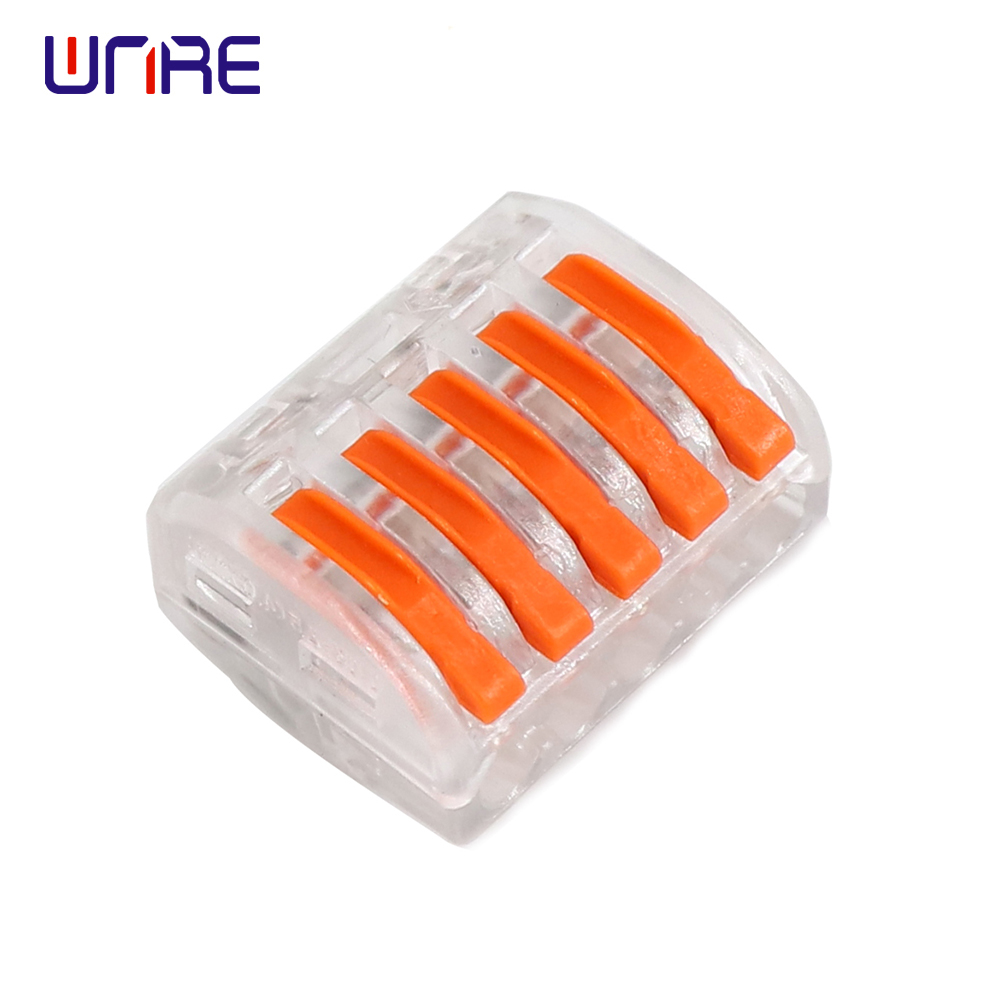
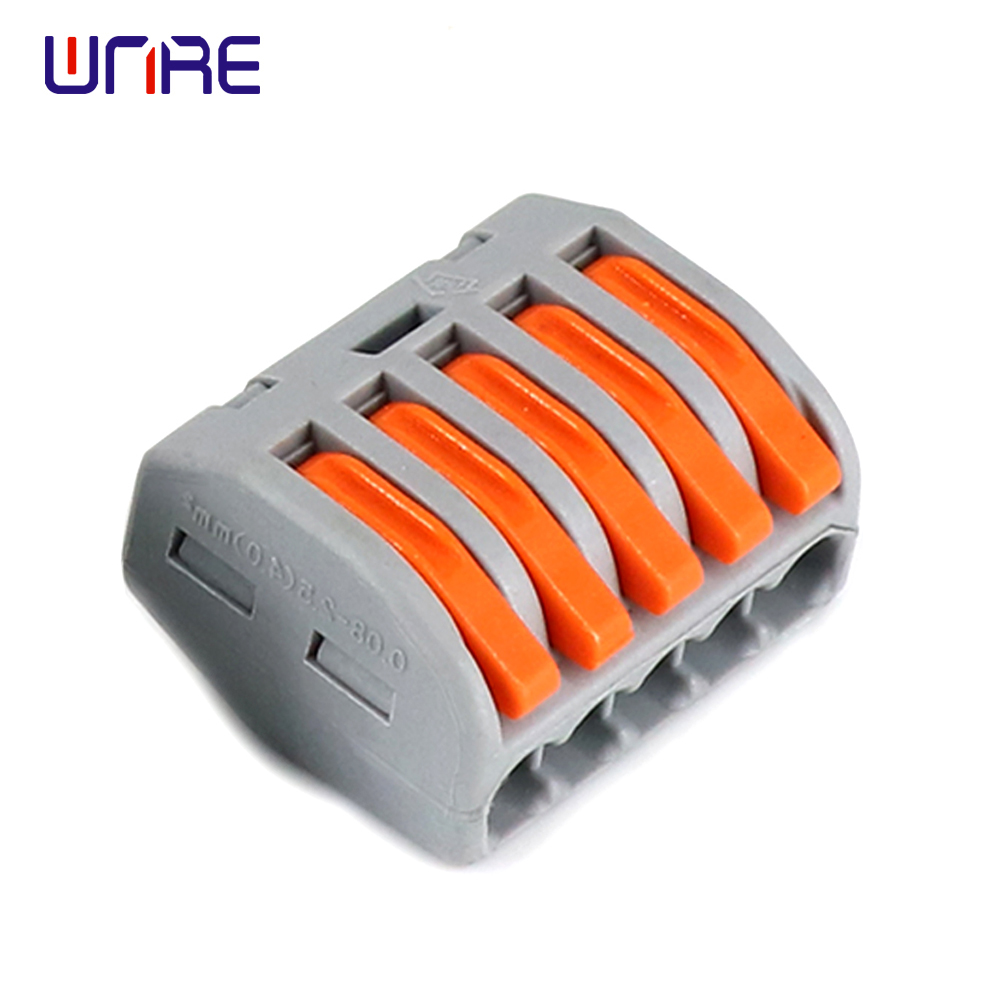
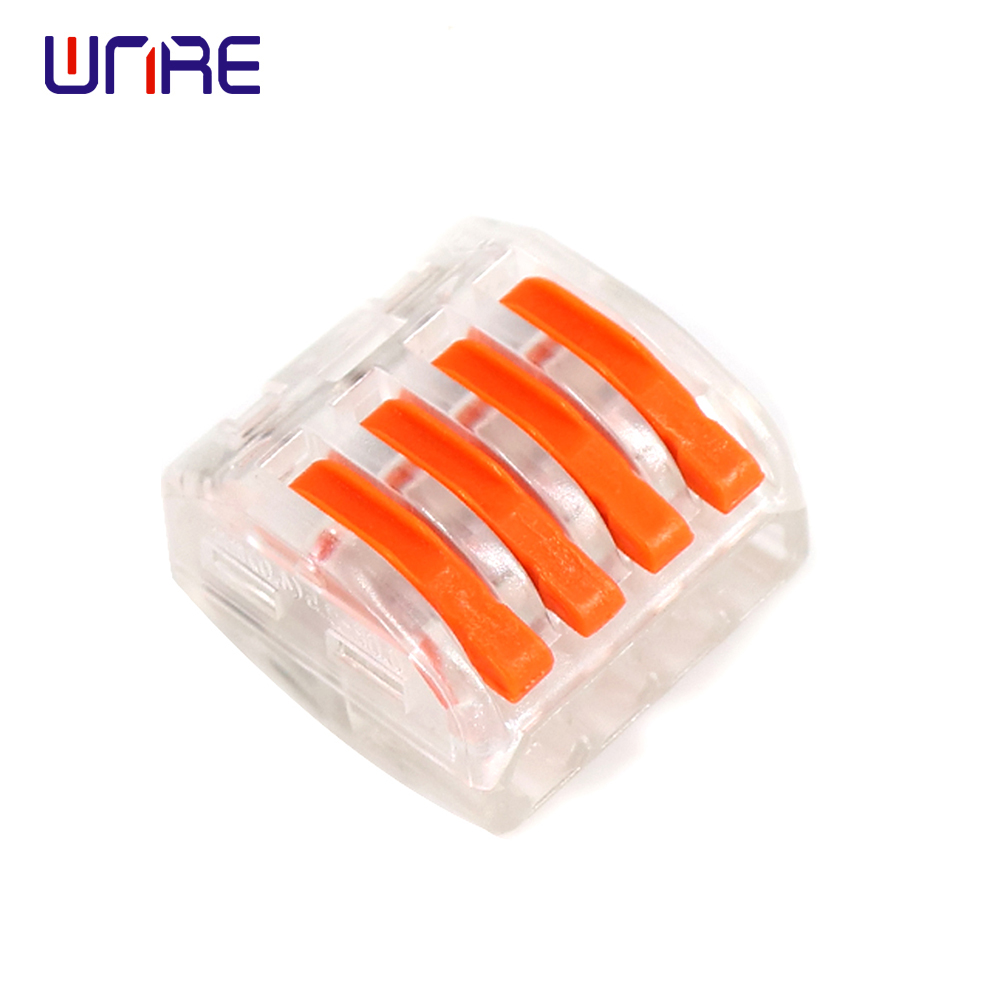
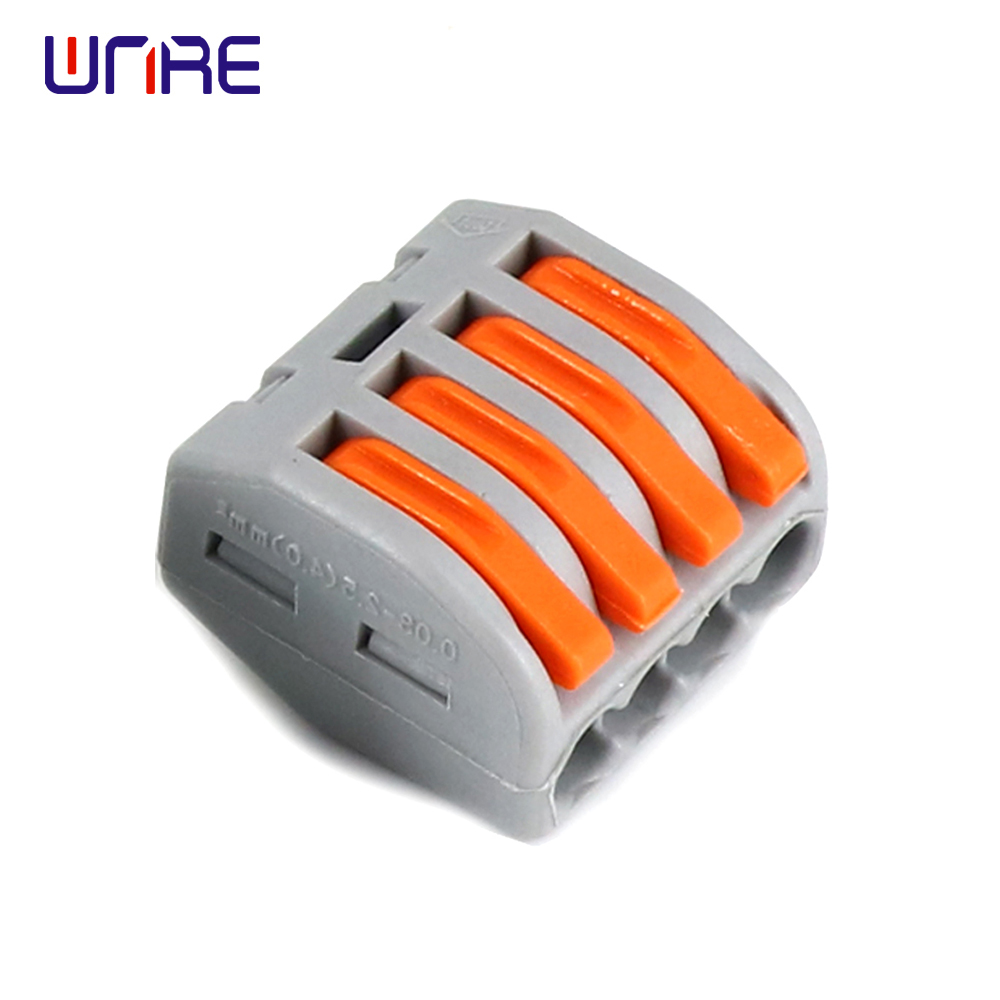
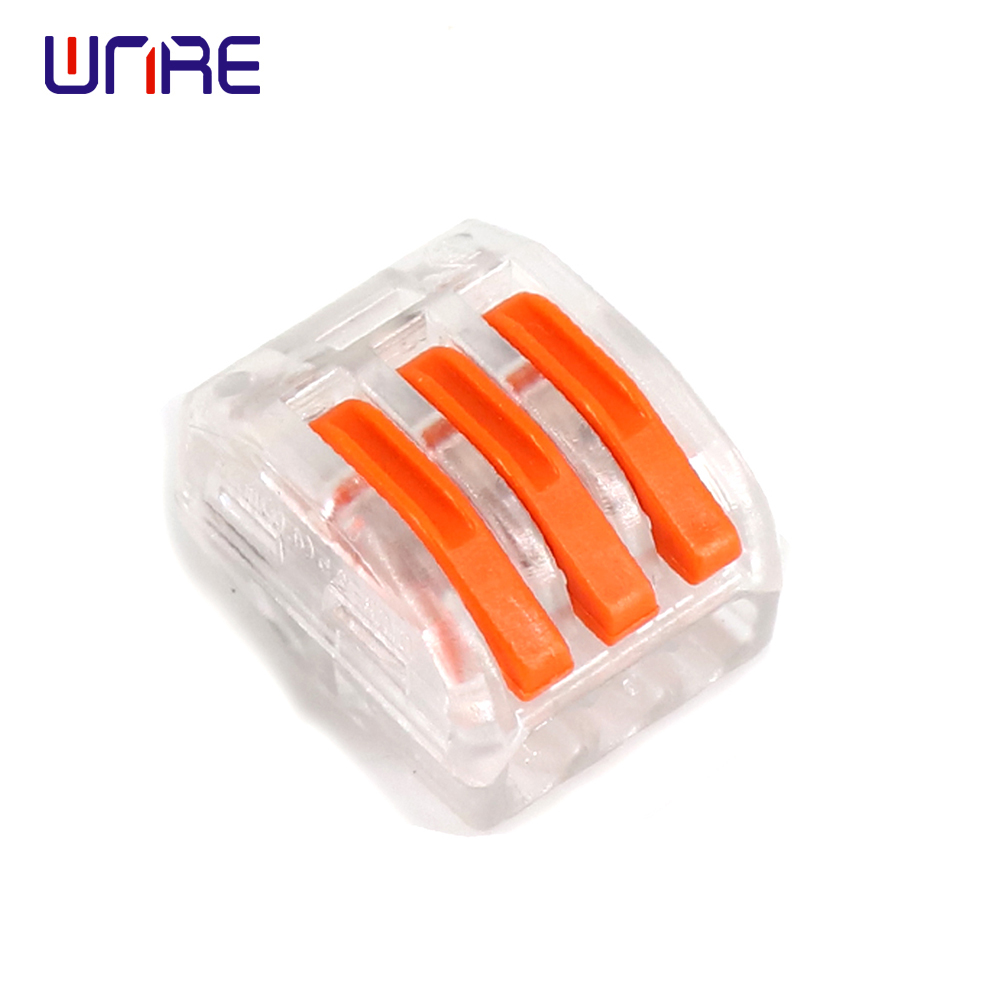
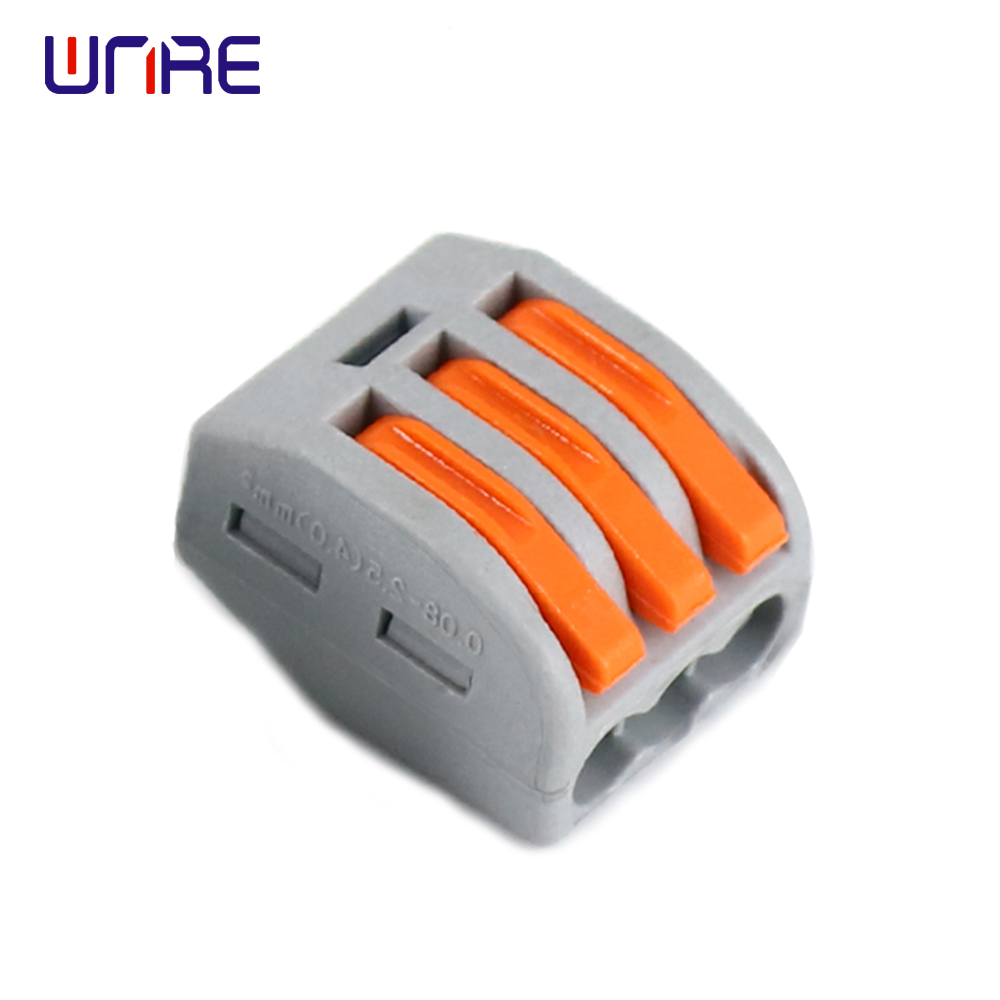
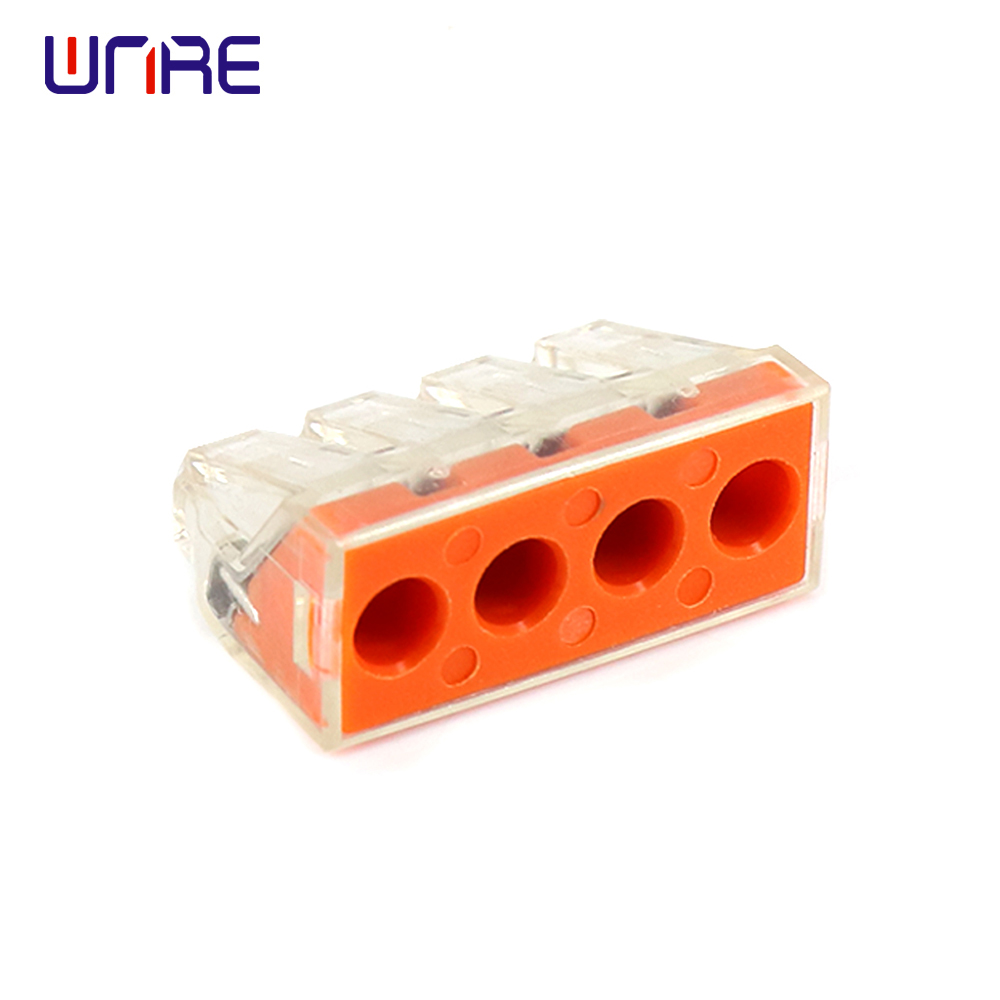
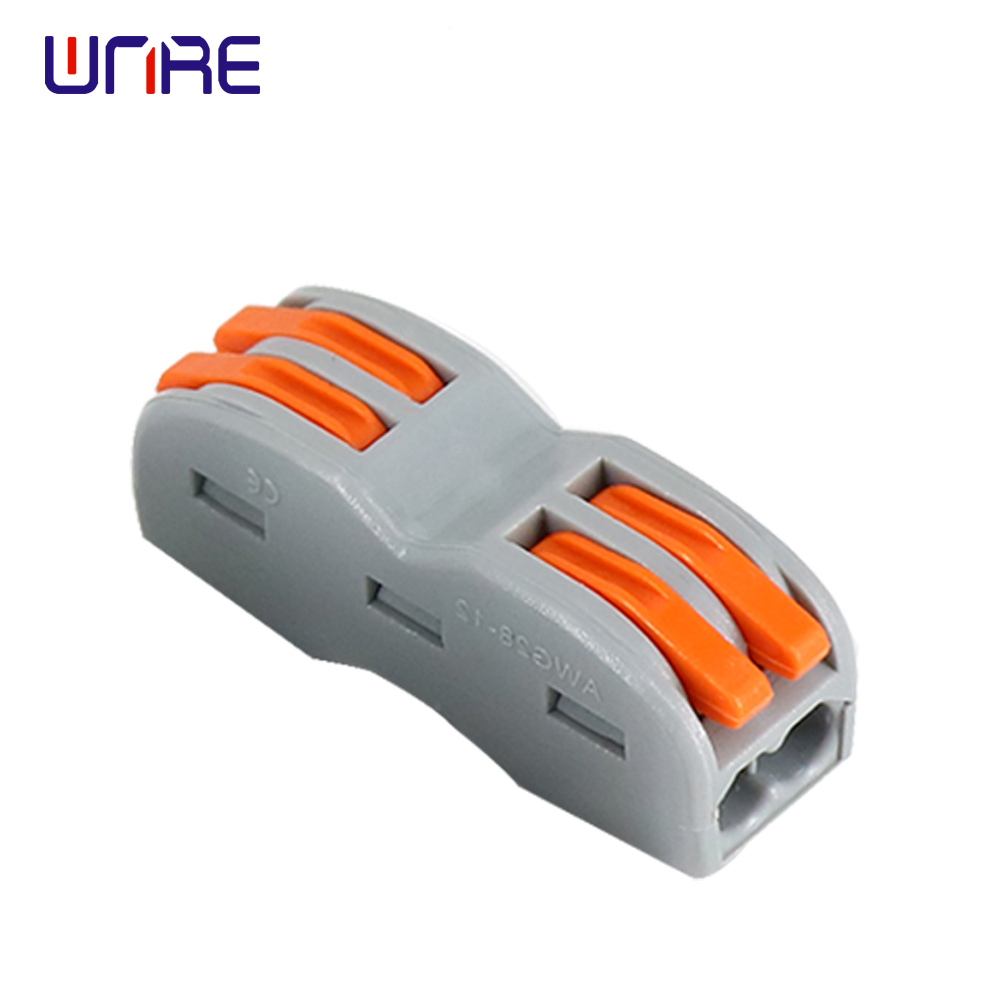
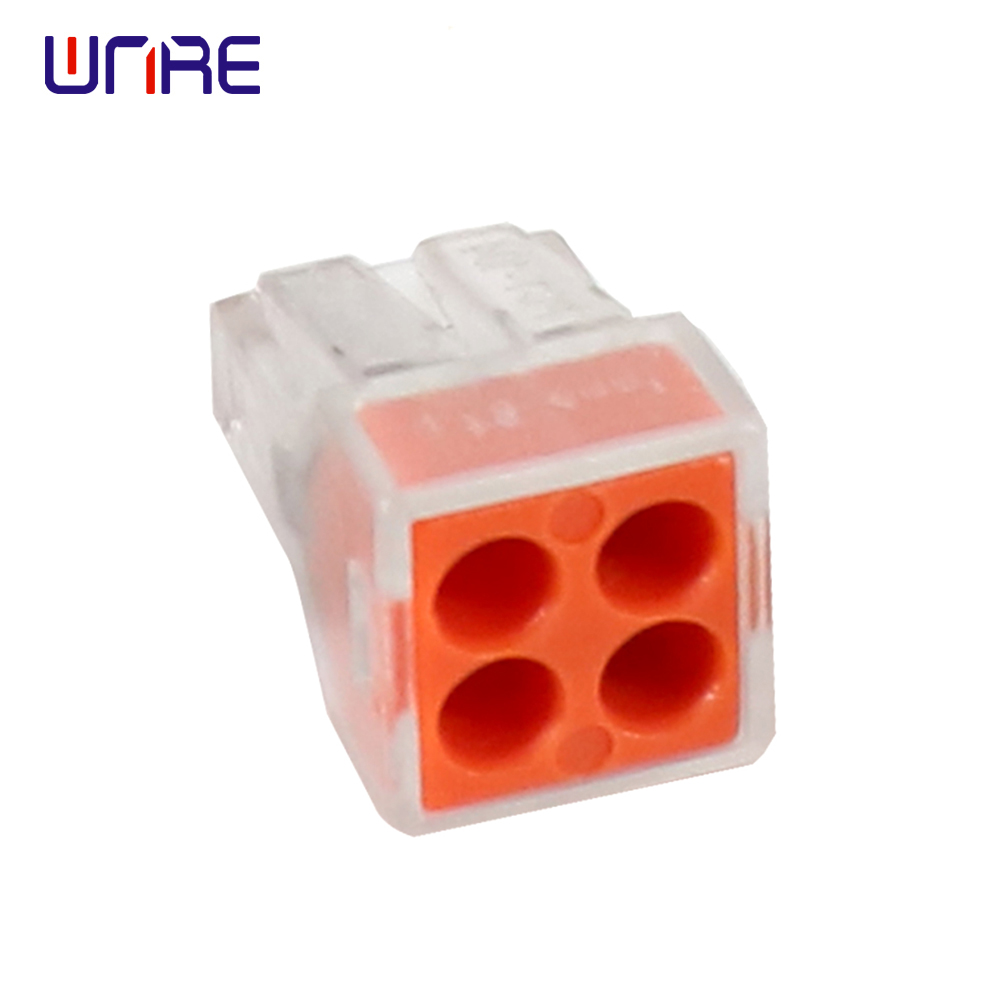
Rapid Wire Connectors for Automotive Circuit Harnesses
Engineered quick-splice terminal blocks for tool-free, vibration-resistant cable harnesses and vehicle electronics integration.
Complete Precision Switch & Jack Product Range
Original electromechanical switch and audio/video connector lineup engineered to meet exacting global industrial standards.
Good Quality MS-005 Micro Switch Limit Detection Switch
View Details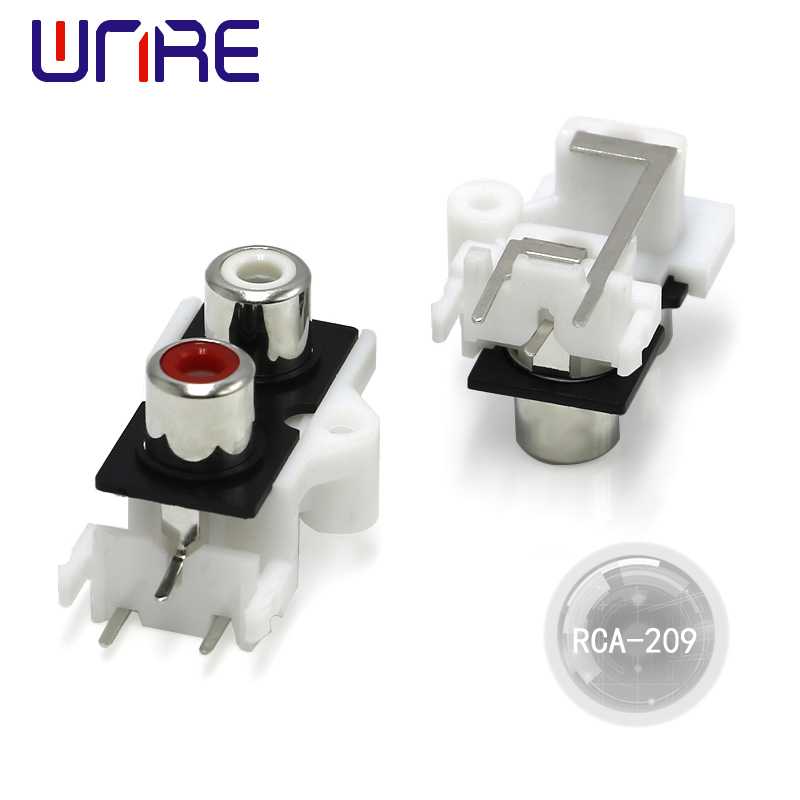
Good Quality RCA Socket RCA Connector Female Pcb Mount Cable Connector For DVD/TV/CCTV/Home Theatre System/Audio/Video
View Details
Top Suppliers Tactile Push Buttons - On Off Waterproof Rocker Switch - Weinuoer
View Details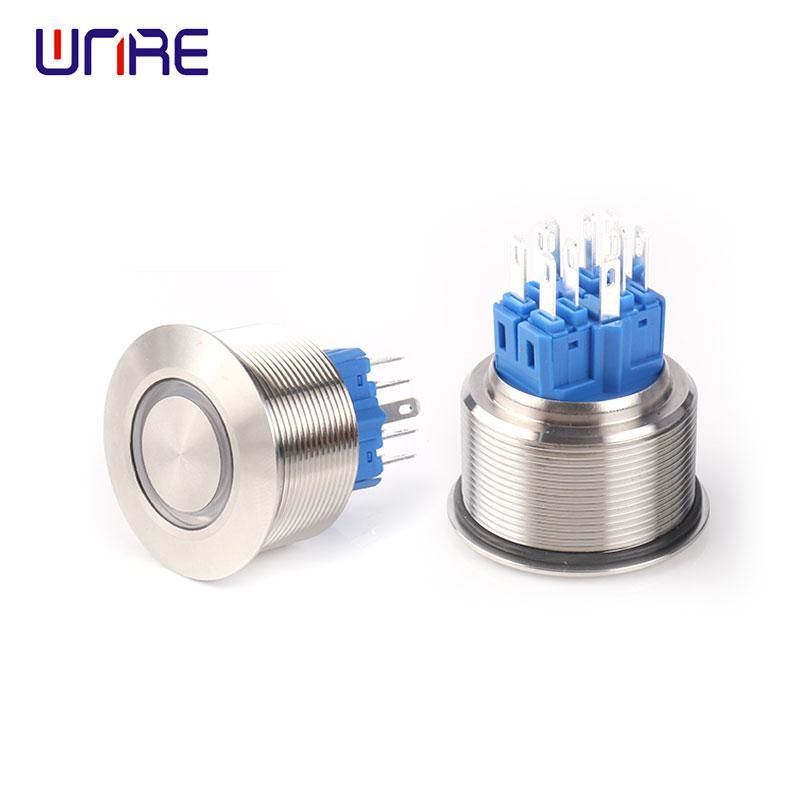
Q28A-3
View Details
Good Quality TS-6029JH14MM DIP 4P Tact Switch 6*6*14mm Push Button Switch
View Details
Factory Direct Sale TS-6041J Waterproof 4P Tact Switch DIP Push Button Switch
View Details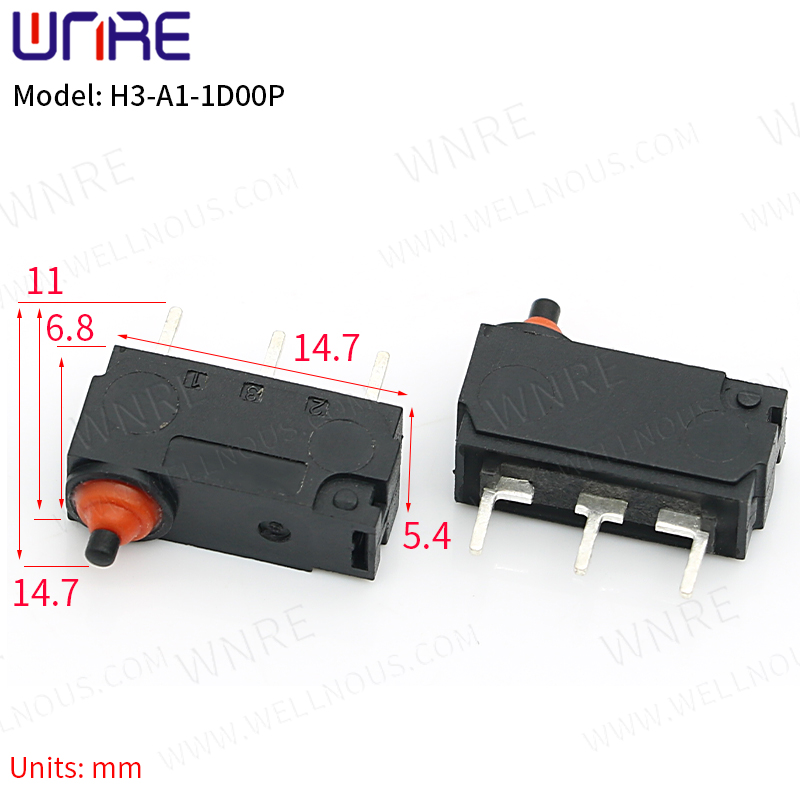
H3-A1-1D00P Waterproof Micro Switch Self-reset Switch Sensitive Switch
View Details