Marine Toggle Switches in the Turkish Maritime & Shipbuilding Sector
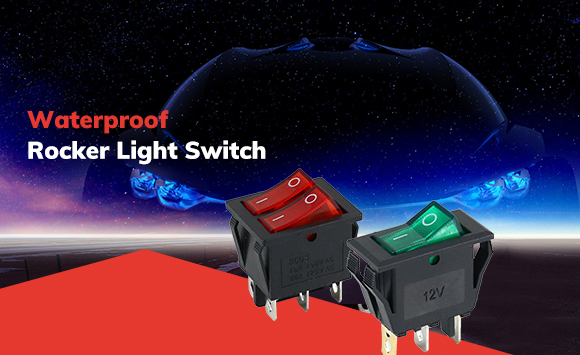
The maritime industry in Türkiye represents one of the world's most dynamic and rapid-growing nautical engineering hubs. Positioned strategically across the crossroads of Europe, Asia, the Black Sea, and the Mediterranean, Turkey has established itself as an international powerhouse in megayacht construction, commercial vessel manufacturing, naval defense shipbuilding, and comprehensive vessel refitting. At the core of every vessel's operational safety and electrical integrity lies its low-voltage power distribution network, helm instrumentation, and cockpit switchgear. Among these crucial components, the marine toggle switch serves as an indispensable electro-mechanical control device, engineered to withstand extreme salinity, aggressive UV degradation, intense mechanical vibration, and perpetual exposure to salt spray.
IP67 / IP68 Ingress Protection
Integrated fluorosilicone dynamic O-ring seals, hydrophobic rubber toggle boots, and potted terminal chambers prevent moisture penetration under high-pressure water jets and continuous bilge dampness.
Marine-Grade Salt Fog Resistance
Utilizing 316-grade stainless steel actuation levers, nickel-plated copper alloy terminals, and corrosion-inhibiting beryllium-copper spring mechanisms for uninterrupted electrical conductivity.
Ignition Protected & Flame-Retardant
UL94-V0 rated thermo-plastic housings meeting ISO 8846 and SAE J1171 marine standards, eliminating electric arc sparks in enclosed petrol or lithium battery engine compartments.
The Industrial & Regional Landscape of Turkish Maritime Manufacturing
Türkiye’s shipbuilding and marine equipment supply ecosystem is characterized by specialized regional clusters, each demanding distinct performance standards and custom configurations for marine toggle switches, push-in terminal blocks, and waterproof connectors:
1. Tuzla and Yalova Shipbuilding Clusters: Situated along the Marmara Sea, Tuzla and Yalova form the epicenter of Turkey’s commercial shipbuilding, specialized chemical tanker manufacturing, subsea offshore support vessels, and tugboat production. Marine toggle switches used in these shipyards must meet rigorous classification society standards (such as Türk Loydu, DNV, Bureau Veritas, and Lloyd's Register). Heavy-duty On-Off-On (DPDT) and momentary (SPST) switches are deployed extensively within auxiliary engine consoles, emergency generator override panels, hatch cover hydraulics, and navigational beacon controllers.
2. Antalya Free Trade Zone (Superyacht Manufacturing Hub): Antalya has earned global prestige as the Mediterranean capital for custom luxury superyacht and explorer yacht construction. High-net-worth yacht buyers demand minimalist, elegant helm stations combining aerospace-grade illuminated toggle switches with high-tech anodized aluminum dash fascias. In luxury yacht cockpits, toggle switches require precision haptic feedback, subtle LED ring illumination (12V DC / 24V DC), and customizable laser-etched switch legends representing underwater lighting, anchor windlasses, thrusters, and deck washdown pumps.
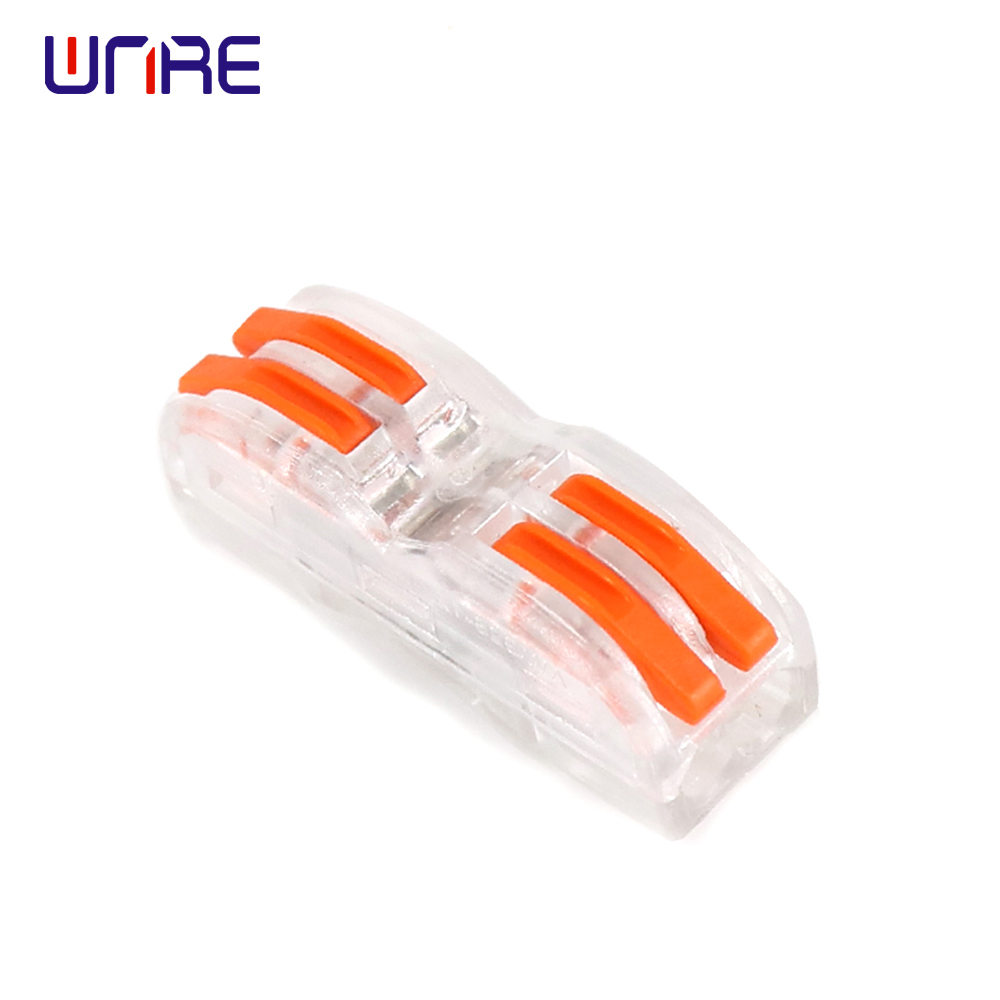
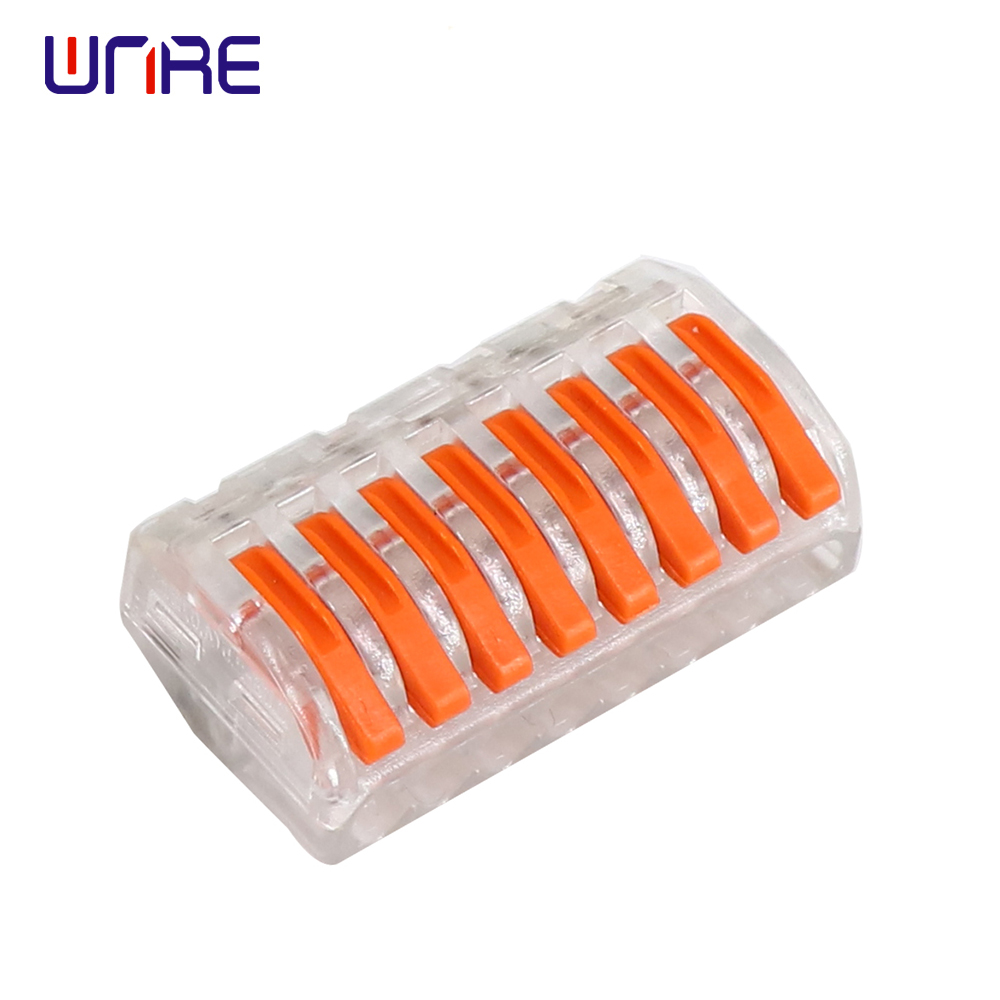
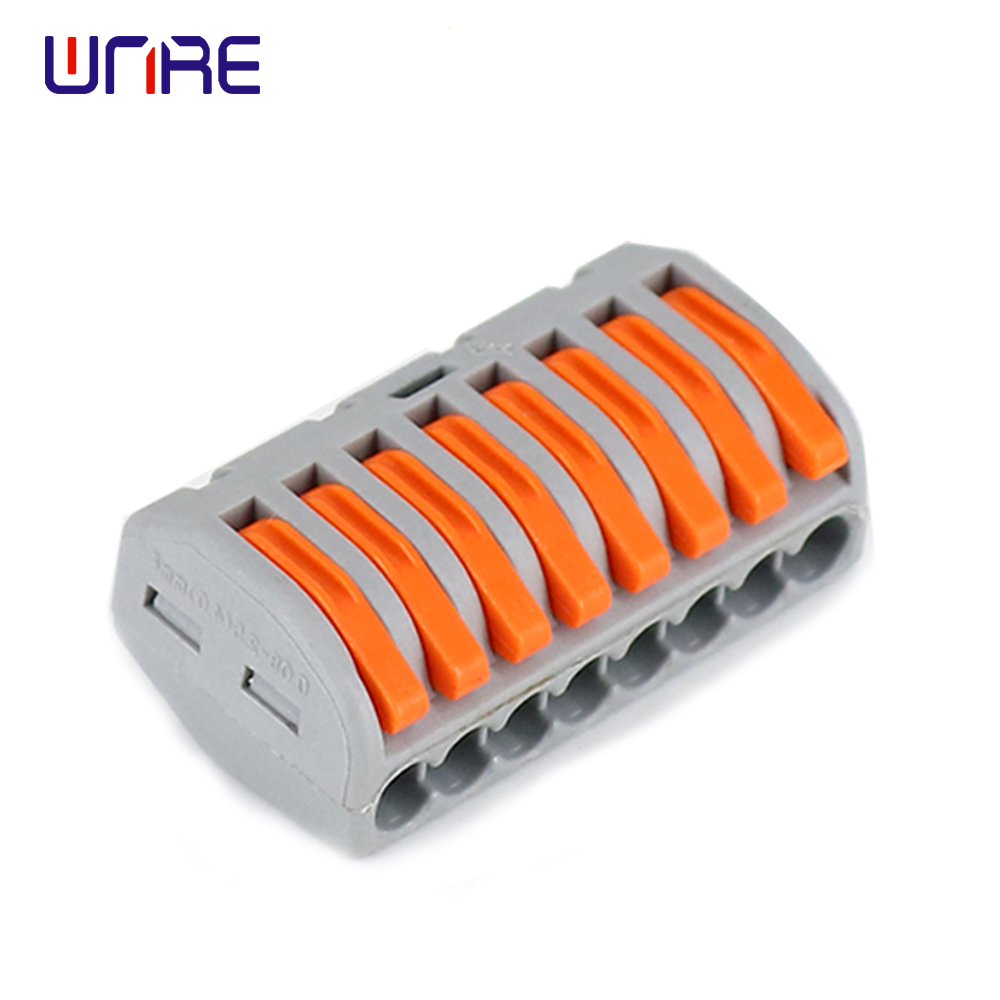
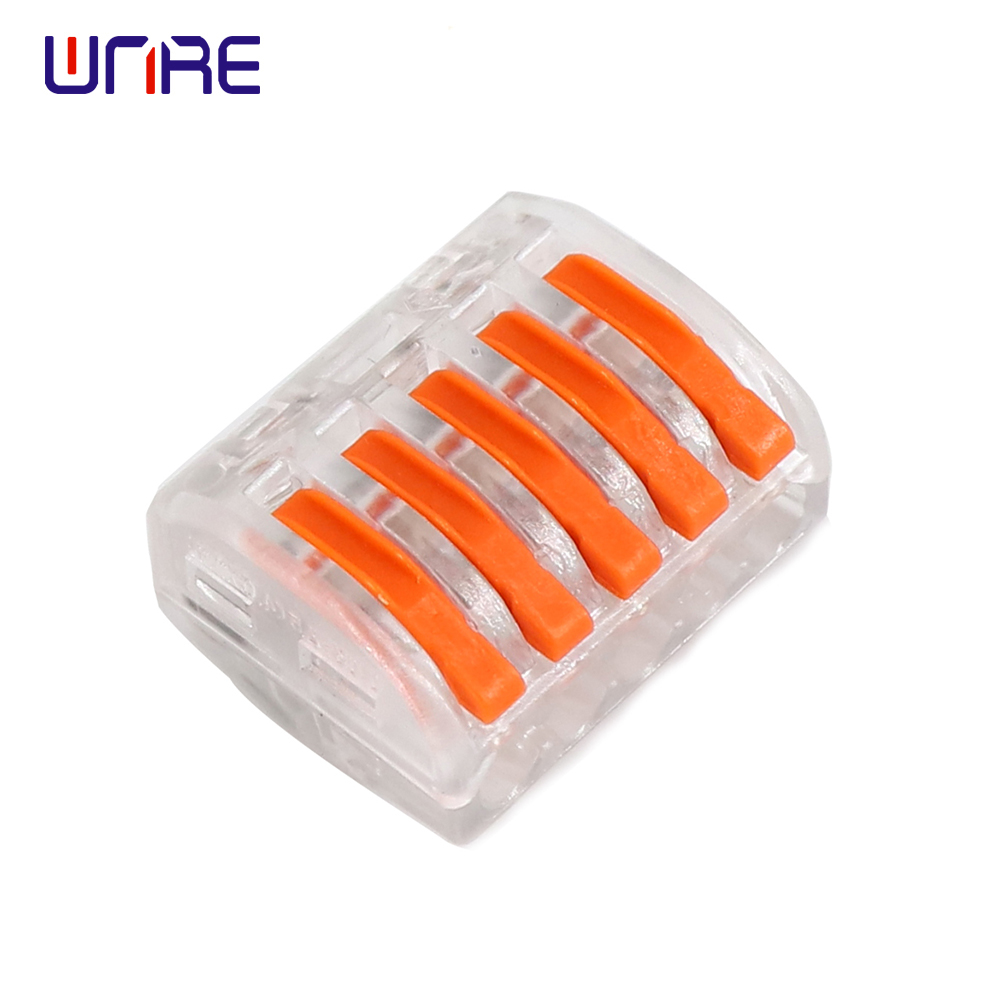
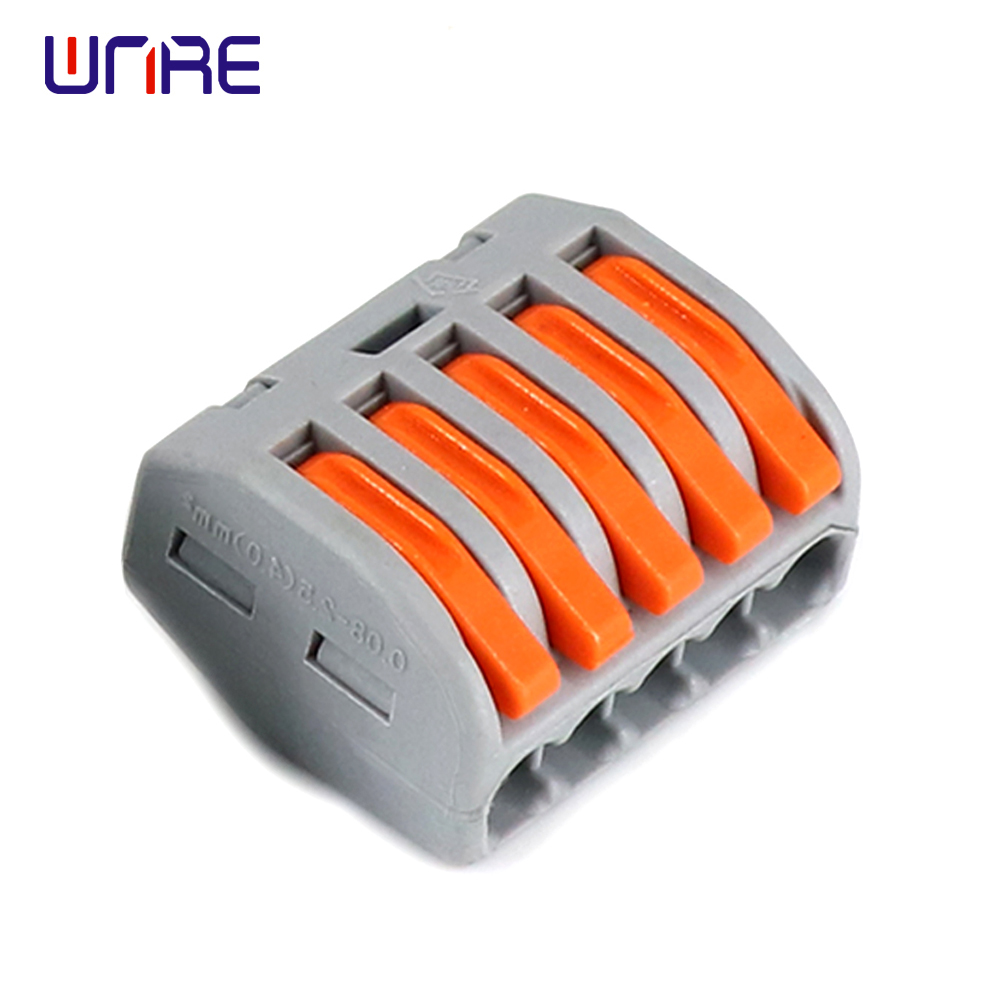
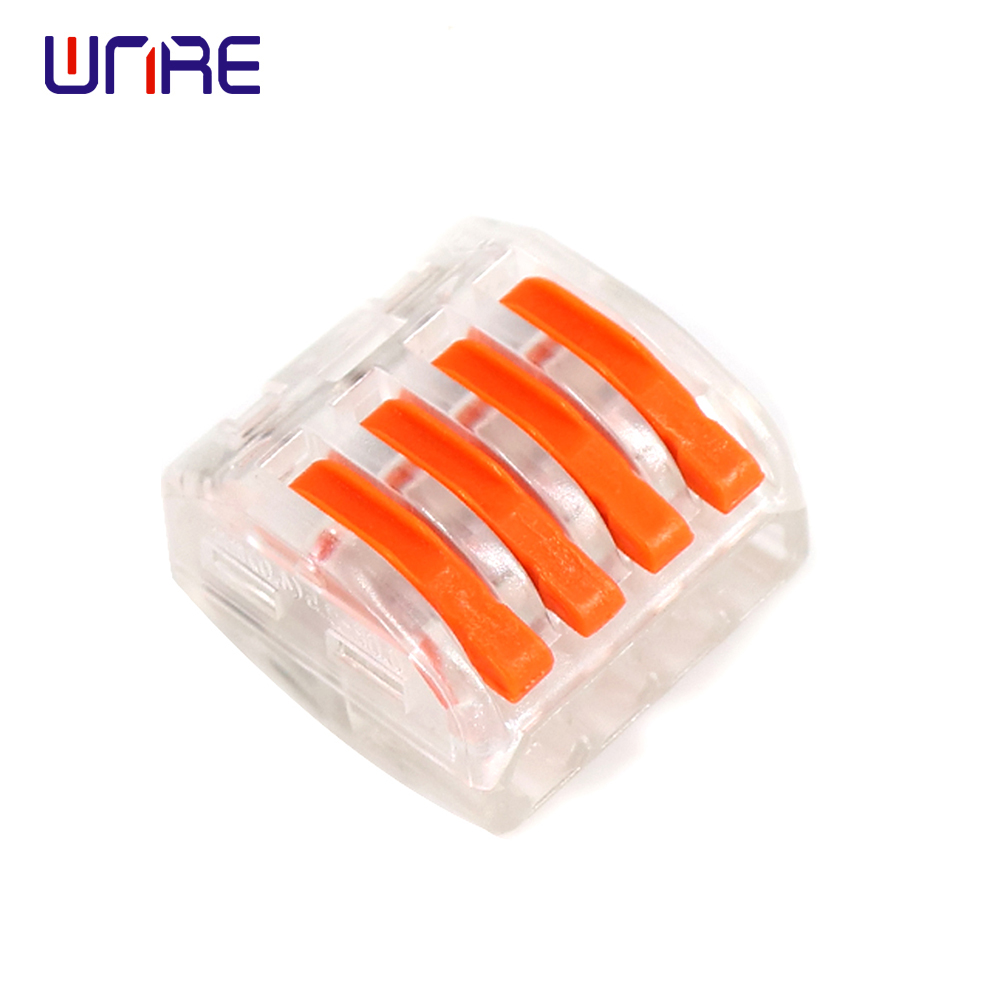
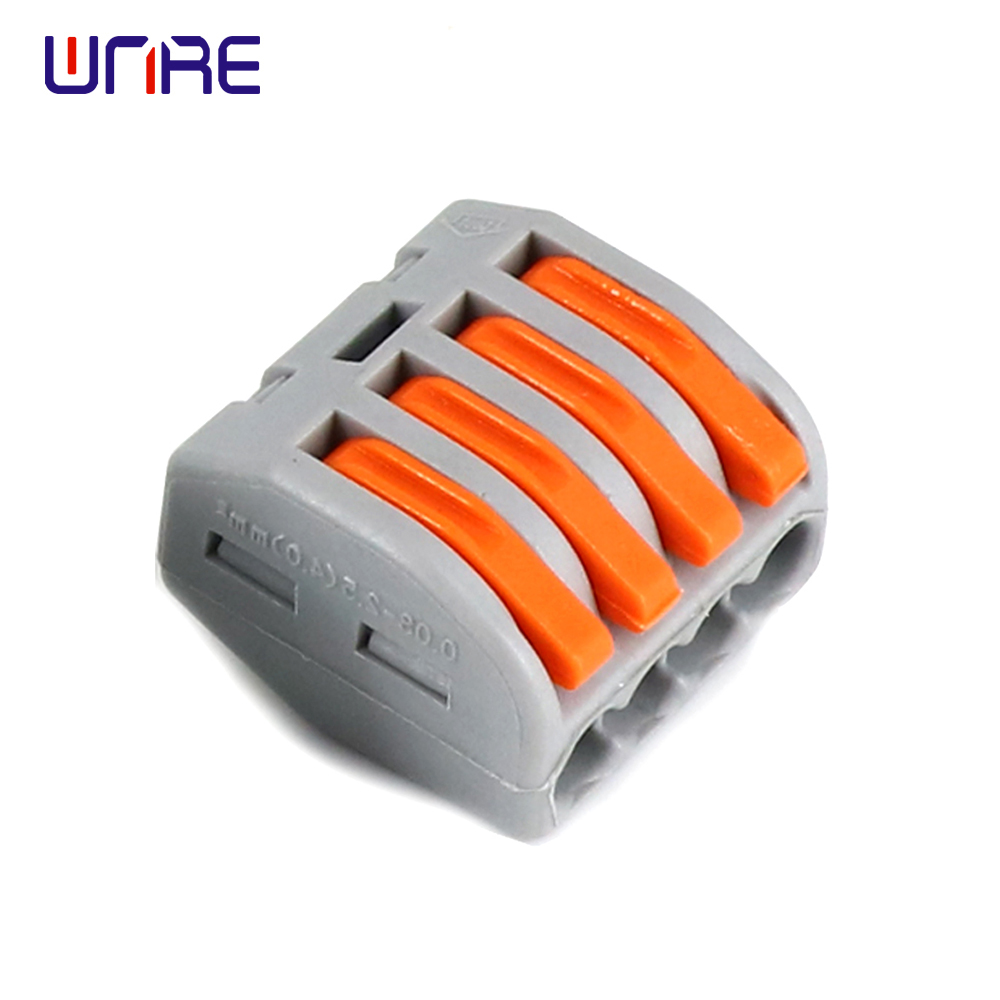
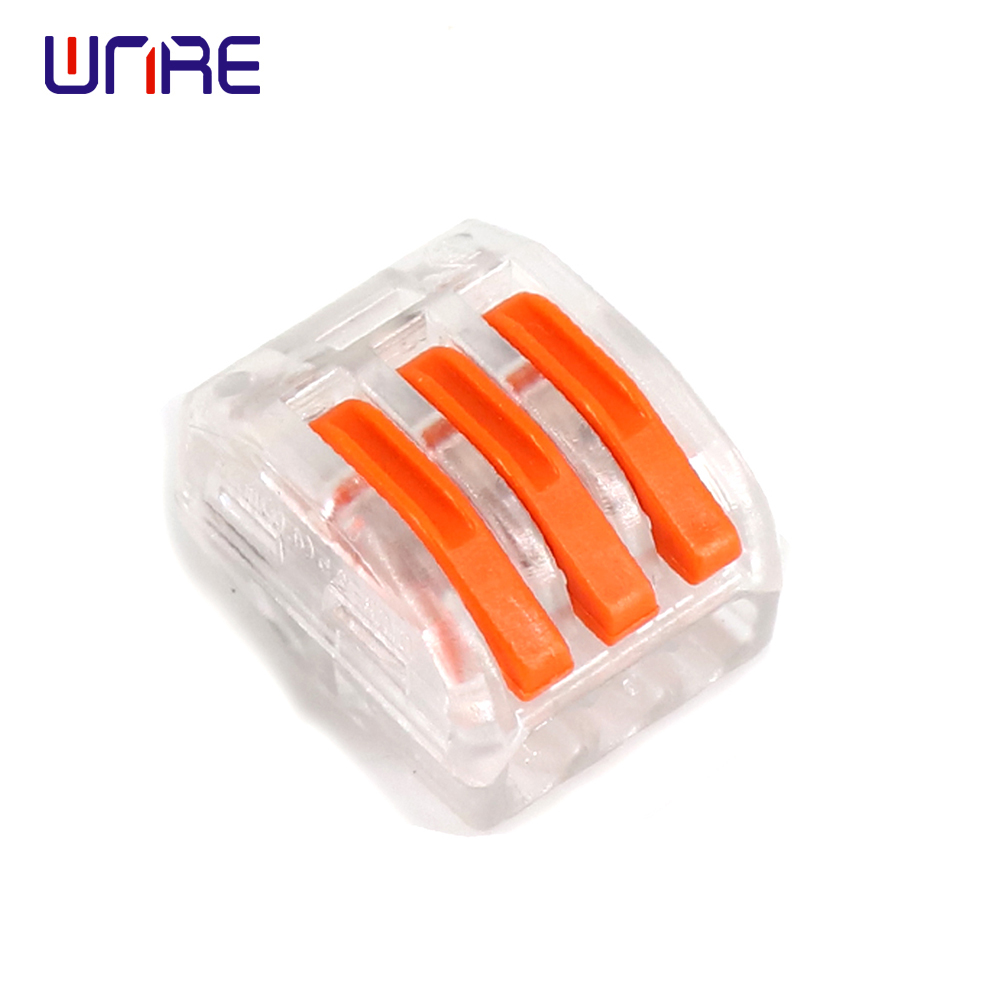
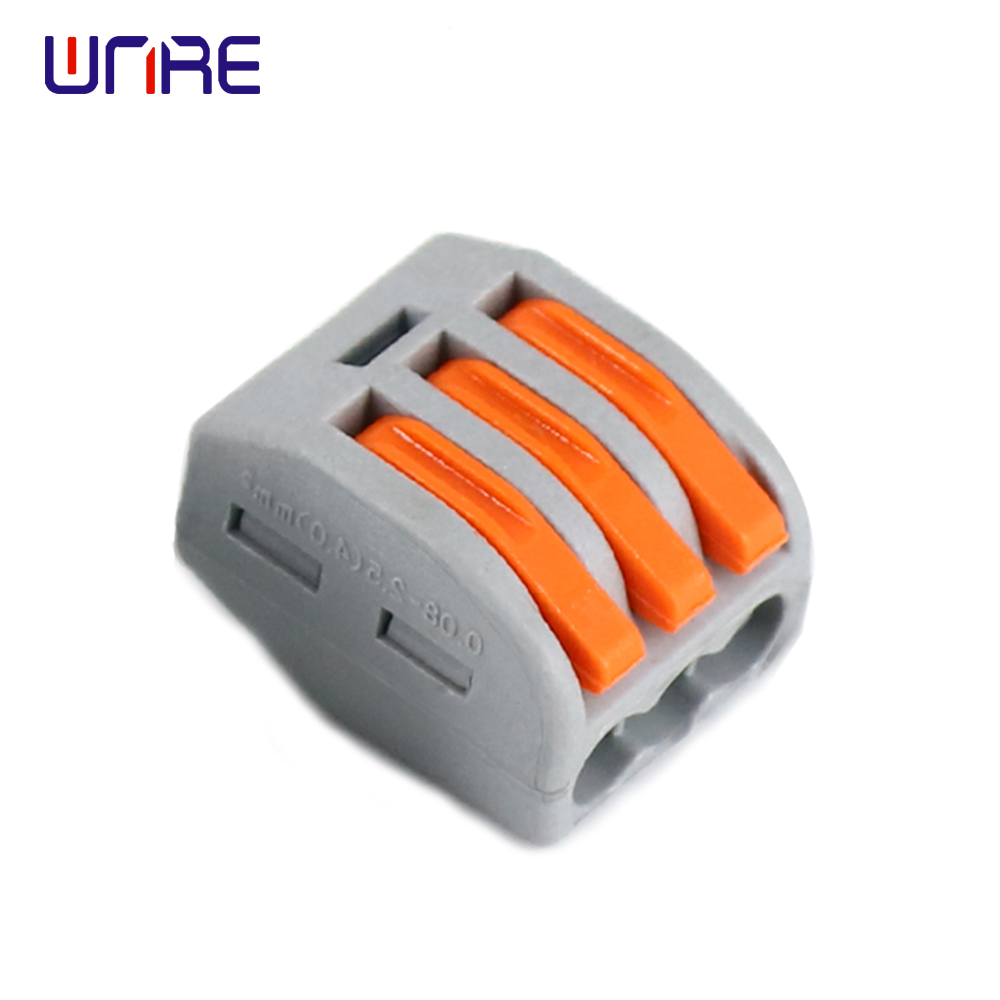
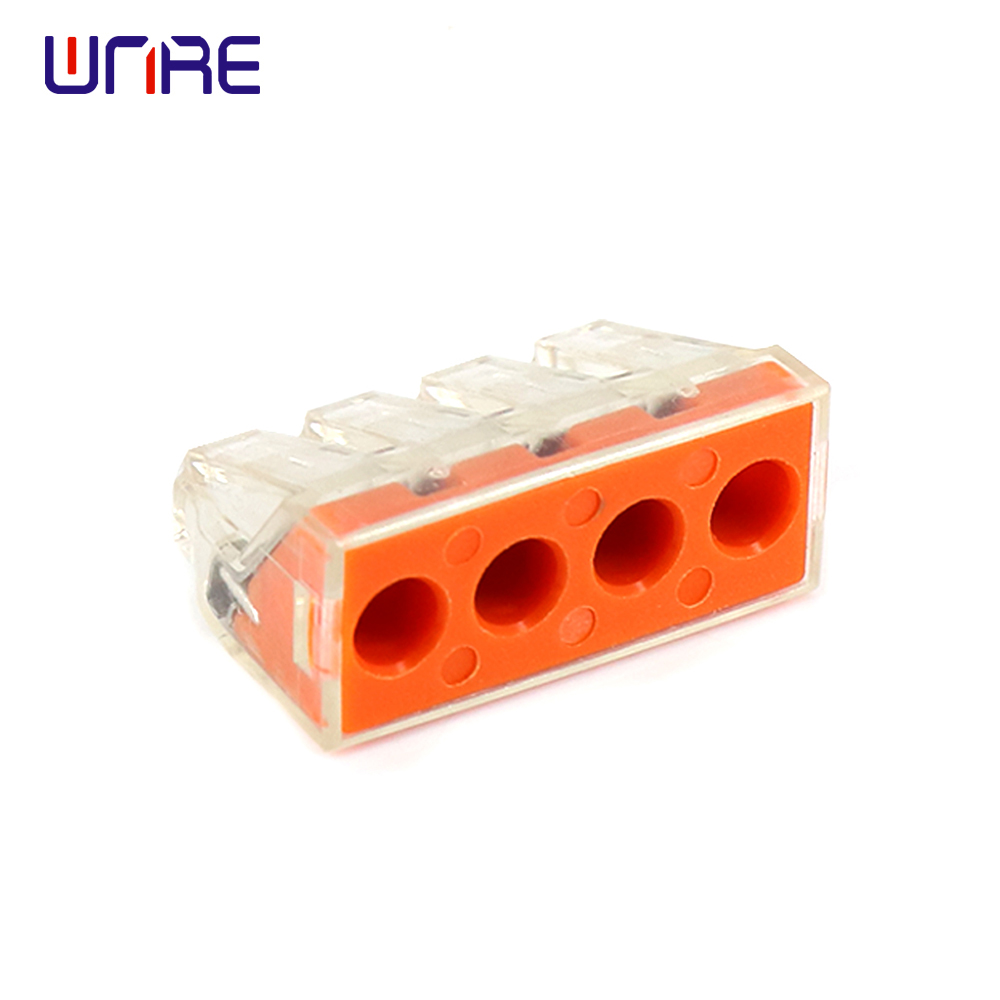
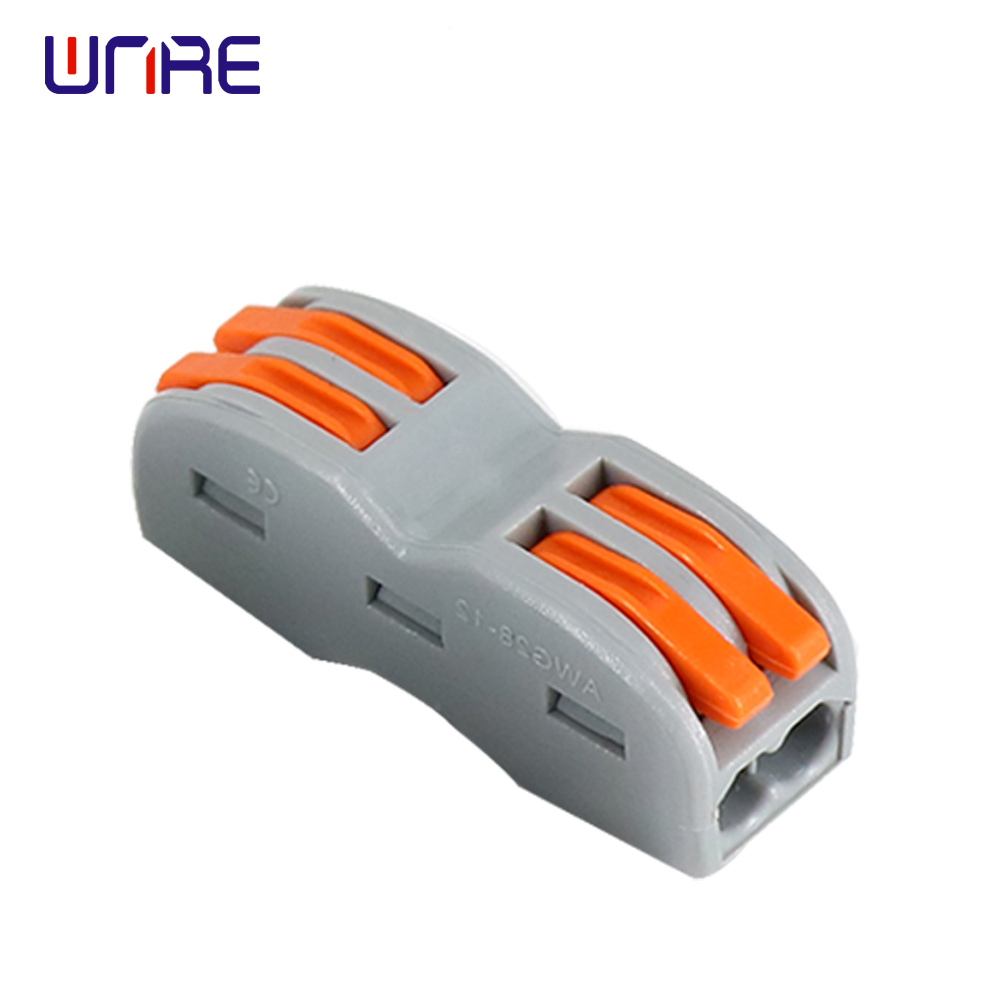
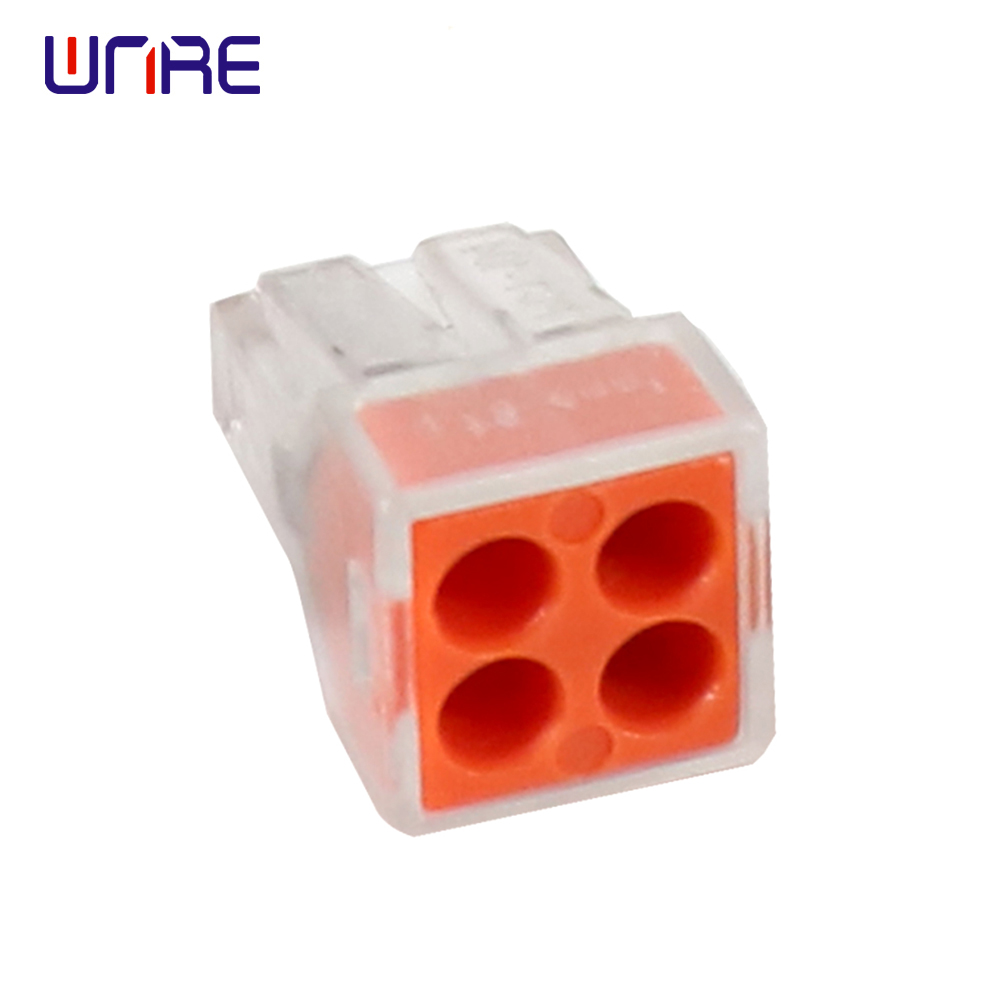
3. Bodrum, Marmaris, and the Aegean Refit Ecosystem: Known historically for traditional wooden Gulets and modern composite yachts, the Aegean coast hosts an expansive yacht maintenance, charter refit, and marine modernization market. Turkish refit contractors frequently overhaul obsolete 12V/24V DC distribution panels, replacing fatigued mechanical rockers with durable, sealed brass/polycarbonate toggle switches and vibration-proof quick-splice spring terminal blocks (such as the PCT-series lever connectors) to eliminate loose wire failures caused by long-term oceanic cruising.
4. The Naval Defense Industry & Modernization Programs: Under the auspices of the Turkish Defence Industry Agency (SSB) and major defense contractors like STM, ASELSAN, and HAVELSAN, modern naval platforms (including the MILGEM Corvette series, TF-2000 air defense destroyers, and amphibious assault carriers) require MIL-SPEC sealed toggle switches. These components must pass strict electromagnetic interference (EMI/EMC) shielding tests, intense ballistic shock profiles (MIL-STD-901D), and extreme high-temperature operating thresholds.
Engineering Insight: AC vs. DC Ratings in Marine Switching
A common failure point in poorly specified marine electrical systems is utilizing standard domestic AC toggle switches for low-voltage DC applications. DC circuits sustain an electrical arc much longer during contact separation than AC circuits. Specialized marine toggle switches feature heavy-duty silver-cadmium or silver-nickel contact points and quick-break snap-action mechanics specifically rated to extinguish high-ampere 12V/24V/48V DC arcs safely, preventing contact welding and premature switch burnout.
Key Technical Classifications & Applications of Marine Toggle Switches
Naval architects, marine electricians, and boat builders in Türkiye utilize a wide spectrum of toggle switch configurations depending on the specific onboard electrical circuit:
- Single Pole Single Throw (SPST - On-Off): The foundational switch for simple single-circuit operations such as cabin lighting circuits, radar power, VHF radio power supplies, and general instrumentation feeds.
- Single Pole Double Throw (SPDT - On-Off-On / On-On): Widely deployed in vessel navigation lighting systems where switching between "Underway Lights" (Masthead + Port + Starboard + Stern) and "Anchor Light" (360-degree white light only) is required from a single control point.
- Double Pole Double Throw (DPDT - Momentary (On)-Off-(On)): The primary choice for directional motor control, such as bow/stern thruster maneuvering, electric windlass anchor drop and retrieval, motorized trim tabs, power engine hatch lifters, and motorized boarding passerelles.
- Progressive Bilge Pump Controls (Auto-Off-Manual Momentary): Engineered with a spring-return function from the manual position, ensuring that the bilge pump cannot be accidentally left running continuously dry, while providing a constant live line to the automatic float switch in the default position.
Future Industry Trends: Smart Digital Switching vs. Mechanical Redundancy
As the international maritime sector embraces digital switching systems (such as CAN-Bus, NMEA 2000, and integrated touchscreen glass helms), the role of the physical marine toggle switch is evolving rather than disappearing. Modern luxury cruisers and commercial vessels built in Türkiye now implement a dual-layer architecture: primary automated control is managed through digital interfaces, while an independent analog circuit board equipped with marine toggle switches serves as an infallible hardwired manual bypass system. In the event of a bus network freeze or catastrophic touchscreen failure at sea, the vessel's crew can immediately engage critical navigation lights, bilge pumps, steering pumps, and engine blowers via rugged mechanical switches.
Furthermore, the rapid transition toward electric and hybrid boat propulsion in Turkish urban waterways—such as electric commuter ferries in the Bosphorus Strait and solar-assisted catamarans in southern bays—has created surging demand for high-voltage DC connectors, lithium battery copper terminals, and explosion-proof limit switches. High-power disconnect switches and micro switches ensure that high-voltage circuits cannot be accidentally energized when safety covers or charging sockets are open.
Why Turkish Shipbuilders & Marine Equipment Distributors Partner with Us
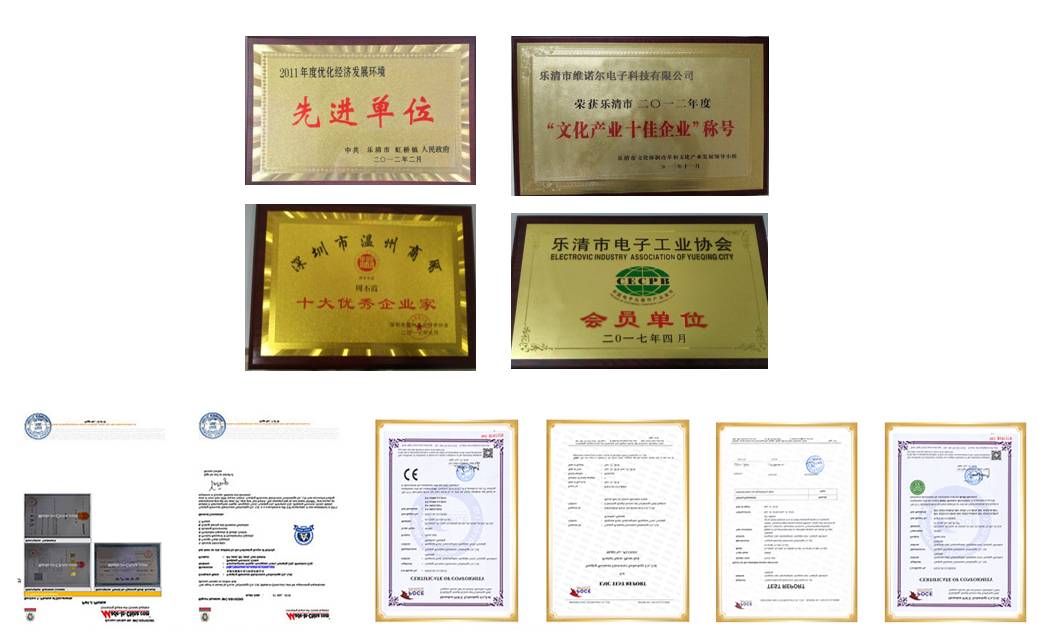
Sourcing high-performance marine electrical components requires a dedicated manufacturing partner capable of combining cost efficiency with rigorous international certifications. Founded in 2004, our production ecosystem bridges precision mold development, automated stamping, automated assembly, and strict QC testing protocols. With over two decades of export experience into Southern and Western Europe, North America, and Mediterranean maritime markets, our toggle switches, push-in terminal blocks, power jacks, and connectors fulfill every quality threshold mandated by modern naval engineers and ISO 9001:2015 quality frameworks.