- Mobile Phone
- +86 13736381117
- info@wellnowus.com
Featured Automotive Circuit Interconnects
Industrial-grade power, signal, and environmental switching solutions engineered for mission-critical electronic control units and energy management systems.
Commercial and Industrial Status of Automotive Circuit Network Switches
Analyzing the paradigm transformation from distributed domain controllers to centralized high-bandwidth zonal networking in software-defined vehicles (SDVs).
The modern automotive industry is currently navigating one of the most comprehensive technological revolutions in its history. The rapid advancement of Autonomous Driving (AD), Advanced Driver Assistance Systems (ADAS), connected infotainment, and battery electric vehicle (BEV) propulsion systems has strained traditional automotive communication buses beyond their physical limits. For decades, protocols such as Controller Area Network (CAN, CAN-FD), Local Interconnect Network (LIN), and FlexRay served as the backbone for in-vehicle communication. However, the exponential influx of high-resolution sensor telemetry—originating from multi-megapixel vision cameras, high-definition LiDAR units, radar arrays, and ultrasonic sensors—demands multi-gigabit throughput, deterministic packet delivery, and ultra-low latency that legacy buses simply cannot provide.
As a direct response, automotive electrical/electronic (E/E) architectures are aggressively transitioning toward Automotive Ethernet network switches. These specialized switching devices operate as the central circulatory system of modern vehicles, routing massive volumes of mission-critical packet data between centralized high-performance computing (HPC) platforms and localized zonal gateway controllers. The commercial integration of Time-Sensitive Networking (TSN) standards (IEEE 802.1Qav, 802.1Qbv, 802.1CB) into automotive circuit switches guarantees bounded latency and zero-packet loss for functional safety subsystems. Automotive circuit network switches must deliver flawless electronic signal switching under severe environmental stresses, combining electromagnetic compatibility (EMC), electrostatic discharge (ESD) immunity, and broad temperature ratings ranging from -40°C to +125°C or higher (AEC-Q100 Grade 1/Grade 0 compliance).
Deterministic TSN Switching
Enables guaranteed frame preemption, low-jitter packet scheduling, and redundant routing paths across Ethernet nodes, crucial for Level 3+ autonomous driving fail-operational safety.
High-Voltage & Power Isolation
Integrates robust electrical isolation and shielding across battery management system (BMS) circuits and traction inverters, mitigating destructive electromagnetic interference (EMI).
ASIL-D Functional Safety
Complies with ISO 26262 functional safety mandates, featuring built-in self-test (BIST) routines, CRC packet checks, and memory protection for crash-preventative vehicle circuits.
Deep Application Scenarios in Modern Automotive Circuits
How physical and Layer-2/Layer-3 network switches interface with power connectors, terminal blocks, and electronic control modules.
1. Zonal E/E Gateway Architecture & Wire Harness Reduction
Traditional vehicle wiring harnesses represent one of the heaviest and most labor-intensive components within automobile assembly, often exceeding 50 kilograms per vehicle. In a modern zonal architecture, the vehicle is partitioned into geometrical zones (Front-Left, Front-Right, Rear-Left, Rear-Right), each managed by a Zonal Controller equipped with an integrated Ethernet switch. These switches aggregate local signals from micro-switches, actuator relays, lighting modules, and sensor nodes, encapsulating them into high-speed serialized Ethernet frames (10BASE-T1S, 100BASE-T1, and 1000BASE-T1) over a single unshielded twisted-pair (UTP) cable. This layout reduces total harness length by more than 30%, streamlines terminal block assembly, and improves fuel economy and EV range.
2. ADAS Sensor Fusion & Compute Clusters
Autonomous vehicle platforms utilize high-port-count multi-gigabit Ethernet switches to interlink multi-camera arrays, 4D imaging radar, and solid-state LiDAR sensors directly to Central Compute clusters. Hardware-accelerated switches perform hardware-level filtering and multicast distribution, ensuring perception engines receive zero-latency sensory streams without loading central processor cores.

Industrial Insight: The evolution of 10BASE-T1S (IEEE 802.3cg) enables Ethernet to reach the ultimate edge of automotive circuits—replacing legacy CAN/LIN buses directly at simple sensor and switch endpoints without requiring costly gateway protocol translations.
3. High-Voltage EV Battery Management Systems (BMS)
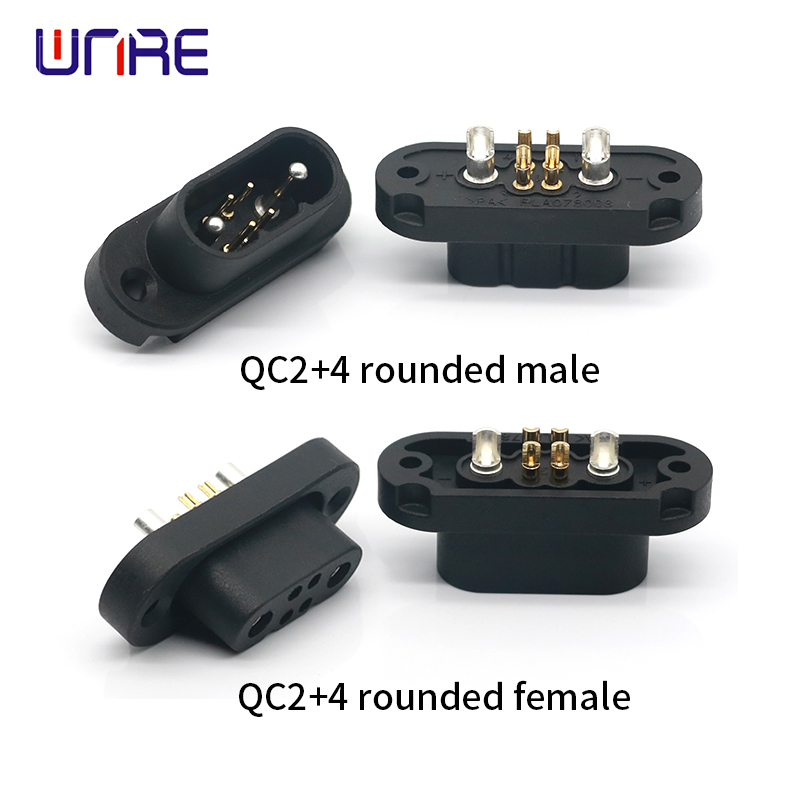
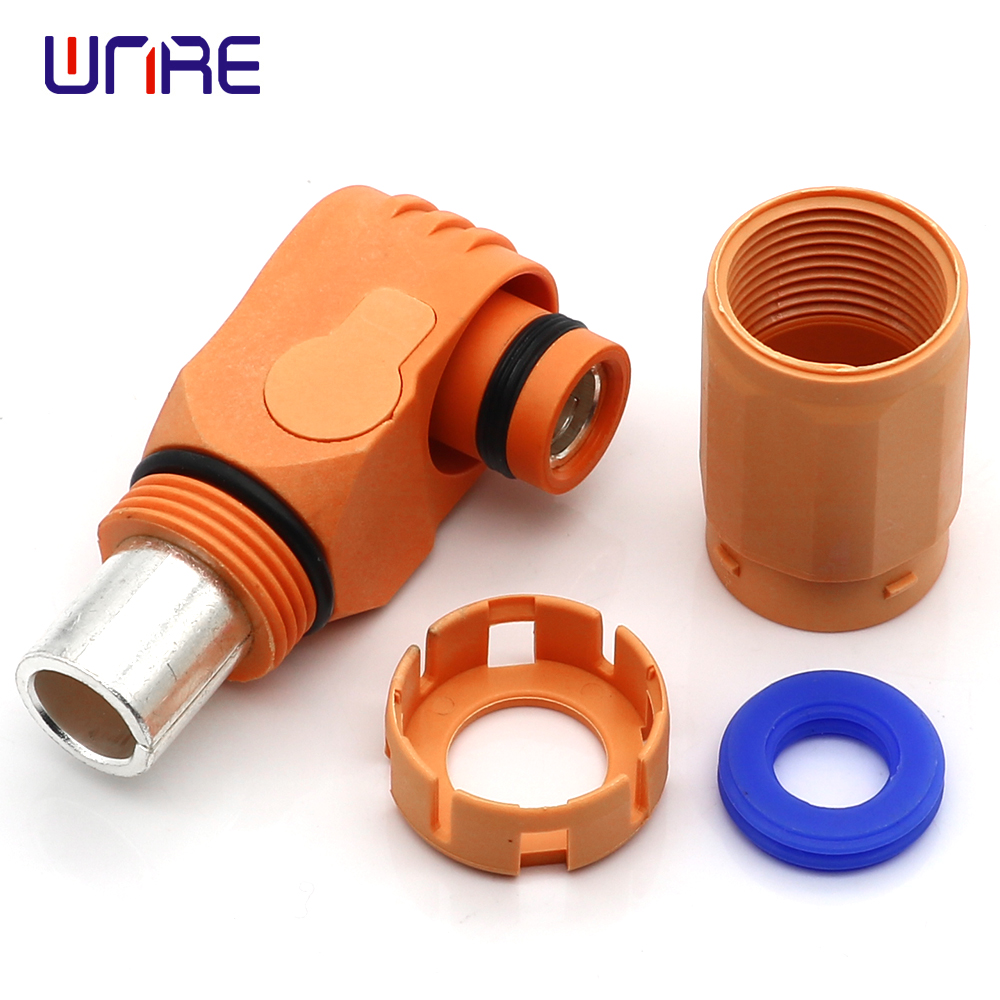
Within New Energy Electric Vehicles, Battery Management Systems monitor individual cell voltages, temperature gradients, and current thresholds. Network switching circuits in BMS topologies require specialized galvanic isolation to shield sensitive control electronics from high-voltage DC transients (up to 800V-1000V architectures). Specialized high-current connectors, such as single-core right-angle high-voltage plugs, work in tandem with electronic switching units to guarantee instantaneous power disconnects during overcurrent or thermal runaway conditions.
4. Connected Cockpit, Audio Video Bridging & Telematics
Infotainment domain controllers require continuous synchronization to deliver ultra-high-definition digital instrument clusters, head-up displays (HUD), and rear-seat streaming. Switches supporting IEEE 802.1AS precision clock timing ensure multi-channel audio and video data stream flawlessly without acoustic phase misalignment or display jitter, while onboard telematics gateway switches protect in-vehicle circuits against unauthorized external intrusions.
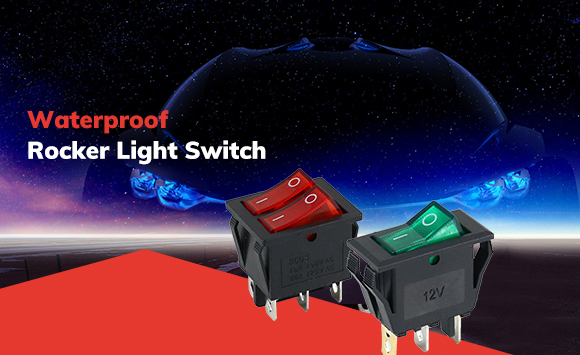
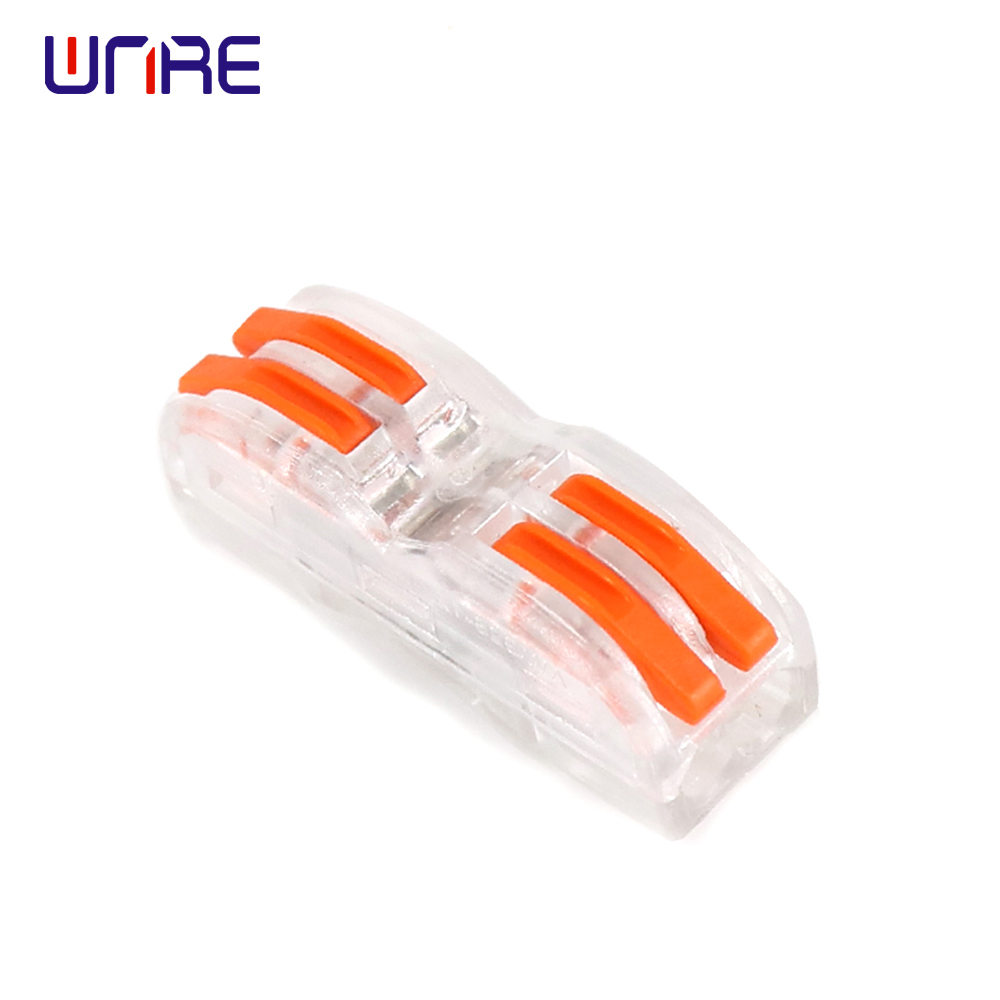
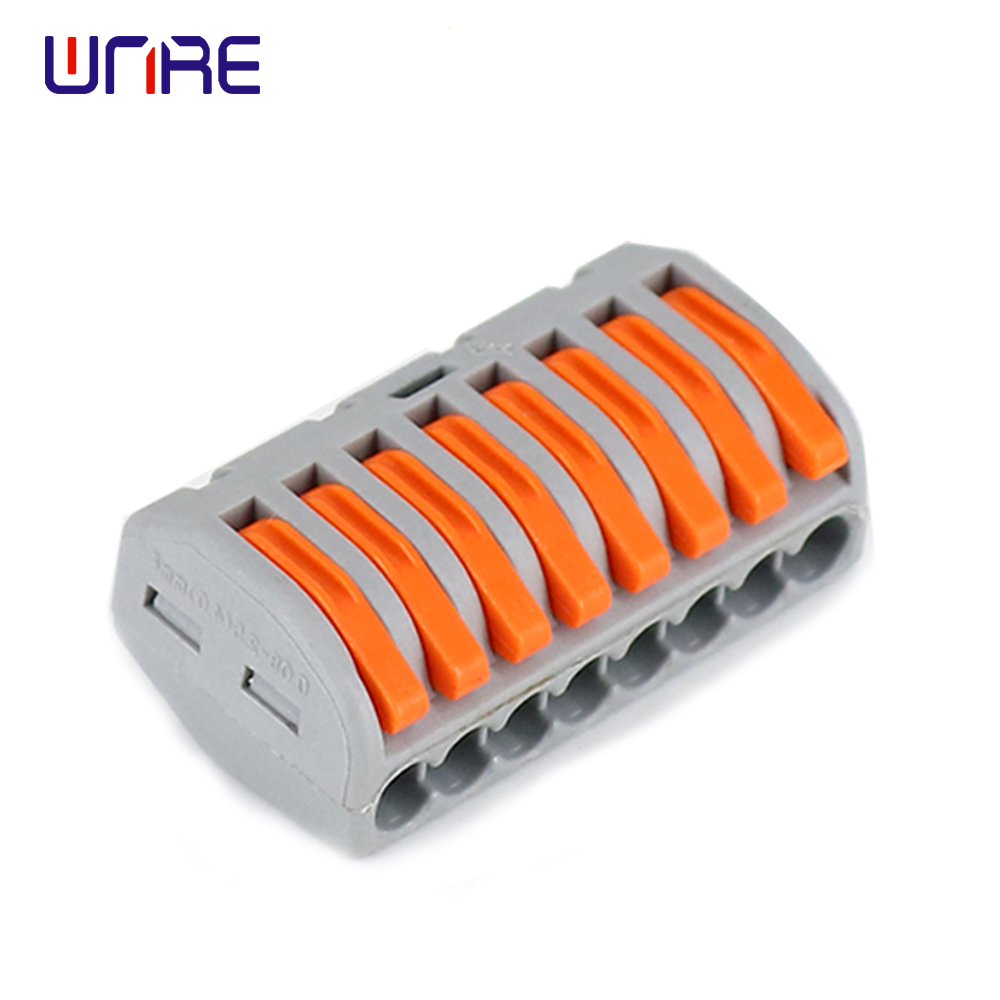
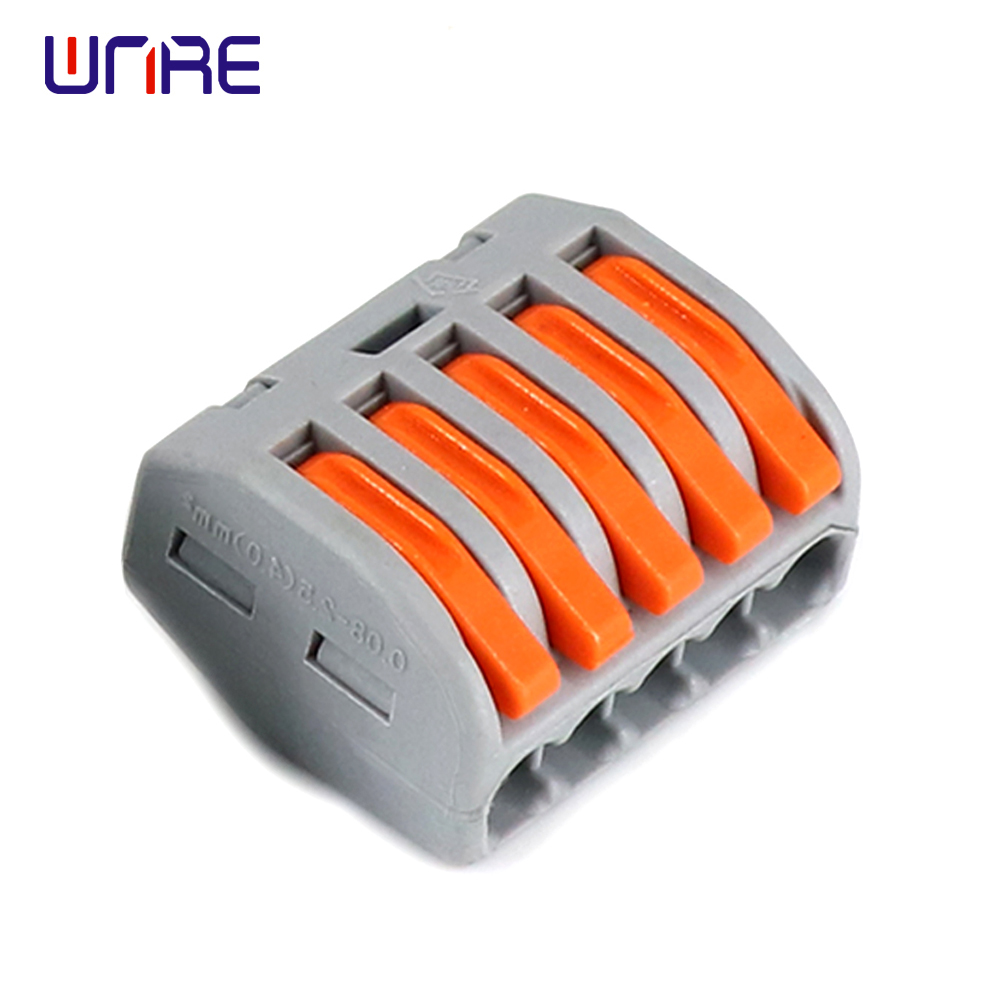
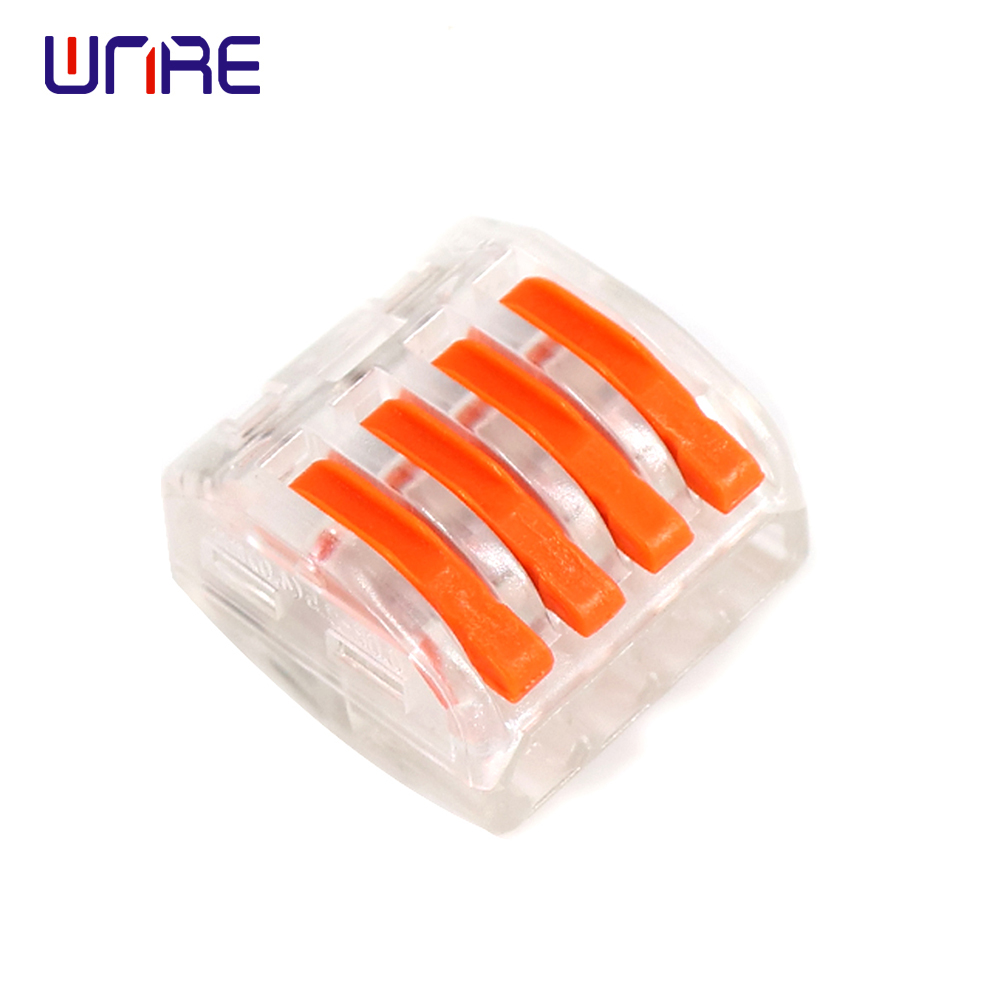
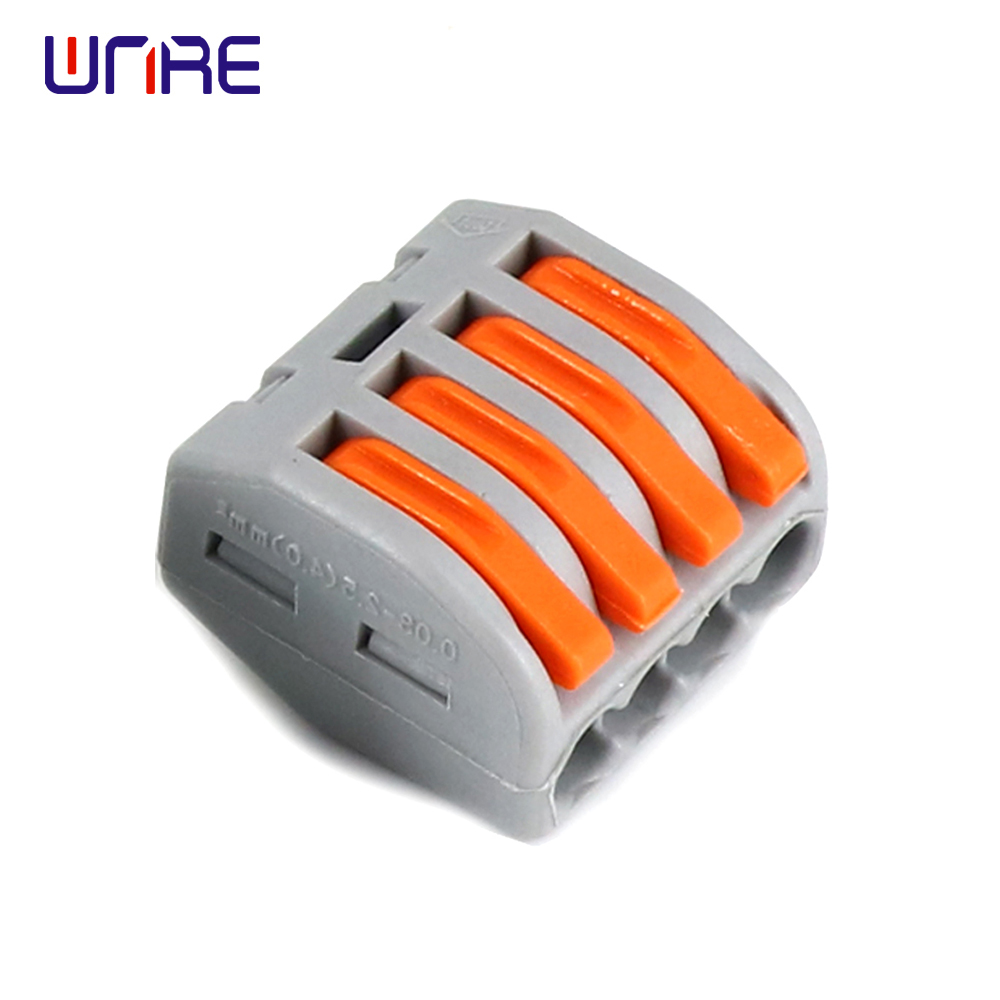
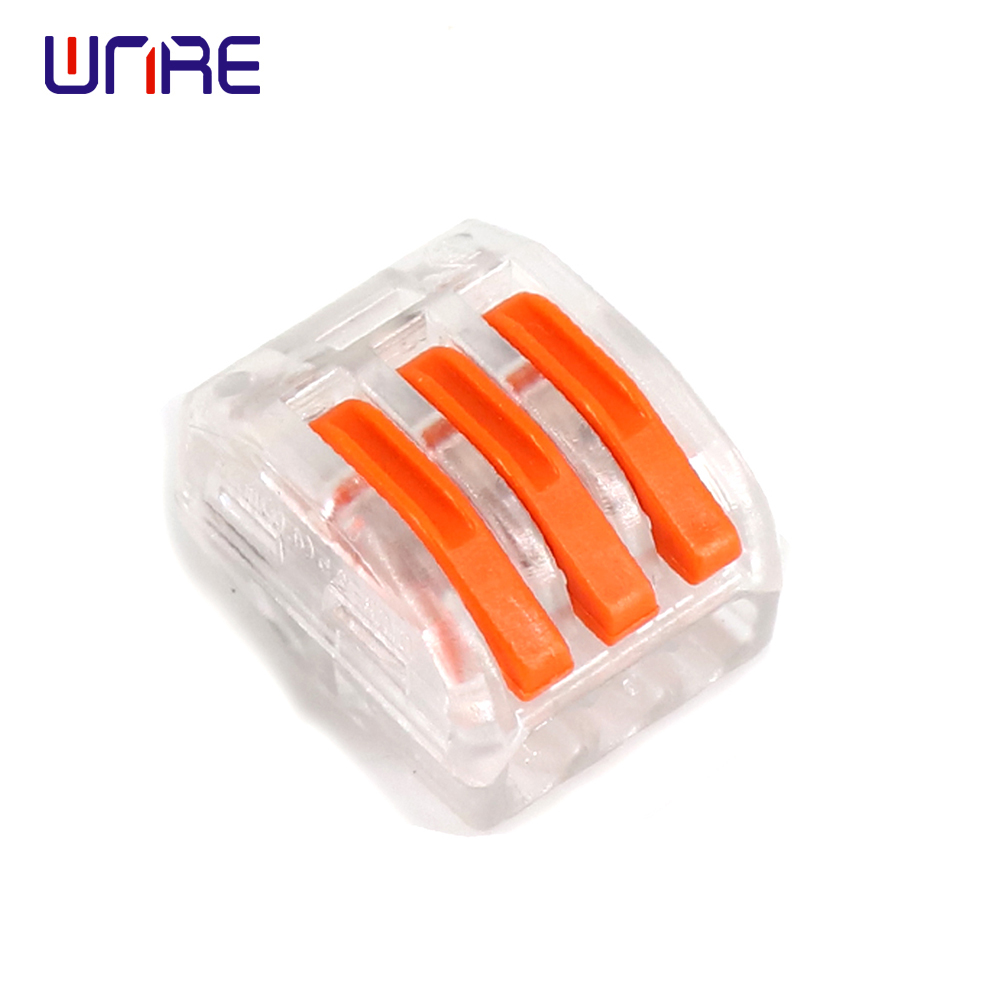
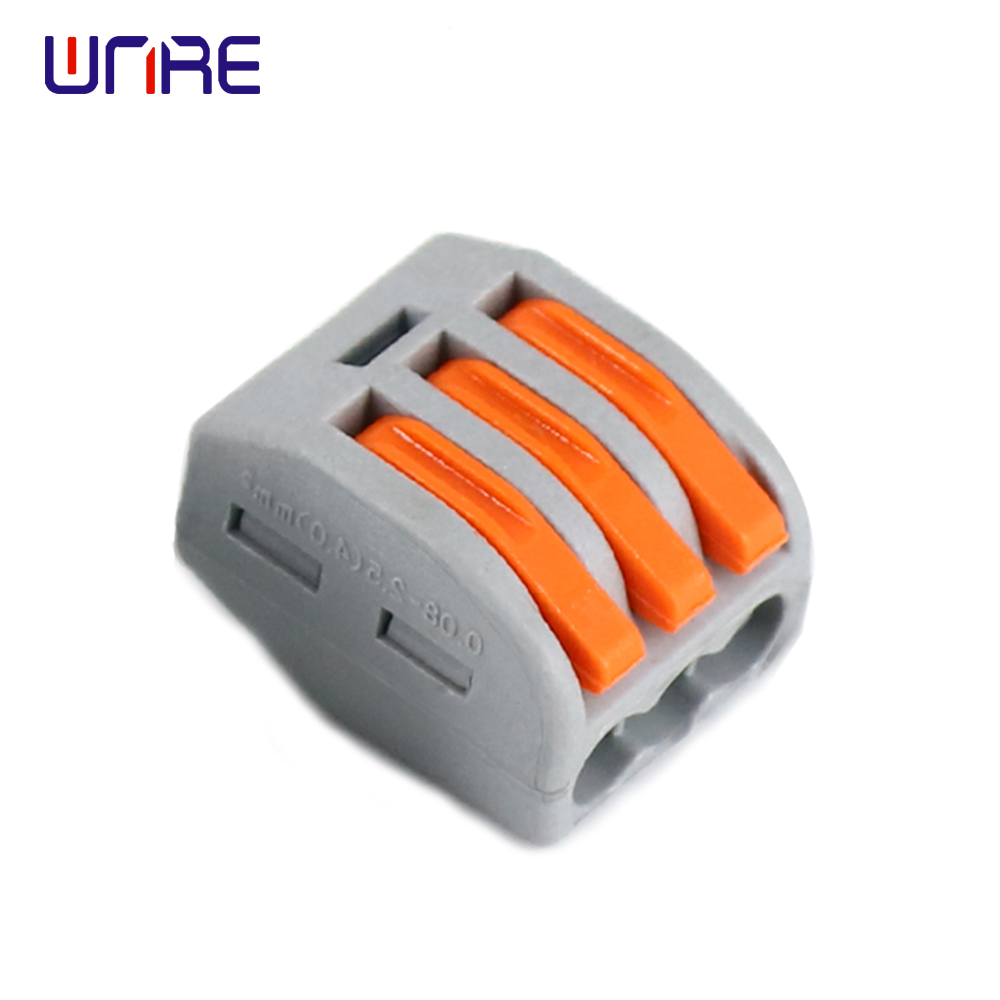
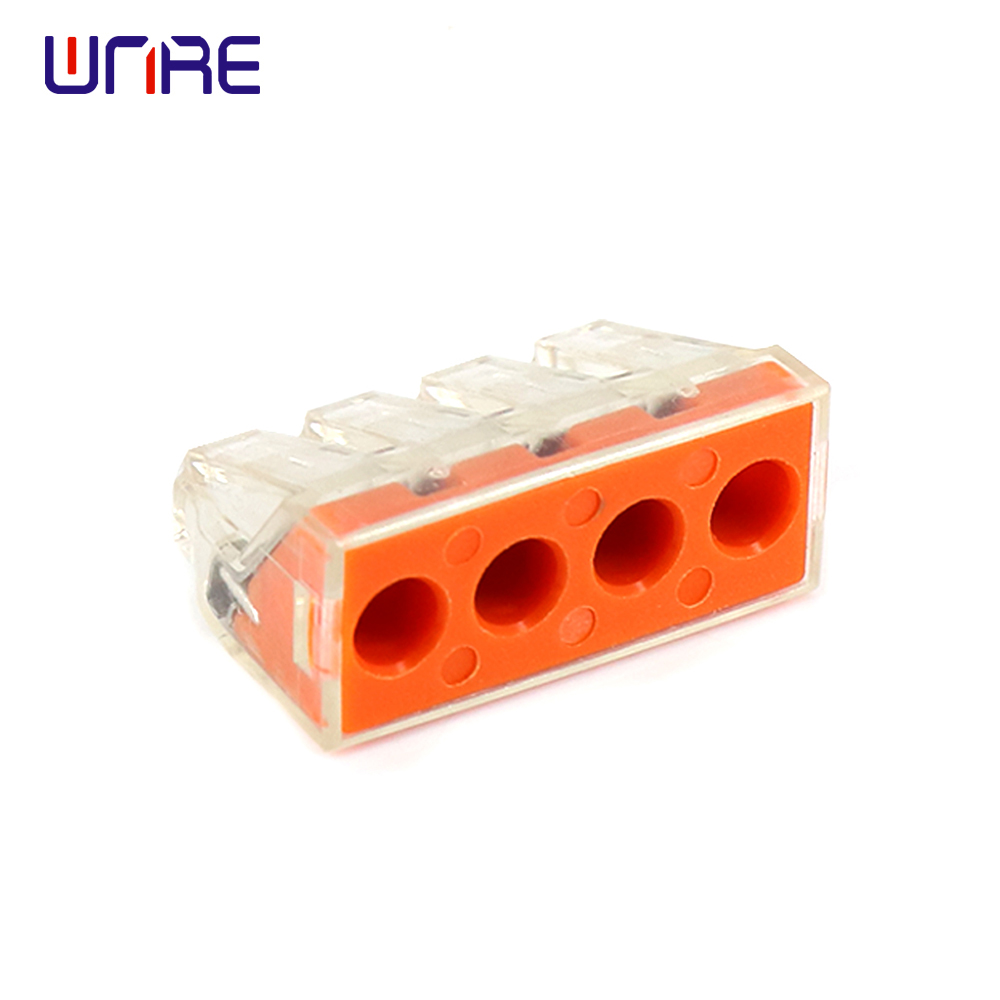
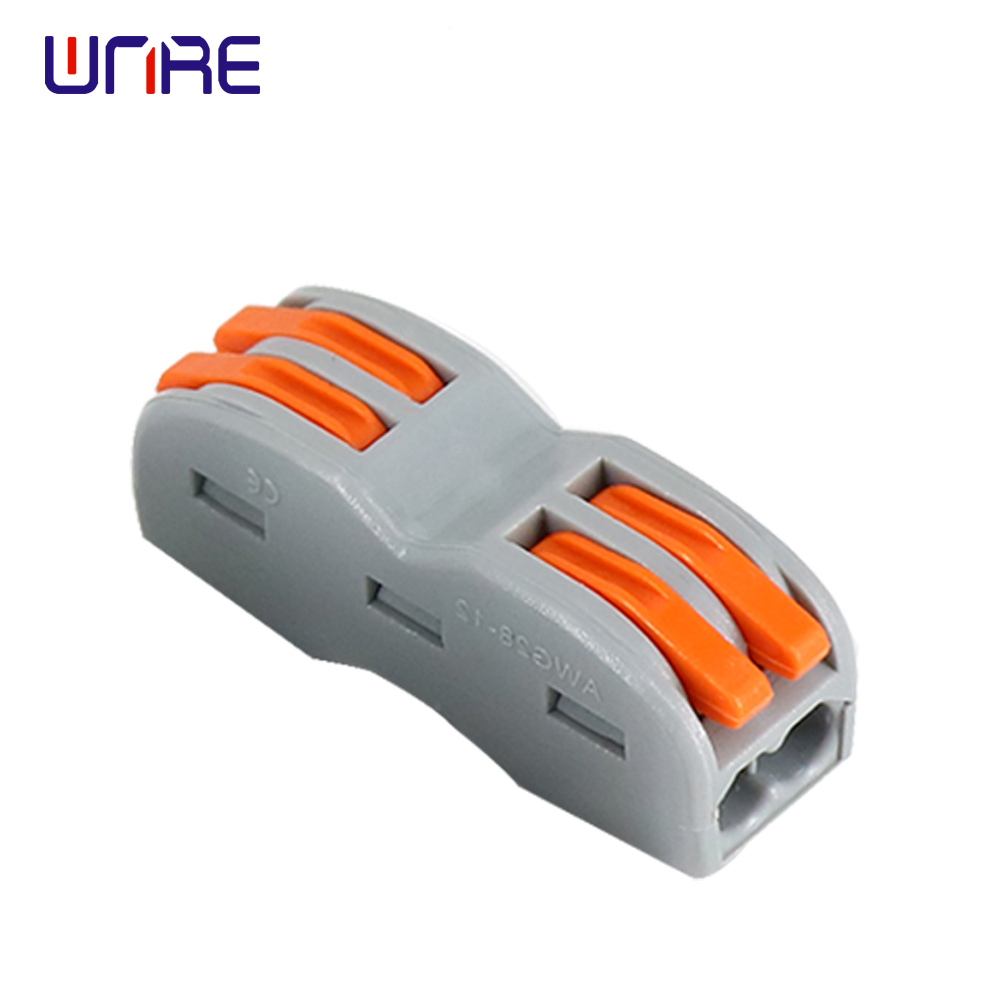
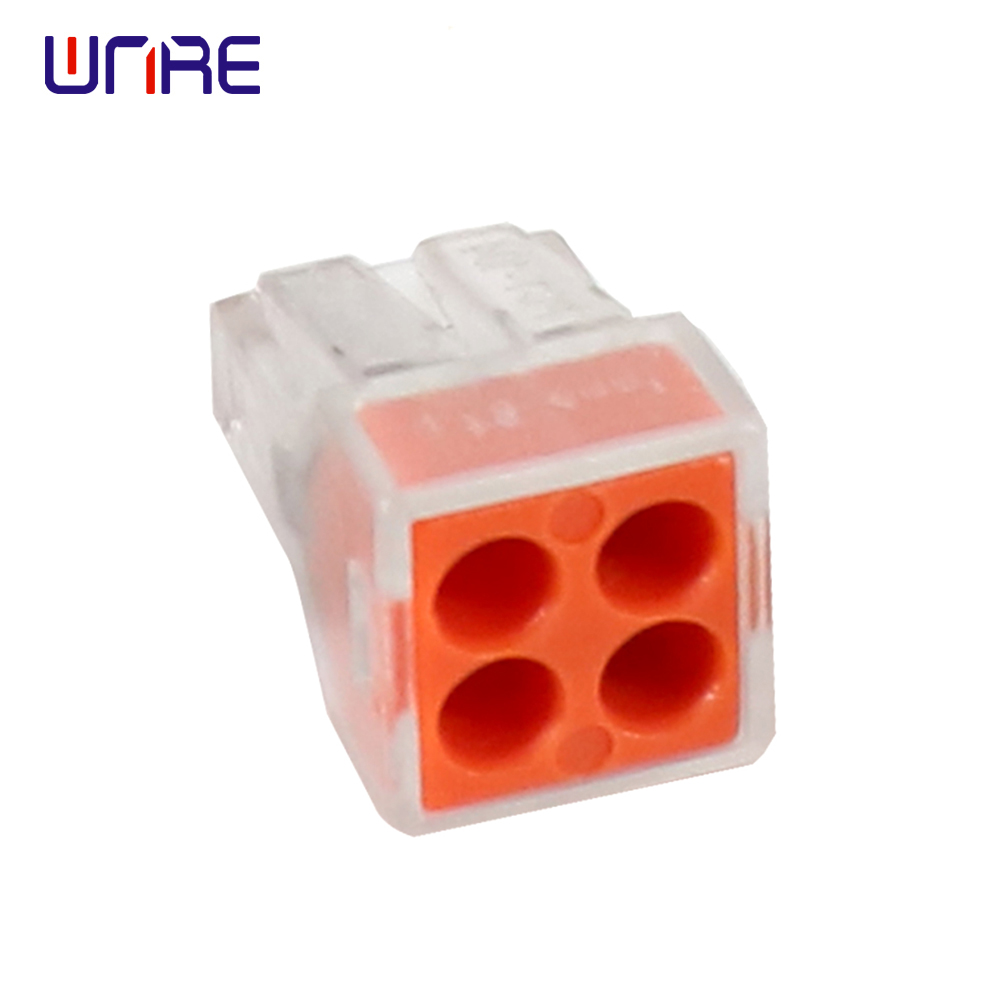
Automotive Wiring, Quick-Connect Terminals & Switch Products
Standardized, tool-free compact conductor splicing connectors and heavy-duty terminal blocks for quick, secure automotive electrical harnesses.


About Us & Manufacturing Excellence
Delivering high-reliability automotive connectors, network sockets, switches, and custom wire harness solutions worldwide since 2004.
Our company has been an electronic connectors professional manufacturer since 2004. The head office is located in Yueqing China. Company has more than 200 employees, with branch facilities in Jiangxi (factory) and Shenzhen (counter & trade office). We cooperate with Shenzhen University to develop advanced products. Our main markets cover Southern Europe, Western Europe, North America, South Asia, and the Domestic Market. Main product lines include Power Jacks Series, Phone Jacks Series, Switch Series, RCA Pin Jack Series, and Network socket series.
Headoffice (Yueqing)
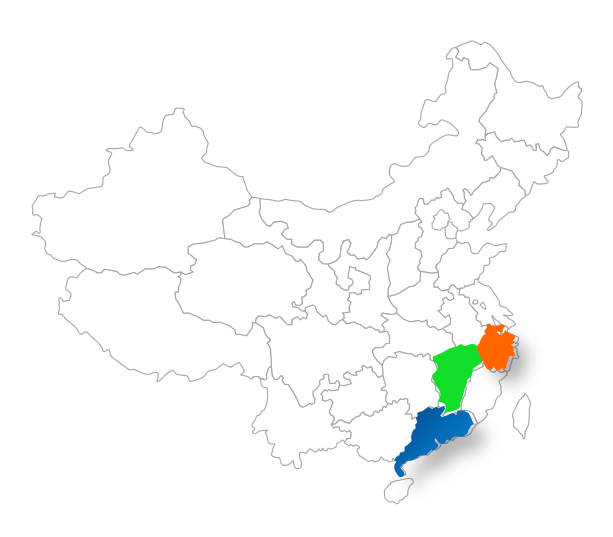
The headquarters of the company is located in Yueqing, Zhejiang Province, which is the national electronic and electrical distribution center. The headquarters has set up domestic and foreign trade departments, technology research and development departments, and production control centers.
Shenzhen Office
The office is set up in Shenzhen, China's core trade and tech hub. It continuously monitors market trends, understands emerging automotive E/E architecture demands, and provides immediate feedback to headquarters as a vital window for global trade.
Jiangxi Branch & Expansion
With a modern 5,000 ㎡ production area and 200 professional production technicians working rigorously on automated lines. Our strategic expansion continues with next-step manufacturing facilities in Yunnan Province to scale automotive-grade switch output.
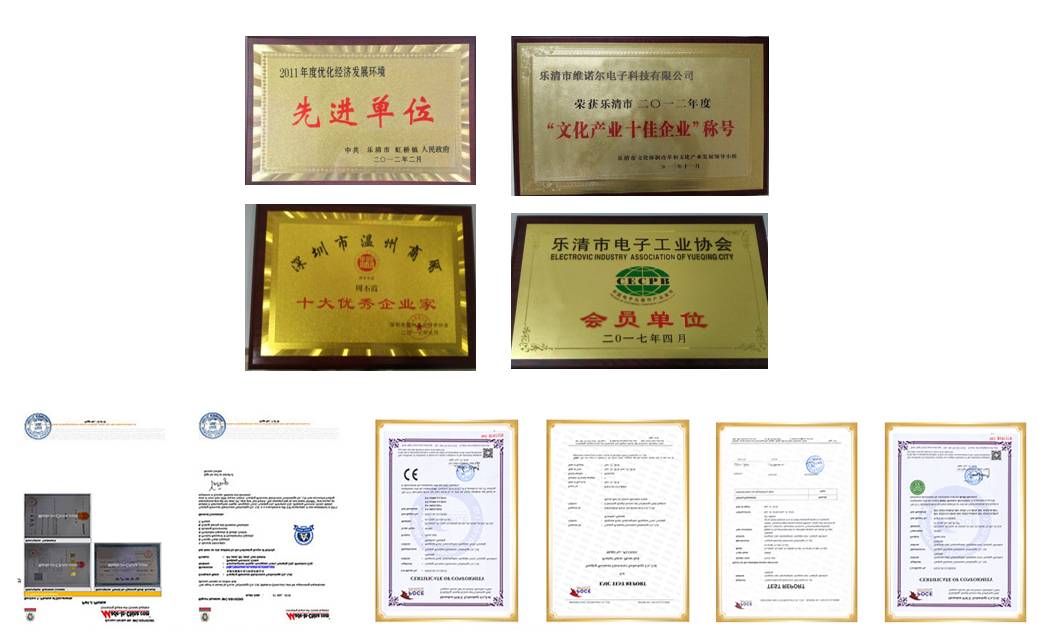
Honor and Certificate
Strict quality assurance backed by global standard certifications.
Our factory, with its integrated R&D, product engineering, and quality control departments, was certified with ISO 9001:2015 in 2005. Most of our products shown on this website are certified as being in compliance with UL, VDE, and ENEC international safety standards. We actively cooperate with Shenzhen University to pioneer next-generation interconnect and network switch technologies for automotive circuits.
ChinaWellnow is an enterprise with a deep sense of social responsibility. It is actively committed to the continuous improvement of enterprise activities, goods, services, quality management, and environmental protection (including biodiversity conservation). At the same time, it builds enduring trust relationships between customers and global business partners. We satisfy all our clients with advanced products, competitive prices, fast delivery, and comprehensive one-stop service. It is our enduring mission to boost our customers' business.
Manufacturing & Product Video Showcase
Take an inside look at our advanced engineering lines, testing rigs, and precision assembly processes.
Future Trends: Software-Defined Vehicles and Multi-Gigabit Switching
Exploring the roadmap toward 10GBASE-T1, optical physical layers, and cyber-secure hardware switching circuits.
As the automotive sector advances from distributed electronic control units toward Software-Defined Vehicles (SDVs), the role of network switches within automotive circuits is transforming from simple packet forwarders to intelligent, programmable edge compute nodes. Several core industrial trends define this trajectory:
1. Bandwidth Scalability from Multi-Megabit to Multi-Gigabit: With autonomous driving levels advancing toward SAE Level 4 and Level 5, raw uncompressed video streams from 8-megapixel cameras and solid-state LiDAR sensors require throughputs exceeding 2.5 Gbps, 5 Gbps, and 10 Gbps per channel. Standards such as IEEE 802.3ch (Multi-Gigabit Automotive Ethernet) are setting the baseline for next-generation central switches, requiring tighter impedance control and insertion loss tolerances in physical wire-to-board connectors.
2. Hardware-Enforced Automotive Cybersecurity: As connected vehicles communicate continuously with cloud infrastructure and V2X (Vehicle-to-Everything) ecosystems, in-vehicle network switches serve as the frontline defense against cyber intrusions. Modern switching silicon incorporates MACsec (IEEE 802.1AE) link-layer encryption and Deep Packet Inspection (DPI) engines directly at the hardware circuit level, blocking unauthorized message spoofing across critical powertrain and steering control loops.
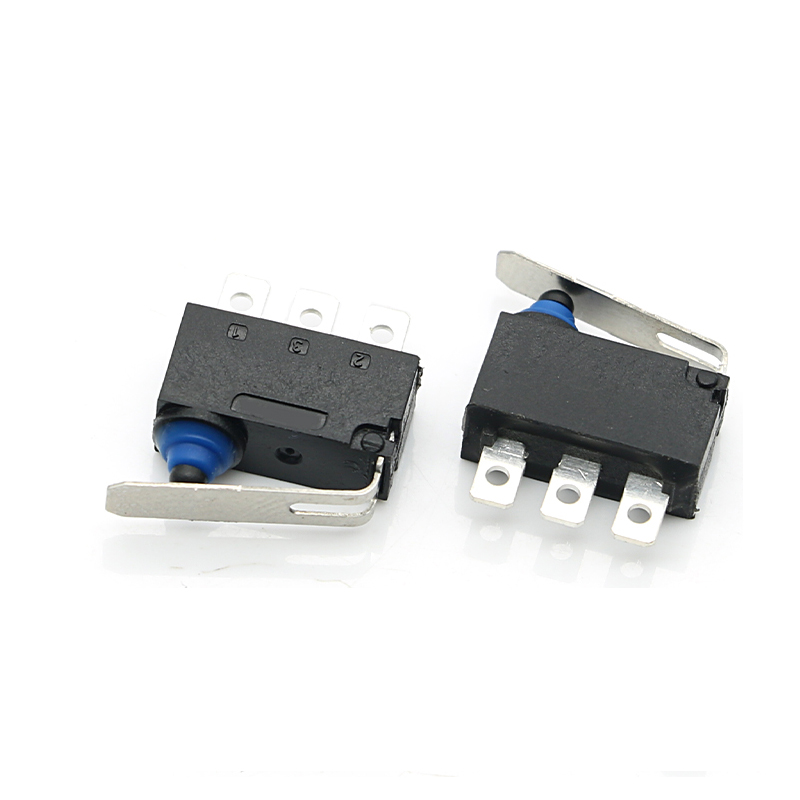
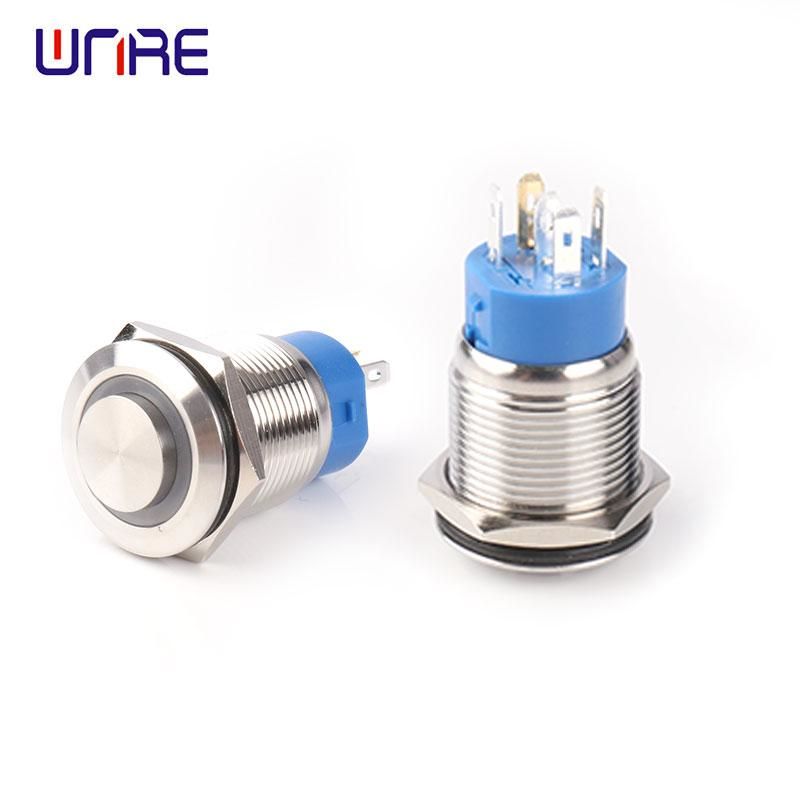
3. Advanced Thermal & Vibration Survivability: Automotive circuit switches are frequently placed in close proximity to engines, wheel hubs, and high-voltage battery compartments. Connectors, terminal blocks, and switches must withstand severe sinusoidal vibration, shock pulses exceeding 50g, and relentless thermal cycling without contact fretting or micro-interruptions. Sealed micro-switches with IP67/IP68 waterproof ratings and gold-plated terminal pins guarantee low contact resistance across decades of operational lifespans.
Automotive Circuit Switches & Interconnect Catalog
Comprehensive selection of automotive-grade power plugs, waterproof switches, micro switches, and board-level terminal solutions.