- Mobile Phone
- +86 13736381117
- info@wellnowus.com
Featured Marine Devices & Power Components
Robust high-voltage interconnection and high-duty actuation systems optimized for marine engineering
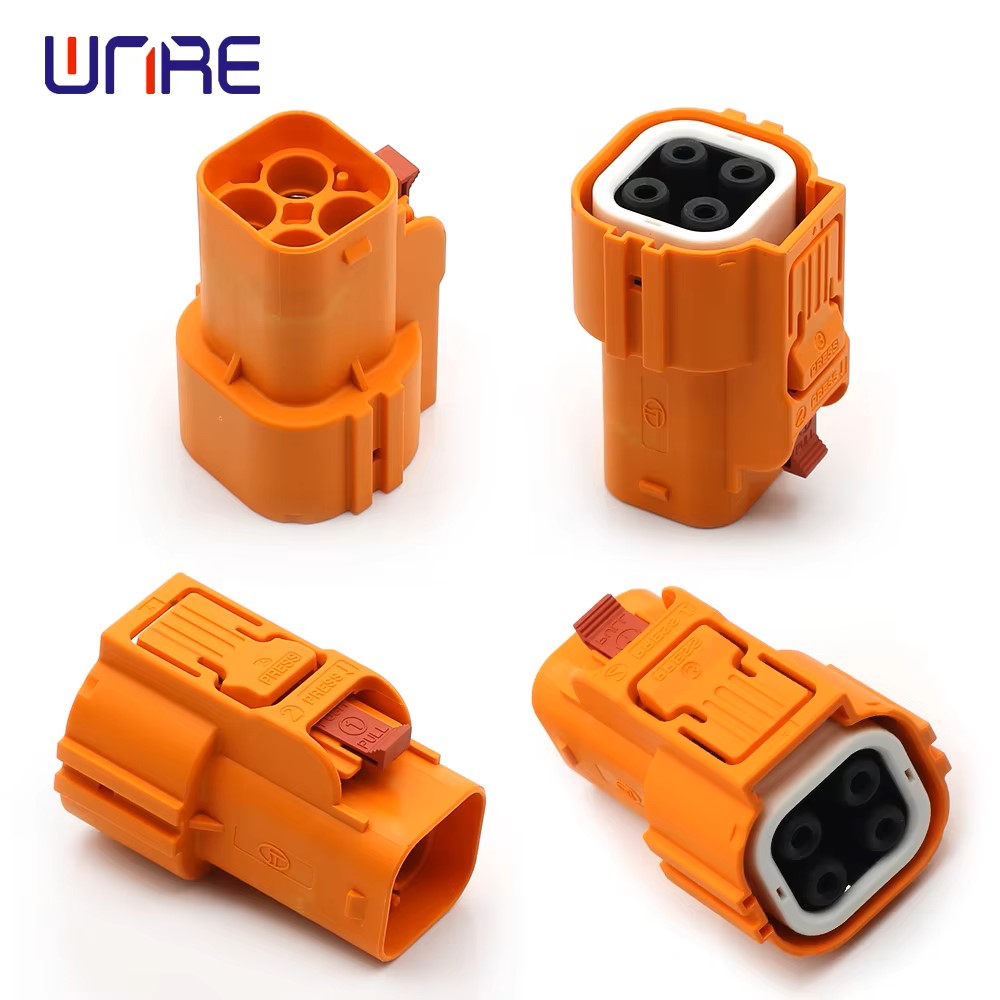
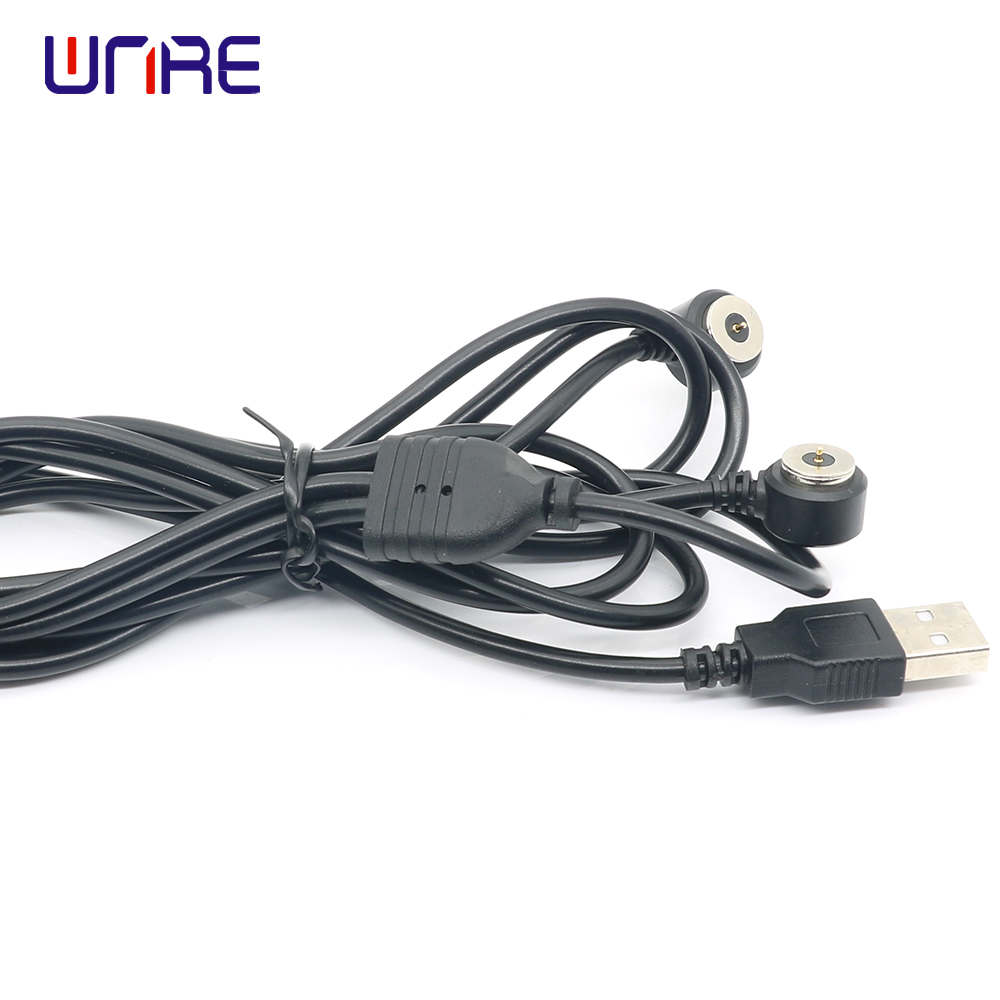
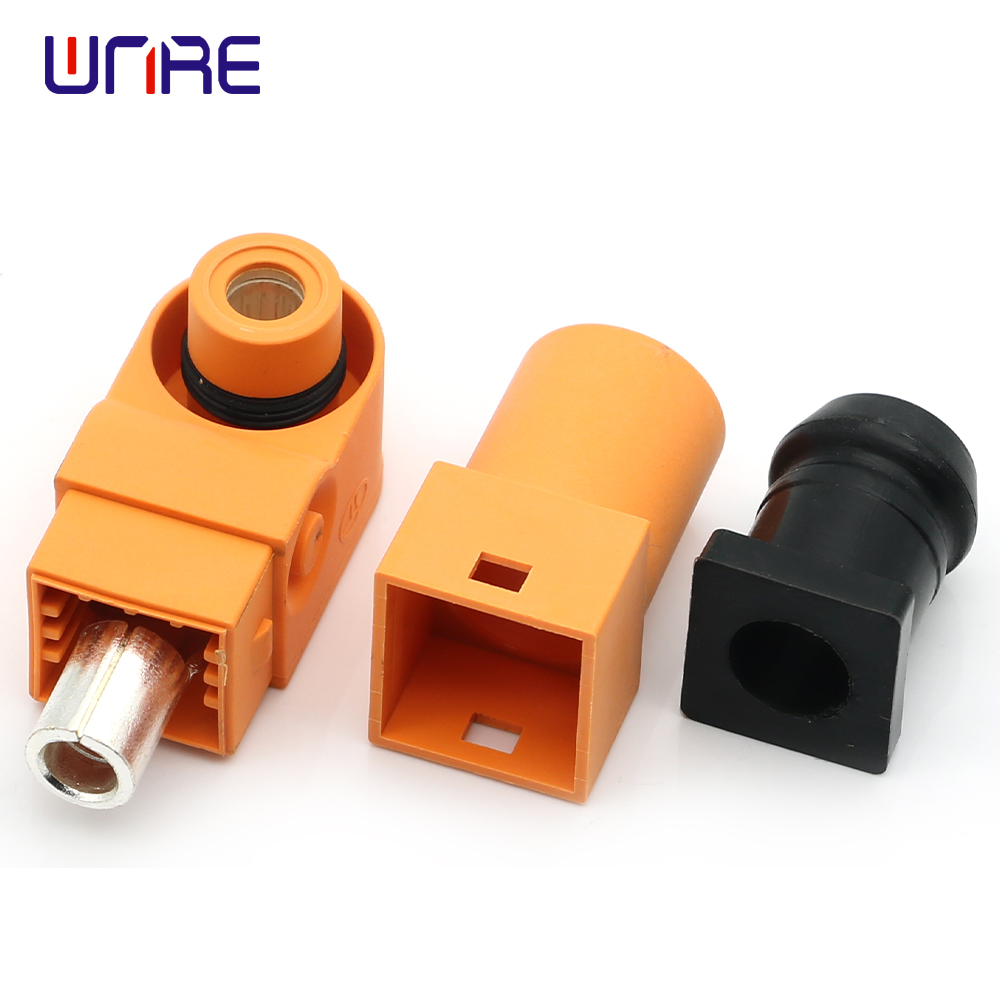
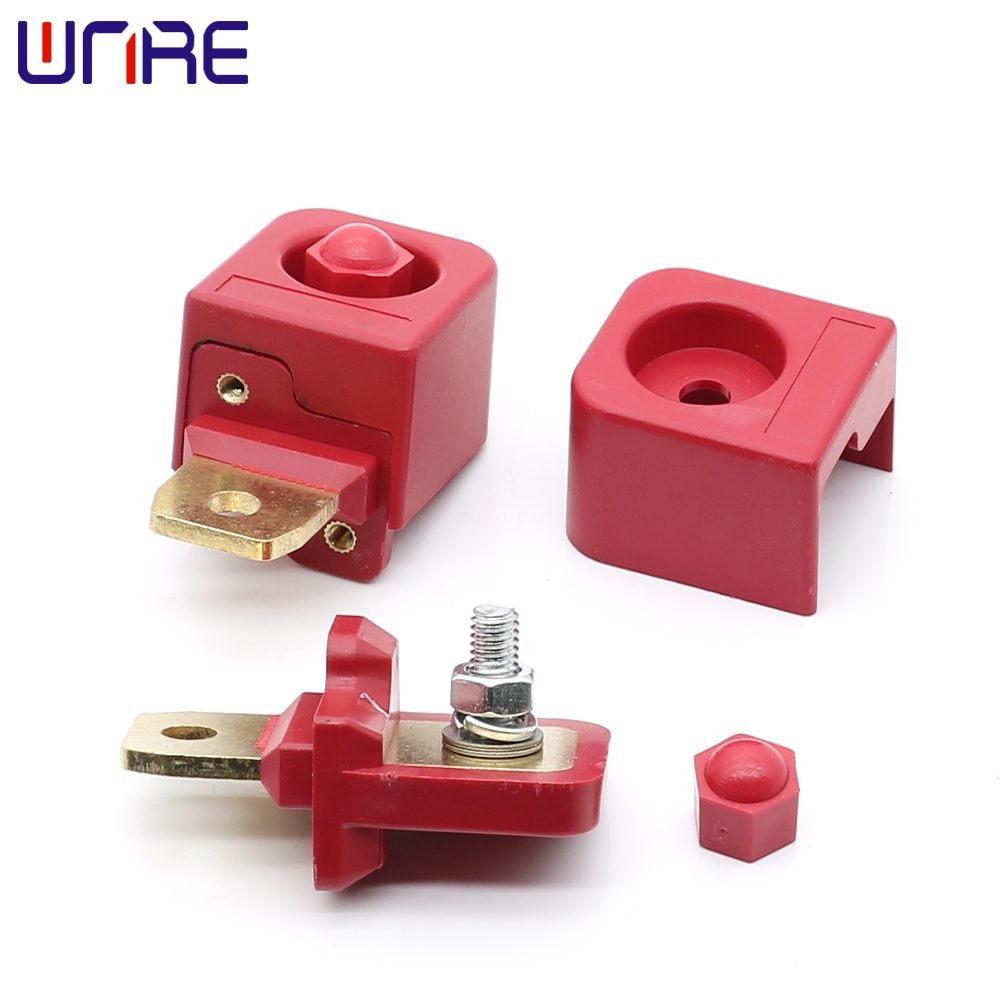
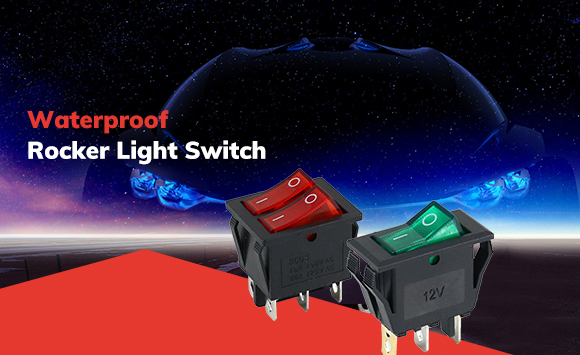
Rocker Switch For Marine Devices: Navigating Extreme Environments with Precision Engineering
In the realm of naval architecture, pleasure craft manufacturing, commercial fishing fleets, and offshore industrial workboats, the human-machine interface (HMI) serves as the frontline of mission-critical control. Among all human-interactive electrical hardware, the rocker switch for marine devices represents the quintessential bridge between mechanical human action and digital or electromechanical execution. Unlike standard domestic or industrial switches found in climate-controlled server rooms or household appliances, marine-grade rocker switches endure an unforgiving, hyper-aggressive environment characterized by continuous salt-mist precipitation, relentless high-frequency harmonic vibration, ultraviolet radiation saturation, thermal thermal shock cycling, and direct water pressure surges.
As commercial fleets transition into hybrid propulsion and modern pleasure yachts adopt centralized digital switching multiplex systems, the performance benchmarks for a marine rocker switch have elevated exponentially. What was once a simple bi-metal mechanical contact toggle has evolved into an advanced electro-mechanical sub-assembly equipped with dual silicone internal sealing membranes, spark-suppression arc chambers, internal transient voltage protection, and custom laser-etched illuminated actuators compatible with high-density helm consoles and low-light night-vision bridge protocols.
ASTM B117 Salt Fog Defense
Constructed with nickel-plated brass and copper-alloy terminals to completely negate galvanic oxidation, contact pitting, and marine atmospheric degradation.
IP67 / IP68 Hydro-Sealing
Dual molded O-rings and embedded silicone elastomer seals shield inner electrical contacts from washdown pressures and total bridge deck submersion.
Ignition Protection (ISO 8846)
Hermetically engineered spark arrest chambers prevent volatile gasoline and battery vapor ignition inside enclosed engine rooms and bilge compartments.
The Anatomy of Failure: Why Commercial Grade Switches Fail at Sea
To fully appreciate the design requirements of a marine-grade rocker switch, one must analyze the mechanisms of electrical breakdown typical in maritime installations:
- Electrochemical Galvanic Corrosion: Saltwater acts as an aggressive electrolyte. When current passes through damp switch terminals constructed from dissimilar, untreated metals, rapid electrolytic metal transfer occurs. This degrades the contact surface area, causes steep resistance increases, creates dangerous localized heating, and eventually culminates in catastrophic circuit interruption or terminal melting.
- Capillary Moisture Ingress: Ambient temperature shifts between direct sunlight exposure on open flybridges and cold sea temperatures create localized vacuum effects within switch housings. Standard non-sealed switches pull moist air into the housing through micro-crevices. The vapor condenses inside, causing dielectric breakdown and internal tracking shorts across adjacent terminal poles.
- Vibrational Mechanical Fatigue: Marine diesel engines, high-speed hull pounding against choppy swells, and heavy sea swells generate continuous multidirectional kinetic stress. Inferior switch springs lose tension, causing contact chatter, micro-arcing, and intermittent power failure to vital steering or navigation circuits.
- UV Degradation & Polymer Embrittlement: Marine switch actuators exposed to direct solar radiation without UV-stabilized resins quickly suffer polymer chain scission. This turns switch actuators brittle, cloudy, and prone to cracking under finger pressure, destroying the water-resistant barrier.
Deep-Dive Architectural Use Cases in Marine & Offshore Applications
The application of rocker switches on maritime vessels extends from high-amperage direct DC switching to low-voltage digital signal triggers. Engineered switches must accommodate distinct mechanical configurations—such as Single Pole Single Throw (SPST), Double Pole Double Throw (DPDT), momentary action (ON)-OFF-(ON), and progressive multi-stage actuation:
1. Navigation & Anchor Lighting Multiplexing
Vessels navigating international waters require strict compliance with COLREGS (International Regulations for Preventing Collisions at Sea). A typical rocker switch configured for navigation lighting uses an ON-OFF-ON or dual circuit sequence. In position one, both the bow port/starboard red/green lights and stern white light are energized concurrently with the 360-degree all-round mast light. In position two (Anchor mode), only the 360-degree white masthead light remains illuminated to conserve auxiliary battery reserves while anchored. Marine rocker switches for this application incorporate dual internal LEDs: a soft back-glow for night dashboard orientation, and an intense status LED that illuminates when the circuit is actively drawing current.
2. Bilge Pump Management & Automatic Float Override
Bilge pumping systems demand specialized (ON)-OFF-AUTO rocker switches. The momentary `(ON)` position provides manual emergency override, energizing high-capacity submersible centrifugal pumps directly from the unswitched battery bus regardless of float switch state. The center `OFF` allows pump deactivation during dry docking, maintenance, or hazardous material containment. The `AUTO` position hands operational control over to mechanical reed float sensors or electronic bilge detectors. Marine-grade rocker switches for bilge actuation feature heavy silver-cadmium oxide or silver-tin oxide contacts rated for instantaneous inductive motor start-up surges exceeding 25 Amperes.
3. Electric Anchor Windlass, Bow Thrusters & Trim Tabs
Heavy deck-mounted machinery such as hydraulic bow thrusters, electric windlass capstans, and transom trim tabs rely on momentary spring-return rocker switches `(ON)-OFF-(ON)`. Because deck crew operate these controls under severe wet spray, high-pressure deck washing, and with neoprene immersion gloves, the rocker actuator must possess tactile non-slip grooving, pronounced physical travel detents, and instantaneous disengagement upon releasing finger pressure to prevent overrun accidents or motor burn-out.
4. Marine Galley, HVAC & Dual-Voltage Auxiliary Control
Large commercial catamarans, yachts, and research vessels feature dual-voltage environments: 12V/24V DC auxiliary battery circuits operating alongside 120V/230V AC shore power or diesel gen-set systems. Rocker switches in this category require substantial internal clearance and dielectric insulation barriers to prevent cross-phase short circuits, meeting strict UL 94V-0 self-extinguishing flame retardancy ratings.
Dielectric Strength
Exceeding 1500V AC RMS between non-connected terminals, mitigating arc flash risks across high-density switchboards.
Insulation Resistance
Greater than 100MΩ at 500V DC test conditions, ensuring ultra-low parasitic leakage current across long voyages.
Mechanical Endurance
Rated for upwards of 100,000 cycles under full electrical load, ensuring decades of reliable service in open water.
Advanced Polymers & Metallurgical Engineering of Marine Rocker Switches
The manufacturing excellence behind ChinaWellnow's switch and connector catalog hinges on rigorous polymer and metal selection. Every component of our marine rocker switch line has been optimized through finite element analysis (FEA) and mold-flow simulation to withstand severe physical impacts, thermal shocks, and aggressive chemical exposure (including diesel fuel, motor oils, bilge cleaners, and acetone).
Housing Polymers: Switch main bodies are injection-molded using virgin Polyamide 66 (PA66) reinforced with 30% glass fiber (GF30), or high-impact Polybutylene Terephthalate (PBT). These engineering thermoplastics deliver extraordinary dimensional stability under fluctuating maritime temperatures (-40°C to +85°C), virtually zero moisture absorption, and superior dielectric isolation under continuous vibration.
Actuator Ergonomics & UV Stabilization: The visible rocker paddle is cast from UV-stabilized Polycarbonate (PC) combined with Hindered Amine Light Stabilizers (HALS). This prevents the yellowing, chalking, and micro-fissuring that plague generic switches exposed to tropical sunlight. Laser-etched marine iconography conforms to standard ISO 7000 graphical symbols for maritime craft, remaining crisp, clean, and legible under red night-illumination backlights.
Dynamic Sealing Membrane: Beneath the visible rocker paddle lies a custom-engineered fluoro-silicone or EPDM elastomer boot. This inner barrier encapsulates the pivoting mechanical rocker arm without compromising tactile response. Even if water forces its way under the outer plastic rocker, the secondary dynamic seal hermetically protects the internal switching contact block, satisfying both IP66 high-pressure washdown and IP68 continuous immersion parameters.
Internal Contact Geometry: Electrical contacts are forged from Silver Tin Oxide (AgSnO2) or fine silver overlays on high-elasticity beryllium-copper or phosphor-bronze moving leaves. Compared to traditional silver-cadmium formulations, AgSnO2 exhibits superior resistance to contact welding, minimal material migration under continuous DC arcing, and lower contact resistance throughout its operating lifespan.
Evolutionary Trends: Smart Marine Cockpits, NMEA 2000 & Hybrid Digital Switching
The maritime electrical architecture landscape is undergoing a digital revolution. Traditional boat wiring networks—historically characterized by dense, heavy copper cable harnesses running directly from flybridge dashboards down to individual bilge pumps and lighting clusters—are yielding to streamlined digital multiplexing systems such as CAN Bus (Controller Area Network) and NMEA 2000 protocol integrations.
In this modern ecosystem, the role of the rocker switch is adapting rapidly. Rather than carrying full 20A inductive motor currents, modern smart rocker switches frequently operate as low-voltage digital signal inputs to distributed electronic control units (ECUs) or solid-state power distribution modules (PDMs). These intelligent switch interfaces offer programmable feedback, dynamic color-coded RGB LED status alerts, load-shedding diagnostics, and integrated current sensing.
However, veteran naval architects and certification bodies (such as ABYC and DNV) mandate physical mechanical redundancy for emergency systems. In the event of an onboard processor failure, lightning strike, or catastrophic digital network bus fault, critical subsystems—including navigation beacon lights, VHF transceivers, steering hydraulic pumps, and manual bilge override units—must retain analog mechanical rocker switches wired directly to battery banks. Thus, the demand for ultra-reliable, rugged, waterproof mechanical switches continues to expand, serving both as primary controls on mid-size craft and as vital failsafe hardware on superyachts and naval patrol ships.
About Us
Pioneering High-Precision Connectors, Marine Switches, and Advanced Electronic Terminals Since 2004
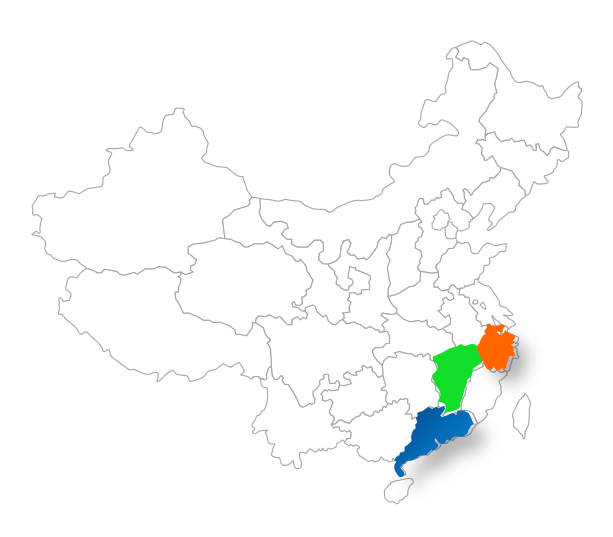
Our company has been a electronic connectors professional manufacturers since 2004. The head office is located in Yueqing China. Company has more than 200 employees. branch in Jiangxi (factory) and Shenzhen (counter). We Cooperate with Shenzhen University to develop products. Main Markets Southern Europe, Western Europe, North America, South Asia, Domestic Market. Main products Power Jacks Series, Phone Jacks Series, Switch Series, RCA Pin Jack Series, Network socket series.
ChinaWellnow is an enterprise with a sense of social responsibility. It is actively committed to the improvement of enterprise activities, goods, services and other related quality and environmental protection (including biodiversity). At the same time, it builds a solid trust relationship between customers and business partners, and maintains and improves this trust relationship forever. We satisfy all our clients with advanced products, competitive prices, fast delivery and one-stop service. It's our mission to boost our customer's business.

Our Global Infrastructure & Locations
Headoffice • Yueqing
The headquarters of the company is located in Yueqing, Zhejiang Province, which is the national electronic and electrical distribution center. The headquarters has set up domestic and foreign trade department, technology research and development department and production department.
Shenzhen Office
The office is set up in Shenzhen, China's trade center. It always pays attention to market trends, understands market demand and feeds back to the company's headquarters in time. It is an important window for trade.
Branch Jiangxi Plant
With 5000 ㎡ production area and 200 professional production workers working hard in the production line. Expanding manufacturing capacity to service global marine and industrial demands.
Honor and Certificate
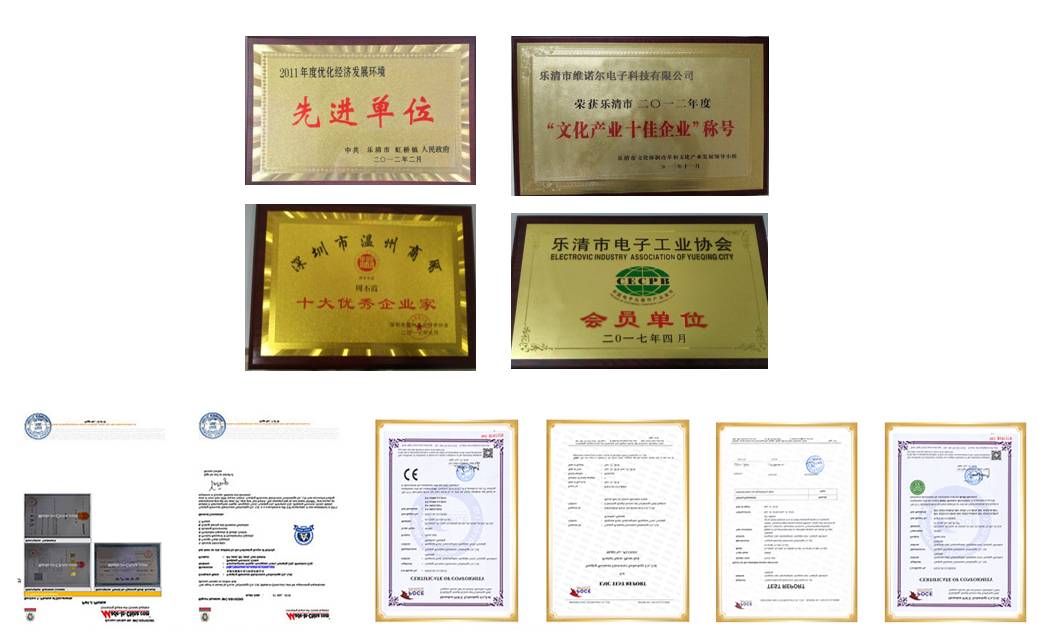
Our factory with its R & D, product engineering and quality control department, was certified with ISO 9001:2015 in 2005. Most of our products shown on this website are certified as being in compliance with UL, VDE and ENEC standards. We Cooperate with Shenzhen University to develop products.
Every marine-grade rocker switch, terminal block, and high-current connector batch undergoes rigorous destructive testing, including dielectric breakdown testing, salt-spray fog chambers, temperature rise endurance tests, and ingress sealing validation to ensure total maritime safety.
Real Facts
Excellence in Precision Engineering and Scalable Global Delivery
Dedicated Employees & Engineers
High-Tech Production Area
Professional Manufacturers Since 2004
Manufacturing Precision & Testing Facility
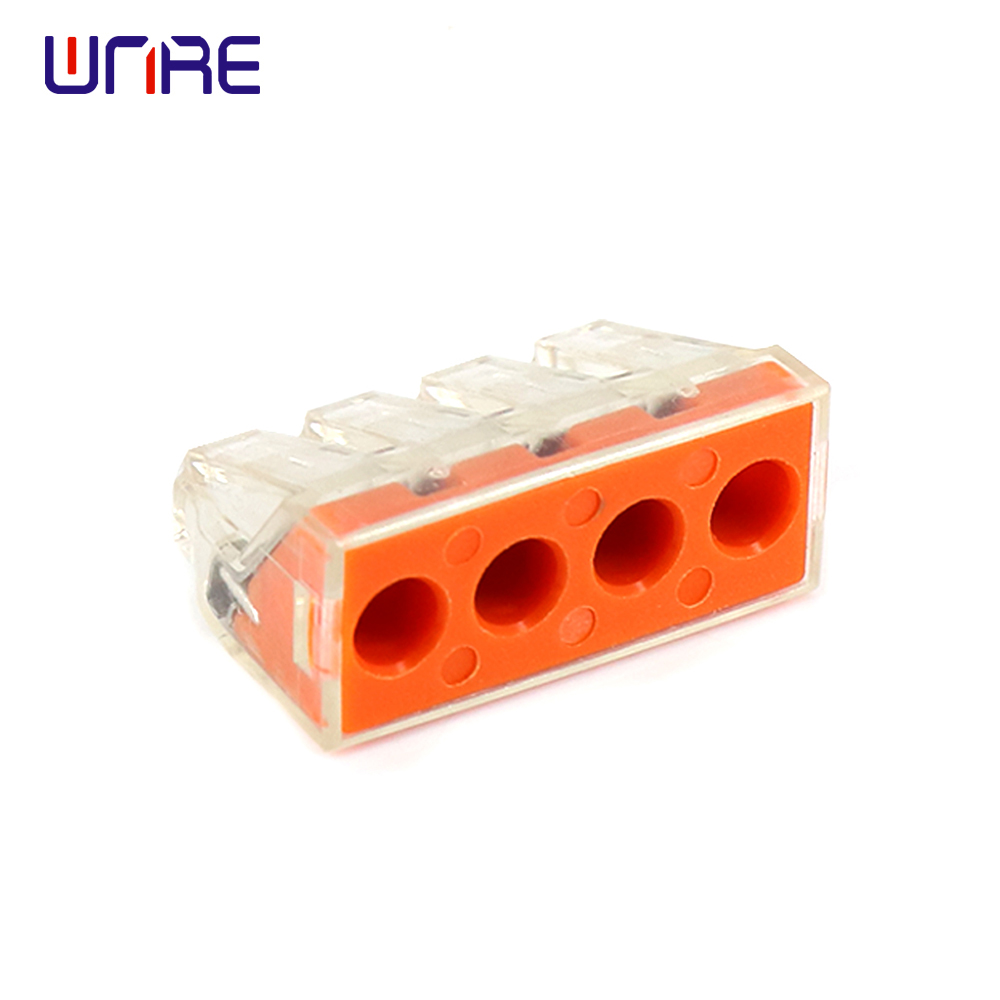
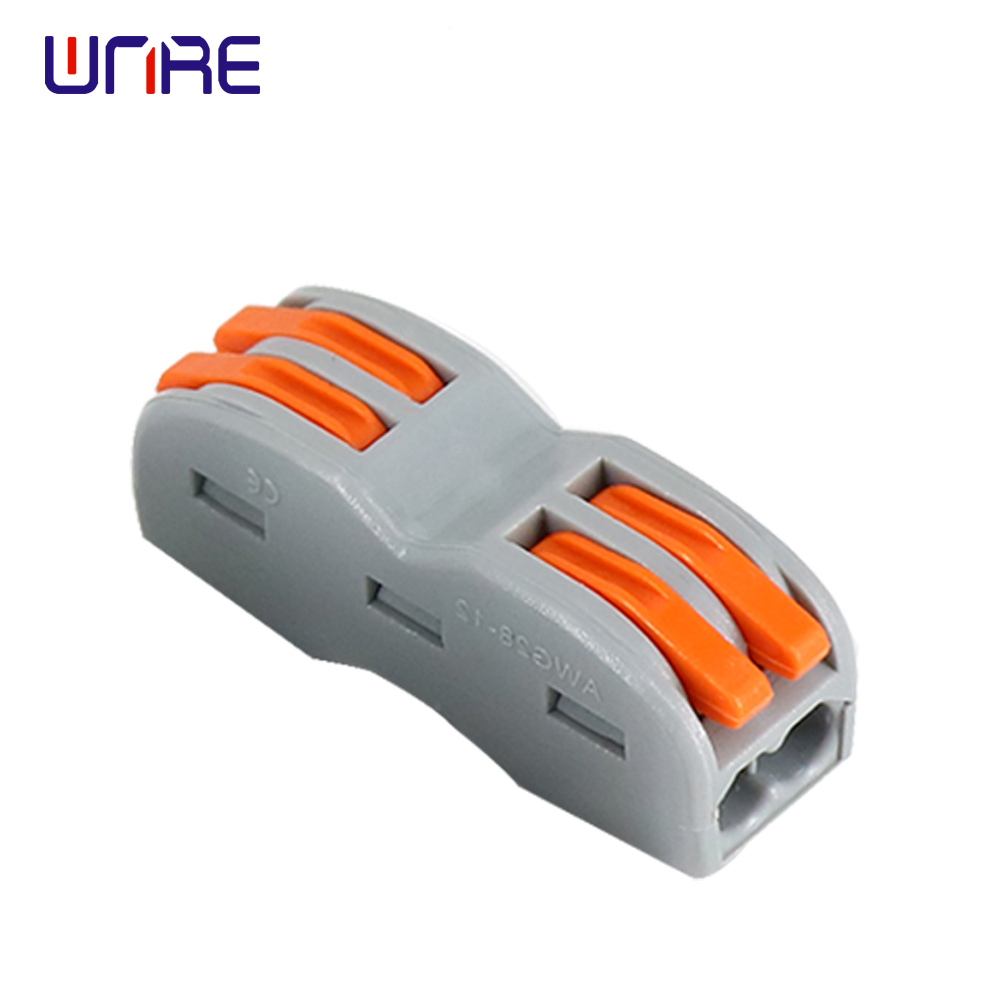
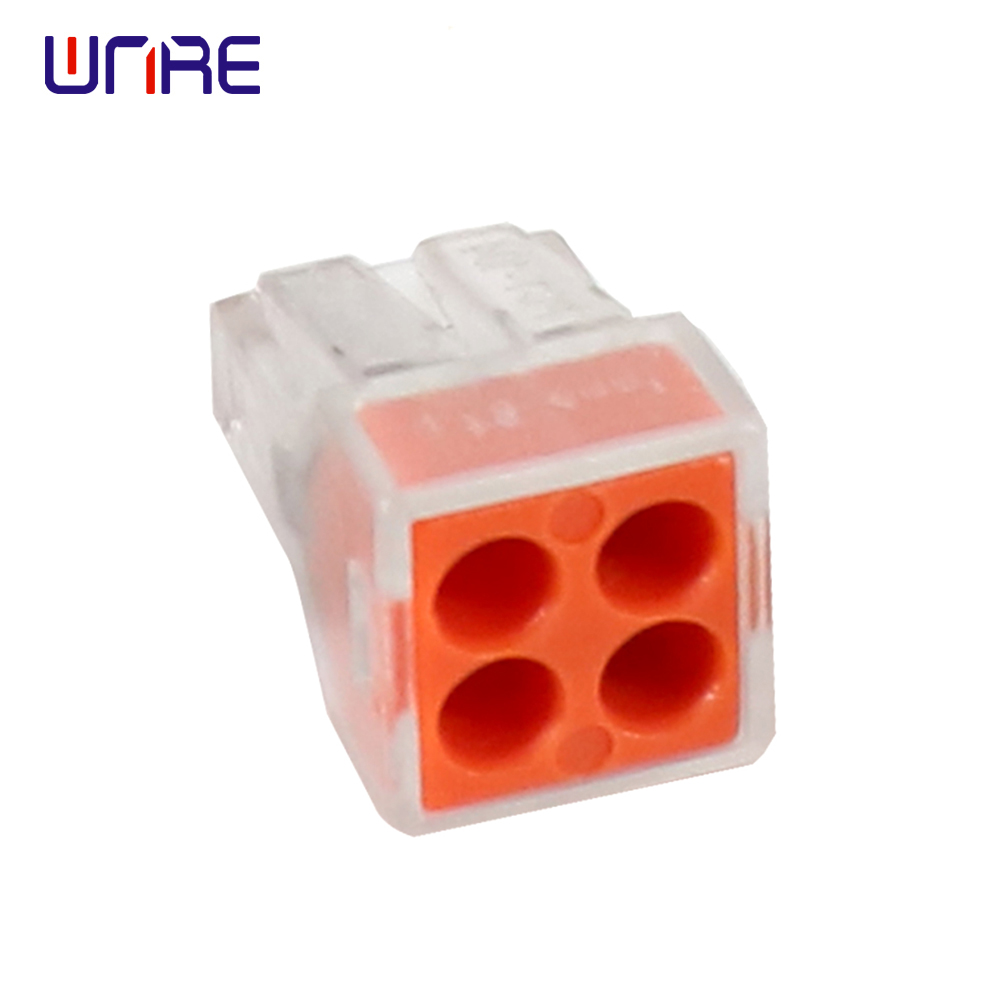
Quick-Connect Terminal Blocks & Wiring Solutions
Safe, tool-free spring clamp terminal connectors ideal for tight marine electrical junction boxes
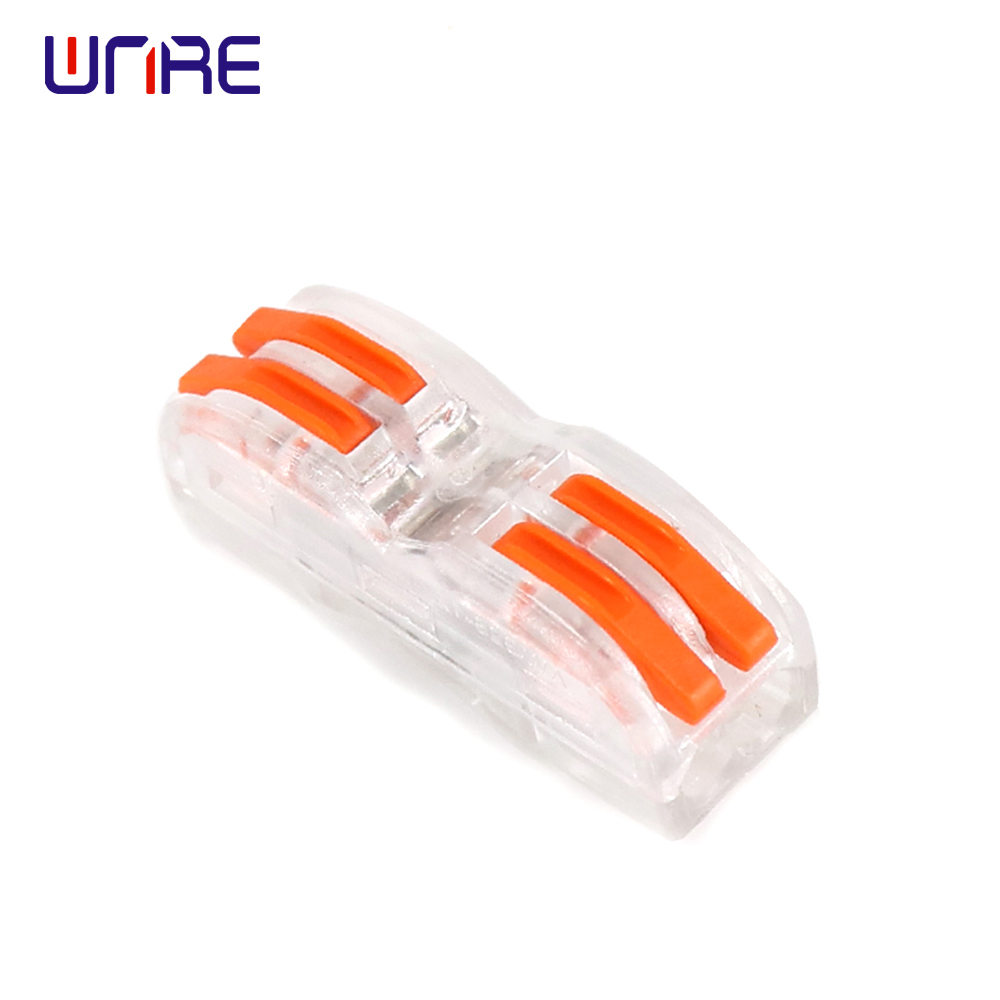
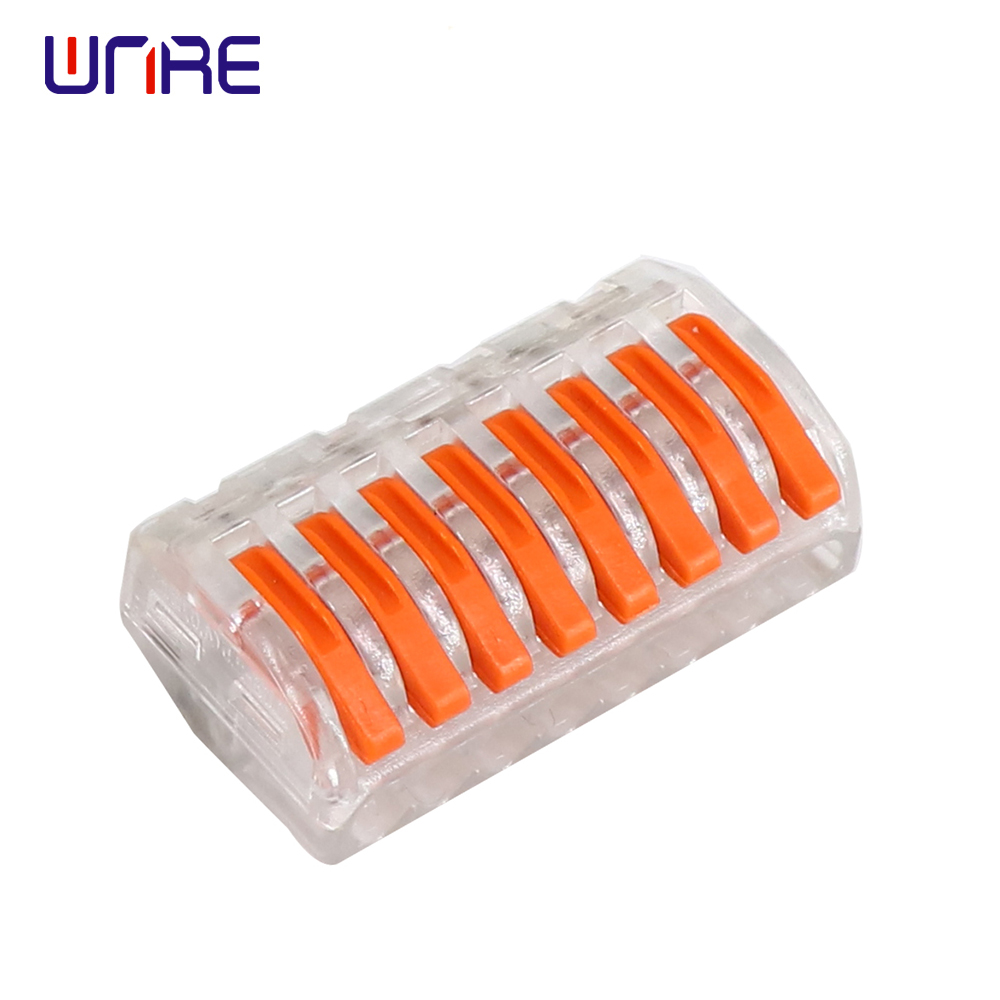
PCT-218T High-Quality Transparent Housing Compact Push-in Terminal Block Wire Connector Tool-Free
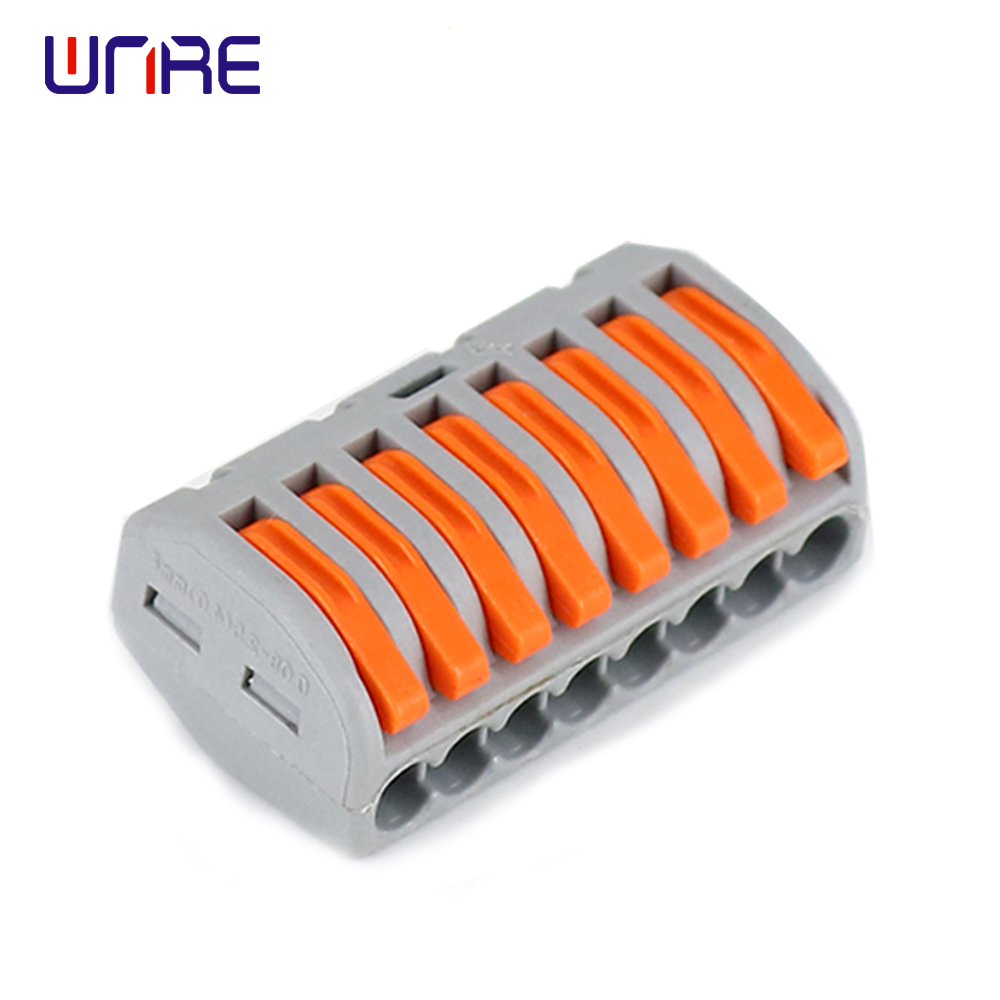
PCT-218 Electrical Connector Cable Wire Push-in Terminal Block Universal Quick Terminal Wiring
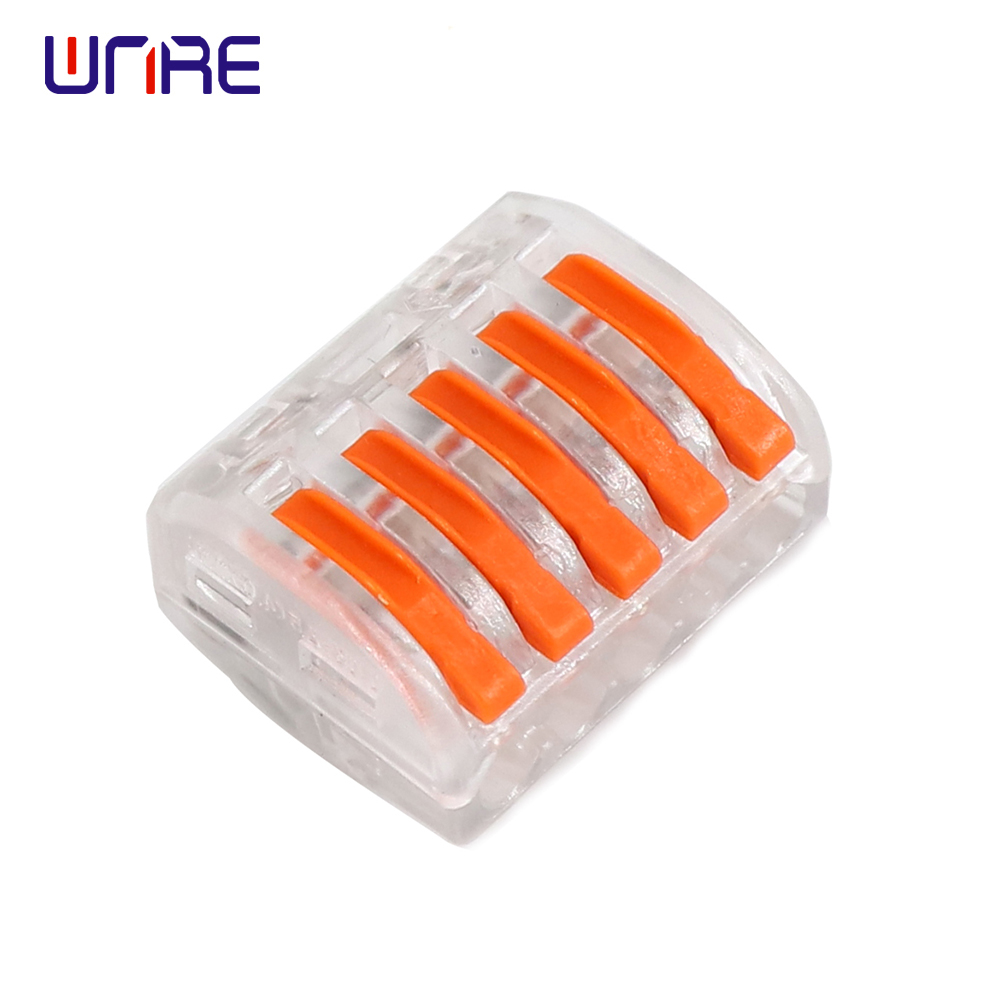
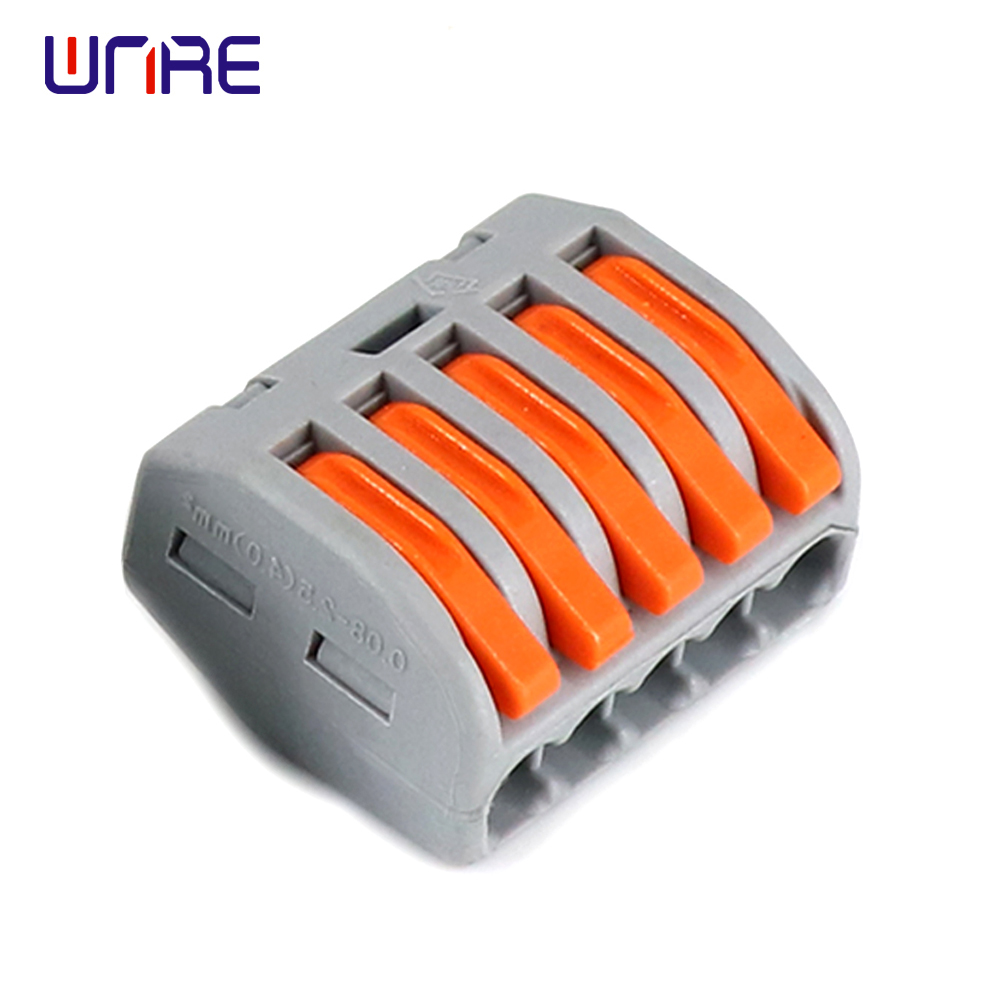
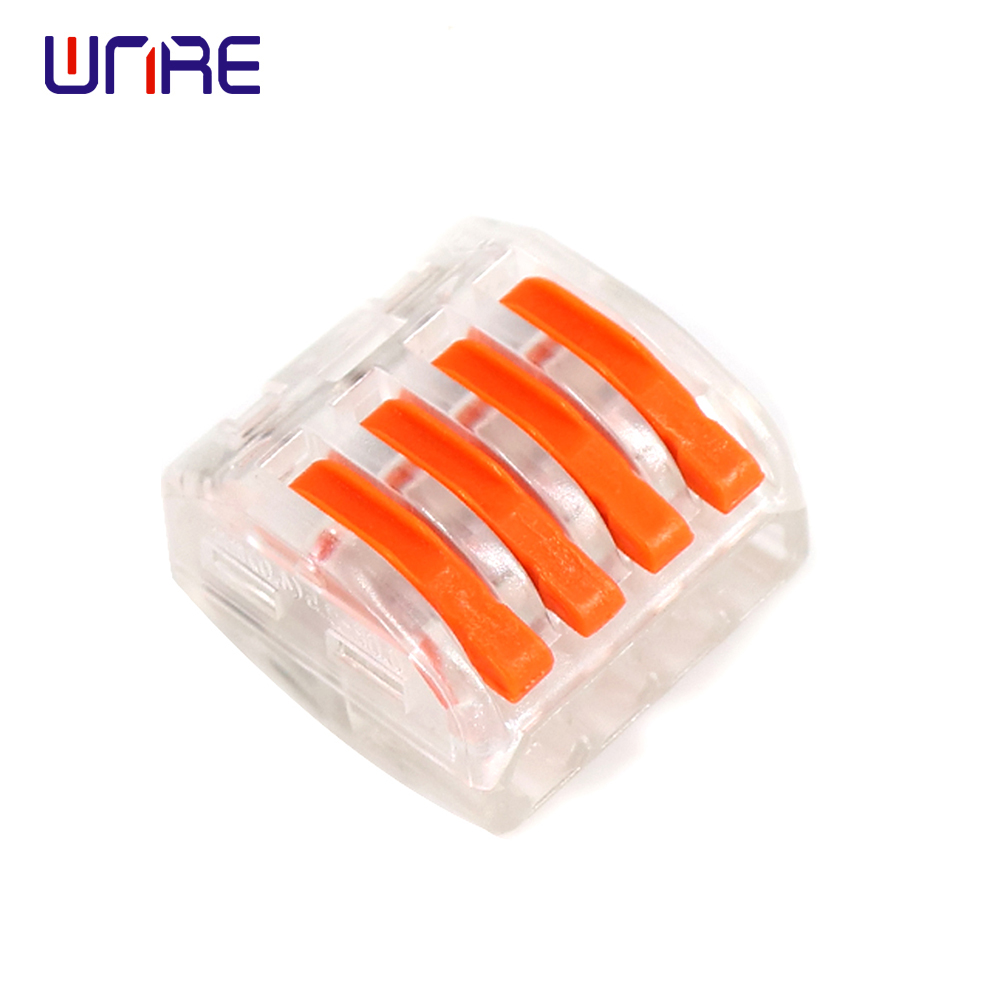
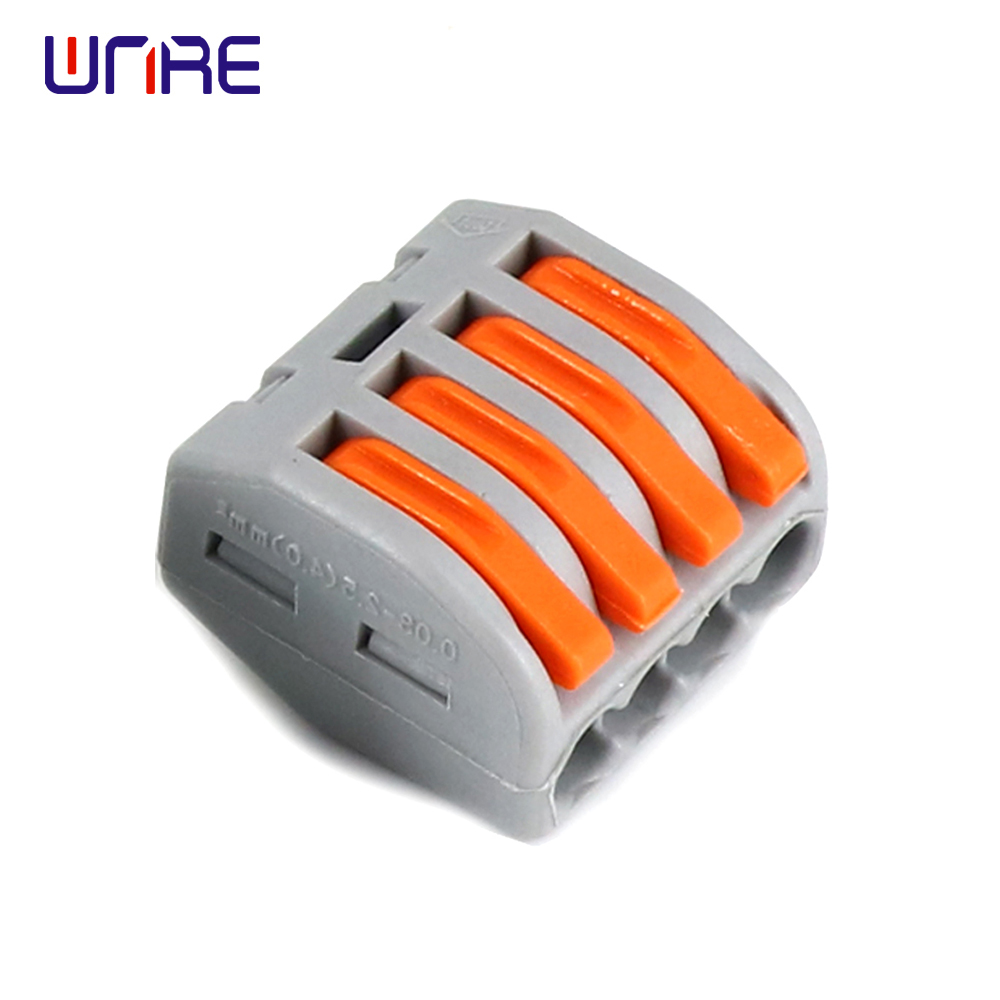
PCT-214 Lever-Nut Conductor Compact Wire Connectors Terminal Block Quick Wire Push Cable Connector
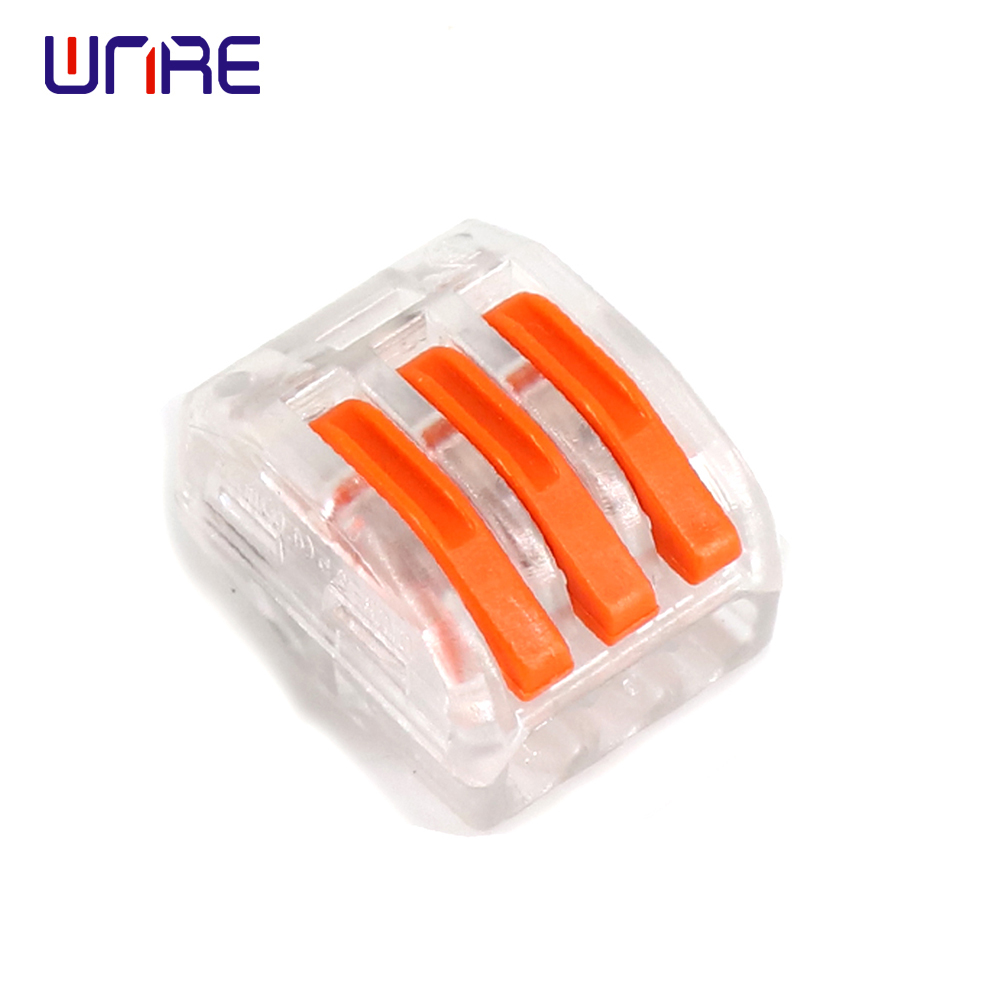
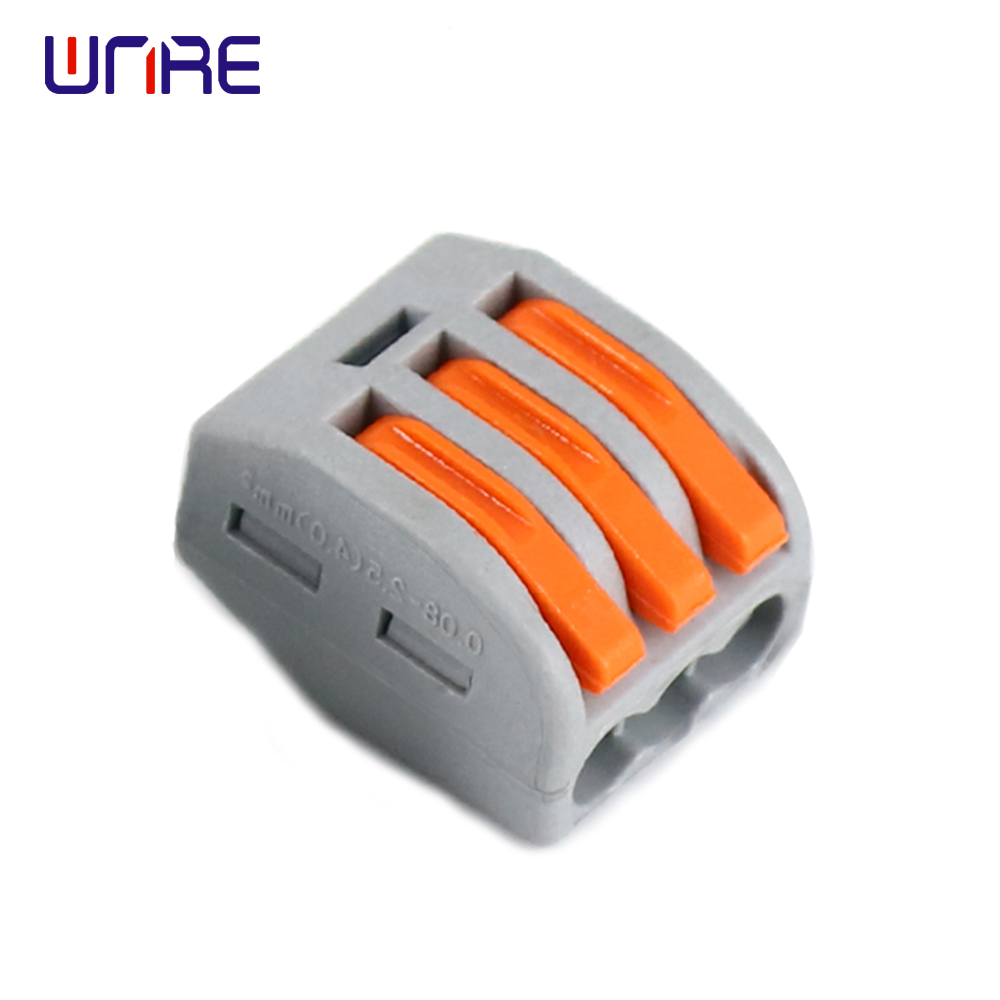
PCT-213 Rated voltage 400V Quick Splice Wire Connector Electrical Quick Terminal Block Connector
Original Precision Components & Marine Rocker Switches
Reliable switching, audio jacks, magnetic interfaces, and energy connectors for marine and electronic industries