- Mobile Phone
- +86 13736381117
- info@wellnowus.com
Featured Automotive Circuit Components
Precision-engineered tactile interfaces, custom harness connectors, and low-profile magnetic interconnects designed for demanding automotive sub-assemblies.
The Modern Automotive Switching Paradigm
Transitioning from high-current mechanical relays to solid-state digital logic and micro-signal tactile human-machine interfaces.
Micro-Current Digital Signal Routing
In modern automotive electrical and electronic (E/E) architectures, the function of a switch has fundamentally evolved. Historically, automotive switches directly handled substantial inductive and resistive electrical loads—such as driving headlamp filaments or fan blower motors with continuous currents ranging from 5A to 20A. Today, decentralized Electronic Control Units (ECUs), Body Control Modules (BCM), and localized microcontrollers process switching intents as low-voltage, micro-current digital logic inputs.
Tact switches intended for automotive circuits operate in "dry circuit" environments, where operating currents typically range between 1 mA and 50 mA at operating voltages of 3.3V, 5V, or 12V DC logic. In this low-energy domain, the physical switch does not generate an electrical arc to burn off oxidation or contaminants. Consequently, modern automotive tact switch architectures demand specialized precious metal plating (such as multi-layer gold-over-nickel or high-purity silver alloys) and hermetic IP67/IP68 sealing to guarantee milliohm-level contact resistance throughout a 15-year vehicle lifespan.
Integration with CAN, LIN & FlexRay Bus Networks
Modern vehicle interiors utilize Controller Area Network (CAN) and Local Interconnect Network (LIN) sub-buses to condense complex wiring harnesses. Multi-switch assemblies—such as steering wheel multi-function keypads, door trim window/mirror clusters, and overhead console controls—group multiple tactile switches onto a single compact PCB with integrated LIN transceiver nodes.
This architectural transition places strict demands on the contact bounce characteristics, tactile consistency, and electromagnetic compatibility (EMC) of the switch. Any spurious electrical bounce exceeding 5 milliseconds can result in false triggering or bus contention within rapid polling microcontroller routines. Wellnowus automotive-grade tactile switches integrate proprietary metal dome geometry to ensure crisp contact transitions with typical bounce times constrained under 1.5 ms.
Engineering Architecture & Electromechanical Design
Analyzing the metallurgical, tribological, and structural elements that guarantee tactile longevity under extreme automotive stresses.
Dome Metallurgy & Plating
The core snap-action mechanism relies on stainless steel (SUS301/SUS304) or beryllium copper alloy domes. Contact surfaces feature ultra-thick silver (Ag) or hard gold (Au) plating to combat fretting corrosion caused by engine vibration and ambient thermal cycling.
Hermetic Ingress Sealing (IP67/IP68)
Automotive cockpits and under-the-hood circuits face beverage spills, humidity condensation, and cleaning aerosols. Liquid silicone rubber (LSR) membranes and ultrasonic welding encapsulate the contact chamber against fluid and fine dust ingress.
Haptic Curve Engineering
Driver feedback requires a precise actuation force (typically 1.6N to 4.5N) paired with a tactile ratio of 30% to 55%. This calibrated crisp click confirms switch actuation through driving gloves without diverting the driver's visual attention from the road.
| Automotive Application Zone | Typical Actuation Force (N) | Travel Distance (mm) | Required Ingress Rating | Operating Temperature | Target Electrical Life (Cycles) |
|---|---|---|---|---|---|
| Steering Wheel Multi-Function Keypads | 2.2N - 3.5N | 0.30mm - 0.55mm | IP65 / IP67 | -40°C to +85°C | 300,000 - 500,000 |
| HVAC & Center Console Controls | 1.6N - 2.5N | 0.25mm - 0.45mm | IP54 / IP67 | -40°C to +85°C | 200,000 - 300,000 |
| Electronic Parking Brake (EPB) / Start-Stop | 3.5N - 5.0N | 0.50mm - 0.80mm | IP67 (Redundant contact) | -40°C to +105°C | 500,000 - 1,000,000 |
| Exterior Door Handles & Tailgate Release | 3.0N - 4.5N | 0.40mm - 0.70mm | IP68 / IP69K | -40°C to +125°C | 250,000 - 500,000 |
| EV Battery Service & Interlock Circuits | 2.0N - 3.5N | 0.35mm - 0.50mm | IP67 Sealed | -40°C to +125°C | 100,000 - 200,000 |
Automotive Environmental Validation & Standards
Automotive circuit components are exposed to operating environments far more severe than consumer electronics. A tact switch mounted inside an automotive cockpit or chassis must endure continuous vibration, extreme thermal shock, corrosive chemical environments, and mechanical overload.
Thermal Shock & High-Temperature Endurance: Tested across extreme temperature differentials from -40°C up to +125°C (and up to +150°C for engine compartment applications), with dwell times compliant with ISO 16750-4. High-temperature thermoplastic bases (such as PA9T or LCP) prevent dimensional warping and maintain terminal coplanarity during lead-free SMT reflow soldering.
Sinusoidal & Random Vibration Endurance: In accordance with ISO 16750-3 and USCAR-2 specifications, components undergo 3-axis vibration profiles (frequency sweeping from 10 Hz to 2,000 Hz at peak accelerations up to 30g). Internal contact springs must guarantee zero contact discontinuity greater than 1 microsecond during intense resonance testing.

Deep Automotive Application Scenarios
Exploring how specialized tact switches power mission-critical vehicle subsystems across electrification, safety, and cockpit domains.
1. Smart Cockpit & Human-Machine Interfaces (HMI)
As cockpit layouts transition toward minimalist designs with touchscreens and smart surfaces, physical tact switches remain indispensable for safety-relevant tactile confirmation. Steering wheel multi-function switches allow drivers to command ADAS cruise control speed, lane centering, voice recognition, and audio streams without eye deviation.
In climate control panels (HVAC), tact switches are integrated beneath dual-function rotary encoder knobs and capacitive slider surfaces. The hybrid combination of capacitive proximity sensing and a definitive mechanical tact click provides fail-safe confirmation, preventing inadvertent adjustments caused by road turbulence.
2. Electric Vehicle (EV) Battery & High-Voltage Systems
In battery electric vehicles (BEVs) and plug-in hybrid electric vehicles (PHEVs), tactile switches play a critical role in High-Voltage Interlock Loops (HVIL), Battery Disconnect Units (BDUs), and charging flap actuators.
Tact switches within high-voltage service disconnect plugs detect the physical unlatching of access covers prior to contactor opening, enabling the vehicle controller to safely de-energize the 400V/800V DC bus. Furthermore, micro-tactile sensors integrated into DC fast-charging ports detect plug locking states, mechanical engagement depth, and thermal release latch positions.
3. ADAS, Safety Systems & Redundant Actuation
Safety-critical vehicle controls require functional safety compliance under ISO 26262. For applications like Electronic Parking Brake (EPB) switches, Engine Start-Stop pushbuttons, and Hazard Warning blinkers, standard single-contact switches are insufficient.
Engineers employ dual-circuit tactile switches featuring dual metal domes or redundant DPST (Double Pole Single Throw) contact structures. The body control module verifies that both contact pairs transition simultaneously within a tight timing tolerance, immediately flagging an internal switch fault code if one contact fails to close.
4. Exterior Vehicle Access & Body Electronics
Exterior electronic door handles, smart flush door release latches, and powered liftgate switches are directly exposed to pressurized car wash jets, road salt spray, freezing rain, and mud.
Sealed automotive tact switches with integrated potting compounds and overmolded silicone boots achieve IP68/IP69K ratings. Specialized actuating stems with integrated silicone buffers eliminate rattling noises, while maintaining smooth tactile operation even when ice builds up on the exterior handle housing.
Industrial Trends: In-Mold Electronics & Hybrid Haptics
The convergence of flexible printed electronics, smart interior trims, and micro-electromechanical tactile feedback.
In-Mold Electronics (IME)
Vehicle designers are embedding circuitry directly into thermoformed polymer dashboards and door panels. Ultra-thin surface-mount tact switches with low profiles (under 1.5mm) are placed directly onto flexible printed substrates (FPC) before resin injection molding.
Integrated Illumination
Tactile switches with hollow center stems or translucent actuators accommodate surface-mount bi-color RGB LEDs directly beneath the switch dome. This creates uniform, night-time backlit icons without requiring external light pipes or extra PCB space.
Piezo-Tactile Hybrids
To satisfy demands for customizable user feedback, Tier-1 automotive suppliers are combining mechanical tactile snap domes with localized piezoelectric actuators, delivering dynamic haptic response profiles customized for distinct vehicle driving modes.
About Us
Leading precision electronic connectors and electromechanical switches manufacturer since 2004.
Our company has been an electronic connectors professional manufacturer since 2004. The head office is located in Yueqing, China. The company has more than 200 employees, with branches in Jiangxi (factory) and Shenzhen (counter). We cooperate with Shenzhen University to develop advanced electromechanical and interconnect products.
Our main markets include Southern Europe, Western Europe, North America, South Asia, and the Domestic Market. Our core product lineup encompasses Power Jacks Series, Phone Jacks Series, Switch Series, RCA Pin Jack Series, and Network Socket Series.
ChinaWellnow is an enterprise with a profound sense of social responsibility. It is actively committed to the improvement of enterprise activities, goods, services, quality management, and environmental protection (including biodiversity conservation). At the same time, it builds a solid trust relationship between customers and business partners, maintaining and enhancing this trust continuously. We satisfy all our clients with advanced products, competitive prices, fast delivery, and one-stop service. It is our mission to boost our customer's business.
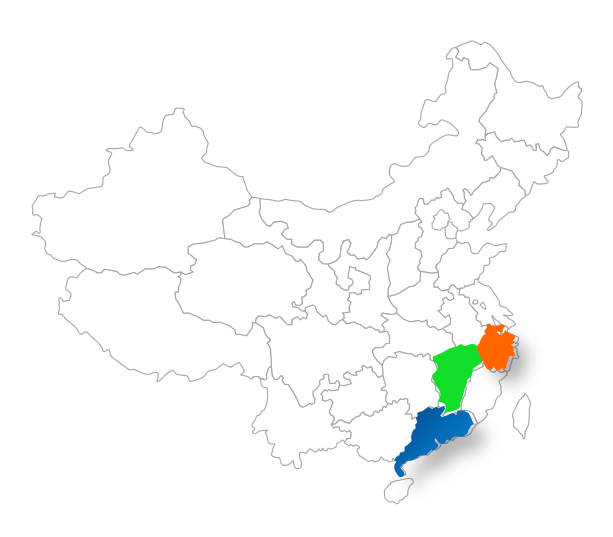
Strategic Locations & Facilities
Coordinated engineering, manufacturing, and global trade centers across China.
Headoffice - Yueqing
The headquarters of the company is located in Yueqing, Zhejiang Province, which is the national electronic and electrical distribution center. The headquarters has established the domestic and foreign trade department, technology research and development department, and production management department.
Shenzhen Office
The office is set up in Shenzhen, China's trade center. It continuously monitors market trends, captures customer demand, and feeds critical engineering requirements back to the company's headquarters in a timely manner. It serves as our primary global window for commercial trade.
Branch Jiangxi & Expansion
Our Jiangxi manufacturing facility features a 5,000 ㎡ production area and over 200 professional production workers operating precision tooling, stamping, and automated assembly lines. Our strategic next phase includes expansion into Yunnan Province to support scalable demand.
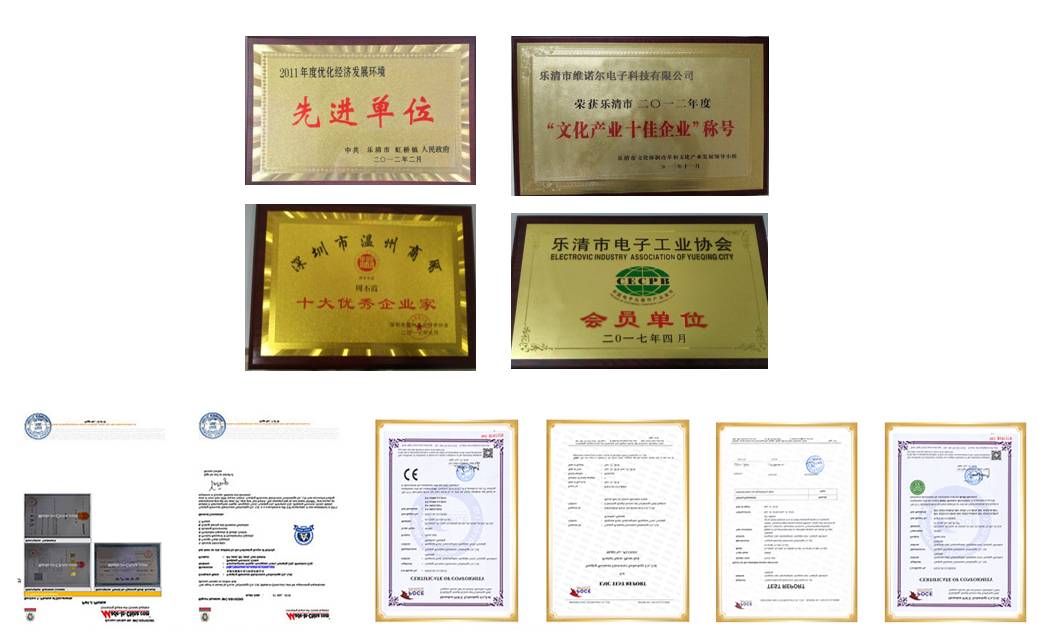
Honor and Certificate
International quality certifications validating precision manufacturing and rigorous process control.
Our factory, equipped with dedicated R&D, product engineering, and comprehensive quality control departments, was certified with ISO 9001:2015 in 2005.
Most of our products displayed across our catalog are certified compliant with UL, VDE, and ENEC standards. We continuously cooperate with Shenzhen University to pioneer new connector patents, micro-switch materials, and automated production inspection systems.
Corporate Video Presentation
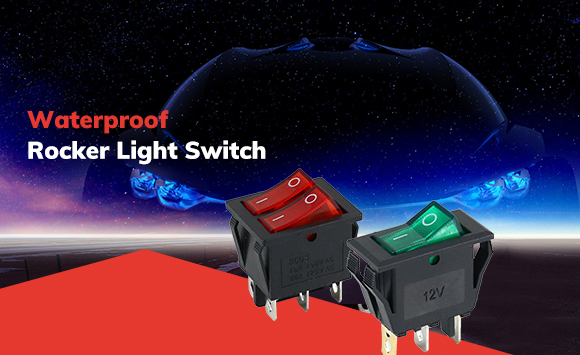
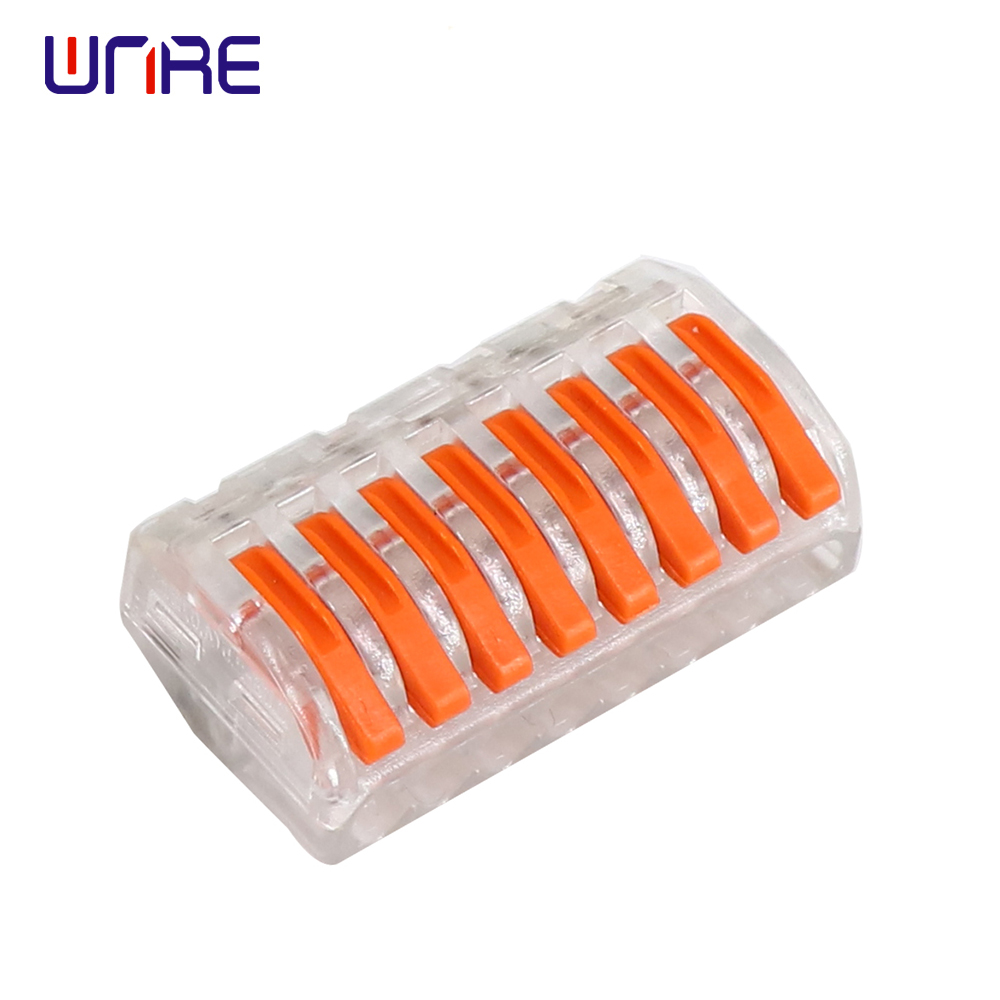
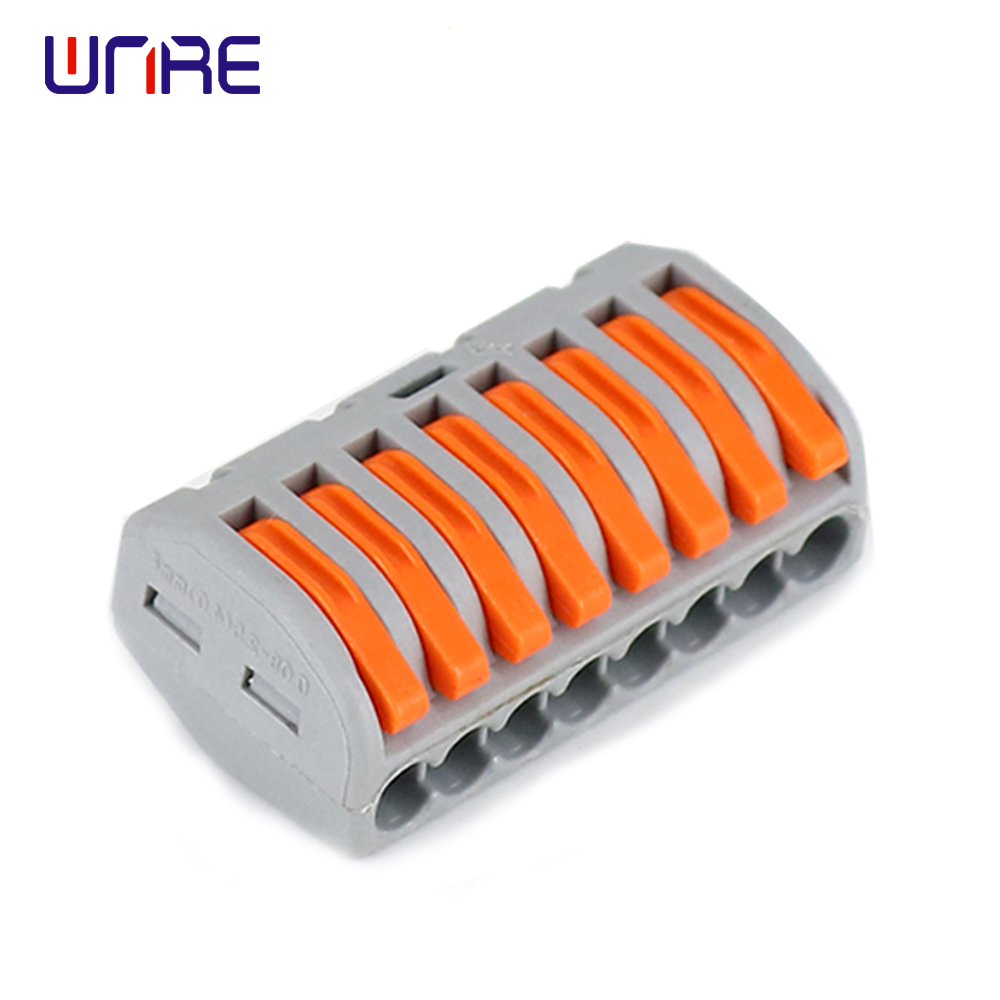
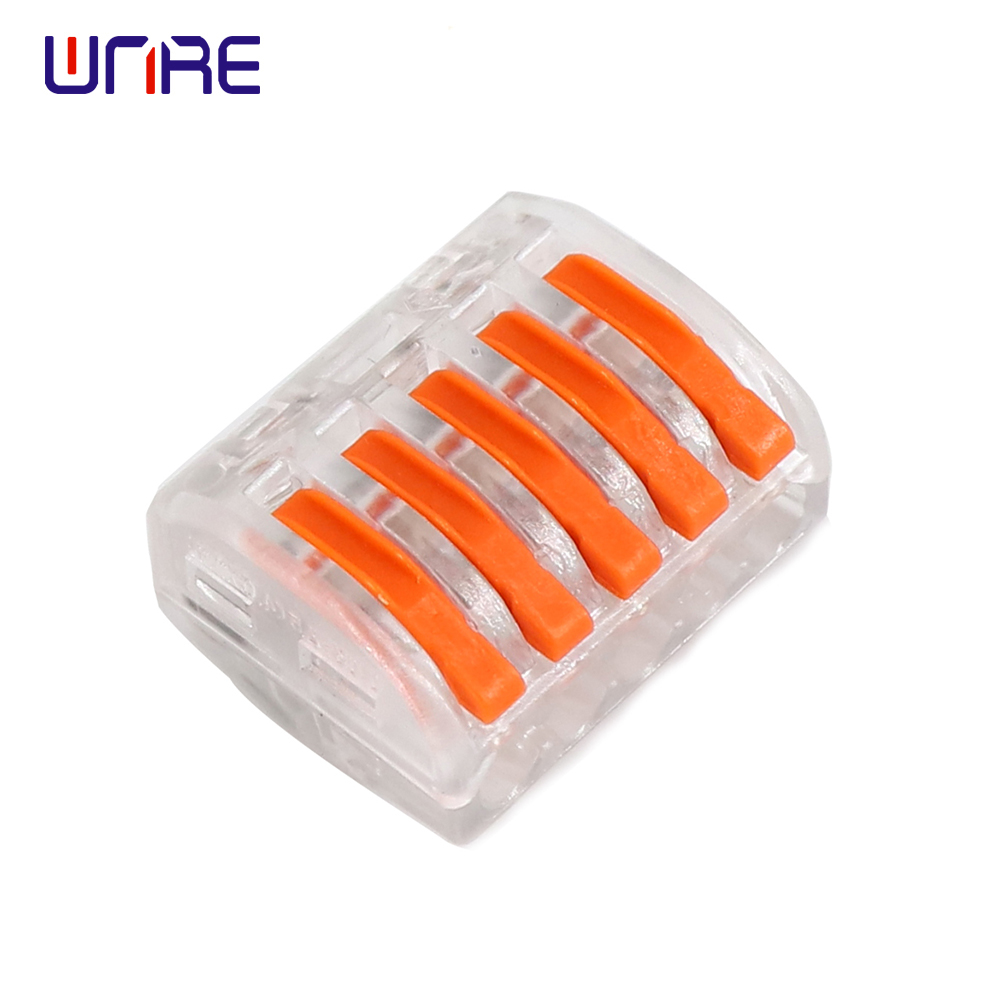
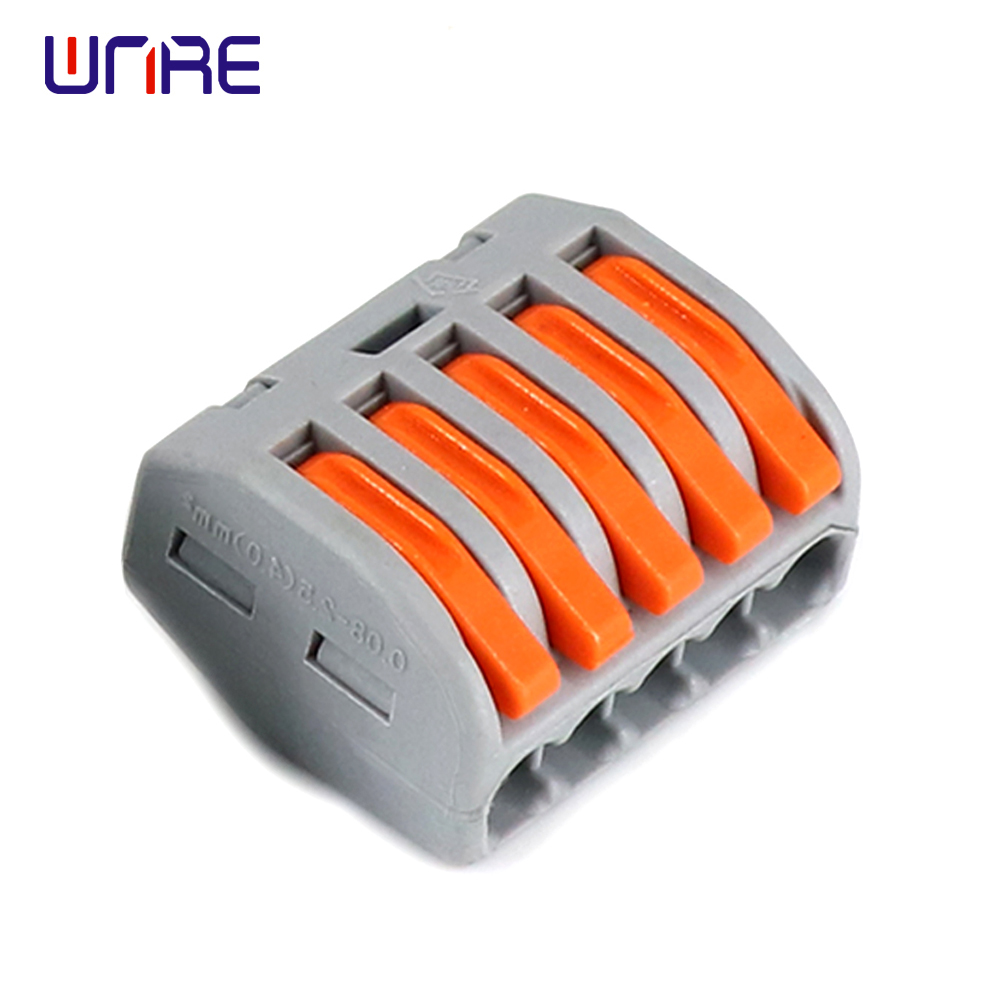
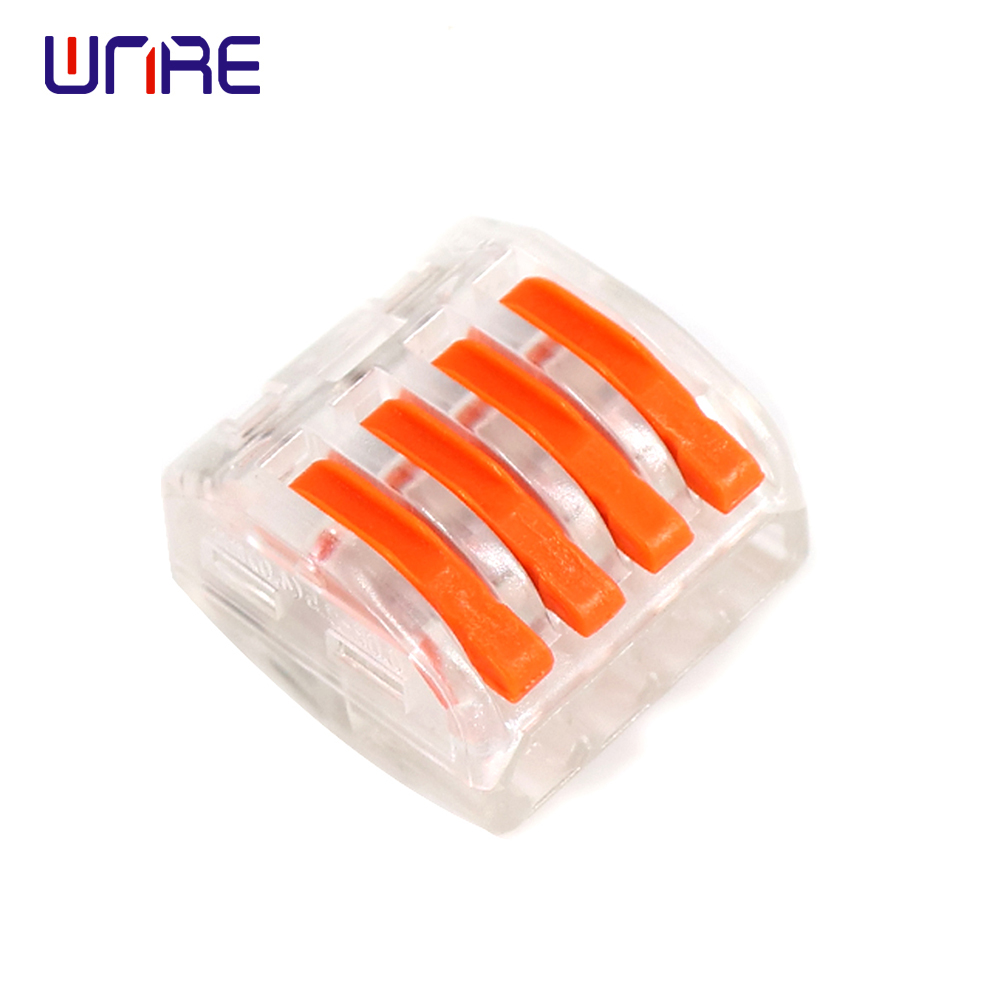
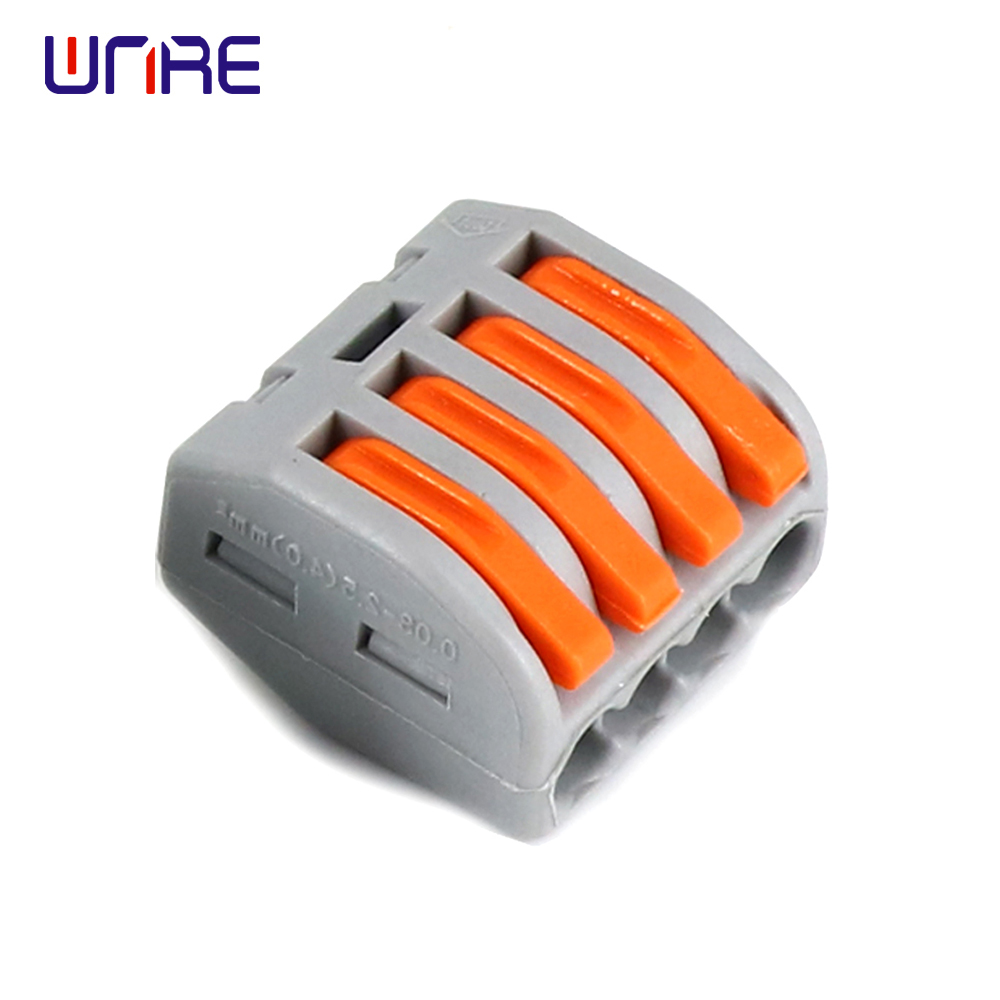
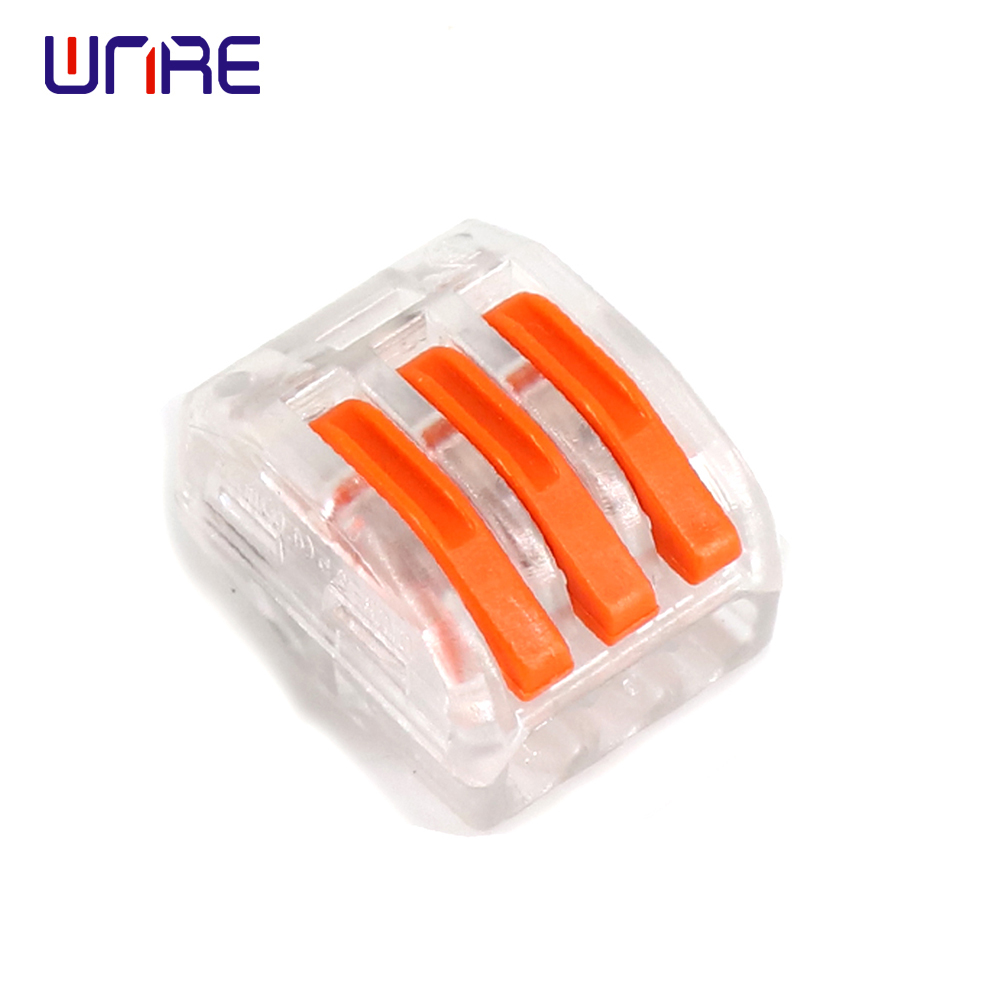
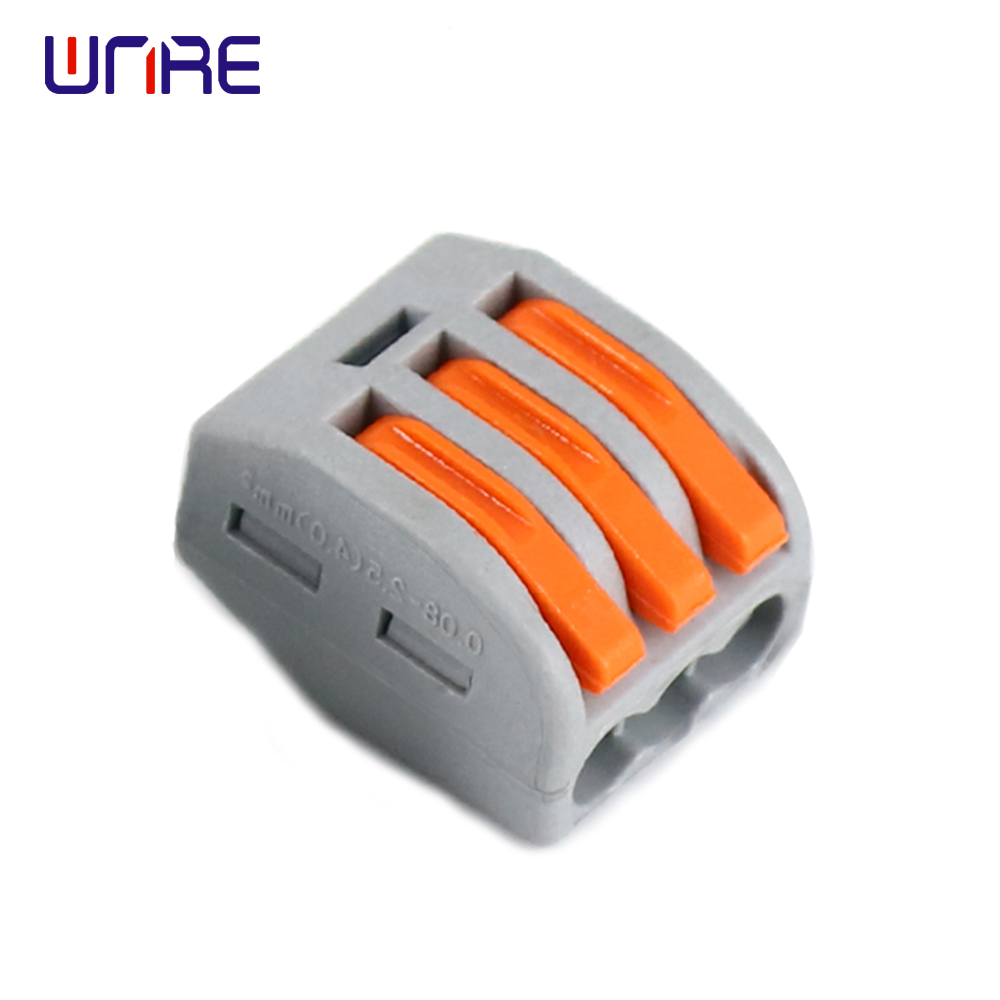
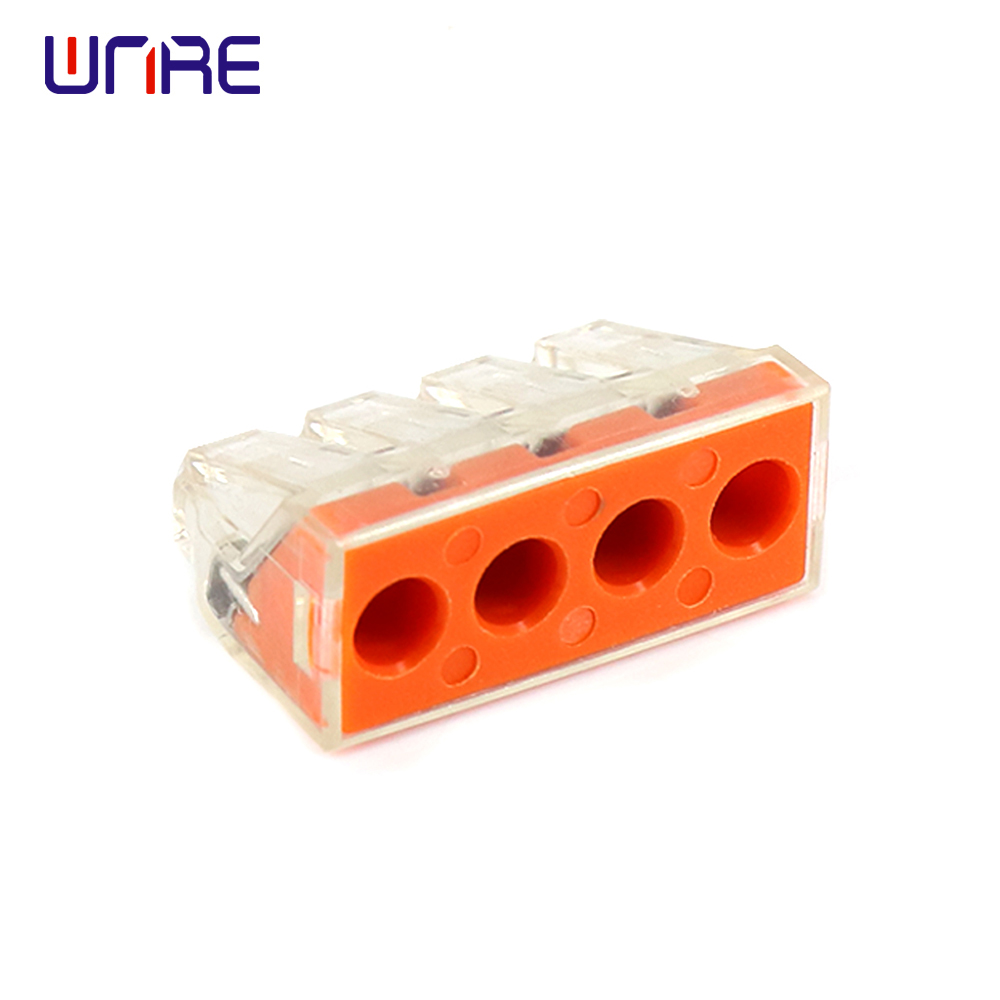
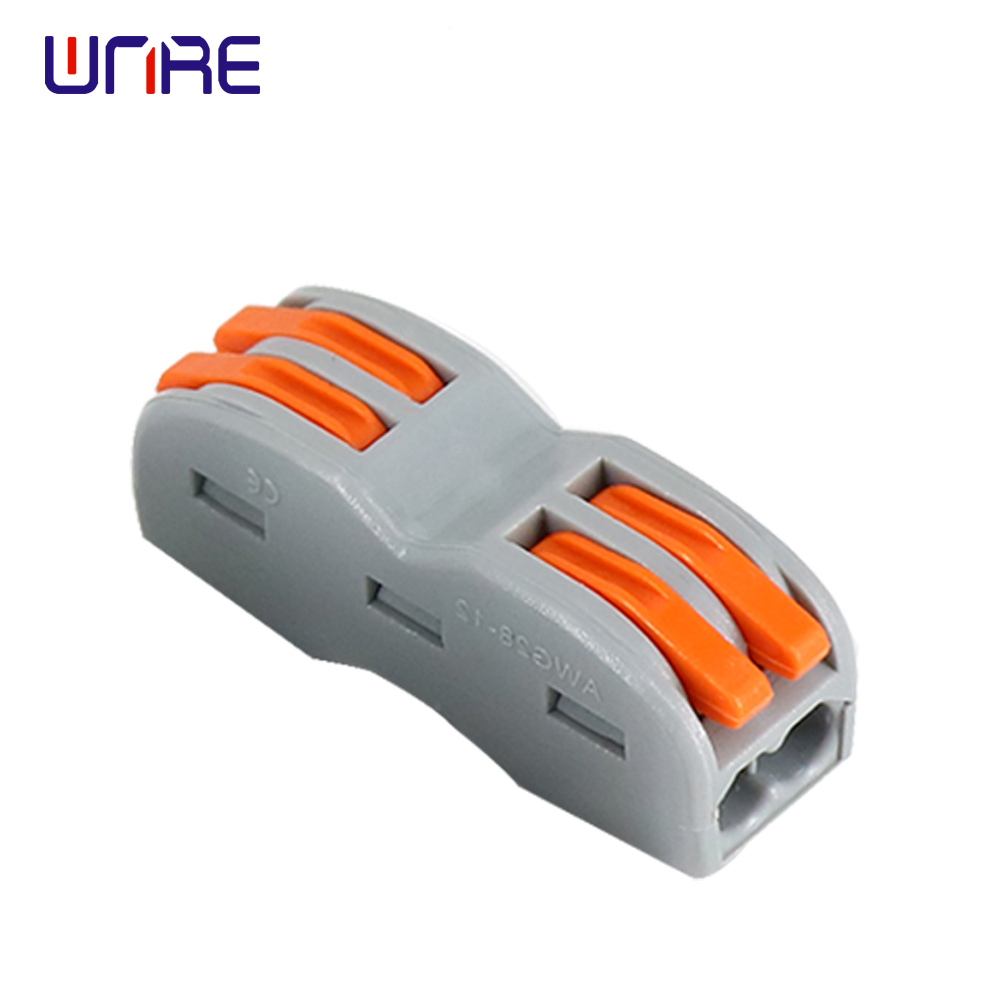
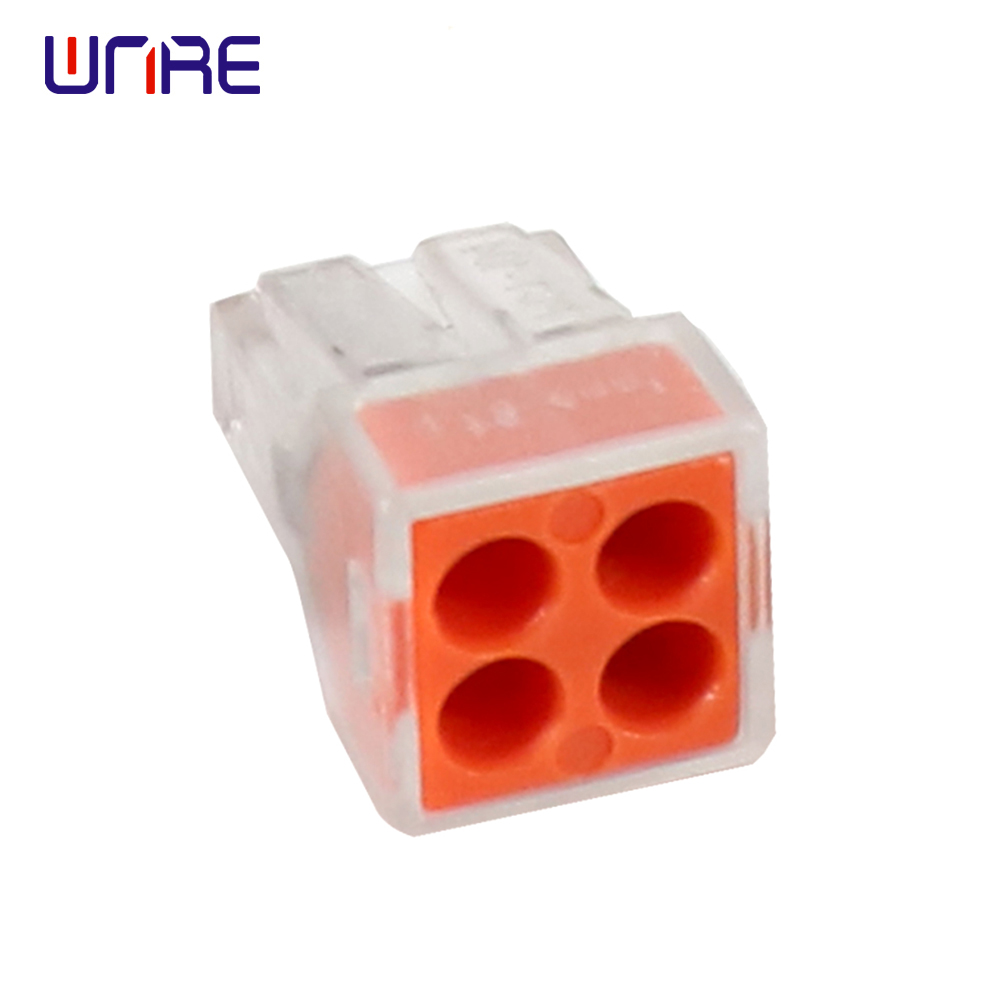
Universal Push-In & Lever Terminal Connectors
Quick-splice conductor wire terminal blocks engineered for automotive wire harnesses, junction boxes, and electrical control panels.
Specialized Interconnect & High-Voltage Series
Complete portfolio of tactile components, aviation circular plugs, test leads, and high-voltage energy storage connectors.