- Mobile Phone
- +86 13736381117
- info@wellnowus.com
Featured Control Panel Switches & Interconnects
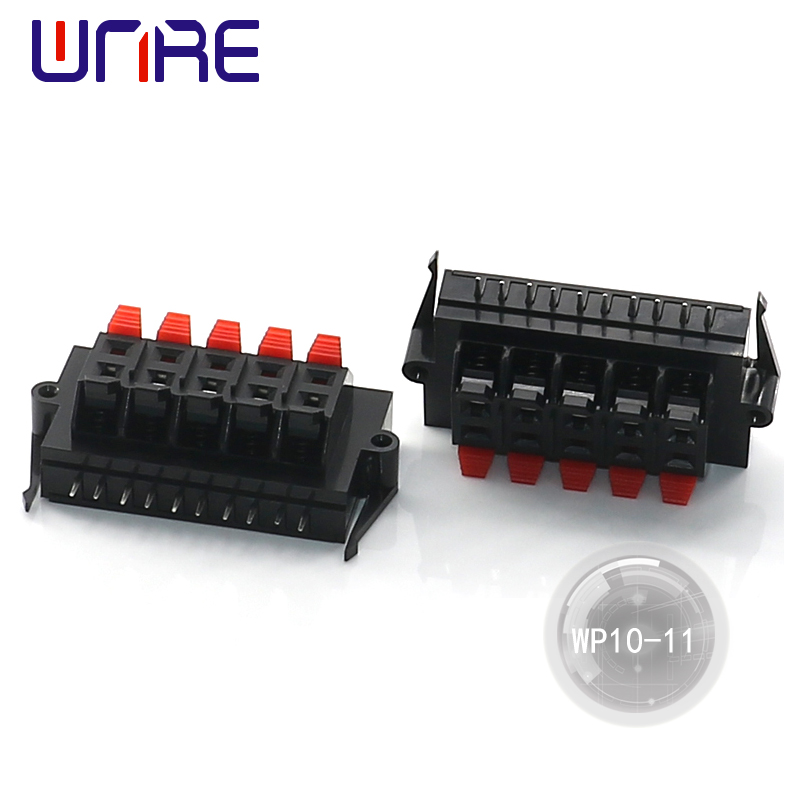
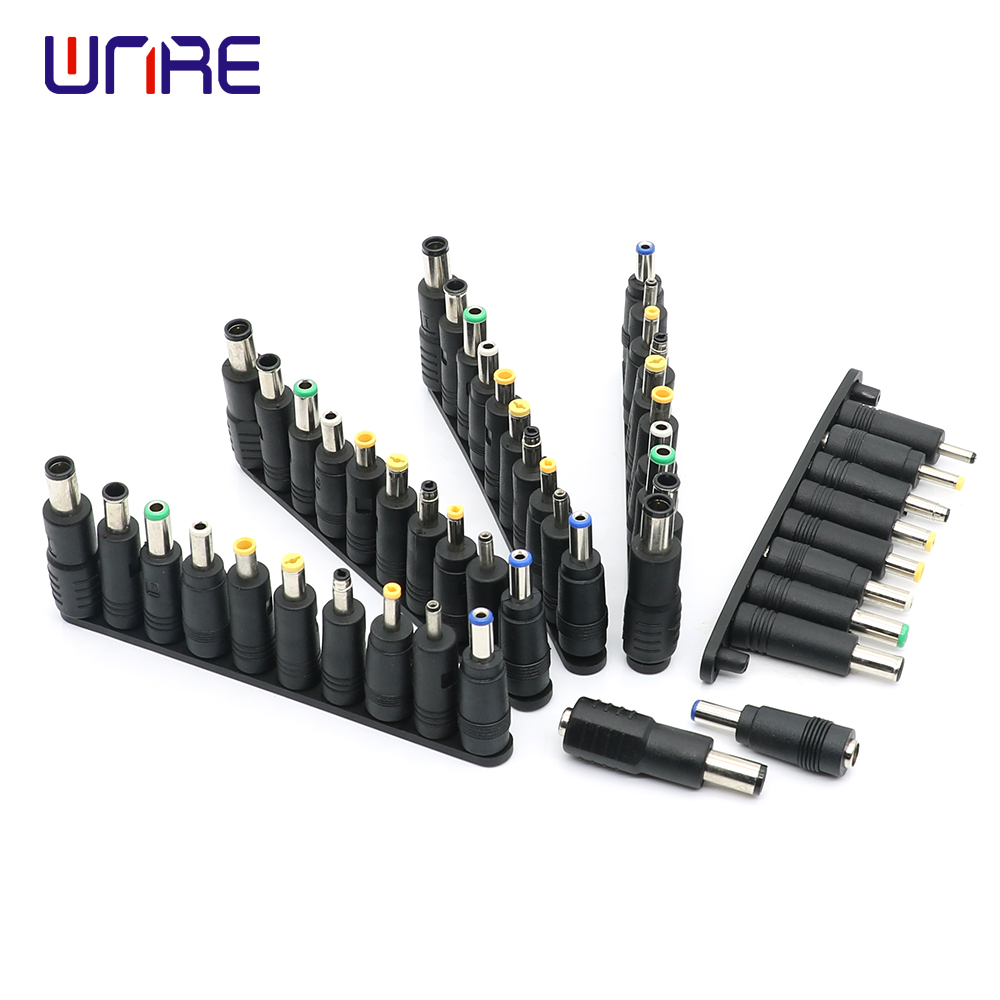
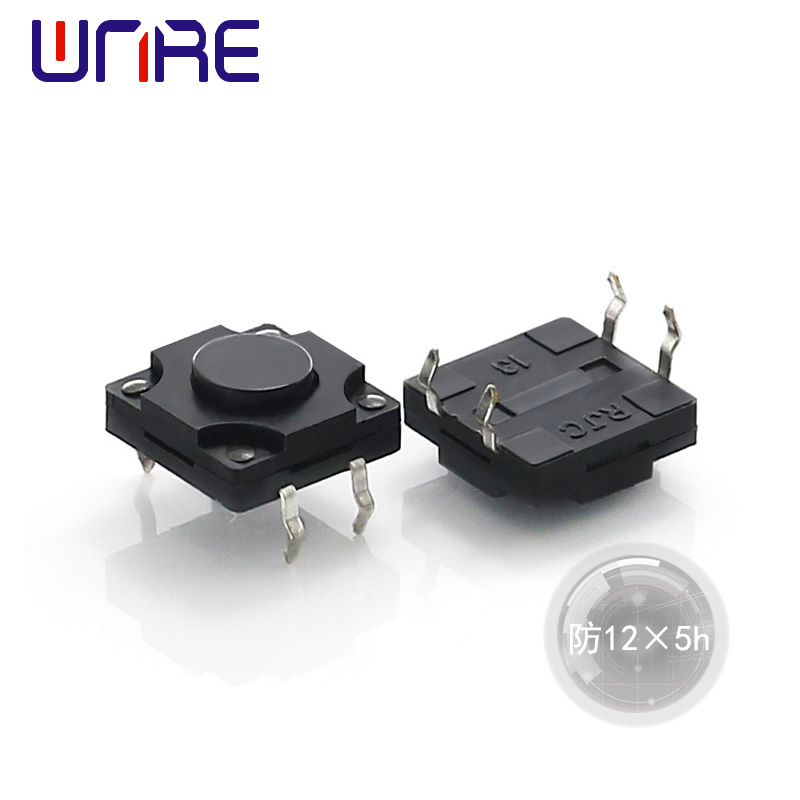
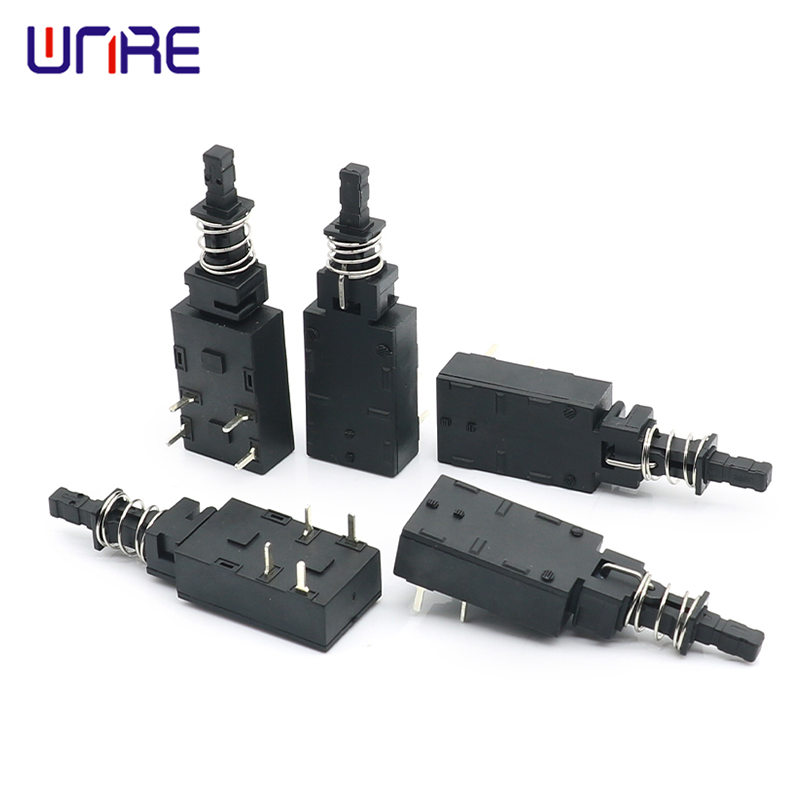
Essential connectivity and switching units built for rugged industrial automation cabinets and control interfaces.
Thermal Management in Industrial Control Panels: The Critical Role of Thermostatic Switches
Modern industrial automation systems rely heavily on sensitive microelectronics, programmable logic controllers (PLCs), variable frequency drives (VFDs), power supplies, and communication modules housed securely within electrical enclosures. However, the continuous miniaturization of power electronics paired with higher power densities has created intense localized thermal hotspots inside sealed control cabinets. Without a reliable, autonomous thermal regulation mechanism, enclosed components face accelerated thermal degradation, nuisance tripping, capacitor dry-out, and catastrophic dielectric breakdowns.
A dedicated thermostatic switch for control panels functions as the first line of defense in enclosure micro-climate control. By mechanically or electronically sensing temperature fluctuations within the cabinet, these compact switches dynamically govern cooling devices (such as filtered exhaust fans, heat exchangers, and thermoelectric coolers) as well as anti-condensation panel heaters. By maintaining the enclosure internal temperature within optimal operating boundaries (typically 15°C to 35°C / 59°F to 95°F), thermostatic switches maximize mean time between failures (MTBF), maintain warranty conditions for internal electronics, and guarantee non-stop 24/7 manufacturing uptime.
Industry studies and the Arrhenius rule demonstrate that for every 10°C (18°F) rise in operational temperature beyond a semiconductor or capacitor’s maximum rating, the expected operational life of the electronic assembly is halved. Implementing precise bimetallic or electronic snap-action thermostatic switches directly curbs thermal cycling fatigue and mitigates dew point condensation risks.
Switching Typologies: Normally Closed (NC), Normally Open (NO), and Dual Thermostats
Thermal regulation inside electrical control panels typically bifurcates into two distinct tasks: heating to prevent relative humidity condensation at low temperatures and cooling to dissipate internal heat loads during high operational output. Thermostatic switches are purpose-engineered with color-coded dials and specific contact configurations to address these exact thermal profiles.
Red Dial: Anti-Condensation Heating Control
Operational Behavior: The switch contact remains closed when the measured ambient temperature is below the user-defined setpoint, keeping enclosure strip heaters or PTC space heaters energized. Once the internal temperature climbs above the target threshold plus hysteresis, the bimetallic snap-disc opens the circuit, halting active heating.
Primary Objective: Condensation mitigation during cold nighttime drop-offs, humid shifts, and freeze protection in outdoor NEMA 4X / IP66 control cabinets.
Blue Dial: Enclosure Cooling & Ventilation
Operational Behavior: The contact remains open until internal ambient air temperatures exceed the calibrated threshold. At that point, the snap-action switch snaps shut, completing the electrical circuit to power forced-draft filter fans, cabinet chillers, or heat exchangers.
Primary Objective: Thermal runaway prevention, dissipating excessive thermal watts generated by servo drives, high-current busbars, and transformers during peak machine cycles.
Dual Thermostatic Controllers (Twin NO + NC Architecture)
For space-constrained control cabinets, dual thermostats integrate two independent bimetal switching mechanisms within a single 35mm DIN rail housing. This allows panel designers to configure independent heating setpoints (e.g., set to energize heaters at < 5°C) and cooling setpoints (e.g., set to activate filter fans at > 35°C) without occupying redundant DIN rail real estate. The distinct temperature dials eliminate overlapping operations, ensuring energy-efficient, zero-waste thermal management.
Technical Specifications & Engineering Design Parameters
Specifying the correct thermostatic switch requires analyzing electrical switching capacities, inductive vs. resistive load characteristics, switching differential (hysteresis), and ambient installation constraints. Below is a comprehensive engineering selection reference table for control panel integration:
| Technical Parameter | Standard Bimetal Mechanical Switch | High-Precision Electronic Switch | Dual Twin Controller (NO/NC) |
|---|---|---|---|
| Sensor Element | Thermo-bimetal snap-action disc | NTC / RTD Pt100 Thermistor | Independent Dual Bimetal Elements |
| Setting Range | 0°C to +60°C / -10°C to +80°C | -20°C to +80°C (Digital setpoint) | 0°C to +60°C (Dual independent dials) |
| Switching Differential (Hysteresis) | 7K (±4K tolerance) | 1K to 3K (Adjustable) | 7K (±4K tolerance) per channel |
| Contact Rating (Resistive Load) | 250VAC, 10A / 120VAC, 15A | 250VAC, 16A | 250VAC, 10A (NO) / 10A (NC) |
| Contact Rating (Inductive Load) | 250VAC, 2A (cos φ = 0.6) | 250VAC, 4A (cos φ = 0.6) | 250VAC, 2A per channel |
| Mounting Interface | 35mm DIN Rail (EN 60715) | 35mm DIN Rail / Panel Mount | 35mm DIN Rail Snap-on |
| Housing Flammability | UL94 V-0 flame-retardant polymer | UL94 V-0 Self-extinguishing PPO | UL94 V-0 High-temperature plastic |
| Protection Ingress & Life | IP20 / >100,000 switching cycles | IP20 to IP54 / >500,000 cycles | IP20 / >100,000 switching cycles |
Deep Application Scenarios in Harsh Industrial Sectors
Thermostatic switches are non-negotiable safety elements across a broad spectrum of commercial, industrial, and utility infrastructure. Each operational environment introduces unique environmental and electromagnetic stresses:
1. Renewable Energy: Solar Inverters & Wind Nacelle Panels
Outdoor utility-scale photovoltaic combiner boxes and wind turbine pitch control cabinets experience harsh diurnal ambient swings ranging from -40°C in winter dawn to +70°C inside sealed metal enclosures under direct solar irradiance. Thermostatic switches ensure anti-condensation heaters run throughout freezing nights to prevent moisture deposition on micro-inverters while initiating forced airflow cooling as solar yields peak at midday.
2. Smart Grid Distribution & High-Voltage Switchgear
High-voltage medium-voltage switchgear installations must eliminate any risk of tracking or dielectric arc flashover caused by moisture condensation on busbar insulation barriers. Snap-action NC thermostatic switches operate in tandem with hygrostat humidity controllers to continuously maintain internal cabinet air well above the ambient dew point, ensuring grid safety and transmission reliability.
3. Heavy Manufacturing, CNC Machinery & Robotics
Factory floors in automotive stamping, plastic molding, and foundries expose automated control cabinets to elevated ambient temperatures, fine conductive dust, and continuous mechanical vibration. Rugged thermostatic switches equipped with snap-action bimetallic contacts resist false tripping under heavy vibration while modulating filter fan runtimes to limit particulate ingestion.
4. Water & Wastewater Treatment Facilities
Pumping station control panels installed in humid, corrosive atmospheres containing hydrogen sulfide (H₂S) require sealed IP-rated terminal interfaces and silver-plated or gold-flashed electrical contacts. Thermostats prevent internal moisture saturation that would otherwise accelerate terminal oxidation and corrode sensitive PLC I/O cards.
Installation Engineering Best Practices & Future Technological Trends
Proper positioning of a thermostatic switch inside a control panel is critical for accurate temperature detection:
- Upper Placement for Cooling Switches (NO): Natural convection causes warm air to collect at the top of the cabinet. Install blue-dial cooling thermostats in the upper third section of the panel, away from direct exhaust streams of VFDs, to sense true ambient air temperature.
- Lower Placement for Heating Switches (NC): Cold air settles at the base of the enclosure where condensation risk is highest. Position red-dial heating thermostats in the bottom third of the cabinet, near the air intake but offset from direct radiant exposure of the heater itself.
- Vibration Dampening & Secure 35mm DIN Mounting: Ensure the snap-on clip firmly locks onto the DIN rail (EN 60715 standard) to prevent contact jitter in environments with heavy harmonic vibration.
Future Evolution: IoT-Enabled & AI-Driven Predictive Thermal Protection
As Industry 4.0 and smart infrastructure mature, enclosure climate control is evolving beyond isolated mechanical bimetal switching. Next-generation smart thermostatic controllers integrate RS-485 Modbus and IO-Link protocols to stream real-time thermal telemetry directly to cloud SCADA systems and edge AI analytics platforms. By monitoring historical cooling cycles, rate of temperature climb, and heater duty cycles, predictive algorithms can detect clogged fan filters, failing blower bearings, or impending heater failures long before cabinet temperatures reach critical alarm levels.
About ChinaWellnow & Engineering Capabilities
Professional electronic connectors and electro-mechanical switch manufacturer serving global industrial automation markets.
Global Footprint & University Research Partnership
Our company has been an electronic connectors professional manufacturer since 2004. The head office is located in Yueqing, China—the national capital of electronic and electrical apparatus. With more than 200 dedicated employees, our modern manufacturing network encompasses advanced manufacturing facilities in Jiangxi and an agile trading window in Shenzhen.
To stay at the forefront of electromechanical engineering, we cooperate closely with Shenzhen University to co-develop innovative switches, micro-climate controllers, and precision terminal systems. Our major international markets span Southern Europe, Western Europe, North America, South Asia, and domestic industrial markets.
ChinaWellnow is deeply committed to environmental sustainability, corporate social responsibility, and continuous quality improvement. We satisfy all our clients with advanced products, competitive direct-factory pricing, fast delivery schedules, and one-stop engineering service.

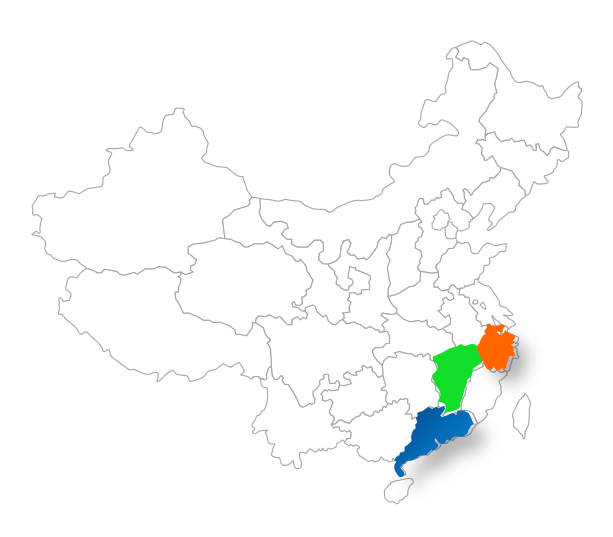
Head Office (Yueqing)
Located in Yueqing, Zhejiang Province, the national electronic and electrical distribution center. Housing our domestic & foreign trade departments, tech R&D center, and management headquarters.
Shenzhen Office
Set up in Shenzhen, China's dynamic trade and tech center. Constantly tracking global market trends, gathering customer technical feedback, and acting as an essential trade window.
Jiangxi Branch Factory
Featuring 5,000 ㎡ of streamlined production area and 200 specialized production workers operating high-speed stamping, molding, and automated assembly lines.
Honor, Certificates & Global Compliance
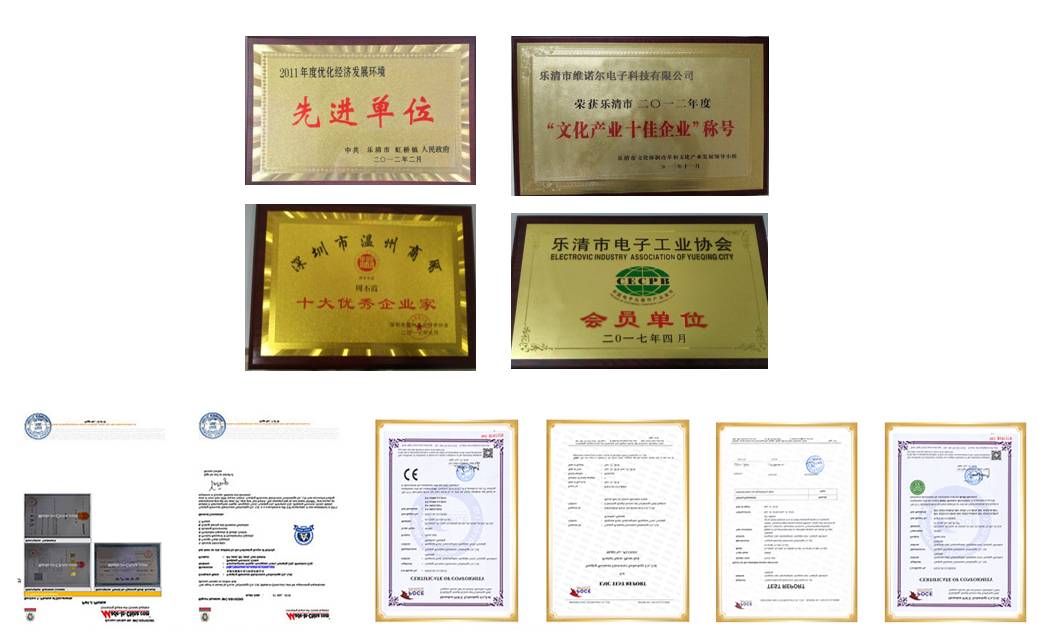
Our factory, with its comprehensive R&D, product engineering, and quality control departments, was certified with ISO 9001:2015 in 2005. Most of our products shown on this website are certified in full compliance with international standards, including UL, VDE, and ENEC directives.
Main product portfolio: Power Jacks Series, Phone Jacks Series, Switch Series, RCA Pin Jack Series, and Network Socket Series.
Video Presentation & Promotion
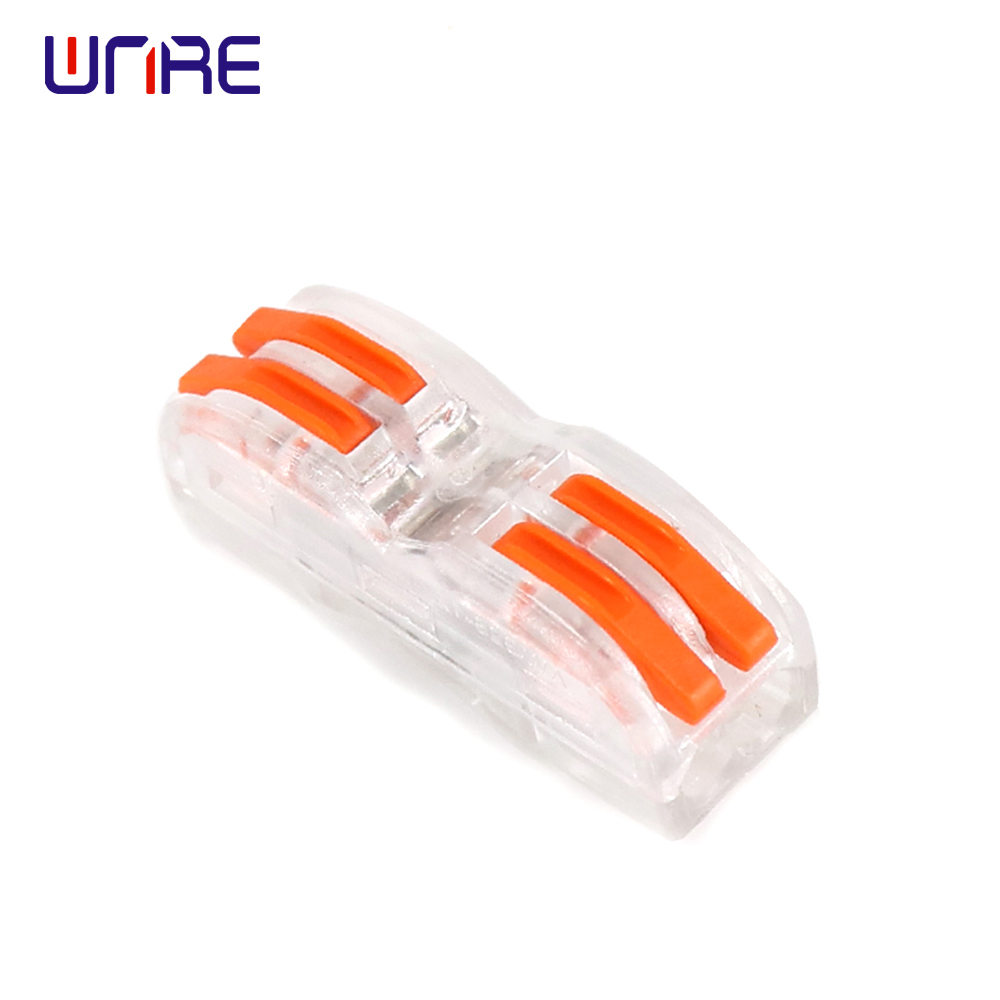
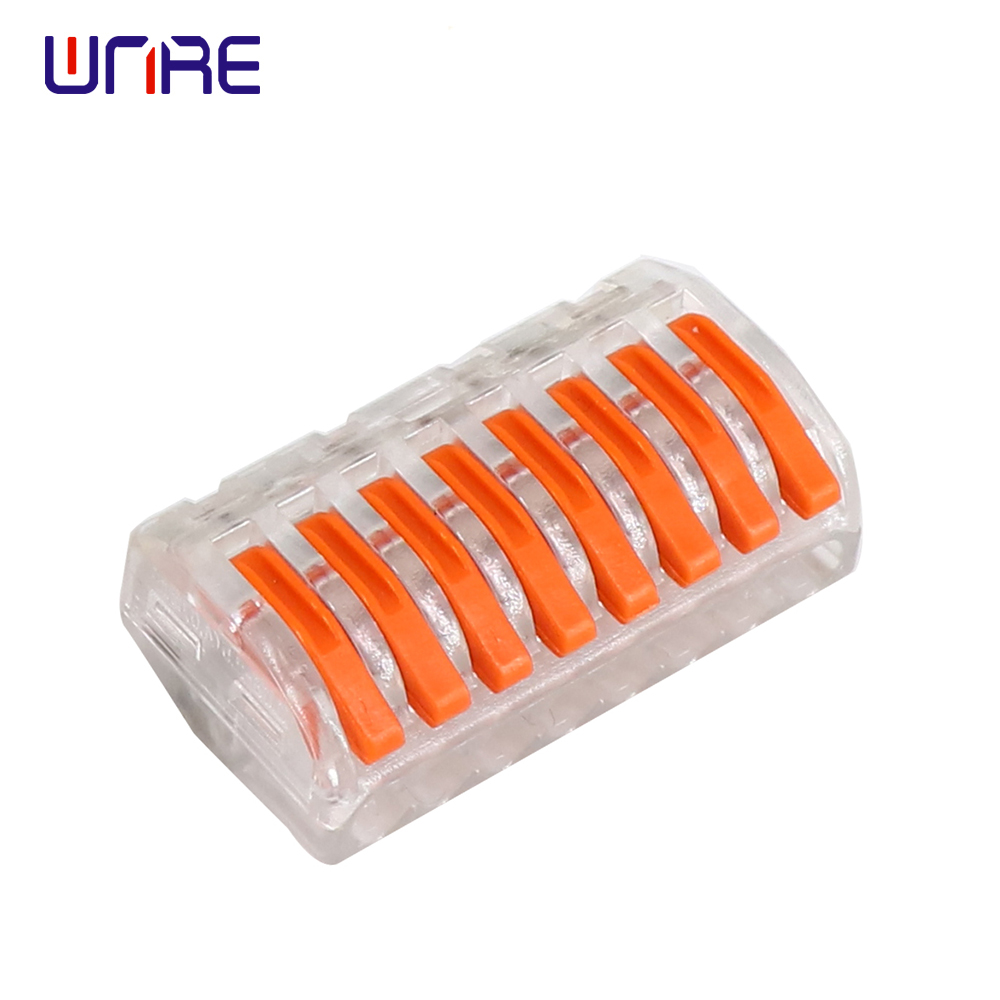
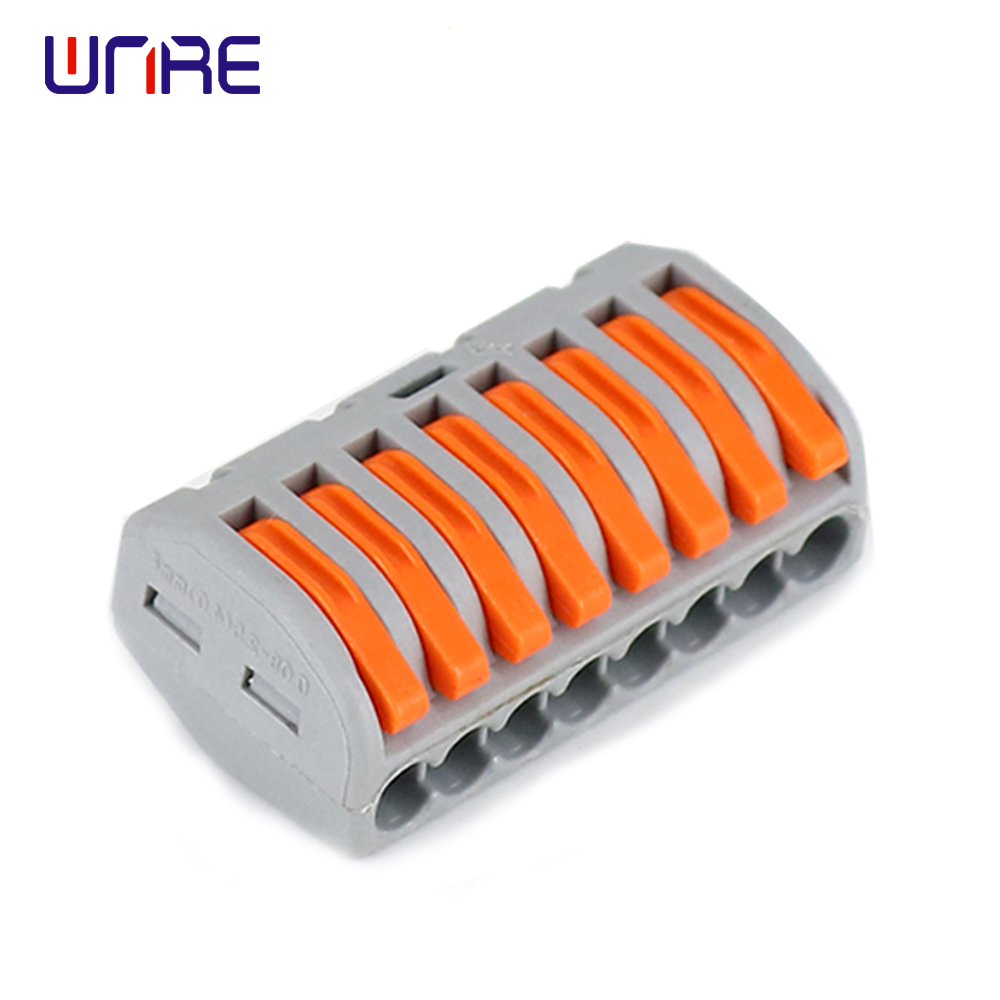
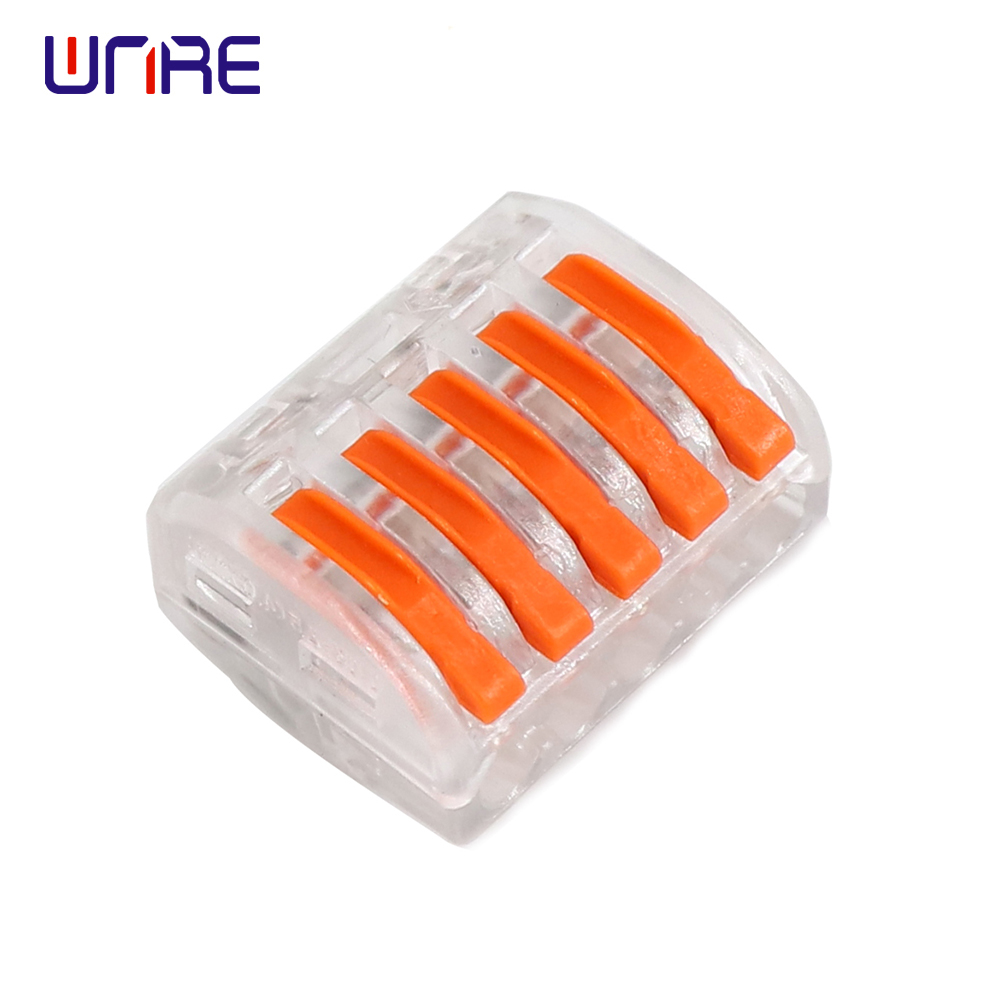
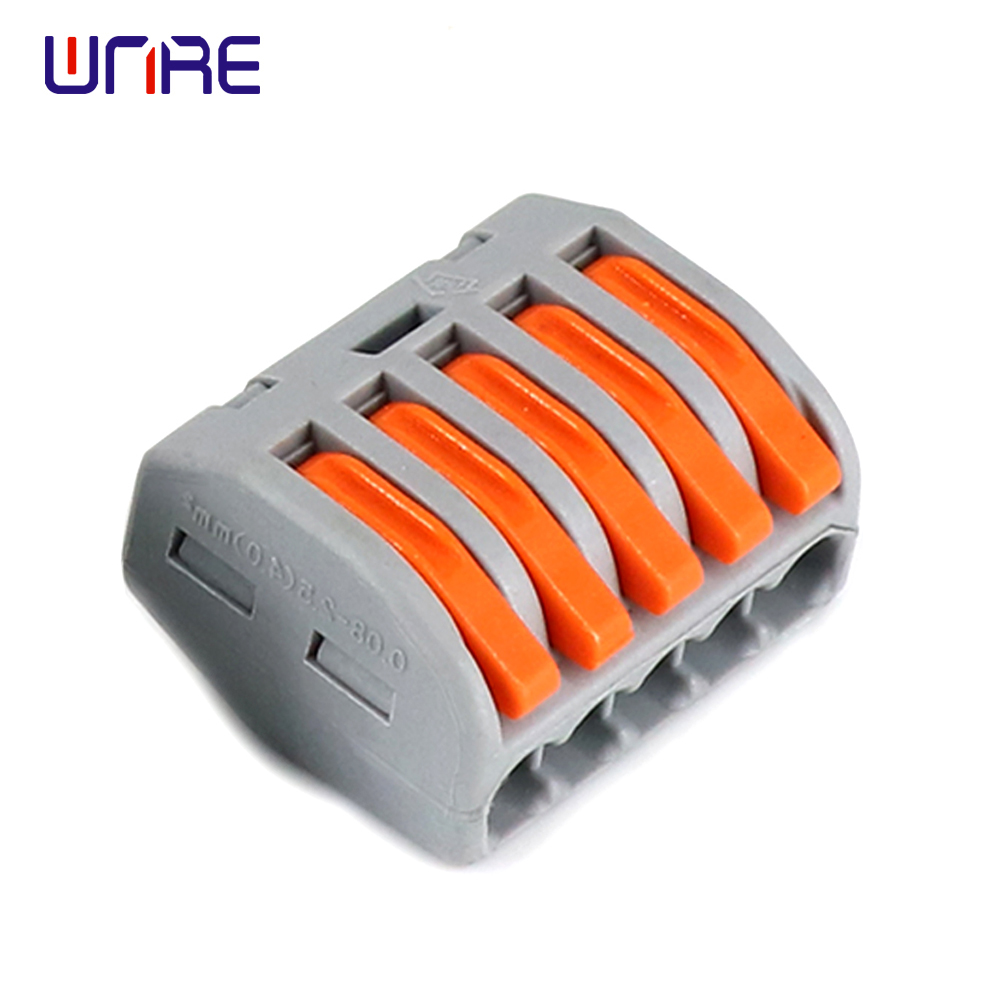
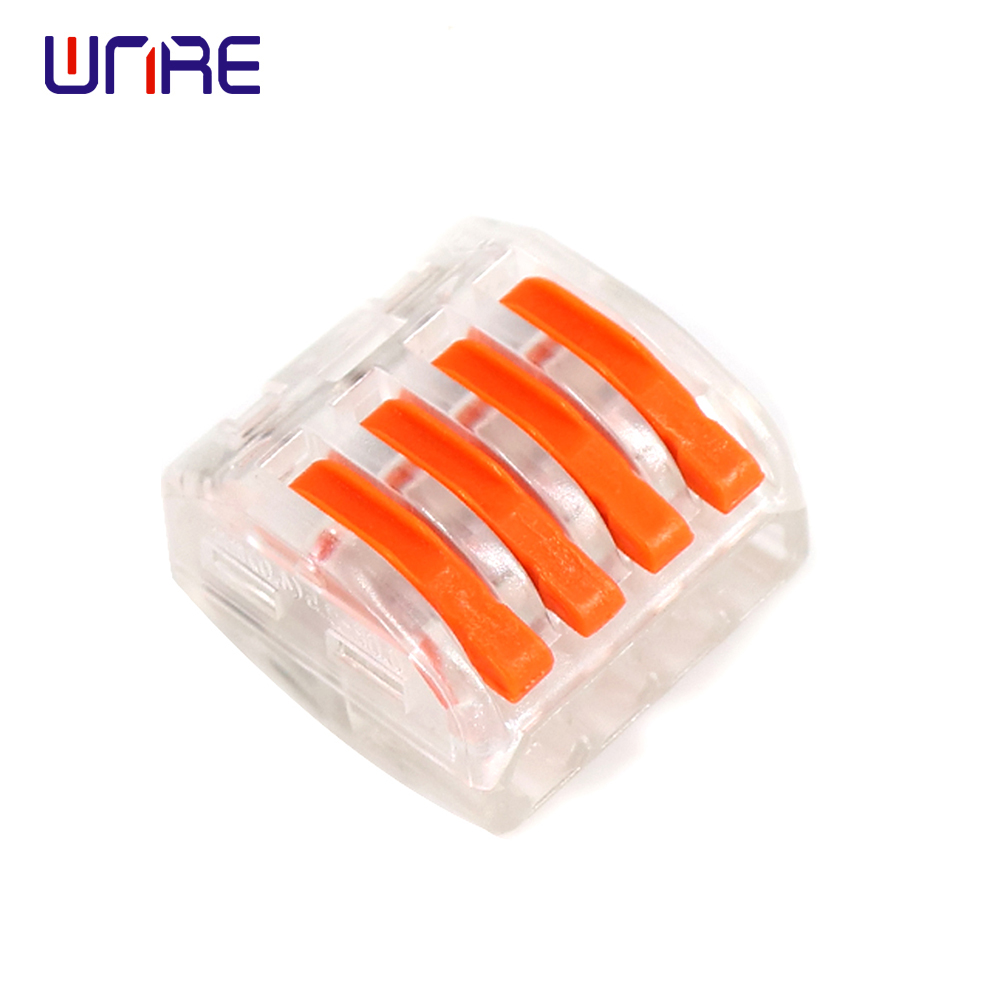
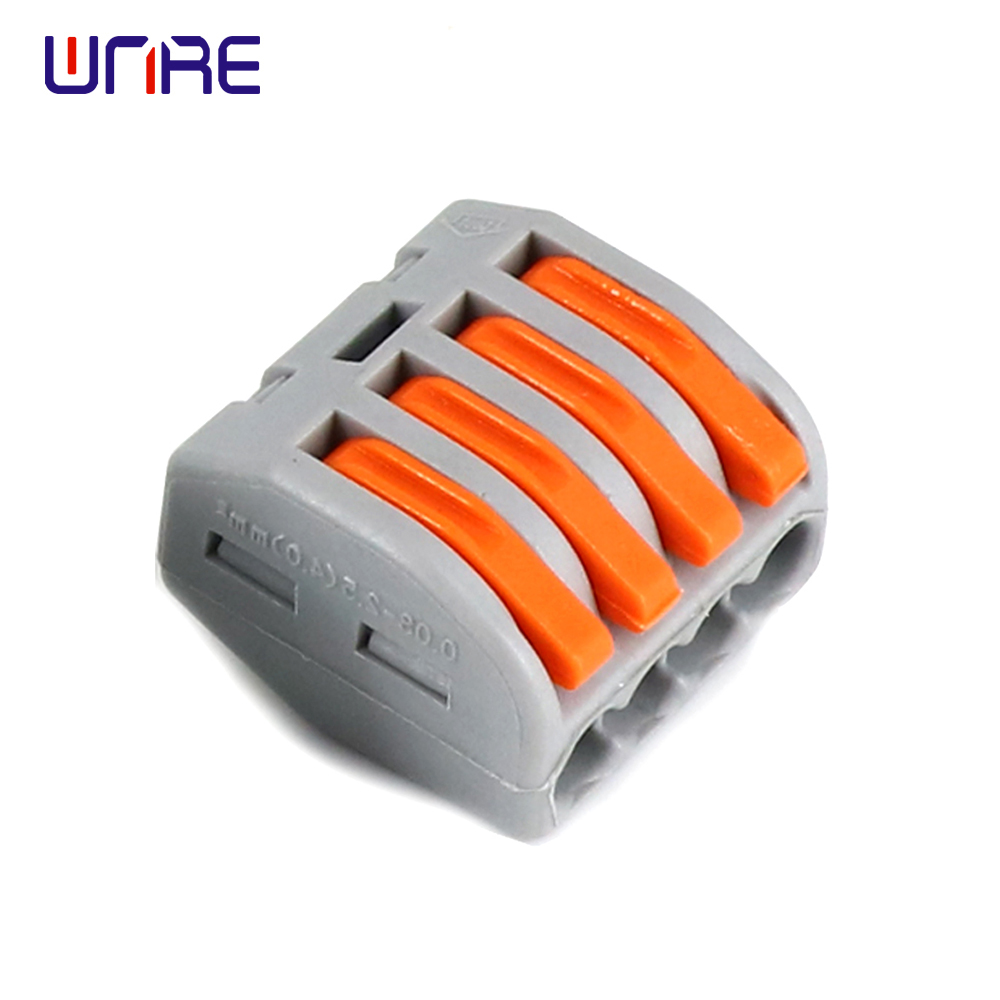
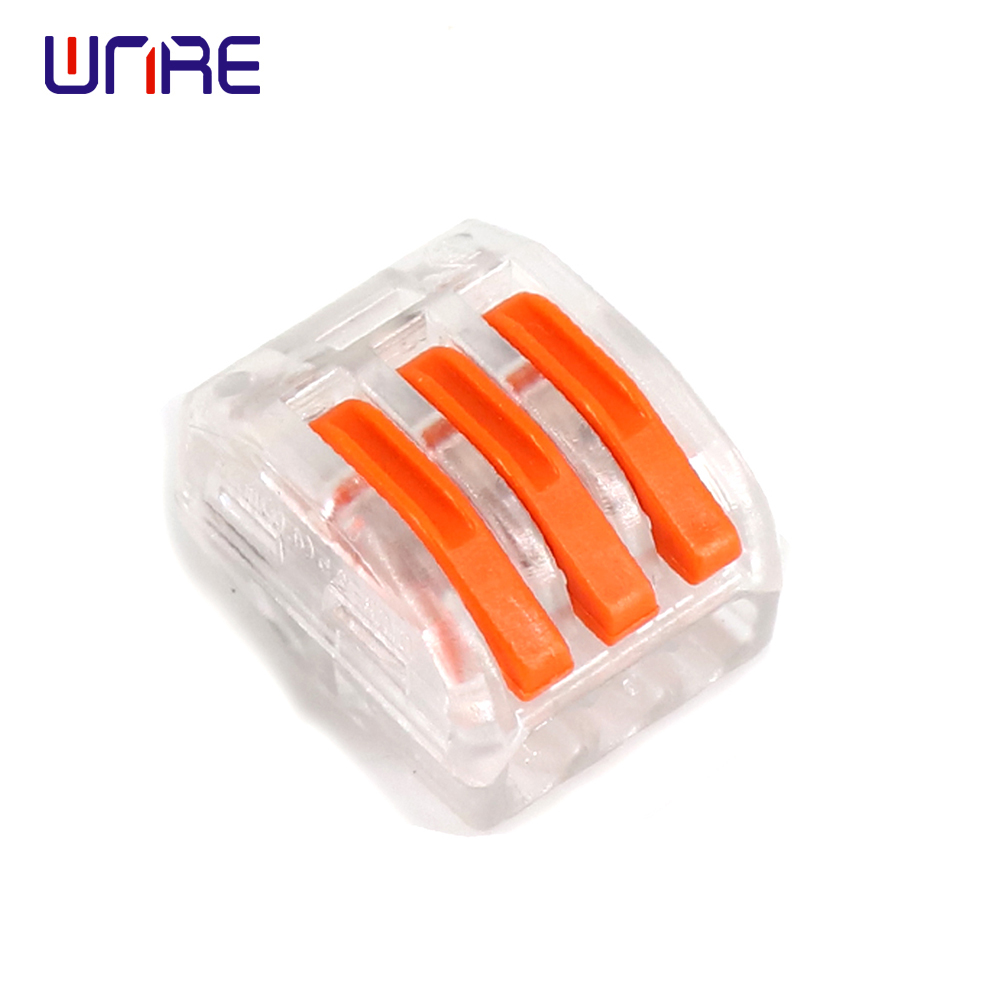
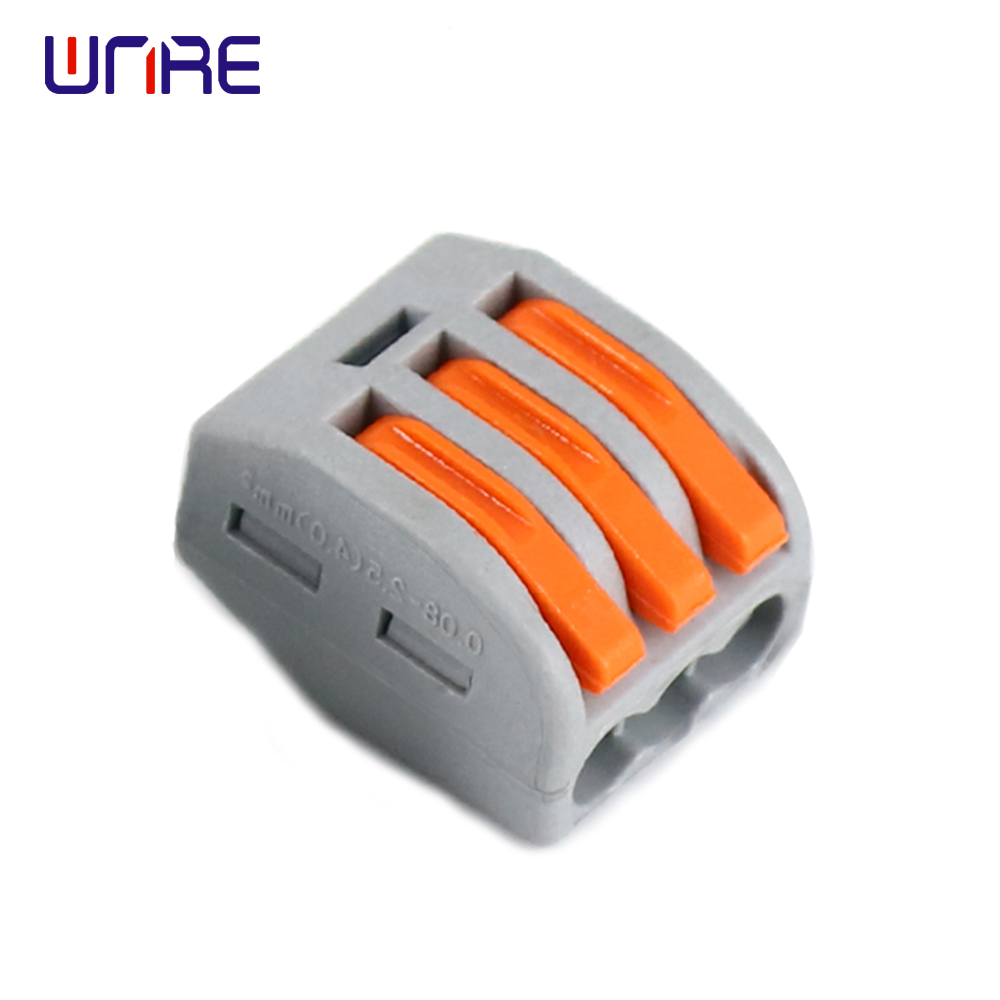
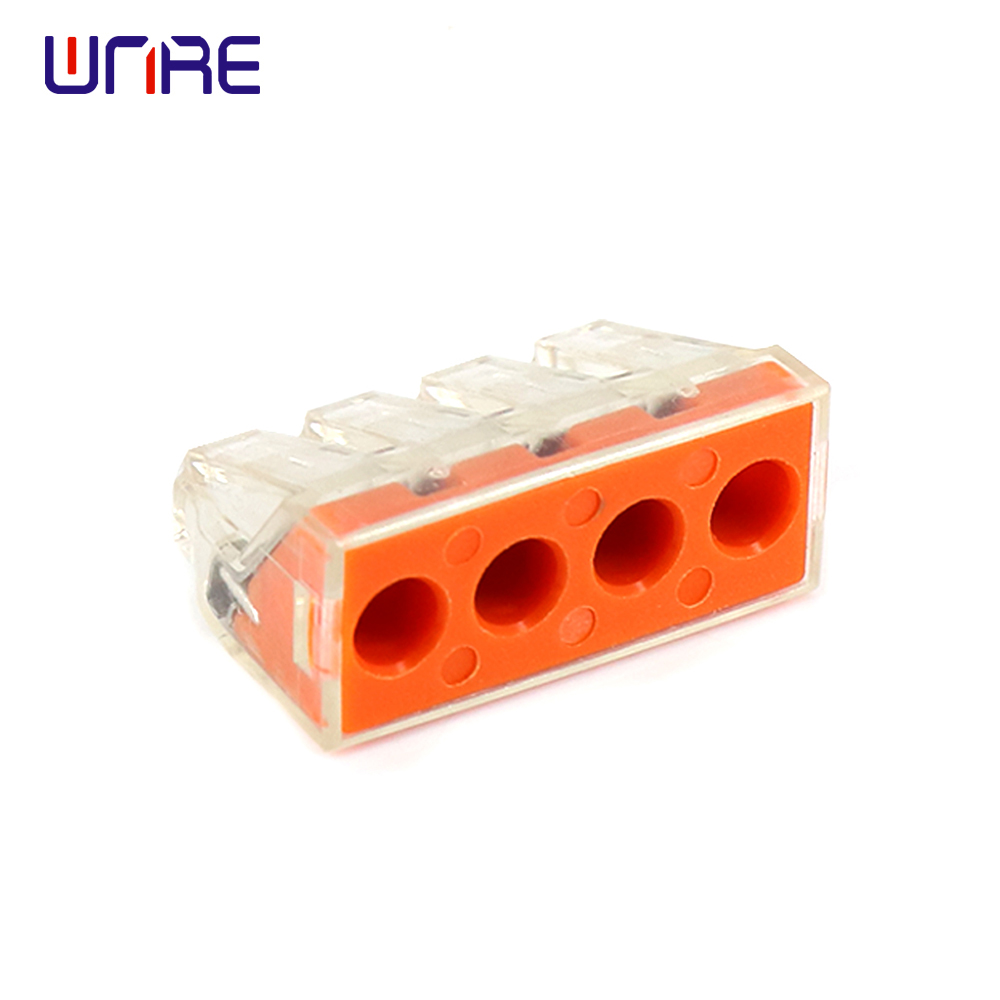
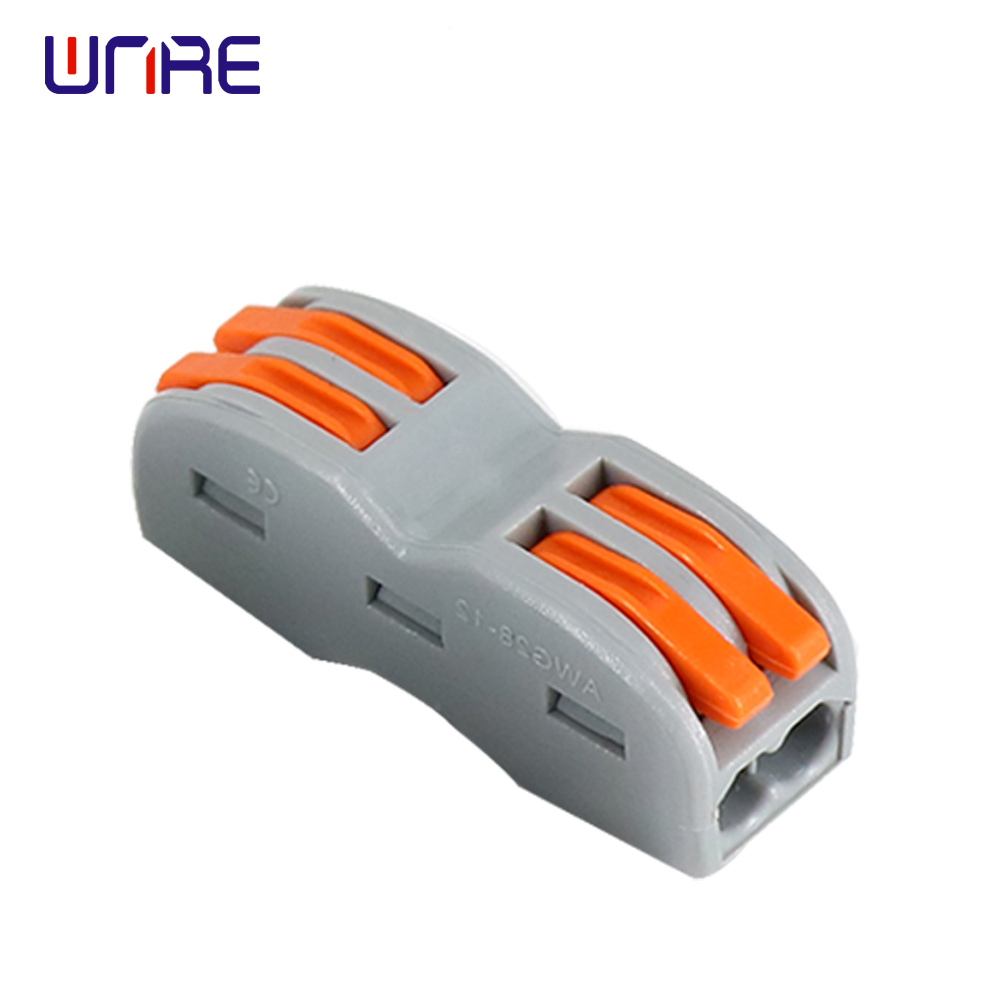
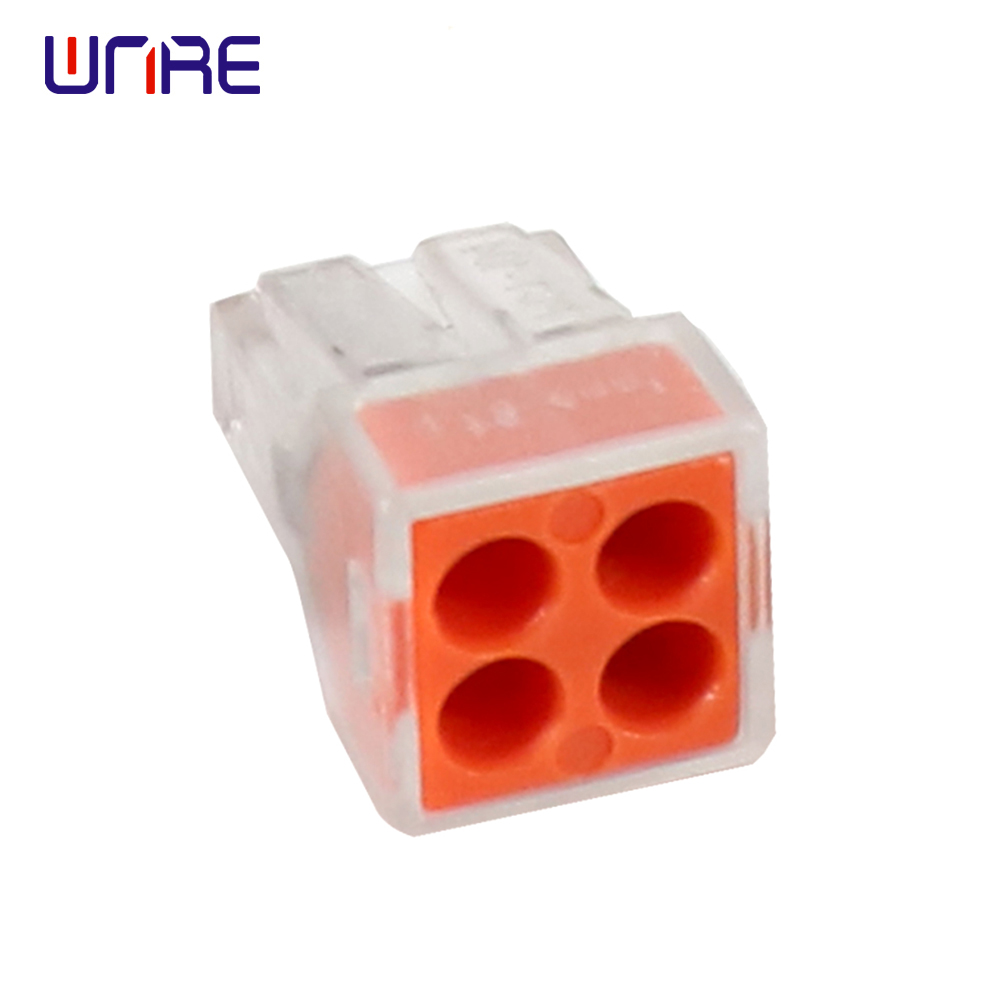
PCT Compact Push-In Terminal Connectors
Universal lever-nut quick splice terminals designed for rapid, tool-free wiring inside control panels and junction boxes.
Industrial Switch & Connector Solutions
Original genuine components engineered for precision control panels, machinery, and electronic instruments.