- Mobile Phone
- +86 13736381117
- info@wellnowus.com
Featured Hardware for Automation & Thermal Management
Robust switching terminals, precision connectors, and power coupling modules designed to support sophisticated home automation setups.
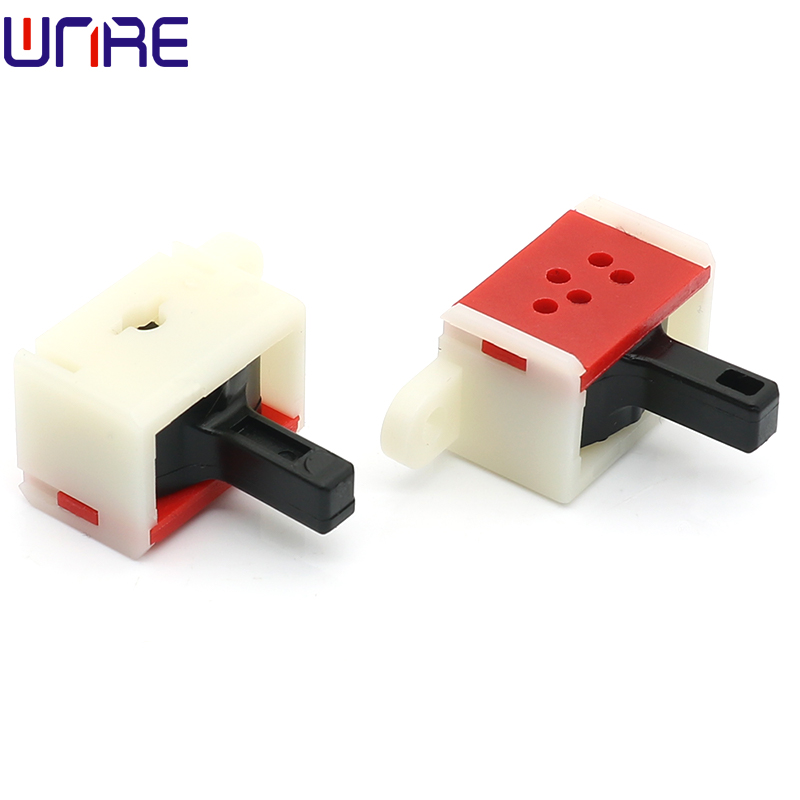
The Evolution of Thermostatic Switches in Modern Smart Home Ecosystems
In contemporary smart residential and commercial building architecture, the Thermostatic Switch For Home Automation has evolved from an isolated electromechanical bimetal breaker into a sophisticated node within distributed Internet of Things (IoT) ecosystems. As energy conservation mandates tighten across North America, Western Europe, and Asia-Pacific, temperature regulation systems demand responsive micro-switching capabilities capable of sub-degree thermal accuracy, negligible switching latency, and extreme cycle durability.
Traditional thermostats depended entirely on simple expansion alloys creating an open or closed circuit based on ambient thresholds. While reliable for primitive analog boilers, these legacy setups created wide thermal hysteresis loops—often causing ambient fluctuations of 2°C to 4°C, resulting in massive energetic overshoot and mechanical strain on HVAC compressors. Today's home automation switches bridge electromechanical safety with micro-controller telemetry. Whether acting as an autonomous thermal cut-off protector, a solid-state relay driver, or a zone-controlled hydronic actuator switch, precision thermostatic switches form the first line of defense and efficiency in modern building automation systems.
Micro-Snap Mechanical Precision
Rapid snap-action contacts engineered with precious metal cladding minimize electrical arcing, prolonging contact life beyond 100,000 cycles under continuous inductive loads.
IoT & Protocol Interoperability
Seamless physical interconnectivity with Zigbee 3.0, Matter, Z-Wave, and Wi-Fi control boards using compact wire terminals and multi-pin PCB socket headers.
Intrinsic Thermal Overload Safety
Independent fail-safe cut-offs operating without software dependency ensure UL/VDE compliant fire-prevention and appliance thermal equilibrium.
Core Engineering Principles: Bimetallic Snap vs. Electronic PID Switching
Within automated climate control panels, design engineers evaluate whether to deploy mechanical bimetallic thermal switches, thermistor-controlled electronic solid-state switches, or hybrid topologies. Each fulfills a distinct commercial and technical niche:
Bimetallic Disc Switches (Snap-Action): Utilizes calibrated thermo-bimetal discs that instantaneously invert curvature at a designated snap temperature. They offer zero standby power consumption, absolute electromagnetic immunity (EMI immune), and zero-point mechanical cut-off during system runaway.
Electronic Thermostatic Relay Switches: Leverages NTC/PTC thermistors or digital silicon sensors coupled with microcontrollers executing Proportional-Integral-Derivative (PID) algorithms to modulate duty cycles through relays or Triacs, minimizing hysteresis to within ±0.1°C.
| Performance Parameter | Mechanical Snap Thermostatic Switch | Electronic Smart Thermostatic Switch | Hybrid Automated System |
|---|---|---|---|
| Hysteresis Bandwidth | ±1.5°C to ±3.0°C | ±0.1°C to ±0.5°C | Adaptive (±0.2°C nominal) |
| Standby Energy Drain | 0.00 Watts | 0.5W - 2.5W (MCU/Wireless) | < 0.8W Optimized |
| Primary Application | Safety Cutoff, Direct Boiler Control | Smart HVAC Zoning, Underfloor Heating | Whole-Home Automated Climate Hub |
| Electrical Lifespan | 100,000+ Cycles (AC 250V/10A) | 500,000+ Cycles (Solid State) | 300,000+ Cycles (Relay Hybrid) |
| Wiring Terminal Method | Push-in Lever Quick Connectors (PCT) | PCB Terminal Blocks & Multi-pin Jacks | Spring-clamp & Splicing Connectors |
In-Depth Scenario Analysis: Where Thermostatic Switches Drive Smart Automation
1. Multi-Zone Hydronic and Radiant Underfloor Heating
In modern luxury residences and green developments, hydronic underfloor heating represents the gold standard of comfort and thermal efficiency. Individual room manifolds require localized thermal switches paired with automated motorized actuators. Quick-wire splicing connectors, such as the PCT series push-in terminal blocks, allow electricians and automation technicians to wire multiple zone switches rapidly within cramped distribution boxes. When an ambient room switch calls for heat, the low-voltage thermostatic switch signals the thermal actuator on the manifold, circulating hot water precisely where required without overheating adjacent spaces.
2. Intelligent HVAC Ducted Damper & Heat Pump Management
Heat pump systems operating alongside auxiliary electric furnace coils or furnace burners utilize thermostatic switching stages. As outside temperatures plummet below the heat pump's optimal coefficient of performance (COP), a dual-stage thermostatic switch detects the ambient delta and switches the home's heating demand to auxiliary heating banks. In forced-air systems, duct-mounted thermal limit switches continuously monitor plenum temperatures to prevent heat exchanger warping and trigger automated variable air volume (VAV) dampers.
3. Smart Water Heating & Heat-Tracing Automation
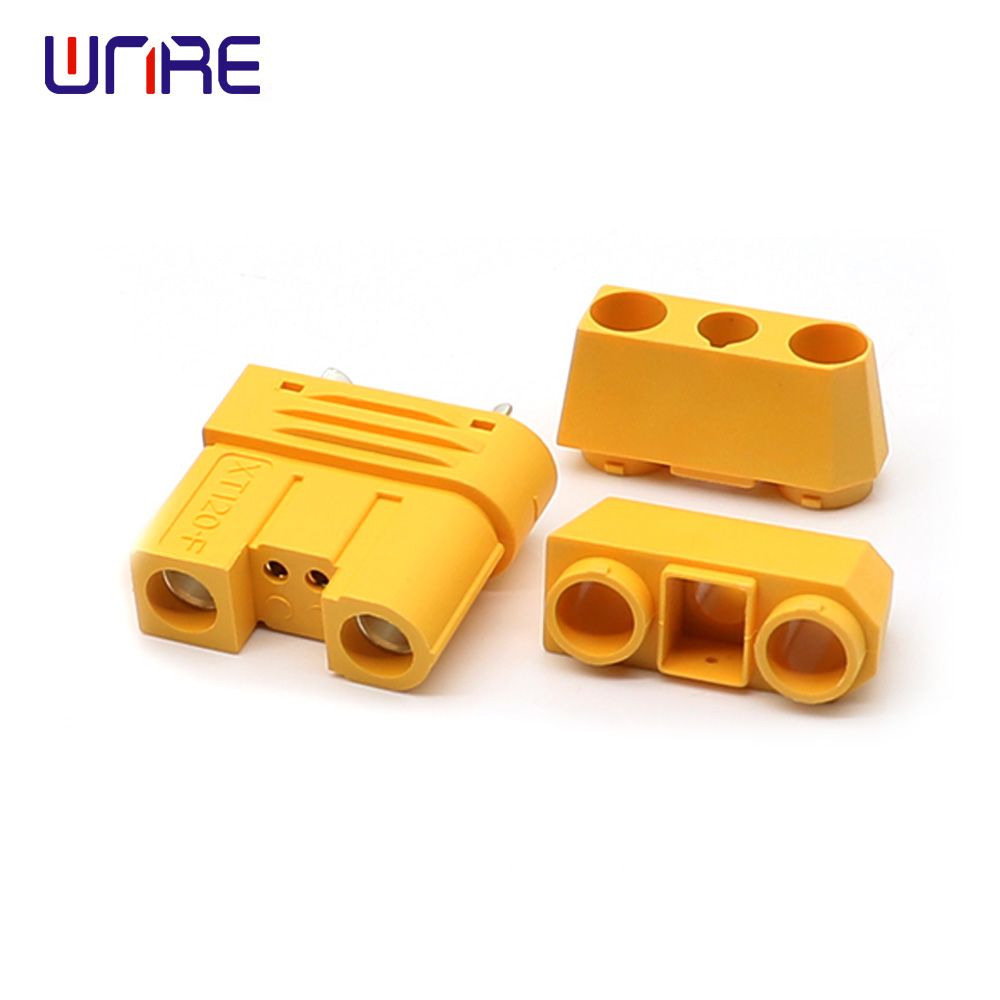
Domestic hot water recirculation loops and freeze-protection roof/pipe heat tracing rely heavily on thermostatic switches. An automated thermostatic switch prevents freeze conditions by activating self-regulating heat trace cables only when ambient temperatures reach 3°C (37°F). Furthermore, in smart electric water heaters, high-current battery and power connectors like the XT120 series deliver sustained current capacities to internal heating elements, while rapid-acting thermostatic switches maintain water hygiene standards (e.g., periodic Legionella purge cycles at 60°C) without wasting energy during idle periods.
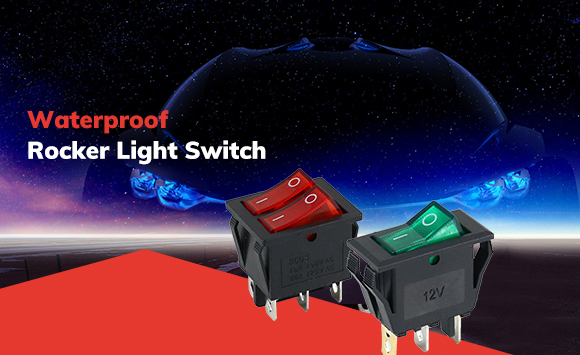
4. Smart Kitchen Appliances, Induction Hobs & Thermal Cookware
Home automation is rapidly expanding into the connected kitchen. Smart ovens, induction cooktops, and connected dishwashers integrate high-temperature ceramic thermostatic switches designed to withstand ambient operating environments exceeding 250°C. In induction cooktops, thermostatic switches seated directly beneath the glass-ceramic surface measure cookware base temperatures, adjusting high-frequency IGBT inverter output while offering ultimate overheat cutoff protection if a dry pot condition occurs.
5. Residential Energy Storage Systems (BESS) and EV Wallboxes
With the widespread adoption of domestic solar panels and residential battery storage packs, thermal runaway prevention is paramount. Compact thermostatic switches are embedded across lithium-ion battery module busbars. Should cells experience thermal stress or cooling fan failure during rapid EV charging, the thermostatic switch opens instantly, decoupling the DC contactor and alerting the home energy management system (HEMS) over CAN or RS485 buses before irreversible dendrite or gas venting occurs.
About Us: Precision Connectors & Switching Components
Pioneering reliable electrical components, connector series, and automation switches with world-class engineering and strict quality management.
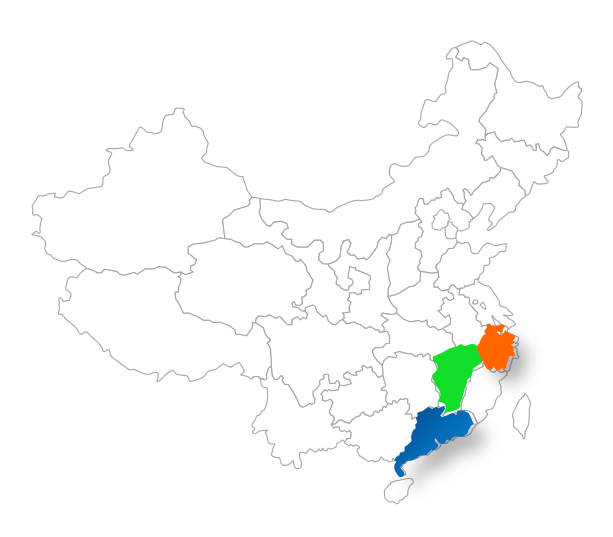
Our company has been a electronic connectors professional manufacturers since 2004. The head office is located in Yueqing China. Company has more than 200 employees. branch in Jiangxi (factory)and Shenzhen(counter). We Cooperate with Shenzhen University to develop products. Main Markets Southern Europe,Western Europe,North America,South Asia,Domestic Market. Main products Power Jacks Series,Phone Jacks Series,Switch Series,RCA Pin Jack Series,Network socket series.
ChinaWellnow is an enterprise with a sense of social responsibility. It is actively committed to the improvement of enterprise activities, goods, services and other related quality and environmental protection (including biodiversity). At the same time, it builds a solid trust relationship between customers and business partners, and maintains and improves this trust relationship forever. We satisfy all our clients with advanced products, competitive prices, fast delivery and one-stop service. It's our mission to boost our customer's business.

Professional employees dedicated to precision production & QA
State-of-the-art production area in Jiangxi manufacturing base
Established industry leadership in connectors & switch series
Strategic Global & Domestic Locations
Yueqing Headquarters
The headquarters of the company is located in Yueqing, Zhejiang Province, which is the national electronic and electrical distribution center. The headquarters has set up domestic and foreign trade department, technology research and development department and production department.
Shenzhen Office
The office is set up in Shenzhen, China's trade center. It always pays attention to market trends, understands market demand and feeds back to the company's headquarters in time. It is an important window for trade.
Jiangxi Branch & Expansion
With 5000 ㎡ production area and 200 professional production workers working hard in the production line. Branch Jiangxi with advanced production lines, with further branch factory development in Yunnan Province.
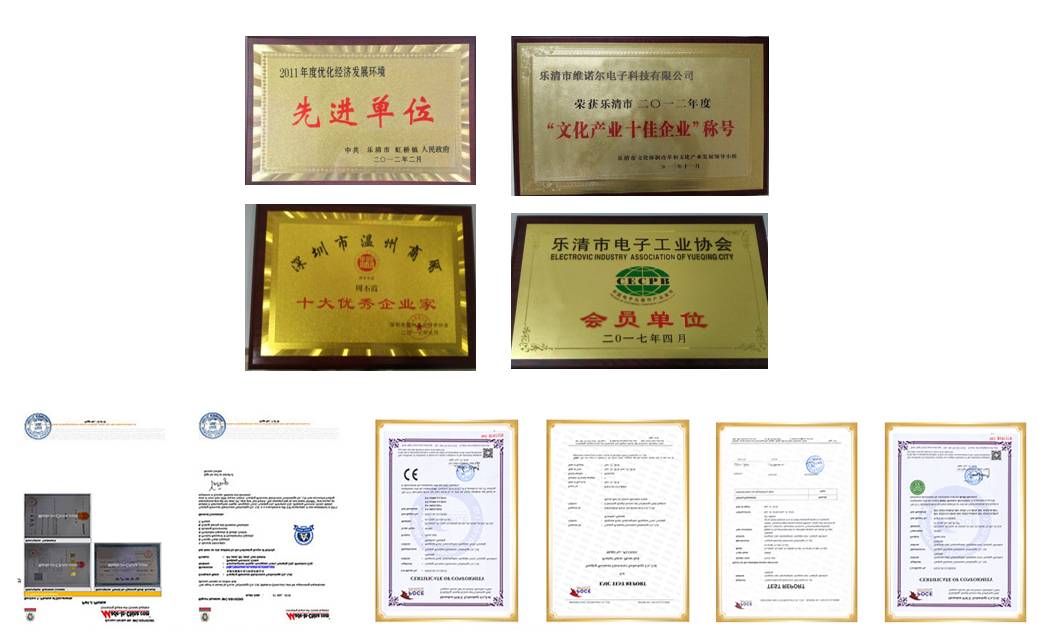
Honor and Certificate
Our factory with its R & D, product engineering and quality control department, was certified with ISO 9001:2015 in 2005. Most of our products shown on this website are certified as being in compliance with UL, VDE and ENEC standards. We Cooperate with Shenzhen University to develop products.
Strict quality control protocols guarantee that all switching terminals, quick-splice connectors, and high-current plugs meet the high flame-retardant (UL94V-0) and thermal tolerance requirements essential for smart home automation control panels and heating controllers.
Manufacturing Technology & Production Tour
Watch our automated manufacturing, stamping, assembly, and testing processes in action.
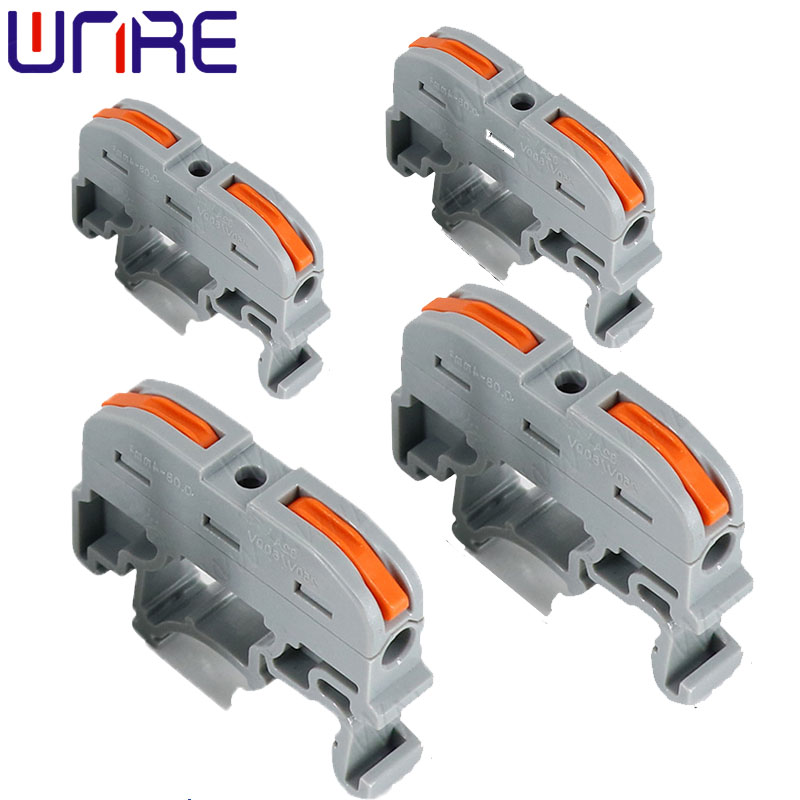
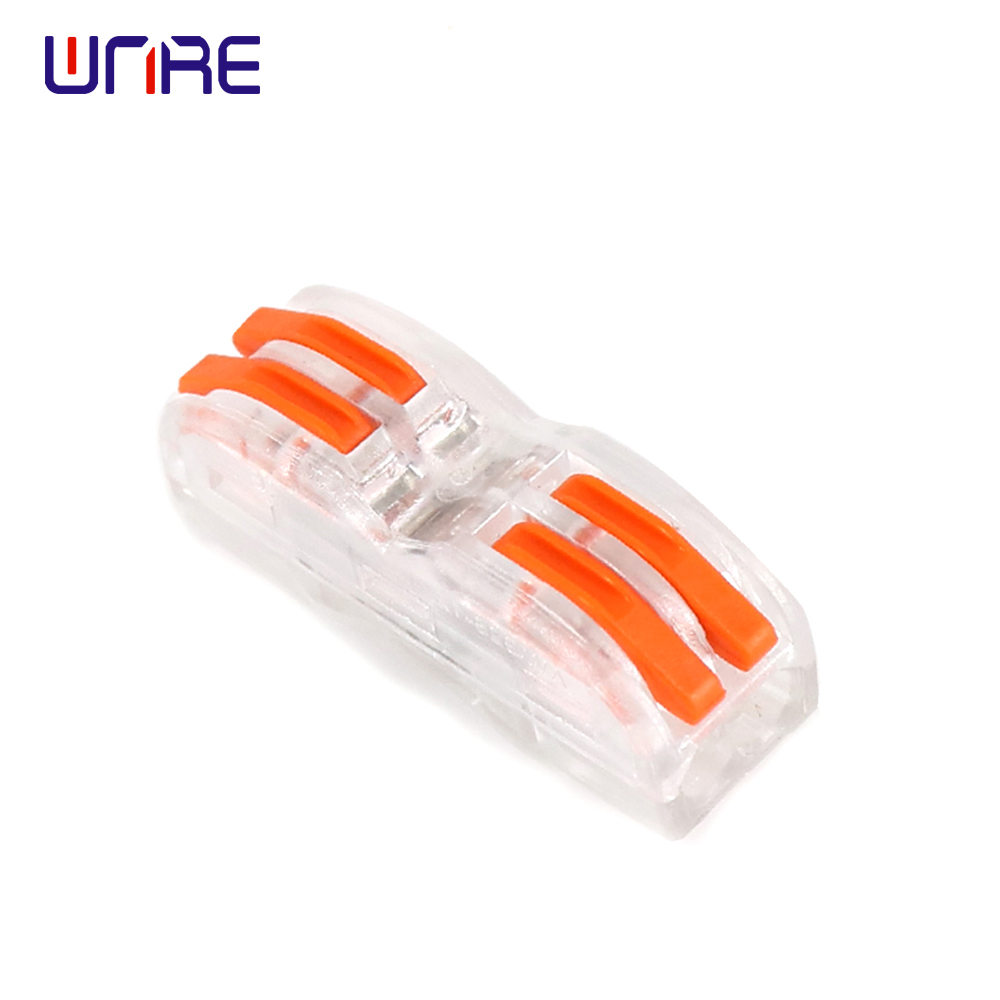
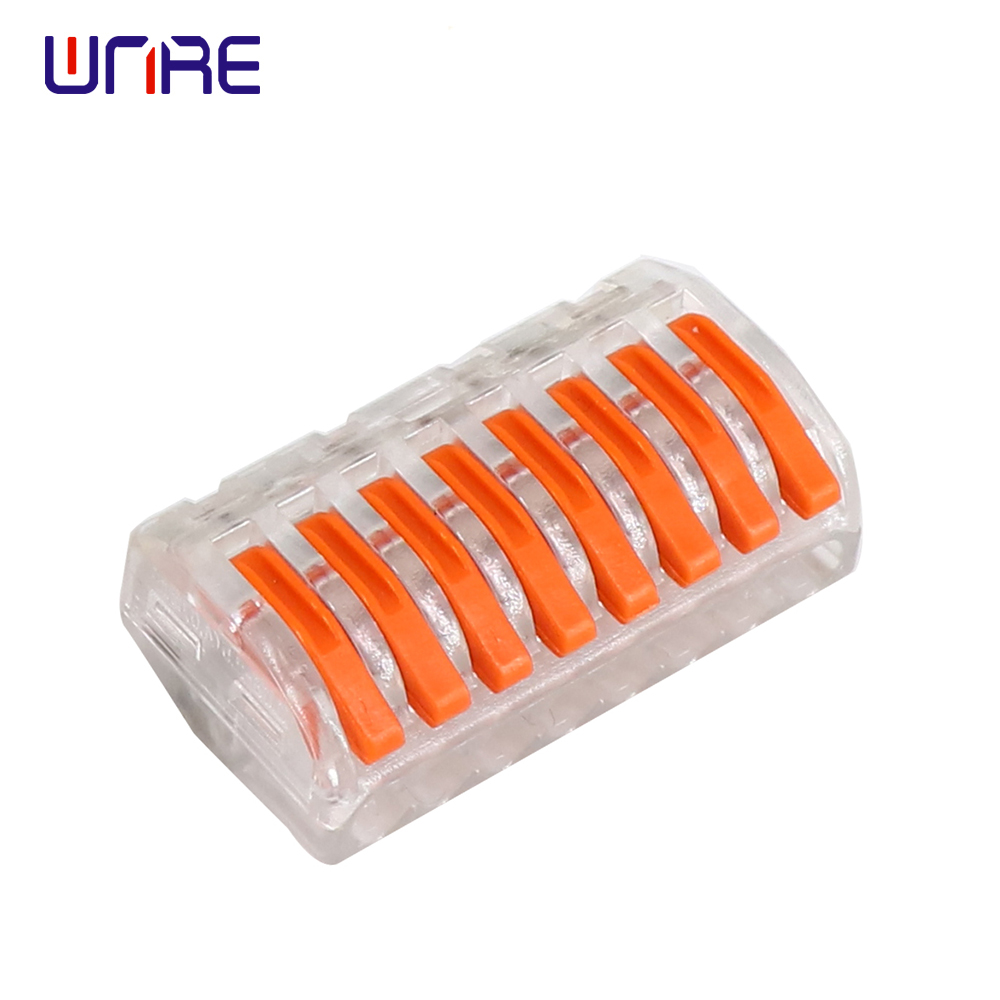
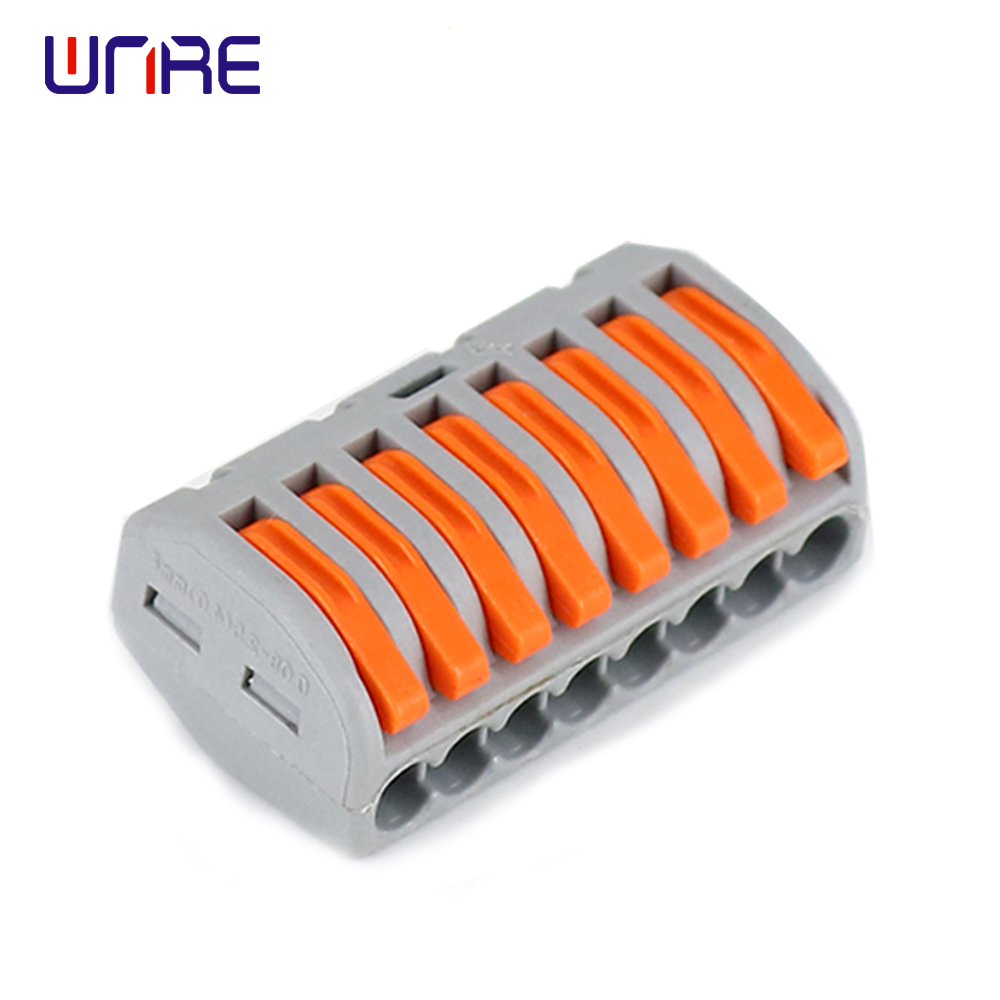
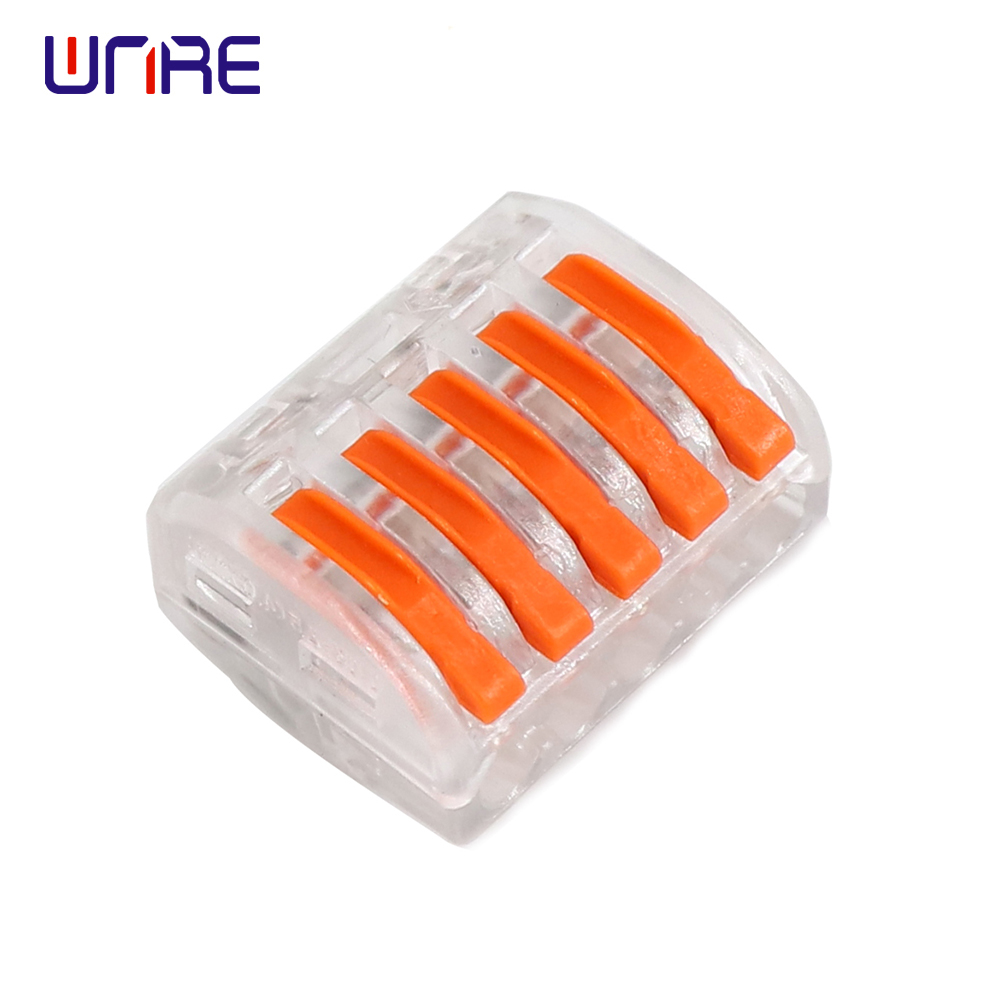
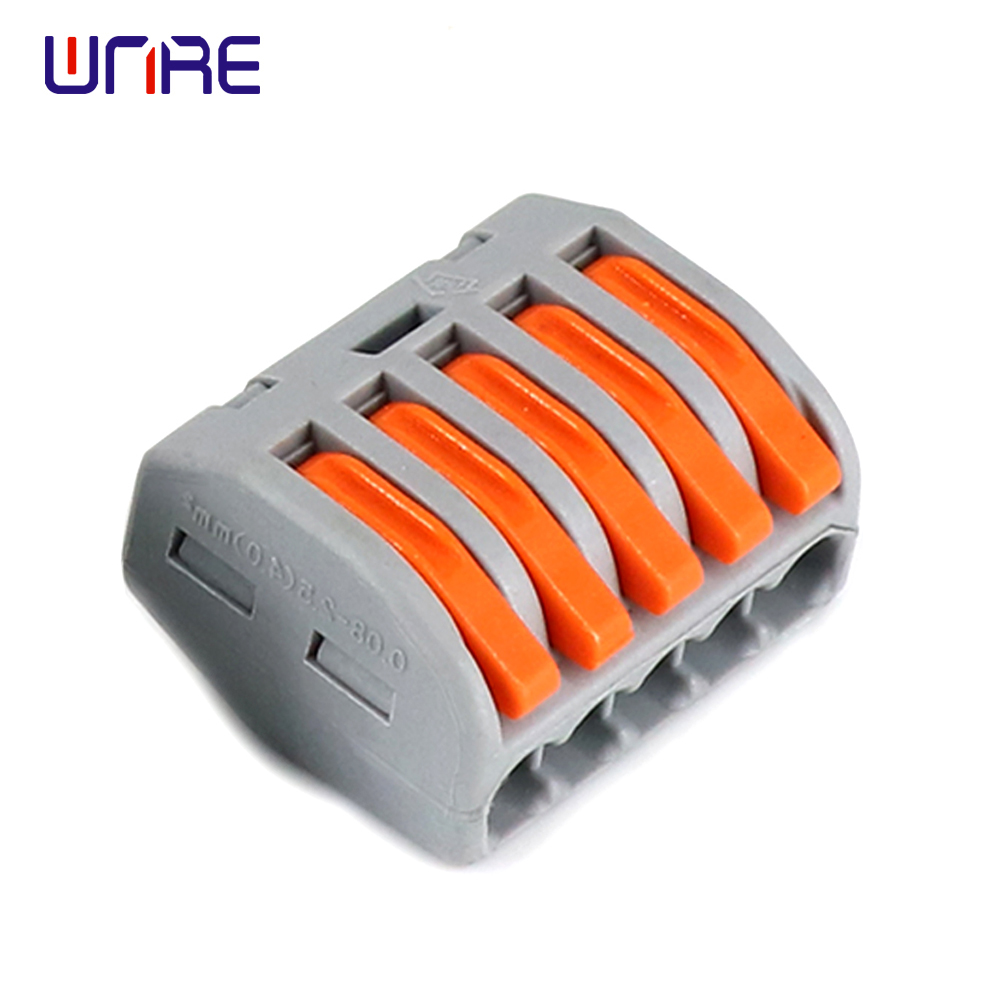
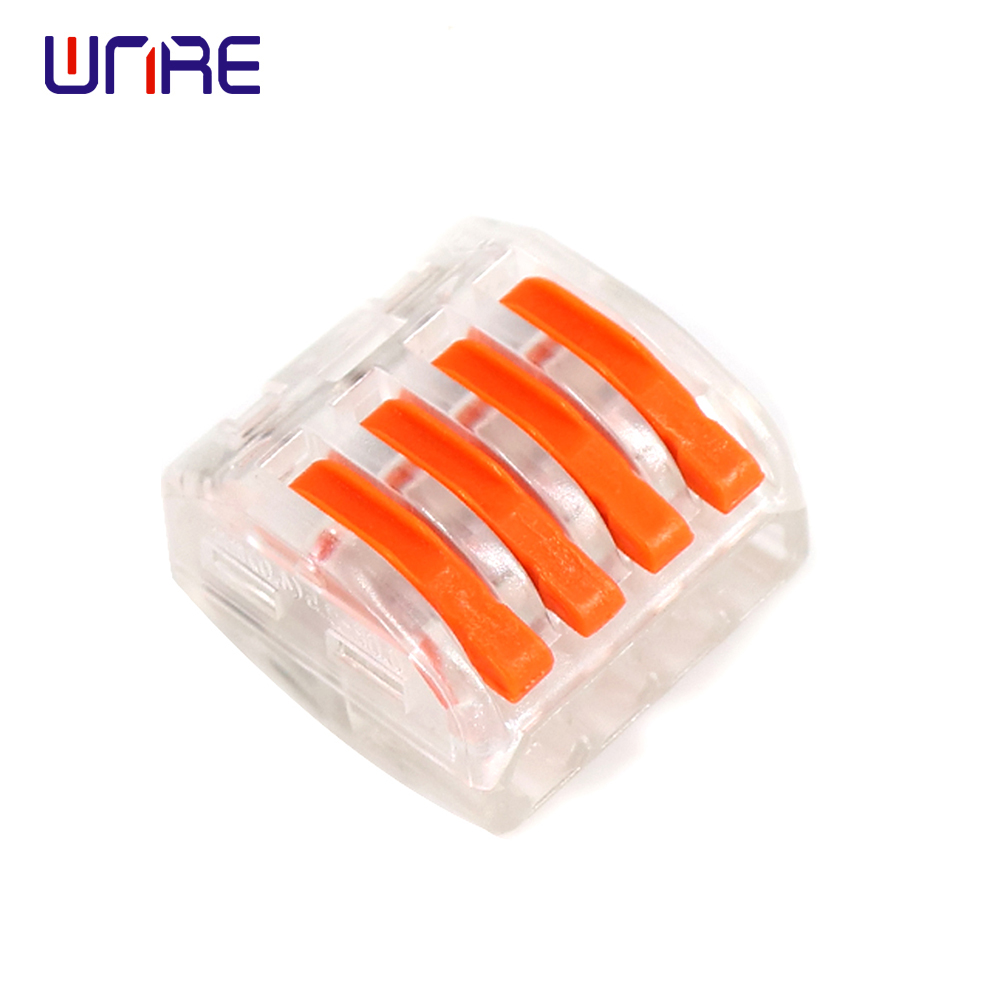
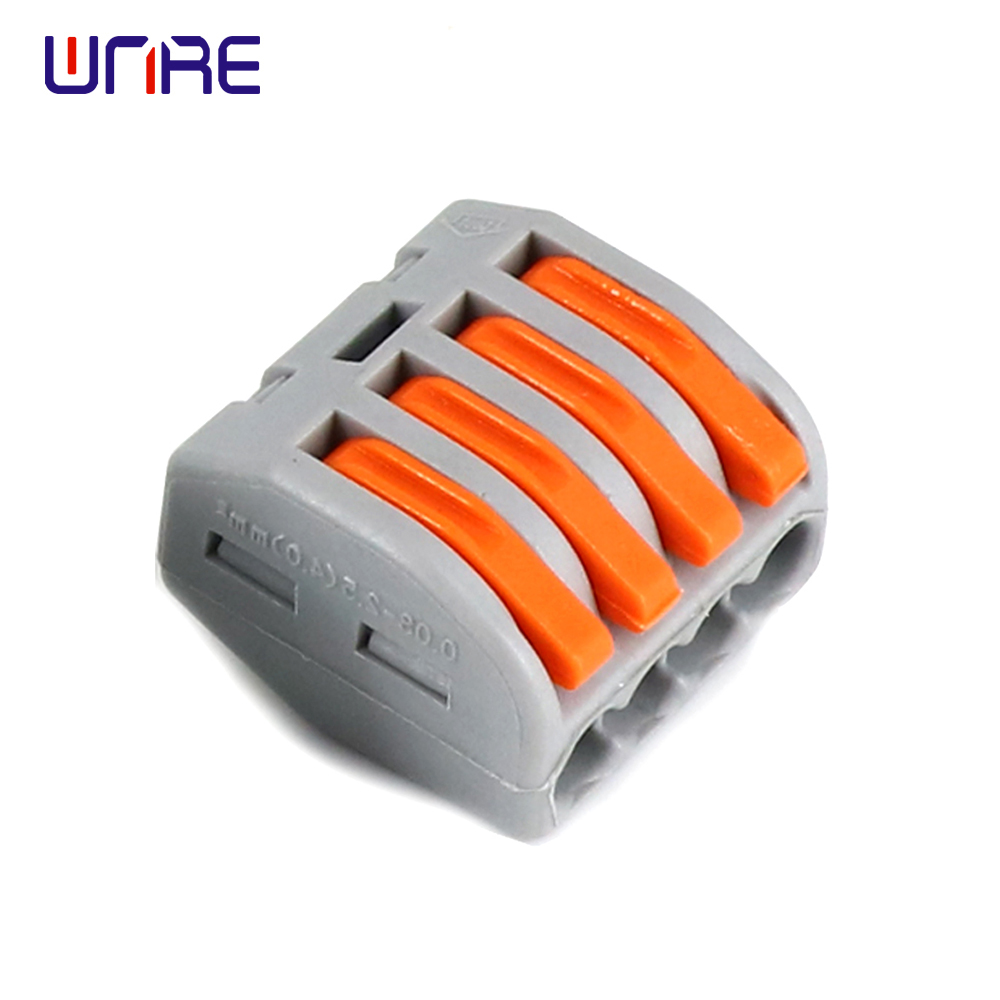
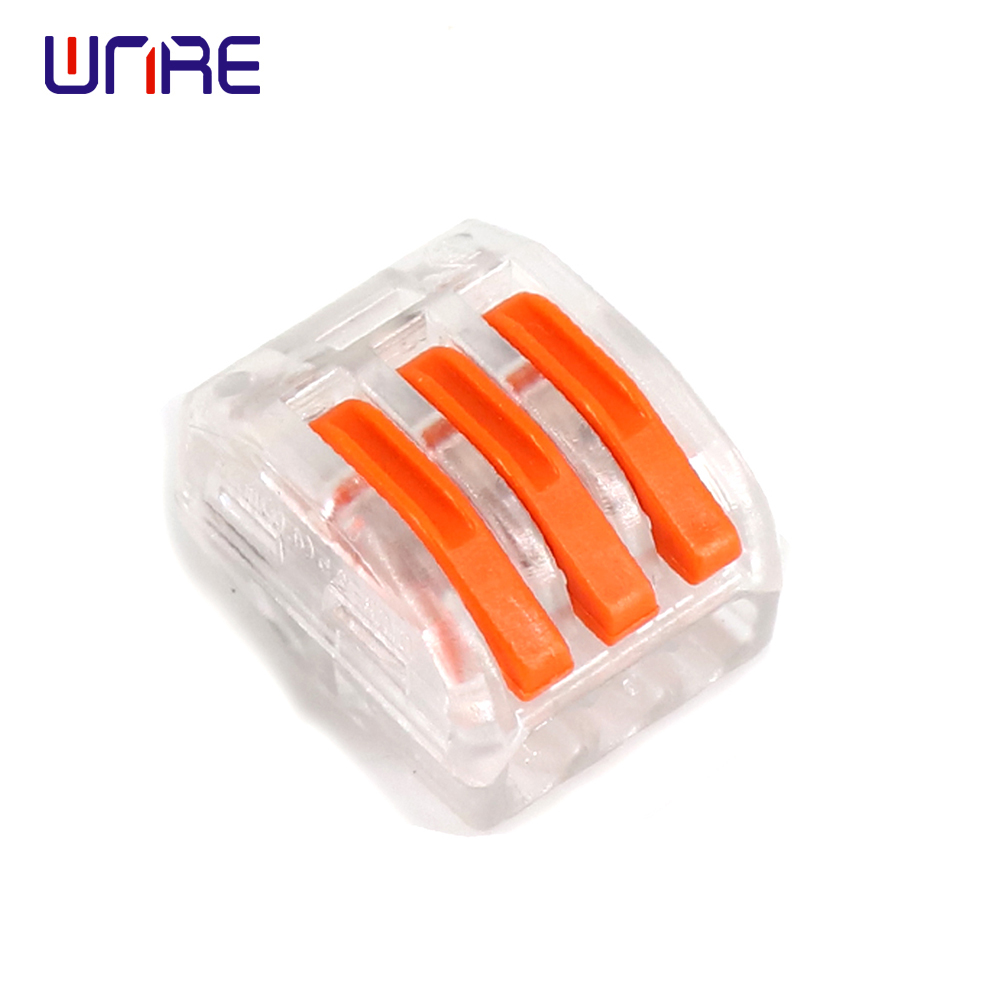
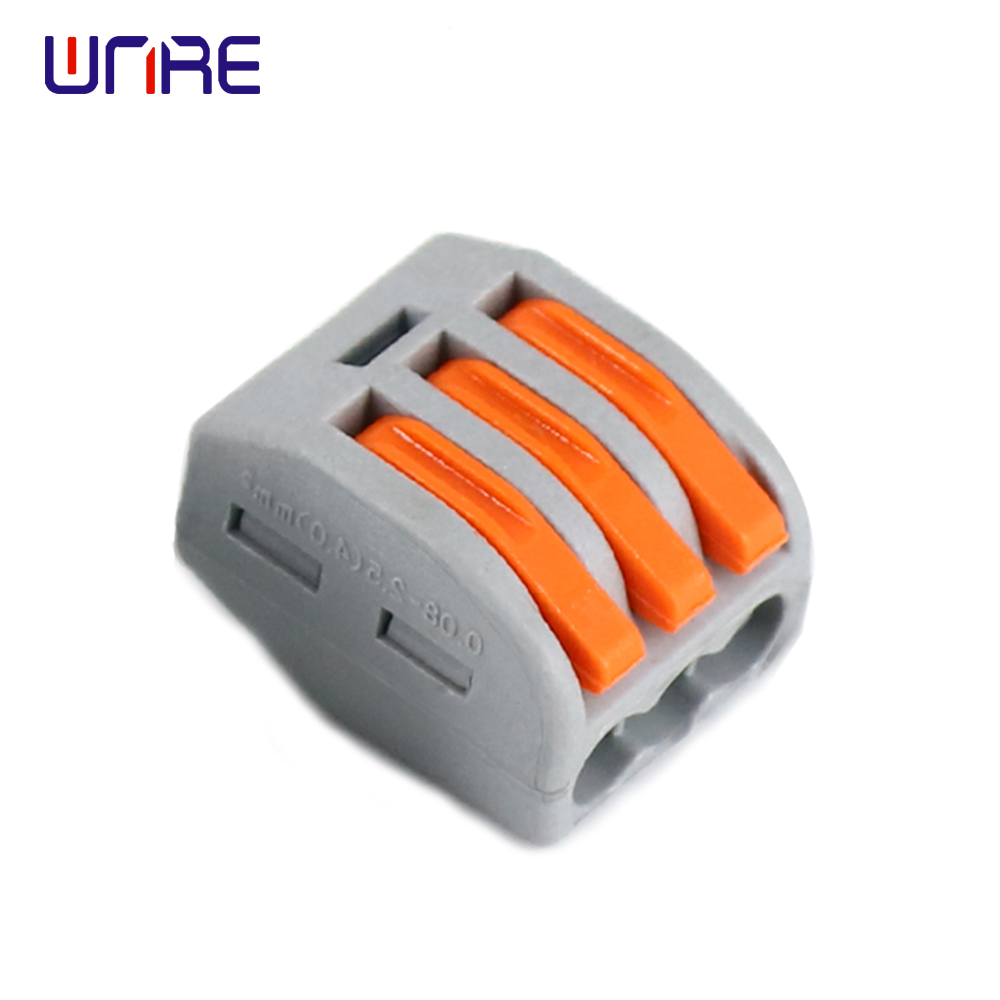
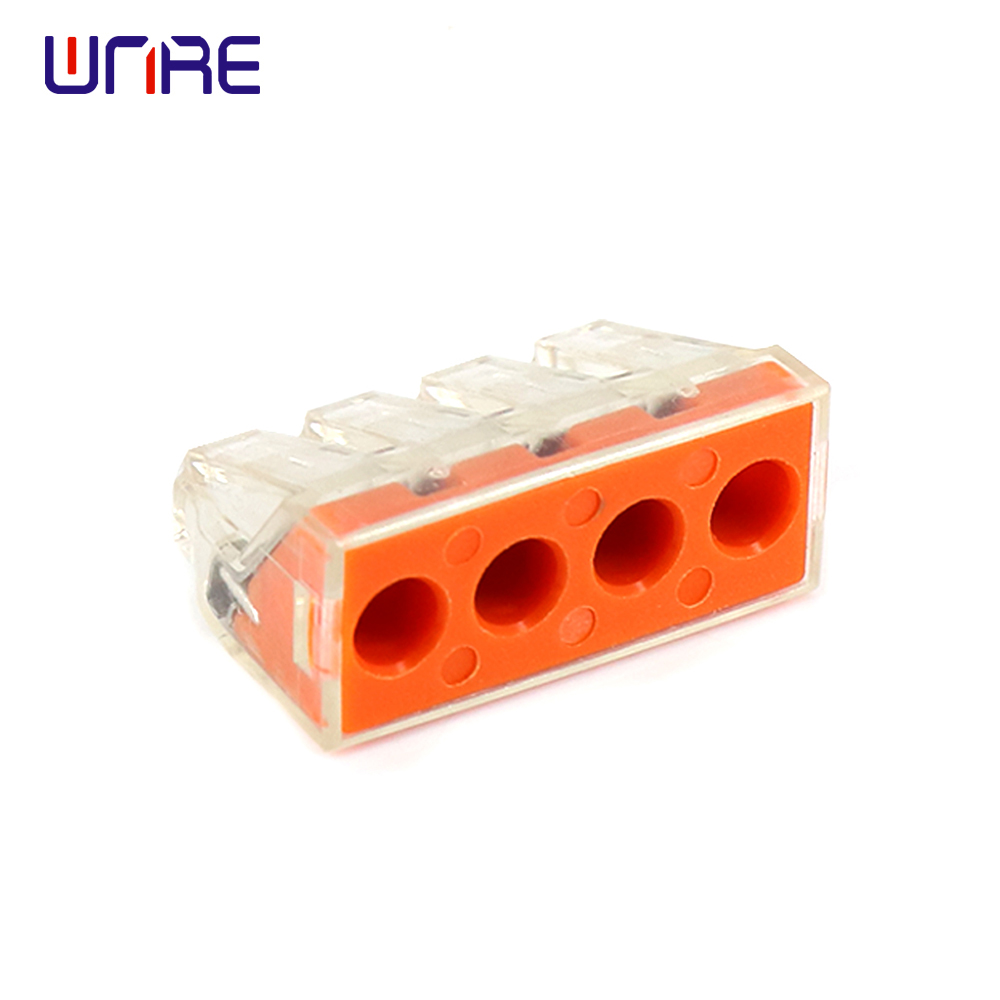
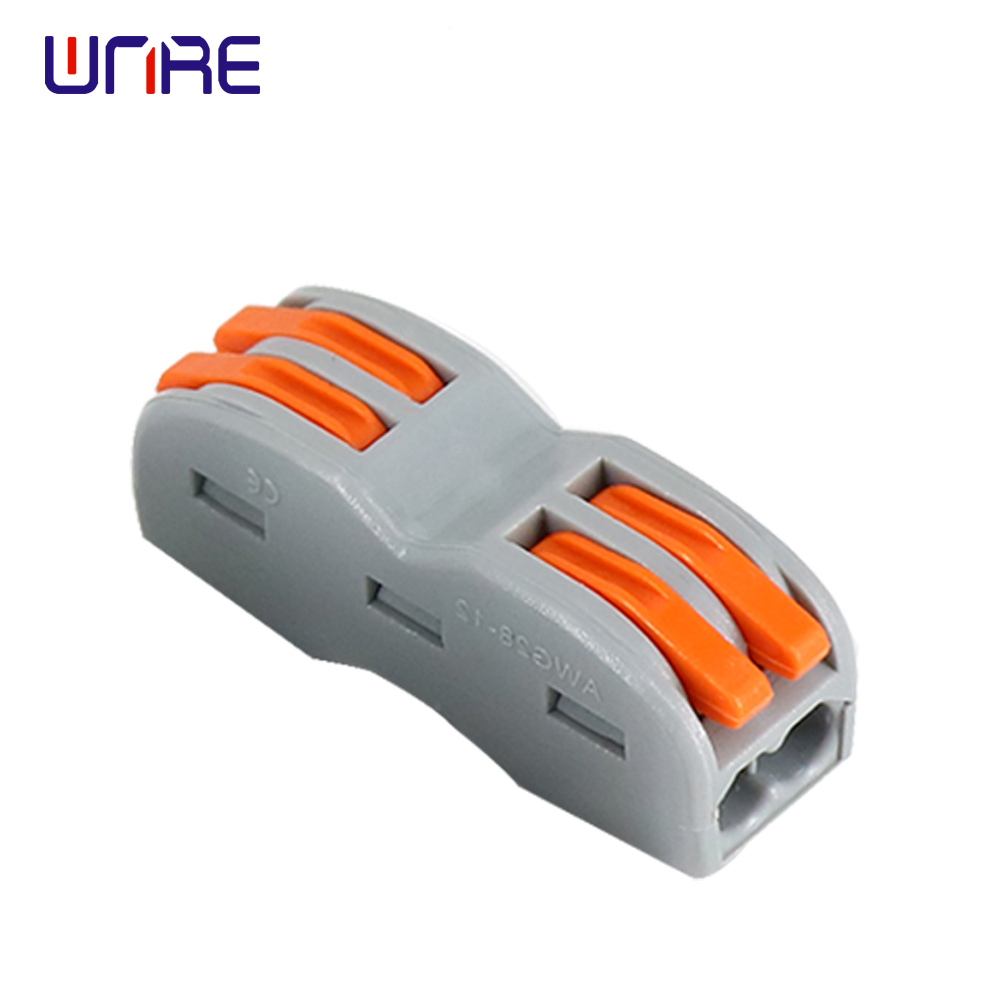
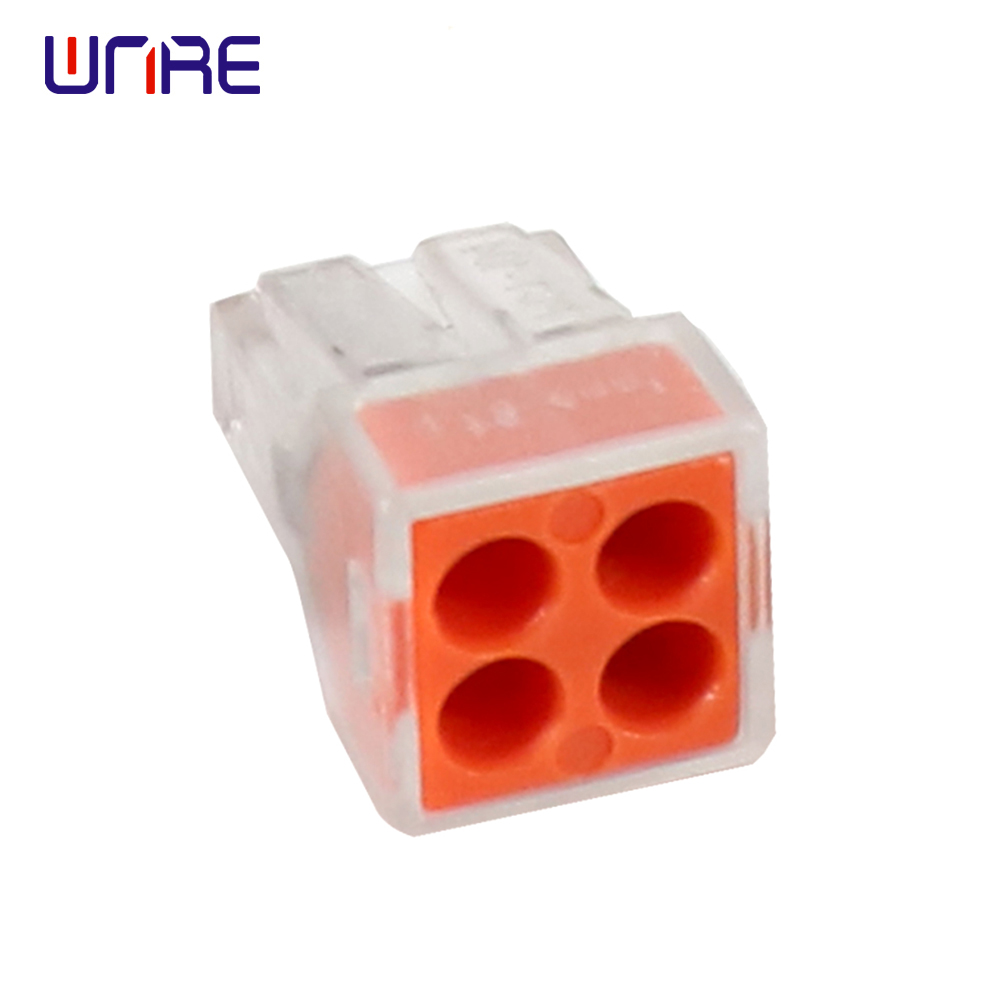
PCT Series Terminal Quick Connectors
Tool-free lever and push-in terminal blocks engineered for quick, secure wiring of automated thermostatic controllers and sensors.
Future Trends: Predictive AI Climate Management and Micro-Thermal Regulation
The smart building sector is rapidly pivoting from reactive temperature regulation to predictive, multi-sensory automation. Future iterations of Thermostatic Switches For Home Automation are being designed with edge-AI computing capabilities, where local thermal switches not only open or close circuits at rigid setpoints but assess occupancy vectors, weather forecast telemetry, and utility time-of-use pricing models.
1. Integration with Unified Smart Standards (Matter & Thread)
Fragmentation has long impeded home automation efficiency. With the widespread industry adoption of the Matter protocol over Thread mesh networks, thermostatic switches can now communicate with sub-millisecond latency directly to boundary routers, dampers, air handling units, and motorized blinds without relying on proprietary gateways. Low-power physical switching circuits allow battery-operated smart thermostatic modules to achieve operational life spans exceeding five years on standard lithium coin cells.
2. Advanced Contact Metallurgy and High-Inrush Endurance
Modern electronically commutated motors (ECM) and variable-refrigerant-flow (VRF) inverter compressors place severe electrical stresses on switching contacts during initial startup. Capacitive inrush currents can spike up to 20 to 50 times nominal operating current for a few milliseconds, easily welding subpar contacts. Contemporary smart thermostatic switches incorporate silver-tin oxide (AgSnO2) or silver-nickel (AgNi) alloy contacts, which provide superior resistance against contact erosion, material transfer, and arc-induced micro-welding.
3. Micro-Thermal Switches in Decentralized Electronics Cooling
As smart residences incorporate dense automation distribution panels, multimedia matrix switches, home servers, and unmanaged PoE switches inside structured media enclosures, thermal hotspots present a significant fire hazard and cause premature hardware failure. Micro-bimetal thermostatic switches mounted directly to heat sinks or enclosure louvers serve as autonomous triggers for exhaust cooling fans, guaranteeing that electronics operate within safe thermal thresholds independent of software health.
Engineering Selection Checklist for Thermostatic Switches
1. Contact Configuration: Normally Closed (NC) for thermal cutout safety; Normally Open (NO) for active cooling and fan activation.
2. Electrical Rating & Load Classification: Ensure the switch's resistive and inductive ratings match the load (e.g., inductive motor loads require higher contact derating compared to resistive heating elements).
3. Response Time Constant (τ): Select switch enclosures (ceramic, phenolic, or aluminum capped) tailored to the medium—air, surface contact, or liquid immersion.
4. Wiring Splicing Reliability: Utilize certified quick-push terminal blocks (such as the PCT series) to prevent loose screw terminals caused by repeated thermal expansion and contraction cycles.
Thermostatic & Automation Connectivity Catalog
Browse our complete lineup of switches, large-current connectors, RCA pin jacks, and precision cable terminals.