
- Mobile Phone
- +86 13736381117
- info@wellnowus.com
Essential Cabinet Power & Thermal Interface Hardware
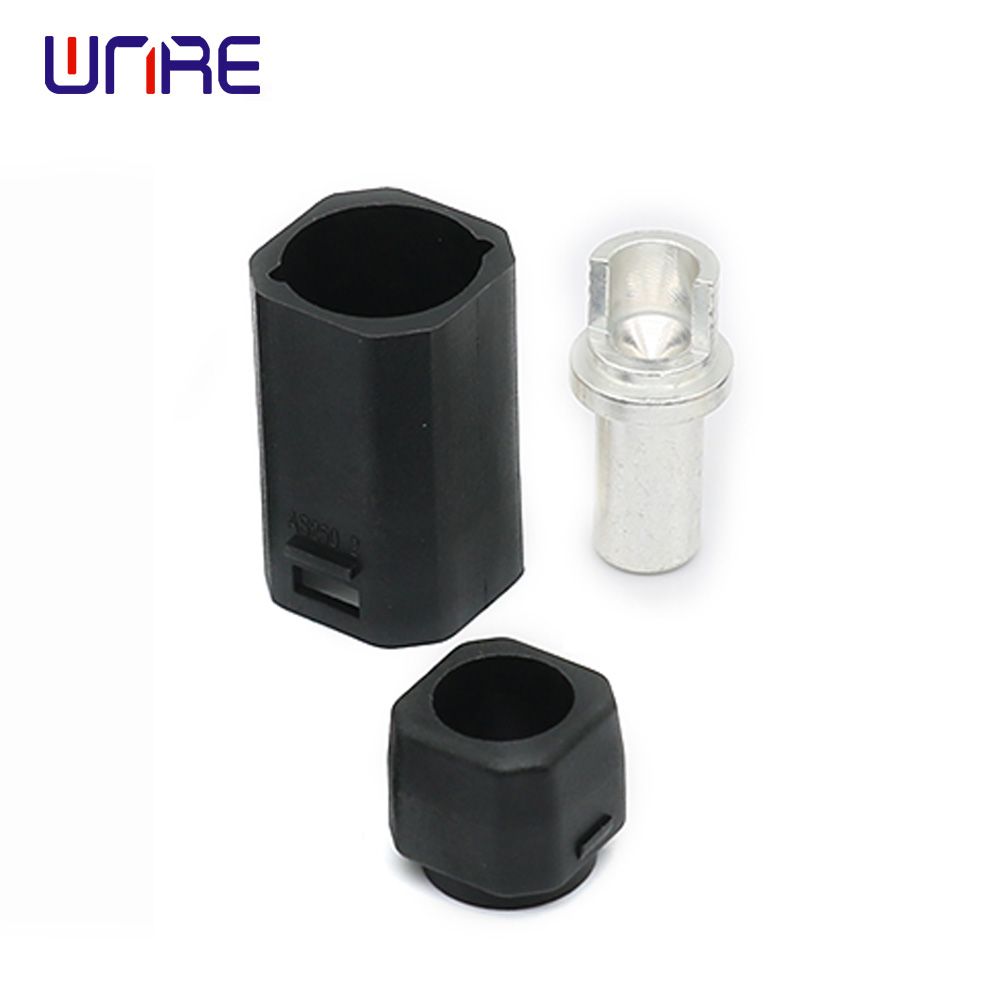
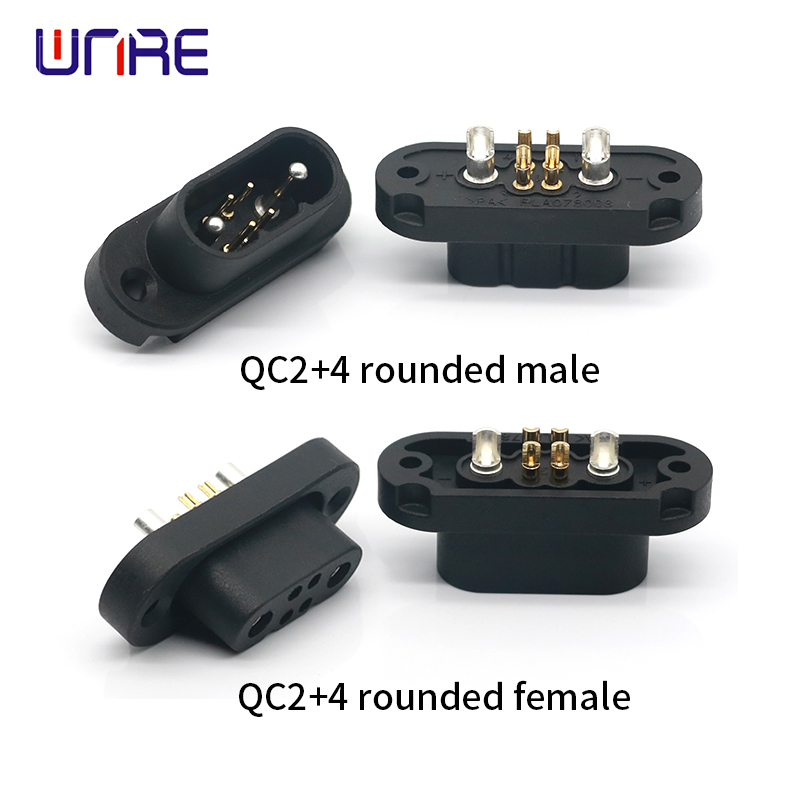
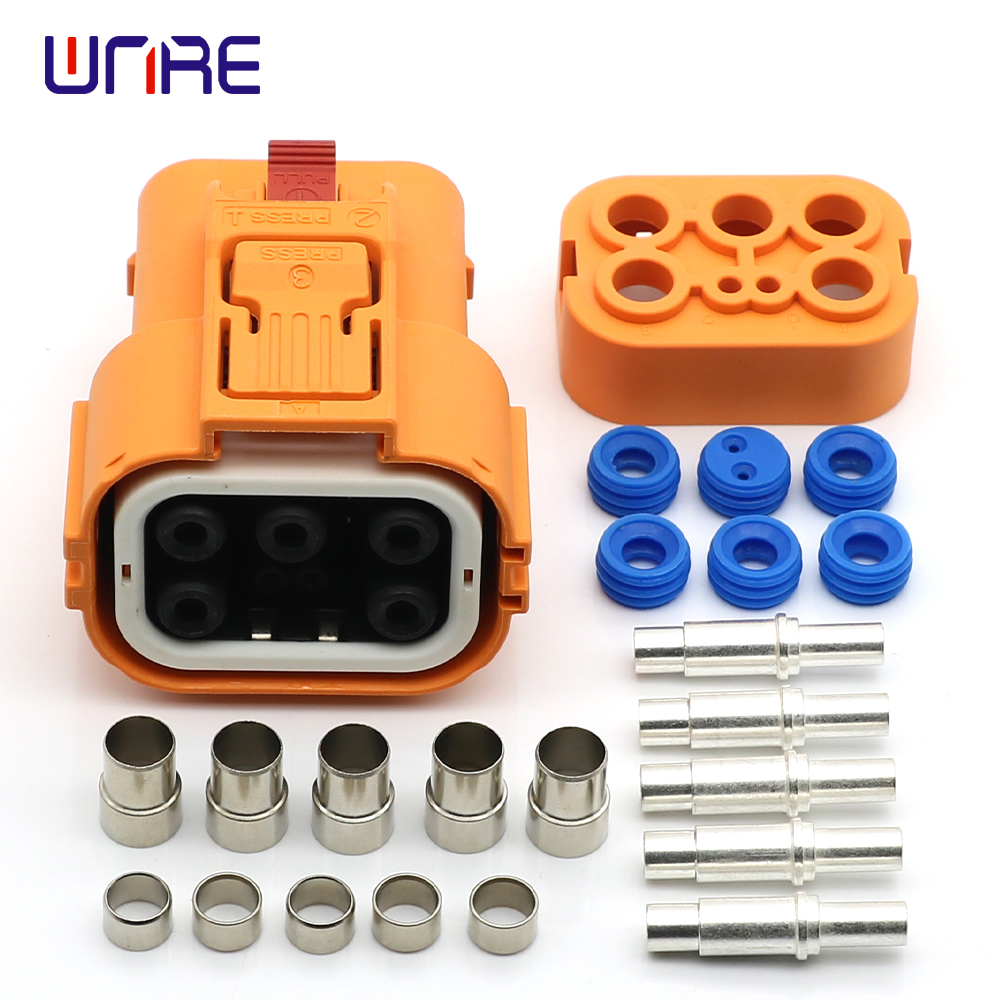
Precision-engineered terminal adapters, anti-fire assemblies, and high-current connectors designed for seamless integration with power cabinet thermostatic systems.
The Vital Role of Thermostatic Switches in Modern Power Cabinets
In modern industrial automation, high-voltage energy distribution, and telecommunication infrastructures, electrical power cabinets serve as the central nervous system. As modern power electronics trend toward extreme power density and miniaturization, heat dissipation has emerged as the foremost challenge for system reliability. A precision thermostatic switch for power cabinets acts as an autonomous thermal safeguard, monitoring localized internal cabinet temperatures to trigger cooling fans, anti-condensation heaters, heat exchangers, or emergency alarms.
Uncontrolled thermal escalation inside enclosed distribution switchboards accelerates insulation degradation, induces component thermal drift, increases contact resistance, and substantially elevates the probability of catastrophic arc flashes or electrical fires. Implementing rugged, high-sensitivity bimetallic or solid-state thermal regulation devices ensures continuous operational compliance with international standards such as IEC 61439 and UL 508A.
Operational Rule: An ambient temperature increase of merely 10°C above rated operating limits cuts the operational lifespan of sensitive microprocessor relays, PLCs, and high-frequency inverters by approximately 50% (Arrhenius Law).
Core Mechanisms of Cabinet Temperature Regulation
Understanding the fundamental switching modalities that prevent thermal runaway and condensation in industrial enclosures.
Normally Open (NO) Cooling Control
Typically identified with a blue setting dial, Normally Open thermostatic switches close their internal contact when the cabinet temperature rises above the preset setpoint. This immediately energizes filter fans, active air conditioners, or cooling blowers to evacuate excessive heat generated by transformers, VFDs, and switchgear.
Normally Closed (NC) Heating Regulation
Featuring a red adjustment dial, Normally Closed thermostats open their contact on rising temperature and maintain closure under cold conditions. They power internal enclosure heaters to mitigate destructive moisture condensation when external ambient temperatures drop rapidly, protecting copper busbars from corrosion.
Dual Thermostat & Hygrostat Hybrids
Advanced dual-switch units integrate independent temperature channels or combine relative humidity sensing with thermal triggers. This dual-action architecture synchronizes heating and cooling loops simultaneously without inter-stage signal contention, optimizing energy efficiency in smart microgrids.
Technological Trends Shaping Power Cabinet Climate Control
From passive electromechanical snap-discs to intelligent IIoT integrated thermal monitors: The technological roadmap of enclosure management.
1. Transition Toward Solid-State and Microprocessor-Assisted Thermoregulation
While traditional snap-action bimetal thermostats remain an industry staple due to their fail-safe simplicity and electromagnetic noise immunity, there is a massive market surge toward electronic solid-state switches with digital NTC/PTC sensors. These sensors offer minimal thermal hysteresis (down to ±1K), user-programmable switching differentials, and ultra-fast thermal response times. The precision prevents excessive thermal cycling of high-powered industrial cabinet fans, dramatically extending mechanical fan bearing lifespans and lowering operational energy consumption across large-scale data centers.
2. Edge AI & IIoT Telemetry Integration
Industrial 4.0 paradigms demand predictive maintenance rather than reactive tripping. Modern thermostatic switches designed for high-density power cabinets are increasingly equipped with RS-485 Modbus RTU communication interfaces or IO-Link protocols. These smart thermal switches transmit real-time temperature gradients, switching cycle counts, and ambient humidity data directly to cloud SCADA platforms. Predictive AI algorithms analyze heat-rate slopes to detect loose terminal busbar connections, deteriorating insulation, or filter clog events weeks before thermal breakdown occurs.
3. Extreme Harsh Environment Durability & Seismic Hardening
With the exponential expansion of offshore wind turbines, solar photovotaic central inverters, and desert-based battery energy storage systems (BESS), thermostatic control units are engineered to withstand severe ambient extremes ranging from -40°C to +85°C. Self-extinguishing housings classified under UL94-V0 flammability ratings, shock resistance according to IEC 60068-2-27, and IP65/IP67 gas-tight terminal connector interfaces ensure continuous operation in saline, dusty, and chemically aggressive atmospheres.
| Parameter / Specification | Bimetal Snap-Action Thermostat | Electronic / Digital Thermostat | Integrated Dual Thermo-Hygrostat |
|---|---|---|---|
| Sensor Element Type | Thermostatic Bimetal Strip / Disc | NTC Thermistor / PT100 Solid State | Capacitive Polymer & Bimetal Duo |
| Setting Range | 0°C to +60°C / -10°C to +80°C | -20°C to +80°C (Digital step of 1°C) | 0°C to +60°C / 20% to 90% RH |
| Switching Hysteresis | 7K (±4K tolerance) | 1K to 5K (Adjustable) | 3K (±1K) / 4% RH |
| Contact Rating (Resistive / Inductive) | AC 250V 10A / AC 120V 15A | AC 250V 16A / DC 24V 10A | AC 250V 10(2)A / DC 30W |
| Mounting Compatibility | 35mm DIN Rail (EN 60715) | 35mm DIN Rail / Direct Screw | 35mm DIN Rail Clip-on |
| Service Lifespan | > 100,000 Cycles | > 250,000 Cycles | > 100,000 Cycles |
Comprehensive Application Scenarios for Power Cabinets
Deploying targeted thermal protection systems across mission-critical energy, transportation, and industrial automation domains.
1. Battery Energy Storage Systems (BESS) & EV Supercharging Hubs
Grid-scale lithium-ion battery containers and megawatt-class electric vehicle fast chargers generate immense localized thermal energy during peak charging cycles. Thermostatic switches control closed-loop liquid-to-air heat pump units and secondary cabinet extractor fans. Maintaining the enclosure below 35°C prevents premature lithium dendrite formation, thermal runaway cascading, and irreversible battery cell capacity loss.
2. Renewable Photovoltaic Combiner Boxes & Wind Turbine Nacelles
Solar combiner boxes and offshore wind turbine control panels are exposed to extreme diurnal temperature swings. During freezing nights, drops in temperature cause interior air condensation, precipitating dielectric breakdown across circuit breakers. Normally Closed thermostatic switches instantly engage heating elements before the dew point is reached, preventing moisture deposition on internal PCBAs and contact surfaces.
3. Railway Rolling Stock & Trackside Signaling Cabinets
Rail transit signaling cubicles operate in remote corridors with minimal human supervision. Thermostatic controllers in these systems must withstand high continuous vibrations and electromagnetic interference from passing locomotives. High-reliability snap-action switches ensure uninterrupted cooling of interlocking computers, track circuit modules, and signal power supplies.
4. Heavy Manufacturing, CNC & PLC Automation Enclosures
Inside metal casting plants, chemical processing facilities, and automotive assembly lines, robotic control panels are insulated against dust and corrosive vapors using sealed NEMA 4X / IP66 enclosures. Because heat cannot escape through passive convection, thermostatic switches dynamically modulate air-to-air heat exchangers and vortex coolers, ensuring PLCs and servo drives remain in their safe operating temperature envelopes.
5. Telecom 5G Outdoor Shelters & Remote Microwave Hubs
5G base station power cabinets support power amplification electronics operating at high continuous wattage. Thermostatic switches prioritize stage-one free-cooling via intake dampers during moderate weather and switch to high-power air conditioning only when ambient limits are exceeded, maximizing seasonal energy efficiency ratios (SEER).
System Safety Tip: Always install the thermostatic switch in the upper third of the cabinet to sense the highest thermal zone, but away from direct exhaust airstreams of hot components.
About Us & Our Global Capabilities
World-class research, state-of-the-art production infrastructure, and stringent quality assurance in electronic connectivity and thermal switching technologies.
Corporate Footprint & Development Network
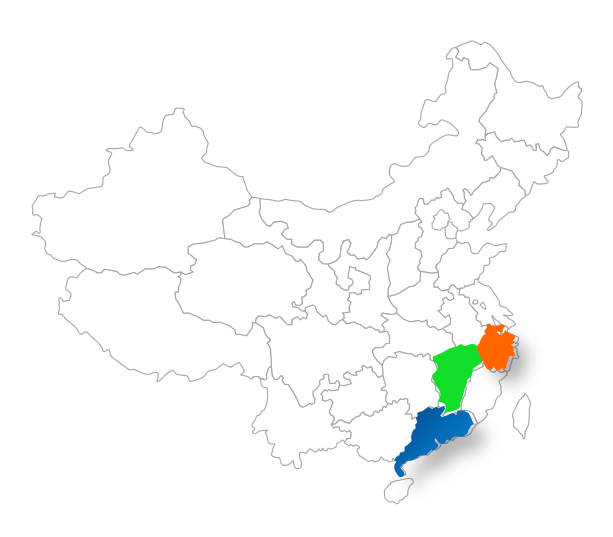
Our company has been a electronic connectors professional manufacturers since 2004. The head office is located in Yueqing China. Company has more than 200 employees. branch in Jiangxi (factory)and Shenzhen(counter). We Cooperate with Shenzhen University to develop products. Main Markets Southern Europe,Western Europe,North America,South Asia,Domestic Market. Main products Power Jacks Series,Phone Jacks Series,Switch Series,RCA Pin Jack Series,Network socket series.
The headquarters of the company is located in Yueqing, Zhejiang Province, which is the national electronic and electrical distribution center. The headquarters has set up domestic and foreign trade department, technology research and development department and production department. Branch Jiangxi With 5000 ㎡ production area and 200 professional production workers working hard in the production line. Next step is set up branch factory in Yunnan Province in 2021.
The office is set up in Shenzhen, China's trade center. It always pays attention to market trends, understands market demand and feeds back to the company's headquarters in time. It is an important window for trade.
ChinaWellnow is an enterprise with a sense of social responsibility. It is actively committed to the improvement of enterprise activities, goods, services and other related quality and environmental protection (including biodiversity). At the same time, it builds a solid trust relationship between customers and business partners, and maintains and improves this trust relationship forever. We satisfy all our clients with advanced products, competitive prices, fast delivery and one-stop service. It's our mission to boost our customer's business.

Honor and Certificate Validation
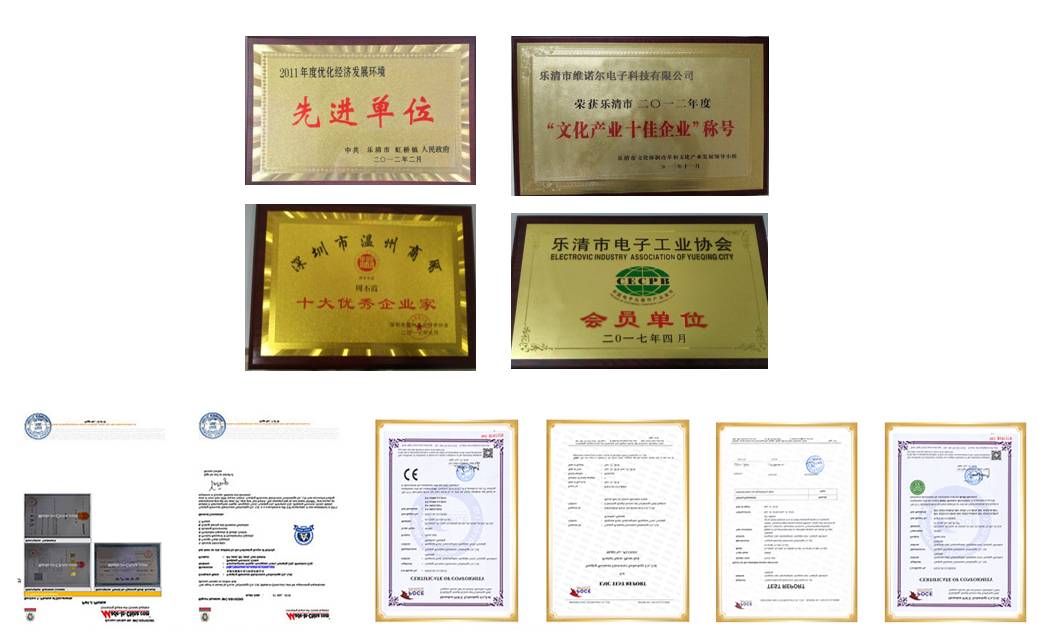
Our factory with its R & D, product engineering and quality control department, was certified with ISO 9001:2015 in 2005. Most of our products shown on this website are certified as being in compliance with UL, VDE and ENEC standards. We Cooperate with Shenzhen University to develop cutting-edge thermal and electrical connection solutions.
Factory Tour & Automated Production Showcase
Observe our high-precision manufacturing processes, automated terminal stamping, and rigorous environmental stress testing.
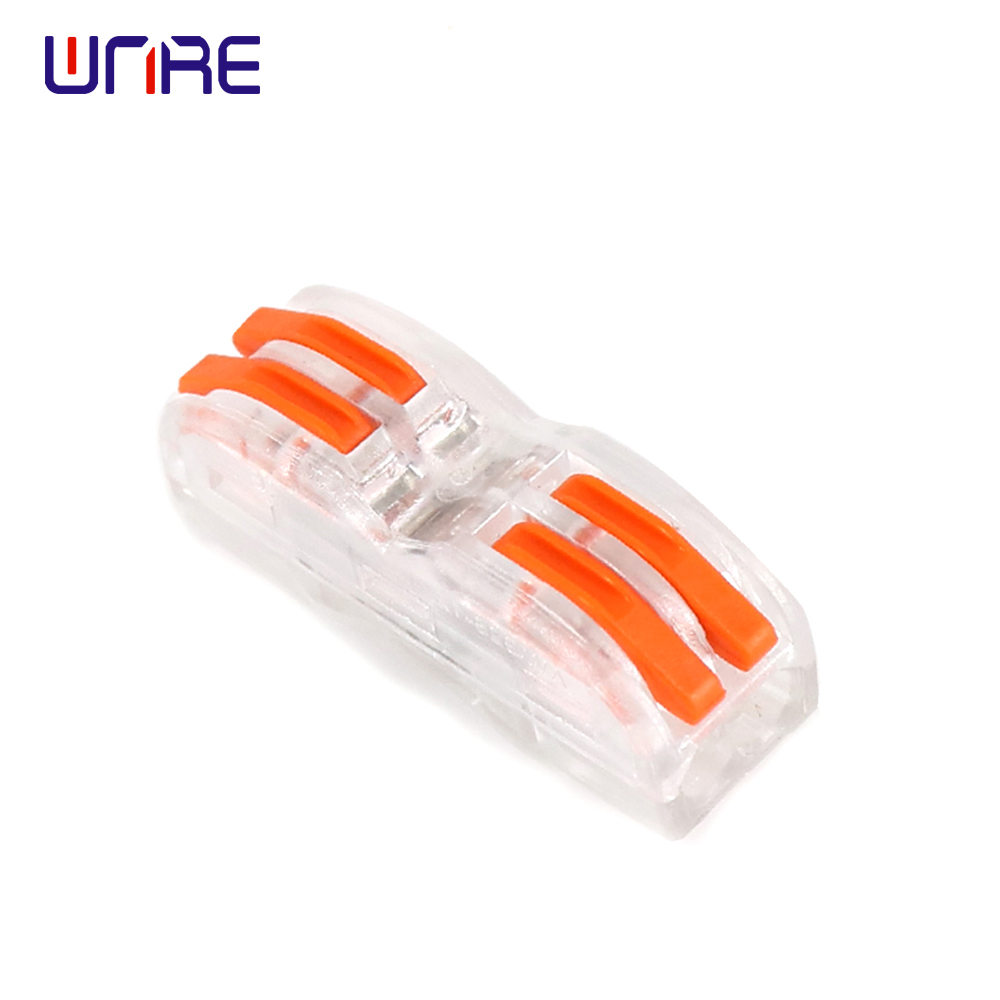
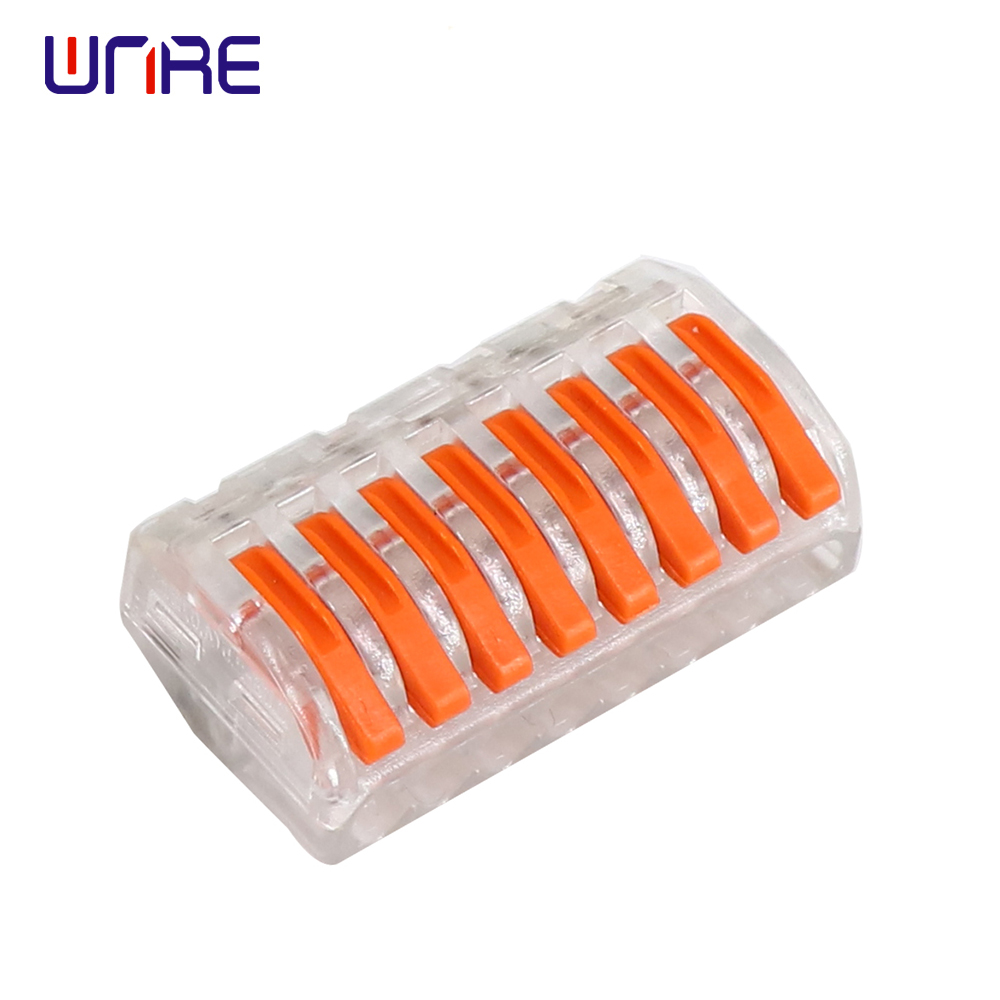
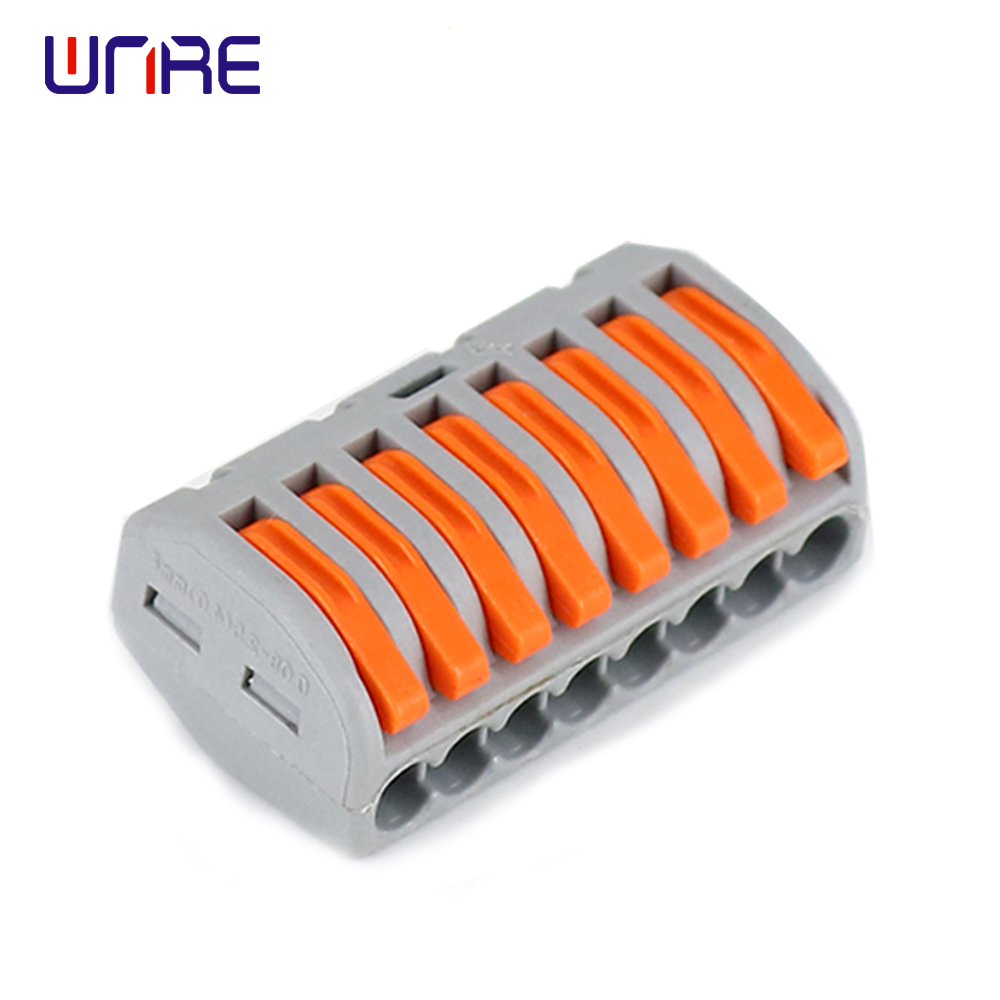
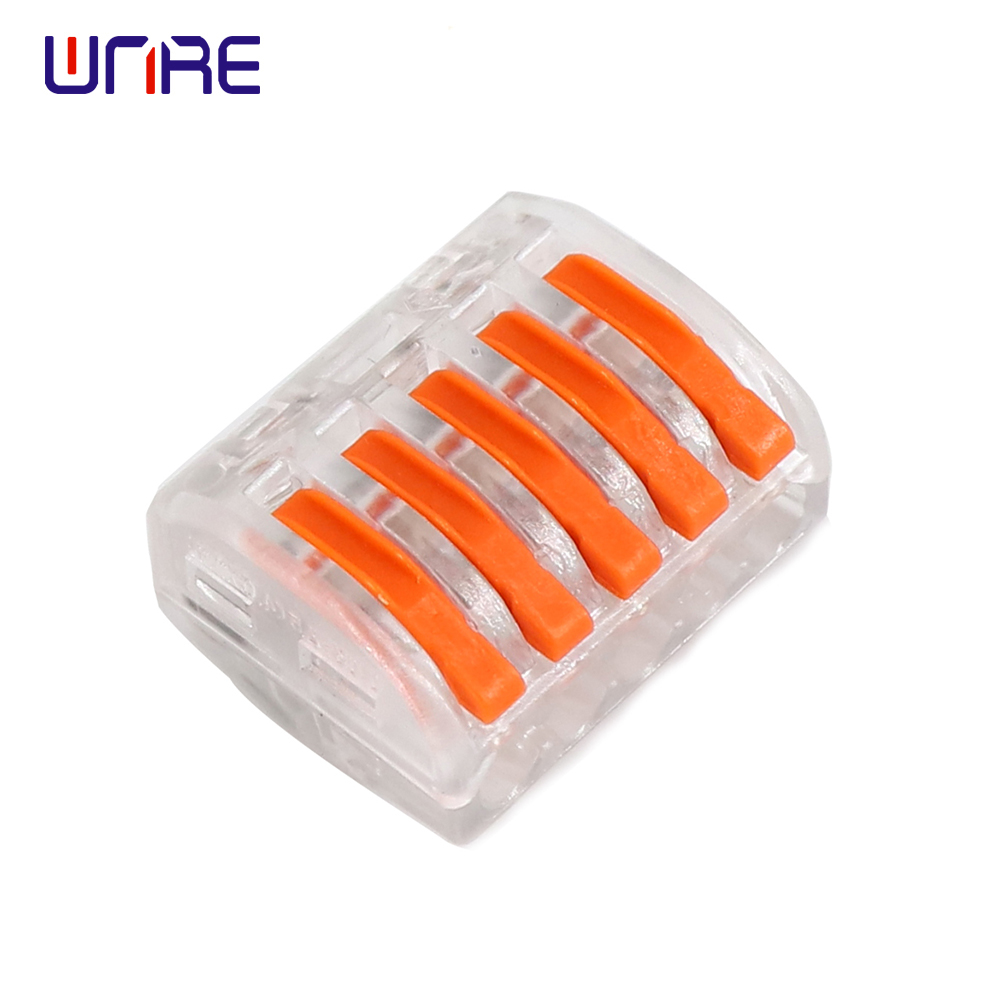
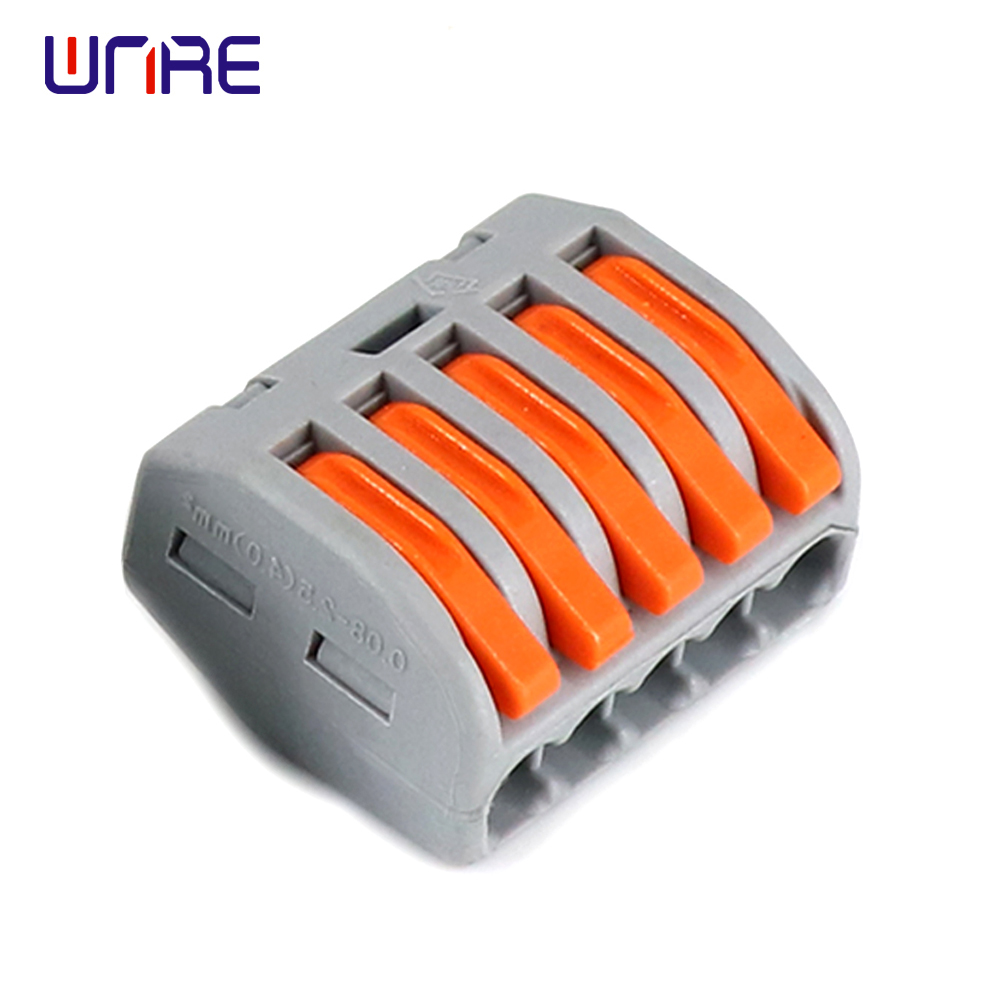
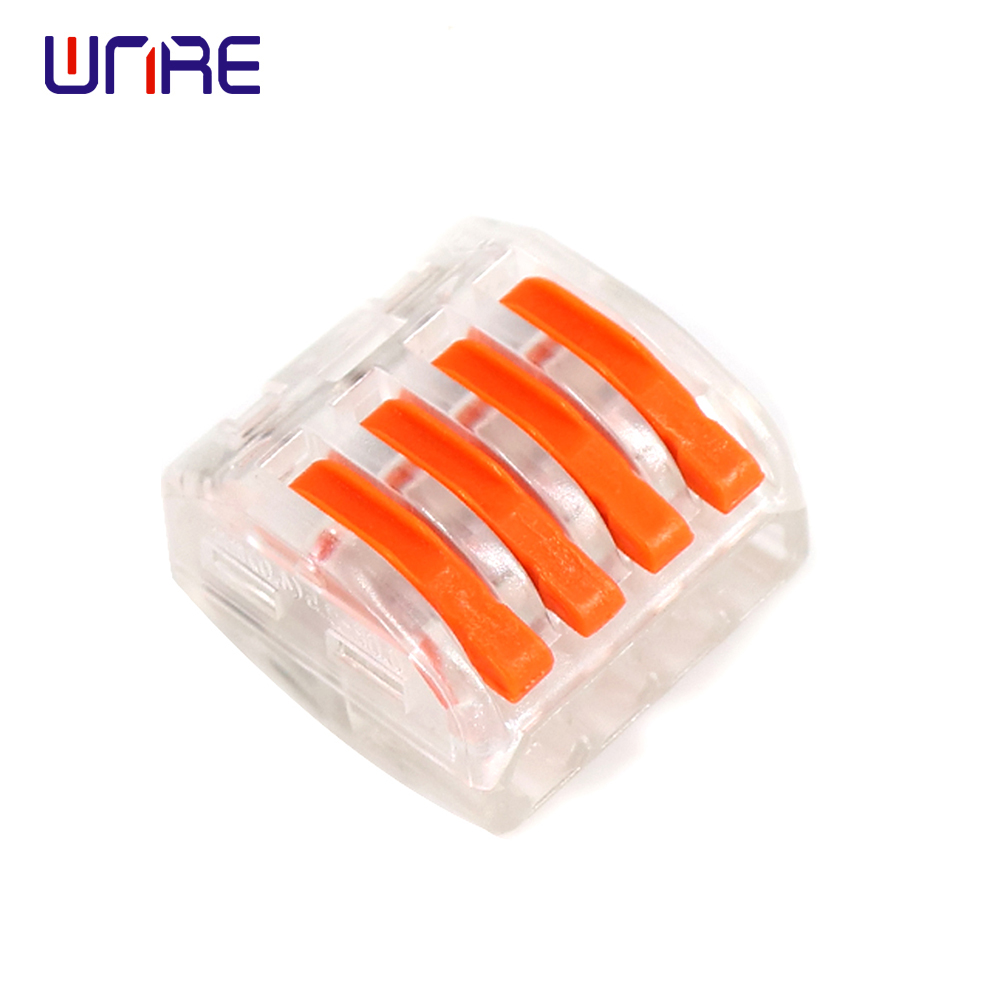
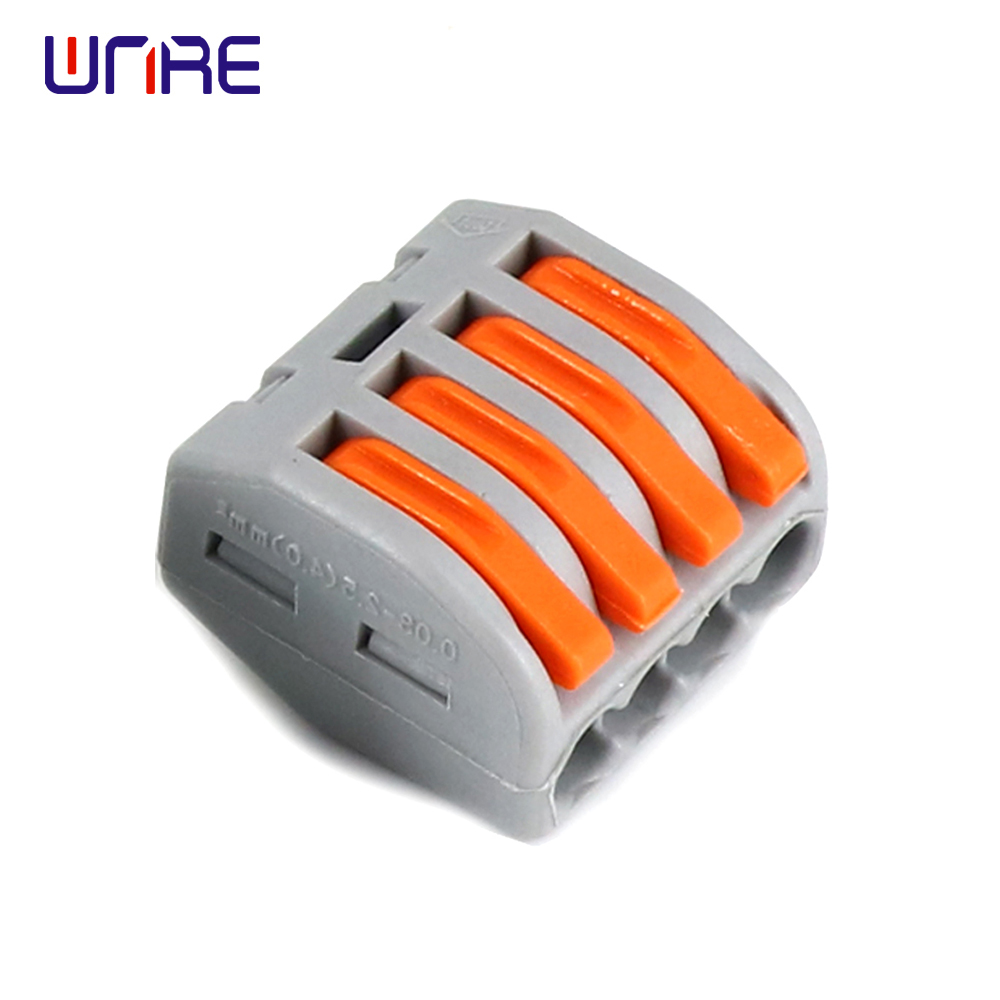
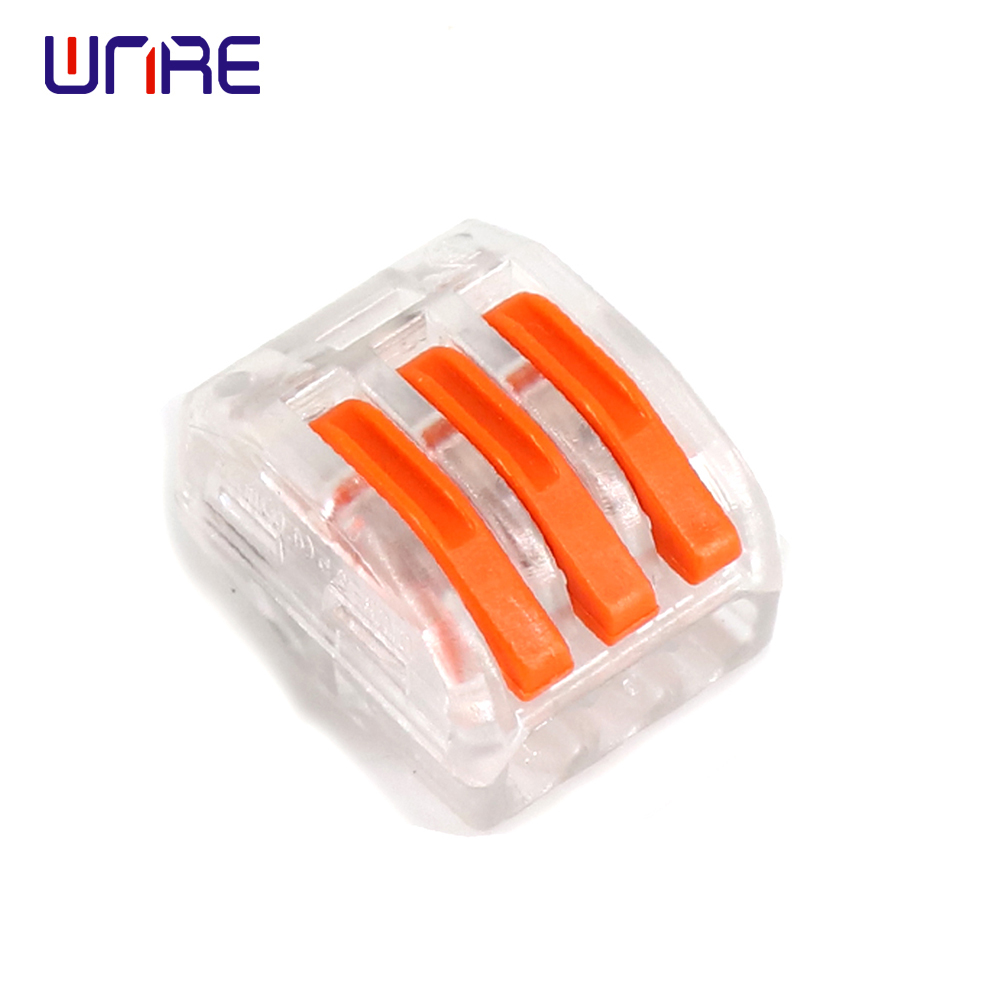
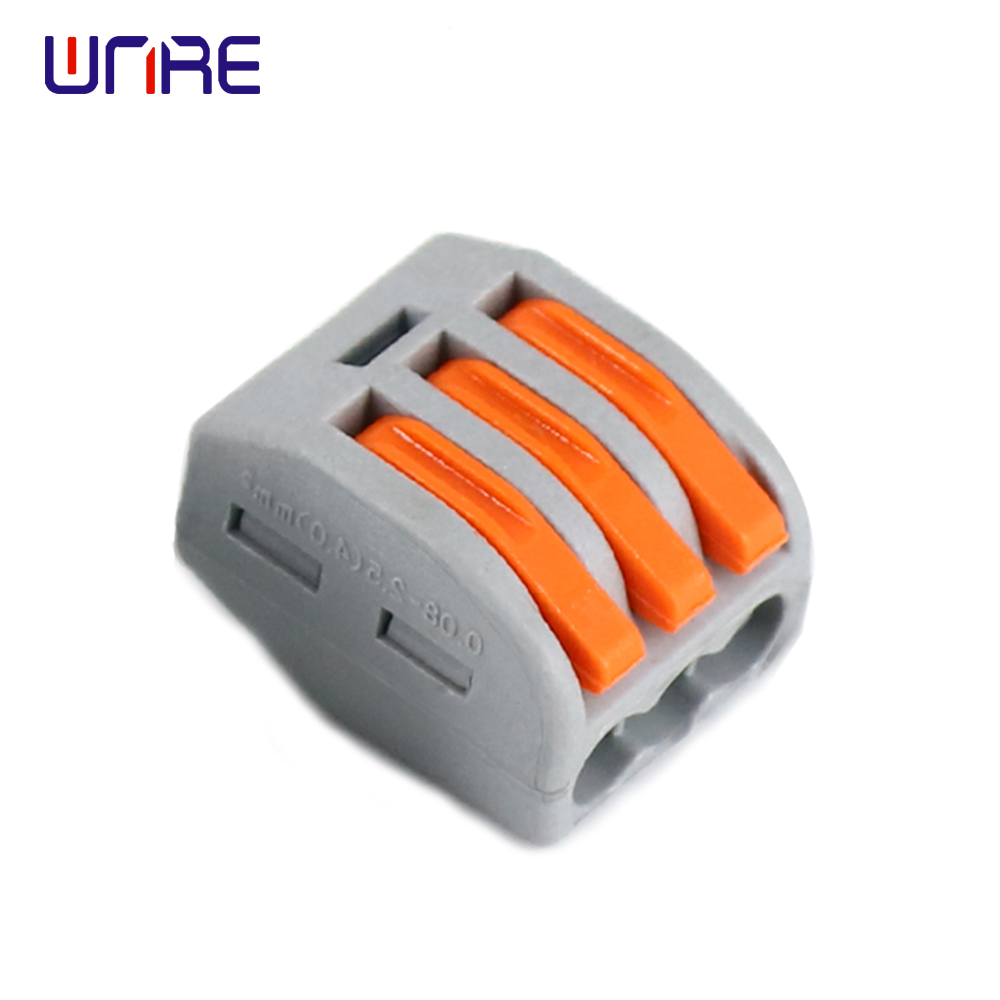
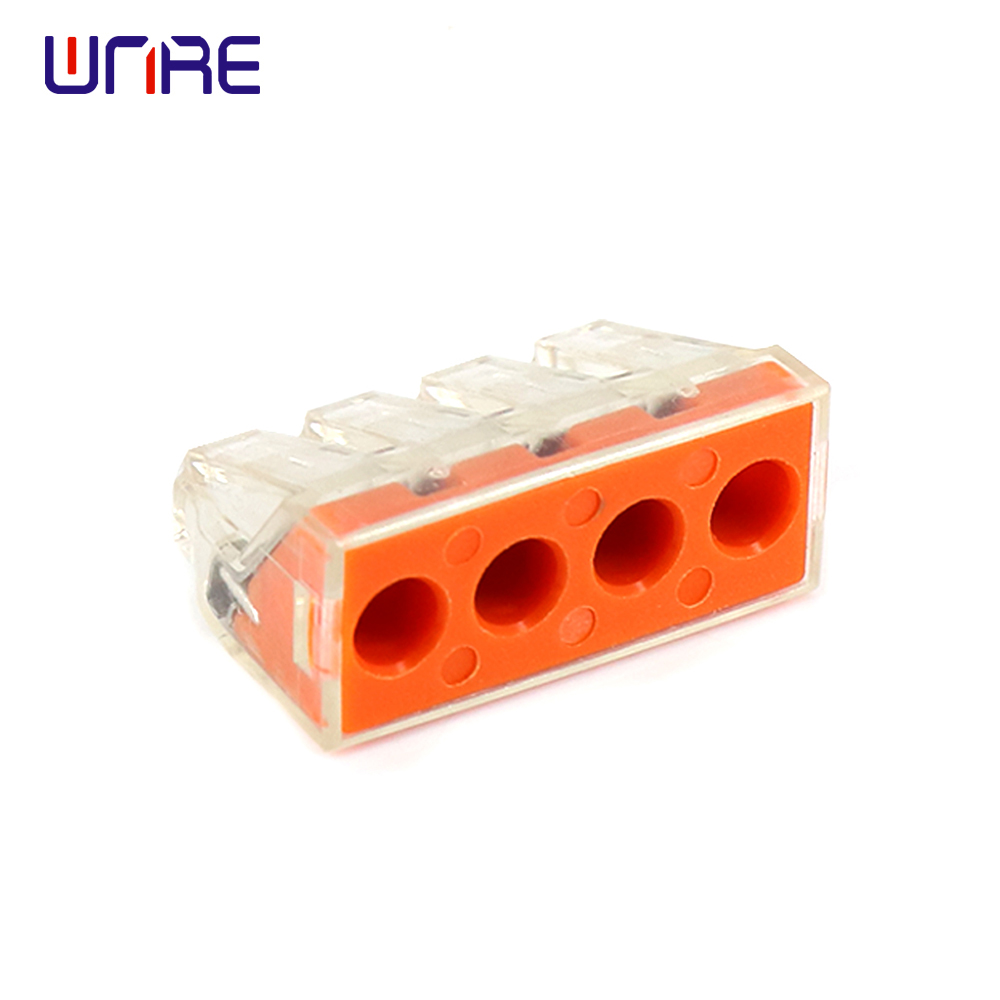
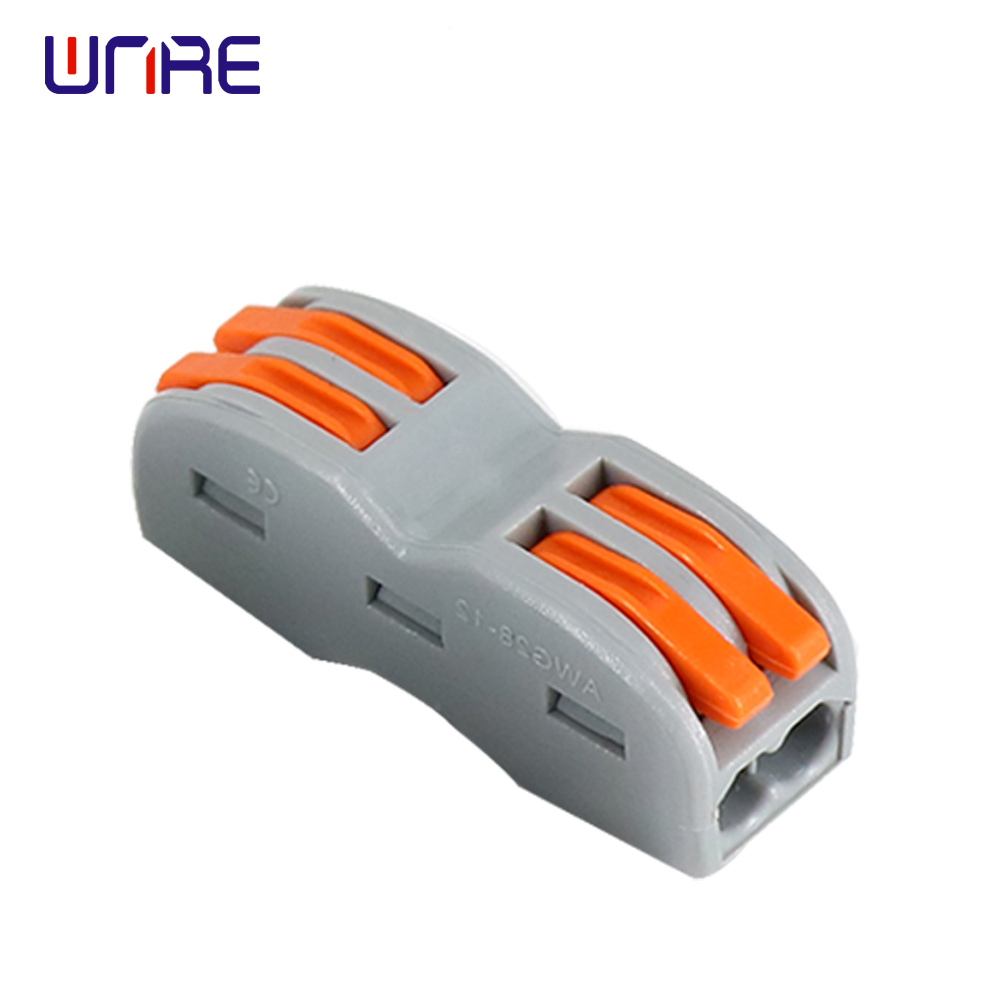
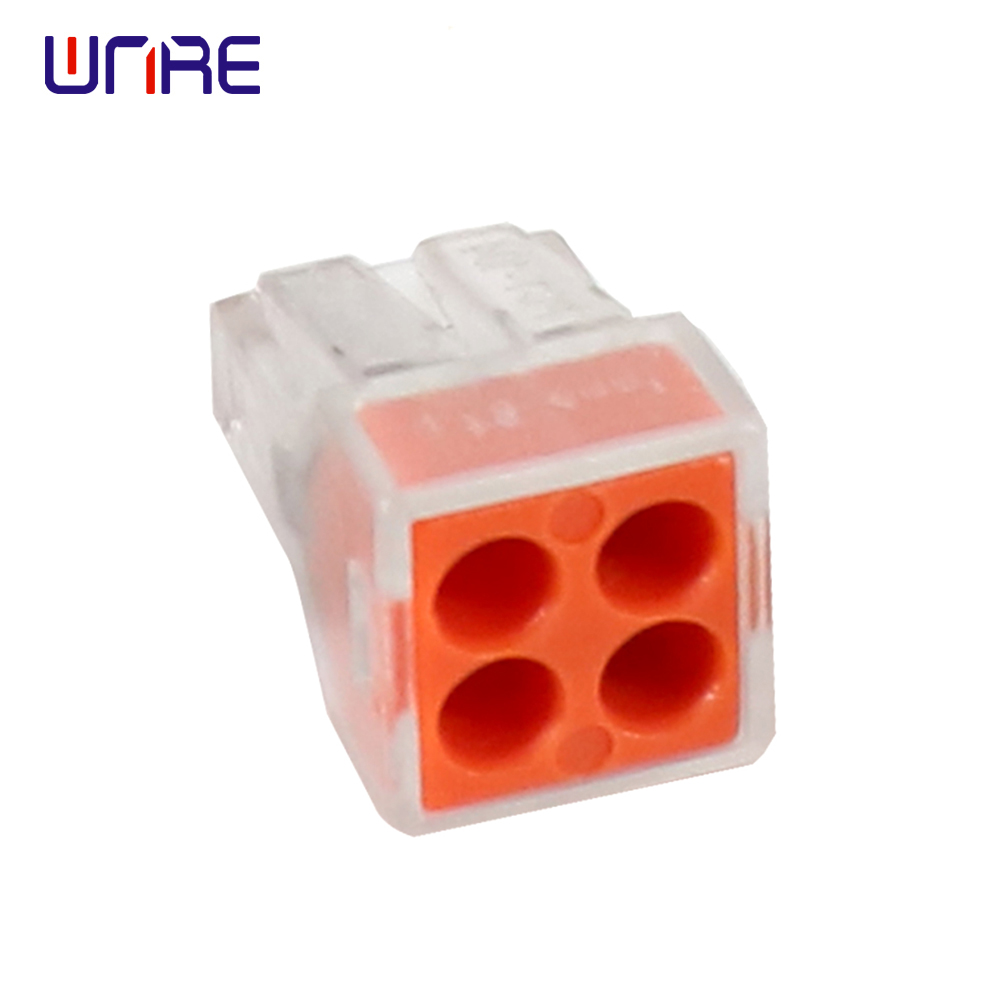
High-Efficiency Quick-Connect Terminal Blocks
Universal conductor spring splicing and push-in terminal blocks for fast, tool-free wiring of thermostats and distribution control modules.
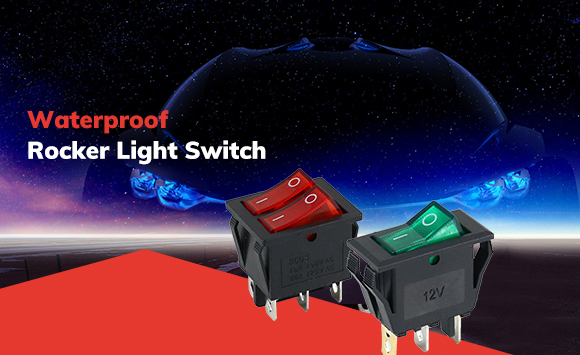
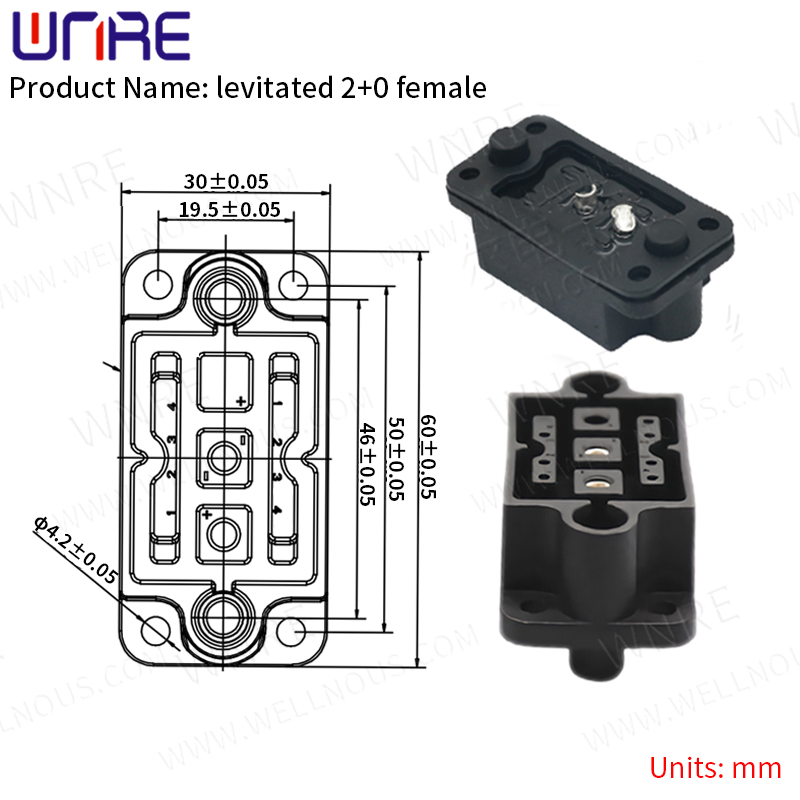
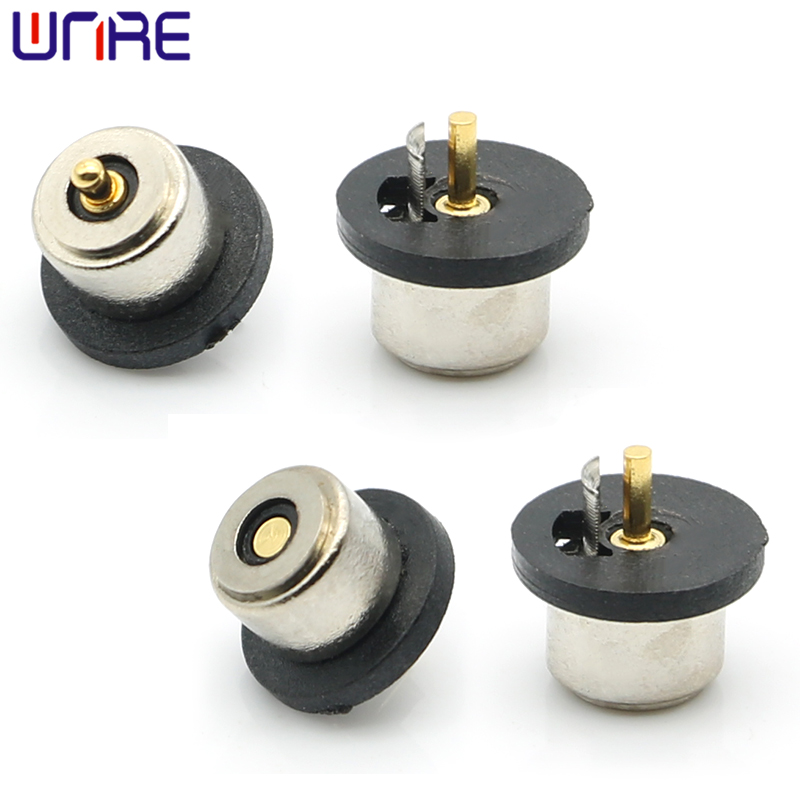
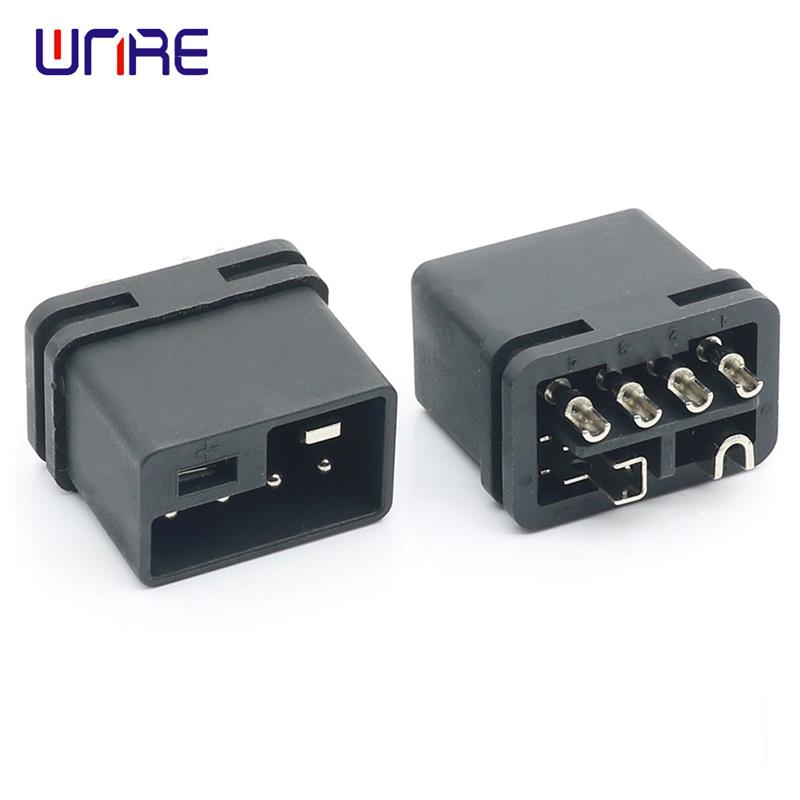
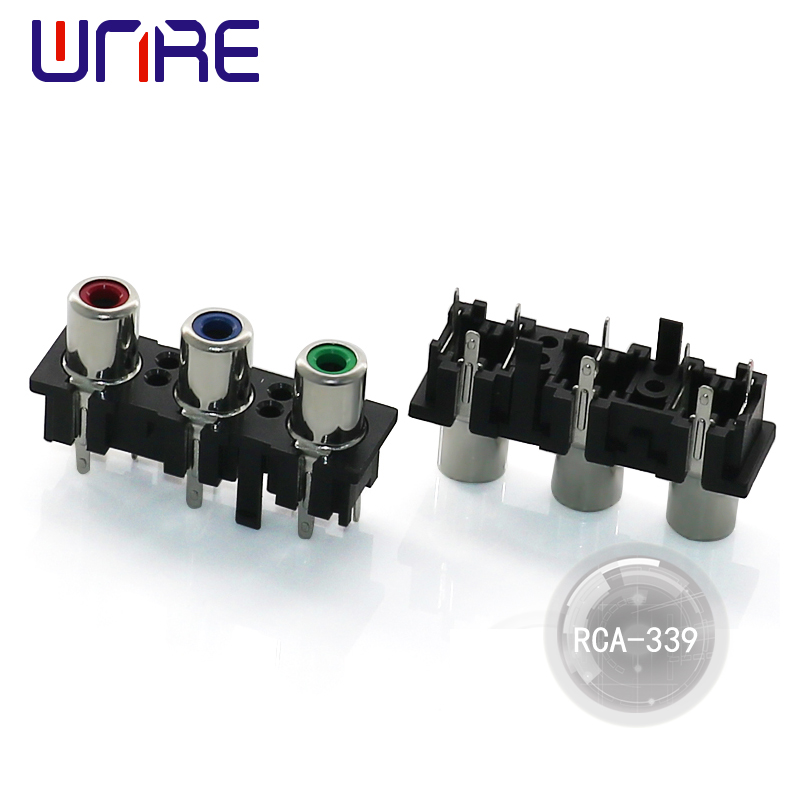
Specialized Power Cabinet Connectors & Terminal Sockets
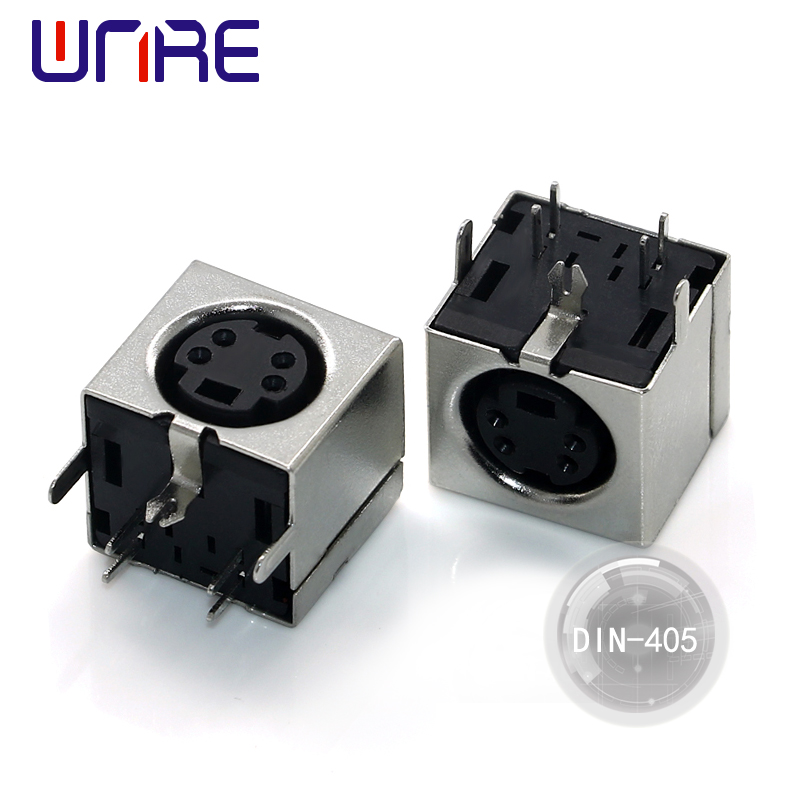
Full suite of original interconnect assemblies, high-current sockets, and audio-video DIN components designed for high-specification industrial applications.
Frequently Asked Questions About Cabinet Thermostatic Switches
Expert engineering insights regarding installation, calibration, and operational safety in harsh industrial environments.
Where is the optimal position to mount a thermostatic switch inside a power cabinet?
The thermostatic switch should be mounted on a standard 35mm DIN rail in the upper vertical section of the enclosure (approximately 75% to 80% of cabinet height). Since hot air naturally accumulates near the top due to thermal convection, this placement provides the truest assessment of maximum component stress. Never install the switch immediately adjacent to or in the direct exhaust jet of variable frequency drives or high-wattage power supplies.
What causes switching hysteresis and why is it critical for cabinet cooling?
Switching hysteresis is the differential between the contact cut-in temperature and the cut-out reset temperature (typically 4K to 7K in bimetallic models). Without sufficient hysteresis, the switch would cycle high-current cooling fans on and off in rapid succession (chattering), leading to excessive relay contact pitting, high inrush current spikes on the auxiliary bus, and premature fan motor burnout.
Can a single thermostat manage both heating and cooling circuits?
A standard single-pole single-throw (SPST) thermostat can only manage either a heating circuit (Normally Closed) or a cooling circuit (Normally Open). To control both fan evacuation and condensation heating within the same enclosure, engineers utilize dual thermostats (two independent dials housed in a single DIN module) or single-pole double-throw (SPDT) changeover switches, ensuring the heater and fan never operate simultaneously.
How does flame-retardant housing certification protect electrical panels?
Industrial standards mandate that all enclosure-mounted components possess UL94-V0 flammability classification. In the rare event of severe terminal arcing or localized electrical overheating, self-extinguishing plastic housings halt vertical flame propagation within 10 seconds without dropping inflamed polymer particles, confining any thermal anomaly to its origin point.