- Mobile Phone
- +86 13736381117
- info@wellnowus.com
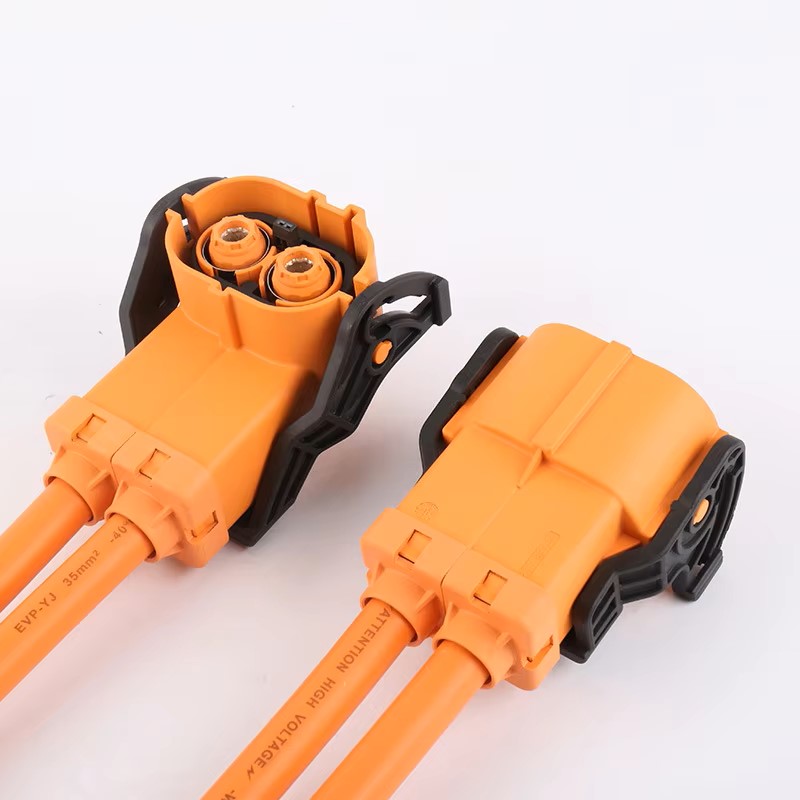
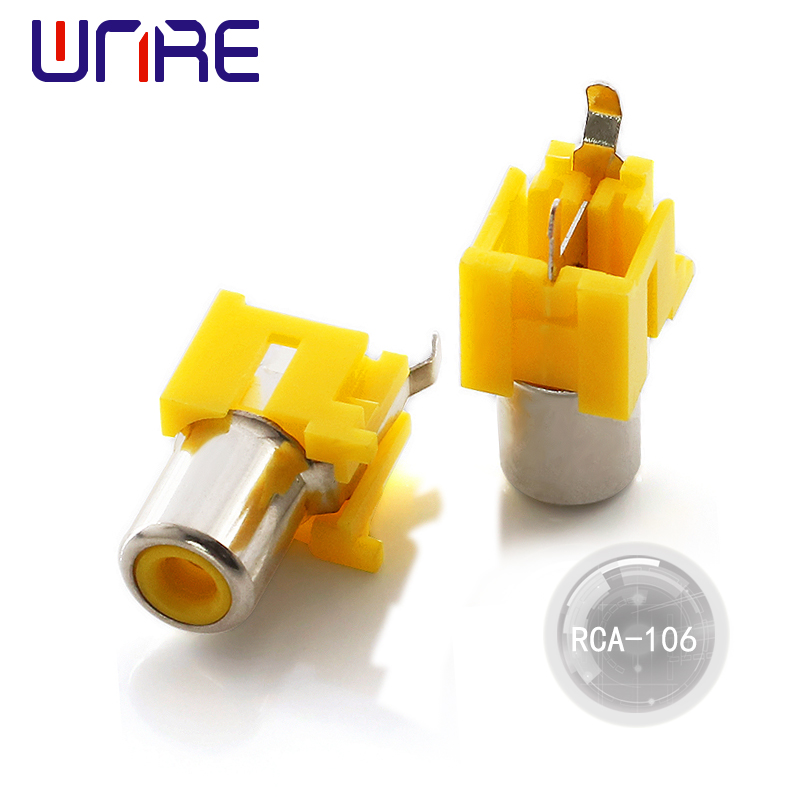
Featured Motorcycle Control & Power Components
Explore our flagship switching modules, heavy-current connectors, and intelligent handlebar switchgear engineered specifically for harsh riding environments.
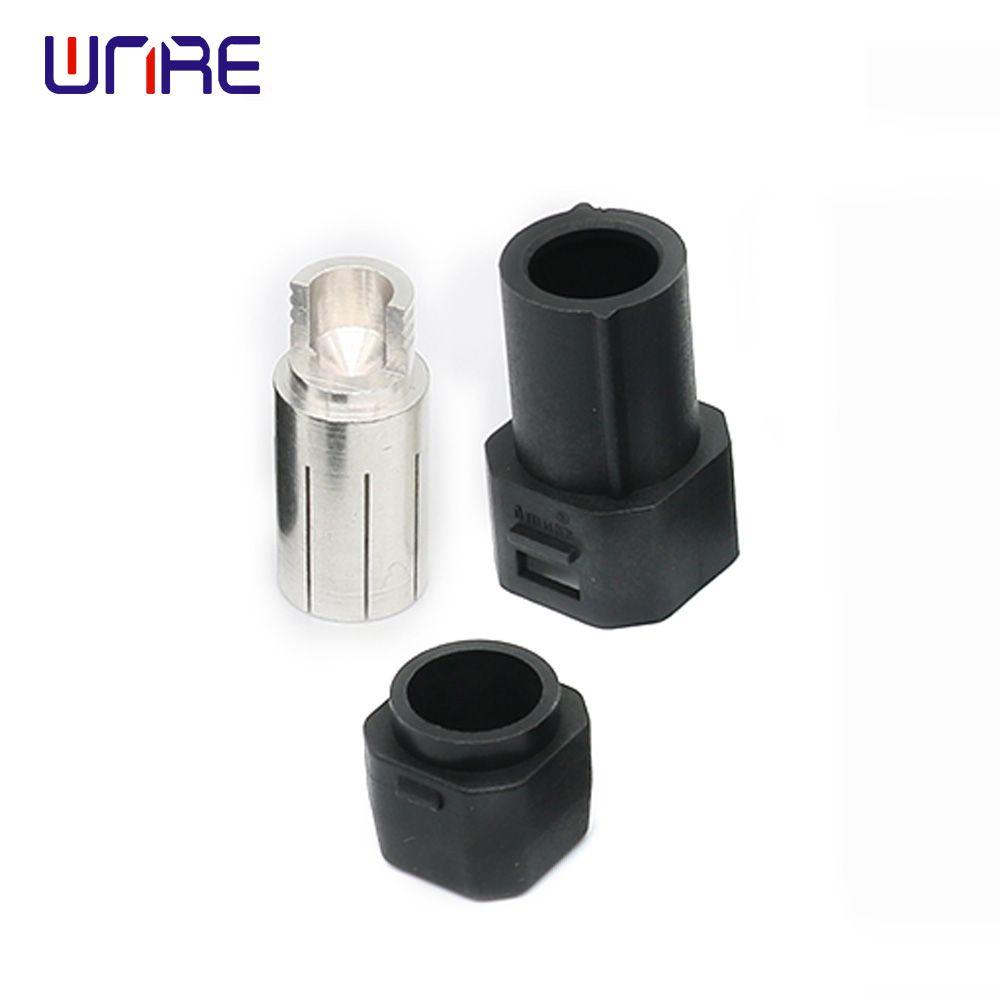
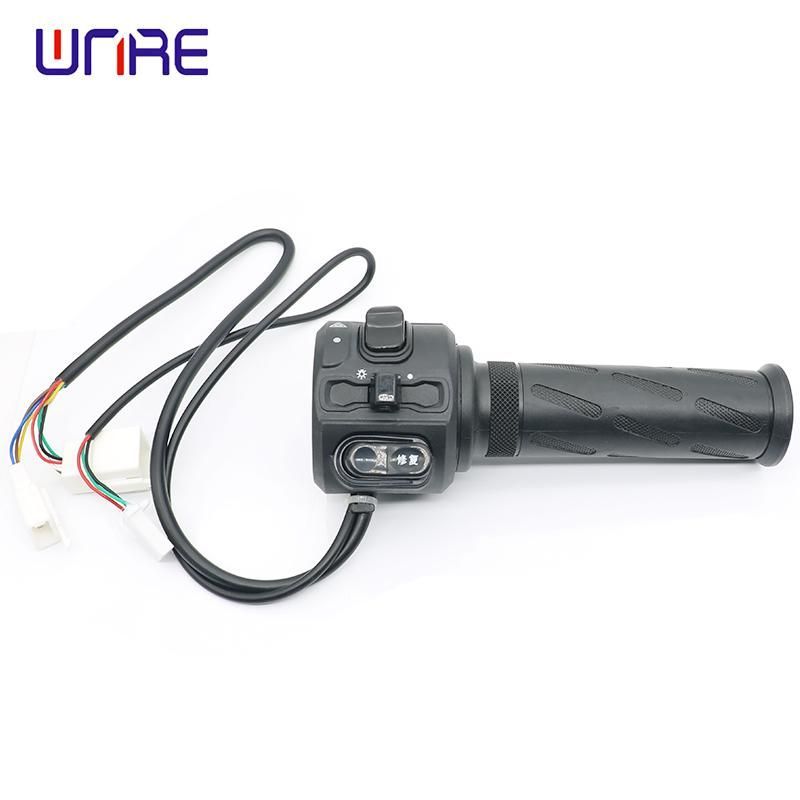
Engineering LED Tact Switches in Modern Two-Wheeler Architectures
A comprehensive evaluation of electromechanical design, human-machine interface (HMI) trends, environmental sealing, and functional safety in electric and high-performance motorcycle controls.
The motorcycle industry is experiencing a massive paradigm shift driven by vehicle electrification, digital cockpits, Advanced Rider Assistance Systems (ARAS), and connected telematics. Central to this transformation is the handlebar human-machine interface (HMI). As motorcycles evolve from purely mechanical transportation into high-tech, software-defined mobility platforms, the demands on cockpit switching mechanisms have increased exponentially. Among modern electromechanical components, the LED tact switch (illuminated tactile switch) has emerged as the cornerstone of ergonomic, intuitive, and safety-critical motorcycle controls.
Unlike conventional non-illuminated pushbuttons or bulky mechanical rocker switches, illuminated tactile switches combine crisp haptic feedback, integrated solid-state illumination, ultra-compact PCB footprints, and superior ingress sealing. Whether toggling through TFT instrument cluster menus, activating riding modes (Sport, Rain, Eco, Track), controlling dual-flashing emergency hazard lights, modulating adaptive cruise control, or engaging heated grips, LED tact switches ensure instantaneous rider feedback under all operating conditions—day or night, rain or shine.
Optoelectronic Clarity
High-intensity RGB and bi-color micro-LEDs provide unequivocal optical status confirmation through tinted visor shields, glaring sun, and midnight riding.
Calibrated Tactile Feel
Engineered stainless steel dome snap-action arrays deliver 160gf to 350gf operating forces, ensuring distinct glove-friendly actuation without accidental triggering.
IP67/IP68 Ingress Sealing
Precision silicone membranes and laser-welded thermoplastic housings protect contact interfaces against road salt, pressure washing, and condensation.
1. Commercial and Industrial Landscape: The Rise of Smart Motorcycle Cockpits
The global motorcycle handlebar switch market is projected to expand significantly over the next decade, propelled predominantly by the rapid growth of electric two-wheelers (E2Ws), premium adventure touring motorcycles, and urban smart commuting scooters. Historically, motorcycle switchgear relied on direct high-current contact bridges inside bulky plastic switch blocks. These traditional switches carried full accessory currents directly to headlights, horn coils, and ignition circuits, making them prone to contact arcing, oxidation, and mechanical degradation.
In modern motorcycle architectures, electrical systems have shifted toward decentralized Electronic Control Units (ECUs) and CAN bus / LIN bus multiplexed communication protocols. Instead of interrupting heavy direct current, modern handlebar switches act as low-voltage, low-current signal inputs connected to microcontrollers. This architectural revolution has made surface-mount (SMD) and through-hole (THT) LED tact switches the premier choice for tier-1 motorcycle switchgear manufacturers. By transmitting clean digital pulses to the central vehicle computer, tact switches minimize wire harness weight, prevent electrical noise interference, and permit sophisticated multifunction key assignments (such as short-press for trip meter reset and long-press for menu navigation).
Furthermore, illuminated tactile switches provide original equipment manufacturers (OEMs) with substantial brand differentiation. Dynamic ambient backlighting, color-shifting indicators (e.g., green for cruise control standby, solid blue for active cruise, flashing amber for warnings), and backlit laser-etched iconography create an ultra-modern, high-tech cockpit aesthetic demanded by today’s technology-focused riders.
- Digital Cockpit Proliferation: High-resolution TFT dashboards require 4-way or 5-way illuminated tactical directional pads for intuitive on-the-fly menu navigation.
- Stringent Automotive Safety Norms: ISO 26262 road vehicle functional safety mandates tactile distinction and instant optical feedback for rider hazard controls.
- Electrification & Regenerative Braking Controls: Instant toggle between variable regenerative braking levels via dedicated illuminated tactile handlebar keys.
- Extreme Environmental Durability: Demand for sealed components capable of exceeding 300,000 to 1,000,000 electrical cycles under severe outdoor vibration.
2. Deep-Dive Application Scenarios in Two-Wheeler Systems
LED tact switches operate within diverse functional domains across electric motorcycles, high-displacement sports bikes, adventure tourers, and commercial fleet scooters. A technical examination of these application scenarios highlights their versatility and critical role:
A. Multi-Functional Handlebar Switch Cubes (Left & Right Switch Clusters)
The handlebar cube is the primary interaction zone for any motorcycle rider. Space on standard 22mm (7/8 inch) and 28mm (1-1/8 inch) handlebars is severely constrained due to master brake cylinders, hydraulic clutch perches, throttle tubes, and mirror mounts. LED tact switches allow engineers to pack up to 12 distinct functional inputs into a compact 45mm x 55mm housing. Applications include:
- Ride Mode Selectors: Dedicated backlit tact switch cycling through programmed ECU maps (Sport, Touring, Urban, Off-road, Enduro Pro).
- Integrated Hazard Warning & Passing Light: Instant double-flash triggering with high-intensity amber/red LED visual feedback built directly into the switch button cap.
- Electronic Suspension & Traction Control (TCS): Rapid one-touch suspension damping adjustment and multi-stage wheelie control toggling during dynamic riding conditions.
- Cruise Control Management: Compact multi-switch clusters for SET+, RES-, CANCEL, and distance regulation in radar-guided adaptive cruise systems.
B. Smart Keyless Ignition & Tank Lock Assemblies
Modern motorcycles are increasingly abandoning mechanical key cylinders in favor of Low-Frequency (LF) / Ultra-Wideband (UWB) wireless keyless fobs. An illuminated tactile push switch positioned on the top triple clamp or near the fuel filler neck acts as the central vehicle power-on/start-stop switch. The integrated multi-color LED provides keyless authentication feedback: pulsating blue while scanning, solid green upon cryptographic pairing, and solid red if a security fault or low fob battery is detected.
C. Auxiliary Lighting & Adventure Touring Accessories
Adventure touring (ADV) riders require extensive auxiliary lighting, such as high-output fog lamps, ditch lights, and heated riding apparel. Waterproof handlebar-mounted LED tact switches allow riders to toggle auxiliary loads without taking their hands off the grips. Built-in LED halos provide clear status indication, preventing unintentional battery drain when operating auxiliary circuits.
3. Technical Specifications & Engineering Comparison
Selecting the optimal LED tact switch for motorcycle applications requires a rigorous balance between tactile force, travel distance, LED forward current, ingress protection, and thermal stability. The table below outlines typical engineering parameters comparing standard industrial switches with specialized automotive-grade motorcycle control tact switches:
| Performance Parameter | Standard Consumer Tact Switch | Motorcycle Control Grade LED Tact Switch | Engineering Significance for Motorcycles |
|---|---|---|---|
| Operating Force (Actuation) | 100 gf – 160 gf | 250 gf – 450 gf (±50 gf) | Prevents false triggers from wind pressure, heavy vibrations, and thick insulated leather gloves. |
| Ingress Protection Rating | IP40 – IP50 (Unsealed) | IP67 / IP68 (Hermetically Sealed) | Resists high-pressure washing jets, tropical monsoon downpours, mud, dust, and coastal salt fog. |
| Operating Temperature | -20°C to +70°C | -40°C to +105°C (AEC-Q200 compliant) | Withstands extreme summer engine heat, sub-zero winter storage, and thermal shock cycles. |
| Electrical Life Expectancy | 50,000 to 100,000 cycles | 300,000 to 1,000,000 cycles | Guarantees multi-year vehicle lifespan without contact bounce degradation or mechanical failure. |
| Contact Plating Metallurgy | Silver (Ag) Flash | Heavy Gold-over-Nickel (Au/Ni) | Prevents microscopic fretting corrosion caused by continuous engine harmonic vibrations. |
| LED Optical Luminance | 50 – 150 mcd | 400 – 1200 mcd (Sunlight Readable) | Ensures crisp visibility even in direct, unshaded zenith sunlight on open highway riding. |
4. Future Technology Trends: What Lies Ahead for Motorcycle Switching
As the powersports and urban mobility sectors accelerate their pace of innovation, tactile switching technologies are evolving along several pioneering vectors:
A. Integration of Capacitive Touch with Active Haptic Actuators
Next-generation concept motorcycles are exploring hybrid interfaces that combine sealed glass capacitive surfaces with localized mechanical tact switches or piezo-electric haptic pulses. However, physical tactile switches remain unmatched in safety-critical operations where riders cannot divert their visual attention away from the road ahead. Consequently, hybrid designs embedding micro-tact switches beneath flexible silicone membrane bezels represent the optimal synthesis of modern aesthetics and physical tactile certainty.
B. Smart Intelligent Switches with Integrated LIN Bus Nodes
Traditional switch assemblies require individual signal wires routed back to a central input module. Emerging smart tact switches feature embedded microscopic LIN transceiver ASICs directly inside the switch housing. This allows multiple illuminated switches to communicate across a single shared 3-wire bus (Power, Ground, LIN Data), slashing wire harness diameter by up to 60% and vastly simplifying internal handlebar routing.
C. Custom Dynamic RGB Backlighting & Driver Warning Alerts
Integration of addressable WS2812B or automotive-grade RGB LED dies inside micro tact switches allows handlebar controls to serve as secondary visual warning systems. When blind-spot radar detects an approaching overtaking vehicle, the left or right mirror control switch can flash bright amber. If the motorcycle's battery charge falls below critical thresholds, the power button smoothly pulses crimson, transforming standard switches into proactive safety telemetry indicators.
About Our Manufacturing & Global Capabilities
Leading the electronic connector and precision switch industry since 2004 with world-class R&D, academic partnerships, and scalable production infrastructure.
Pioneering Precision Connectivity Since 2004
Our company has been an electronic connectors professional manufacturer since 2004. The head office is located in Yueqing, China, the national electronic and electrical distribution center. Company has more than 200 employees, with branch factories in Jiangxi and an advanced market window in Shenzhen.
We actively cooperate with Shenzhen University to develop advanced cutting-edge products. Our primary export markets span Southern Europe, Western Europe, North America, South Asia, and the vibrant Domestic Market. Our core product portfolios encompass Power Jacks Series, Phone Jacks Series, Tact & Handlebar Switch Series, RCA Pin Jack Series, and High-Speed Network Socket Series.

Real Facts & Manufacturing Scale
Engineered for quality, capacity, and dependable high-volume delivery across the globe.
Dedicated Employees
Skilled technicians and automated assembly engineers.
Modern Production Area
Cleanrooms, high-precision stamping & molding shops.
Professional Manufacturing
Proven tier-1 supply track record since 2004.
Global Strategic Presence & Infrastructure
From engineering headquarters to specialized production plants, our footprint guarantees agile collaboration and seamless global logistics.
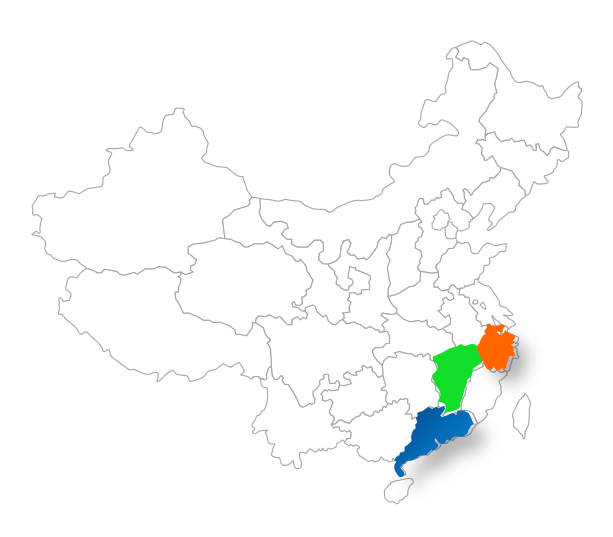
Yueqing Headquarters
The headquarters of the company is located in Yueqing, Zhejiang Province, which is the national electronic and electrical distribution center. The headquarters has established domestic and foreign trade departments, technology research & development departments, and production control centers.
Shenzhen Office & Market Center
Our commercial branch is situated in Shenzhen, China's premiere technology trading center. It continually monitors market trends, captures customer demand, and provides rapid feedback to headquarters as a vital trade window.
Jiangxi & Yunnan Production Branches
Our Jiangxi manufacturing facility boasts 5,000 ㎡ of production floor space and 200 dedicated production workers. Our next strategic milestone has expanded operations with our branch factory in Yunnan Province.
Our Commitment to Quality, Ecology & Customer Trust
ChinaWellnow is an enterprise with a profound sense of social responsibility. It is actively committed to the continual enhancement of enterprise activities, goods, services, and environmental protection (including biodiversity). Concurrently, it builds solid trust relationships with customers and business partners, maintaining and enriching this partnership over decades. We satisfy all our clients with advanced products, competitive prices, rapid delivery, and comprehensive one-stop technical service. It is our enduring mission to boost our customers' business success.
Honors, International Certifications & Video Showcase
Certified compliance with worldwide electrical safety and quality standards.
Rigorous Quality Control & Academic R&D
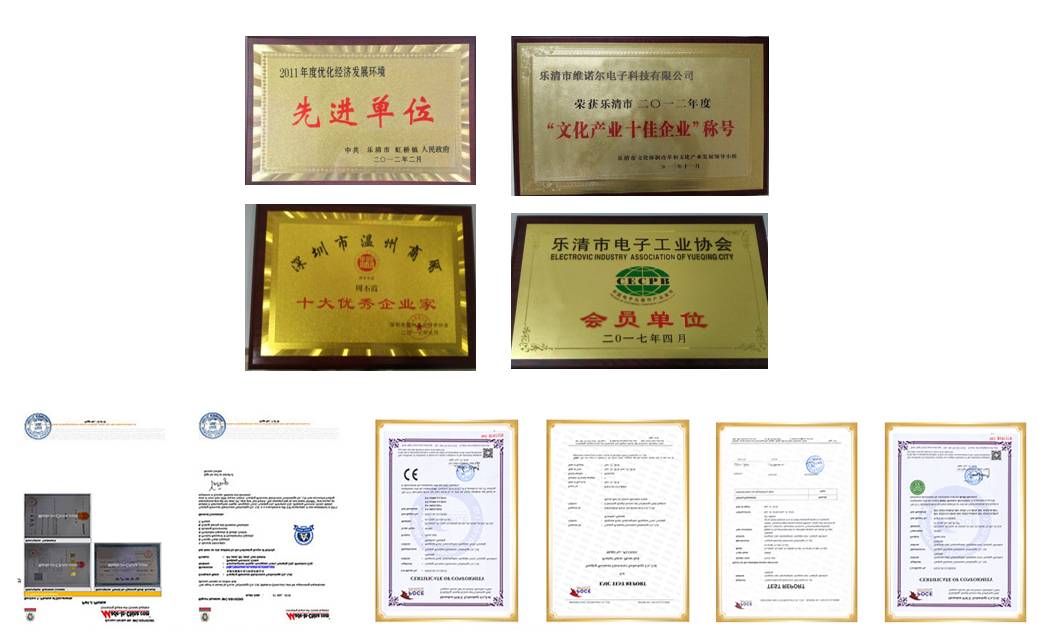
Our factory, equipped with dedicated R&D, product engineering, and quality assurance departments, achieved ISO 9001:2015 certification in 2005. Most of our electronic switch and connector products are fully certified in compliance with UL, VDE, and ENEC standards.
Through our joint development laboratory with Shenzhen University, we continuously pioneer innovations in micro-switch contact reliability, polymer waterproofing, and tactile spring life under high-frequency mechanical stress.
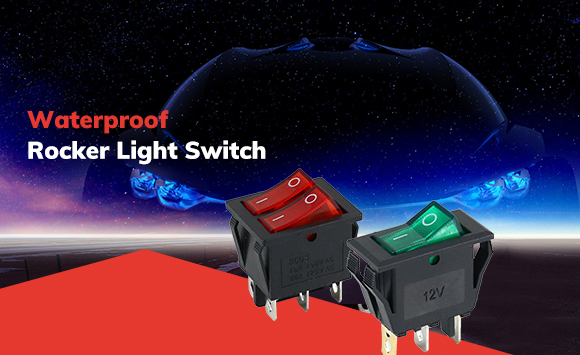
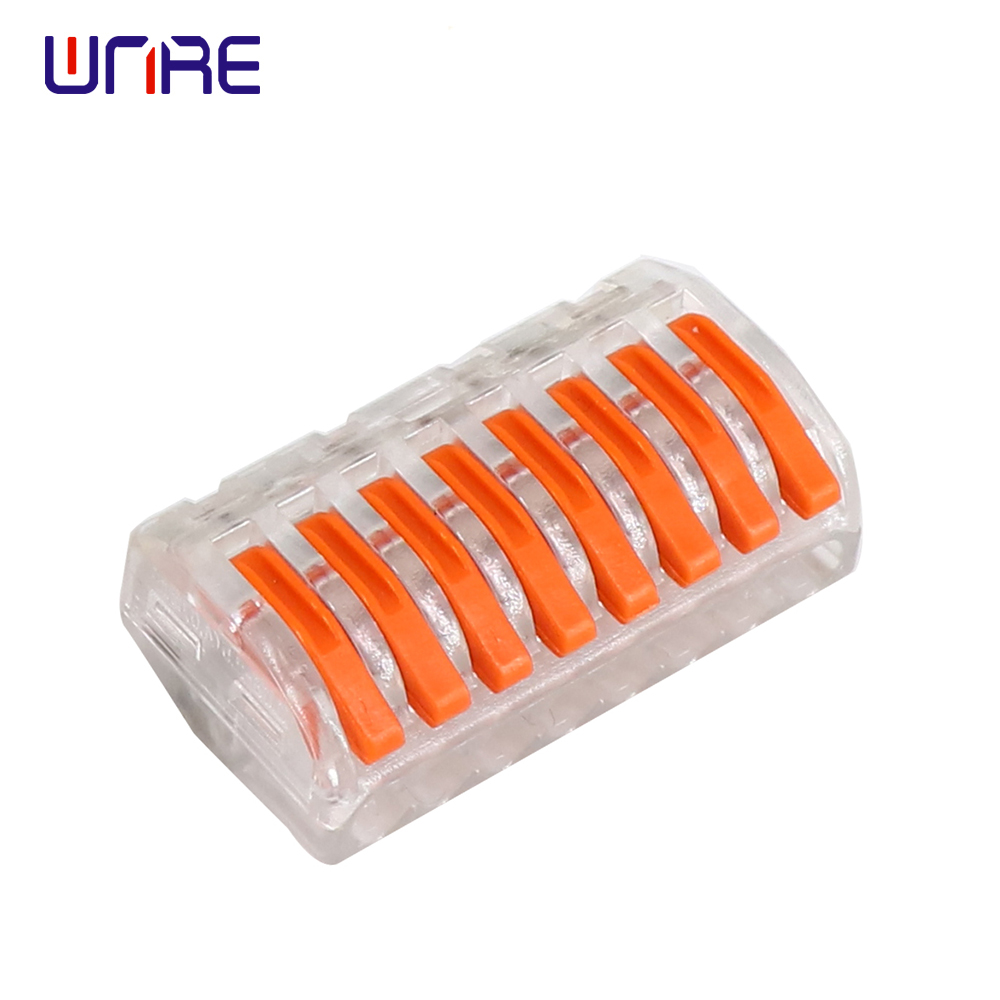
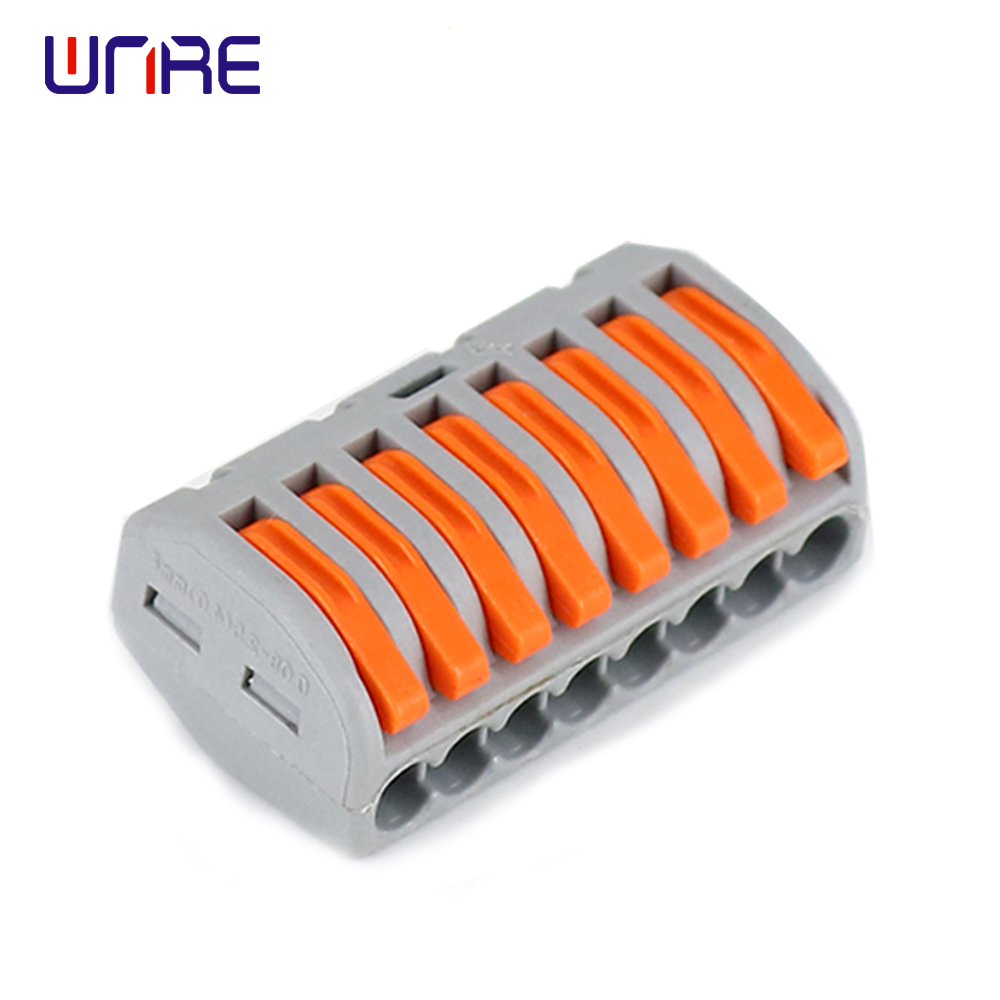
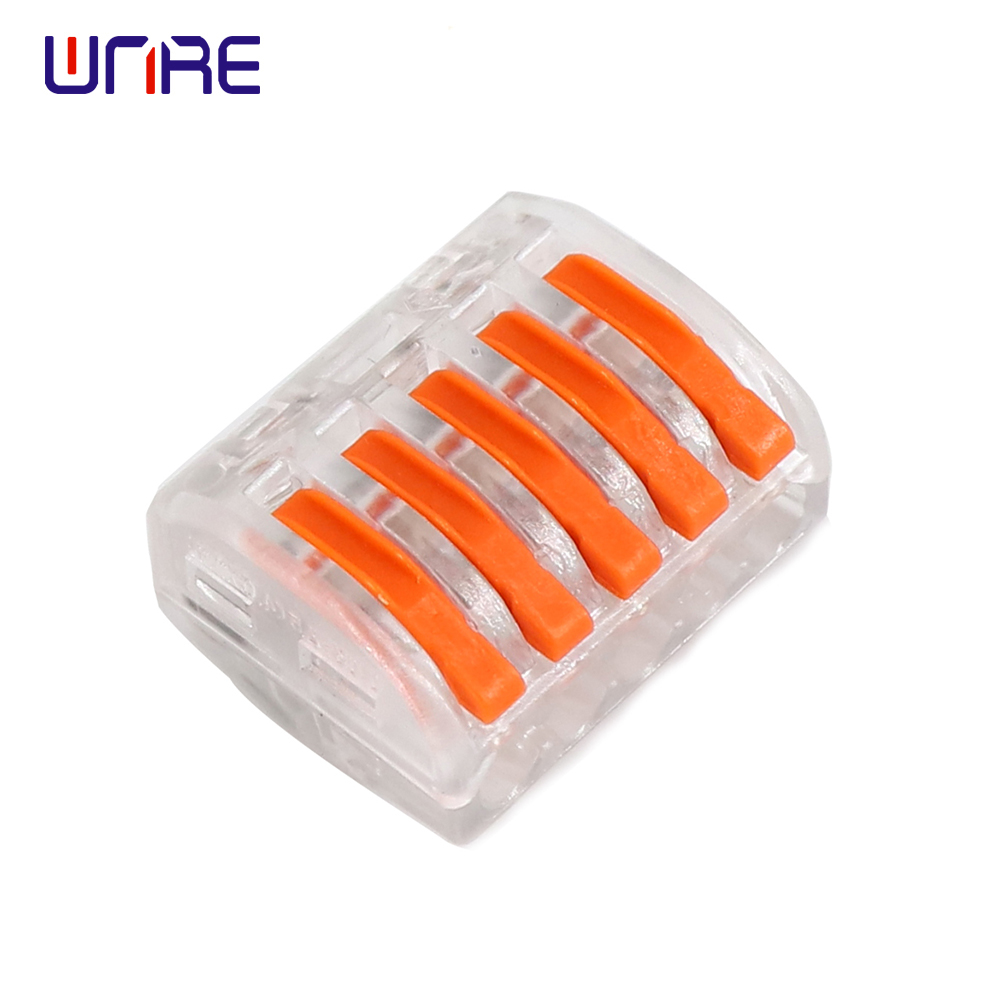
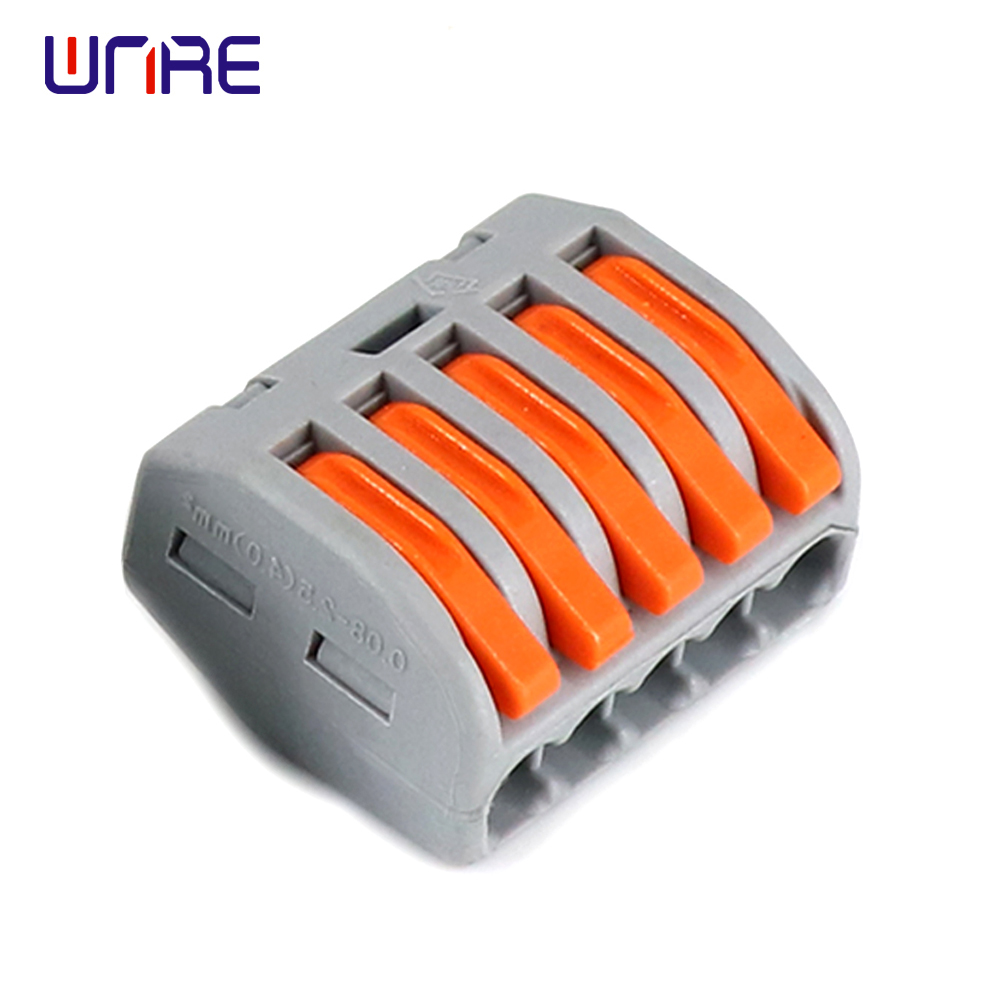
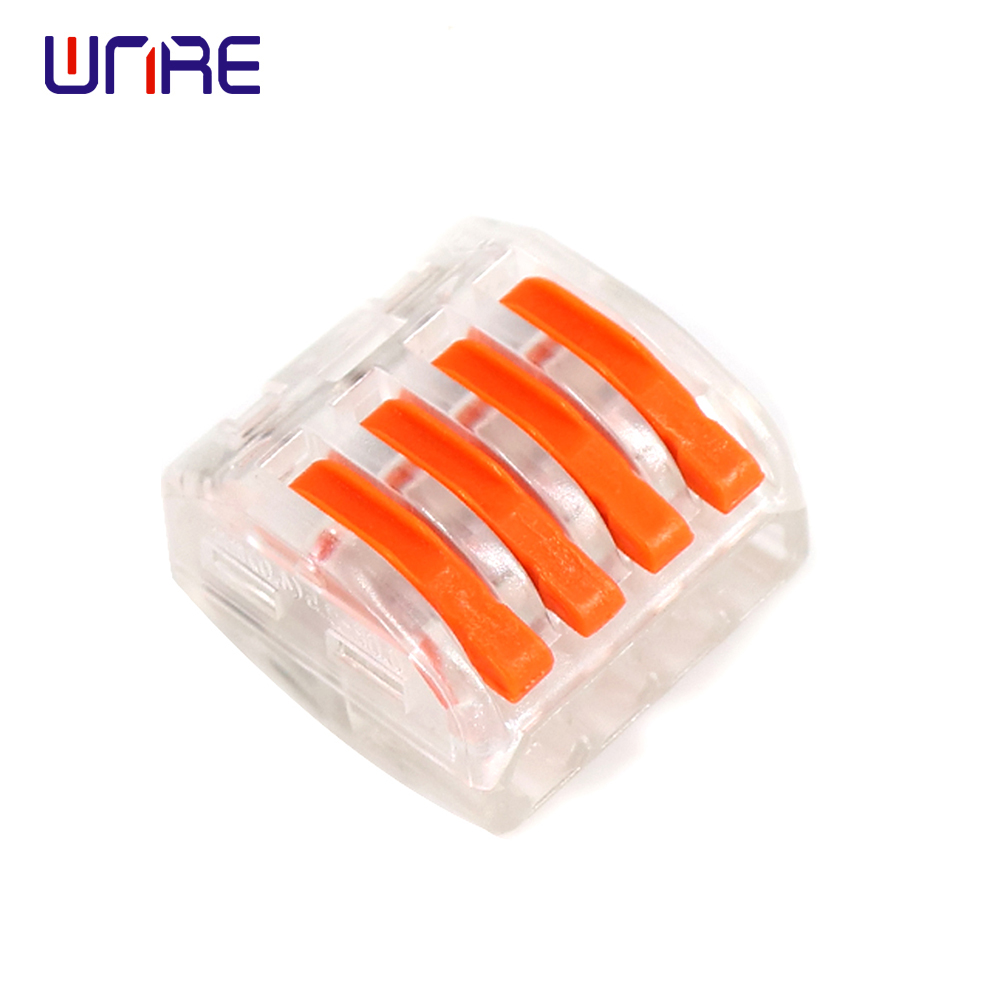
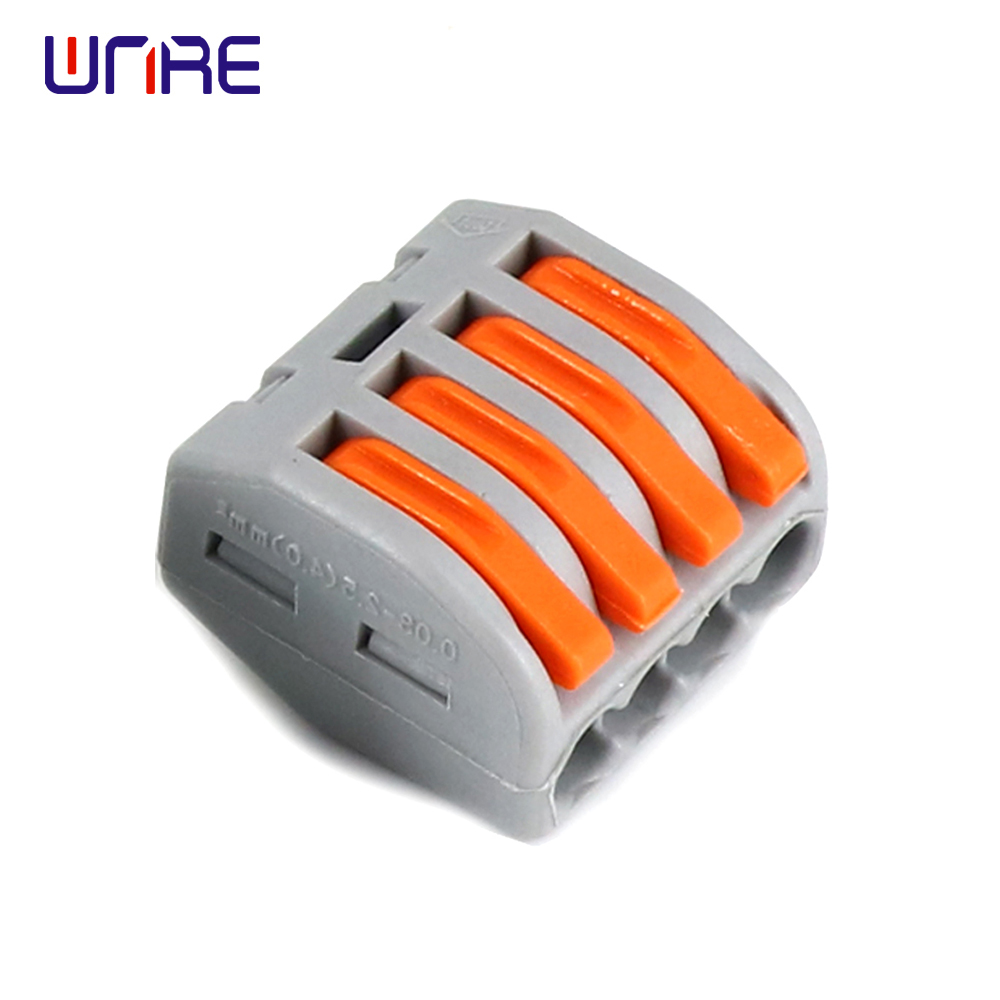
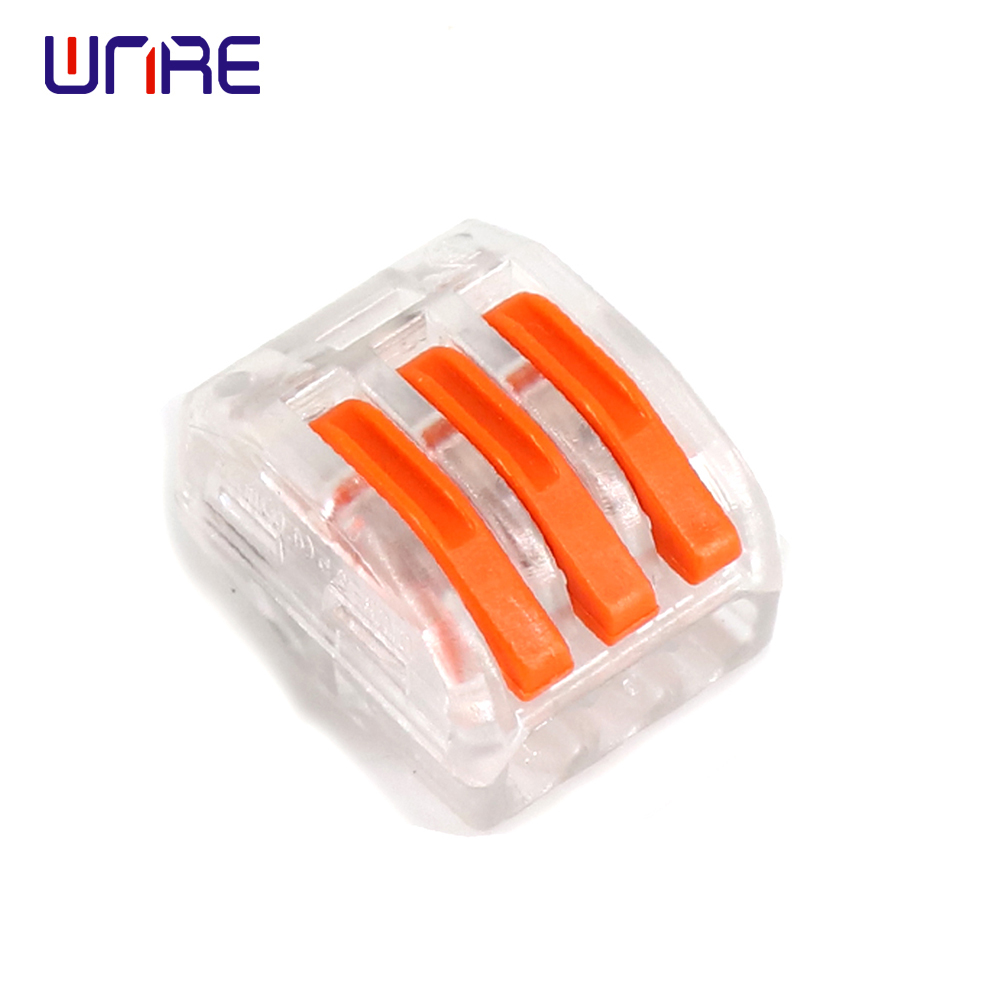
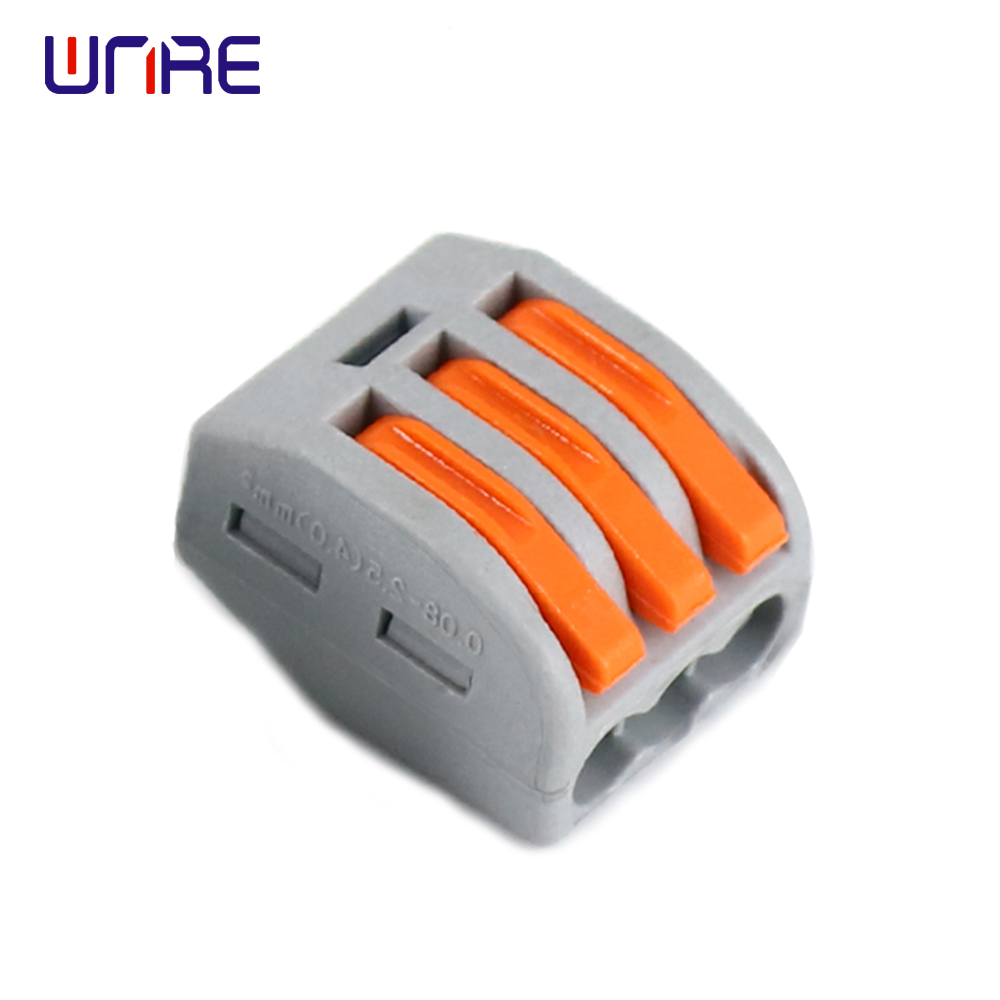
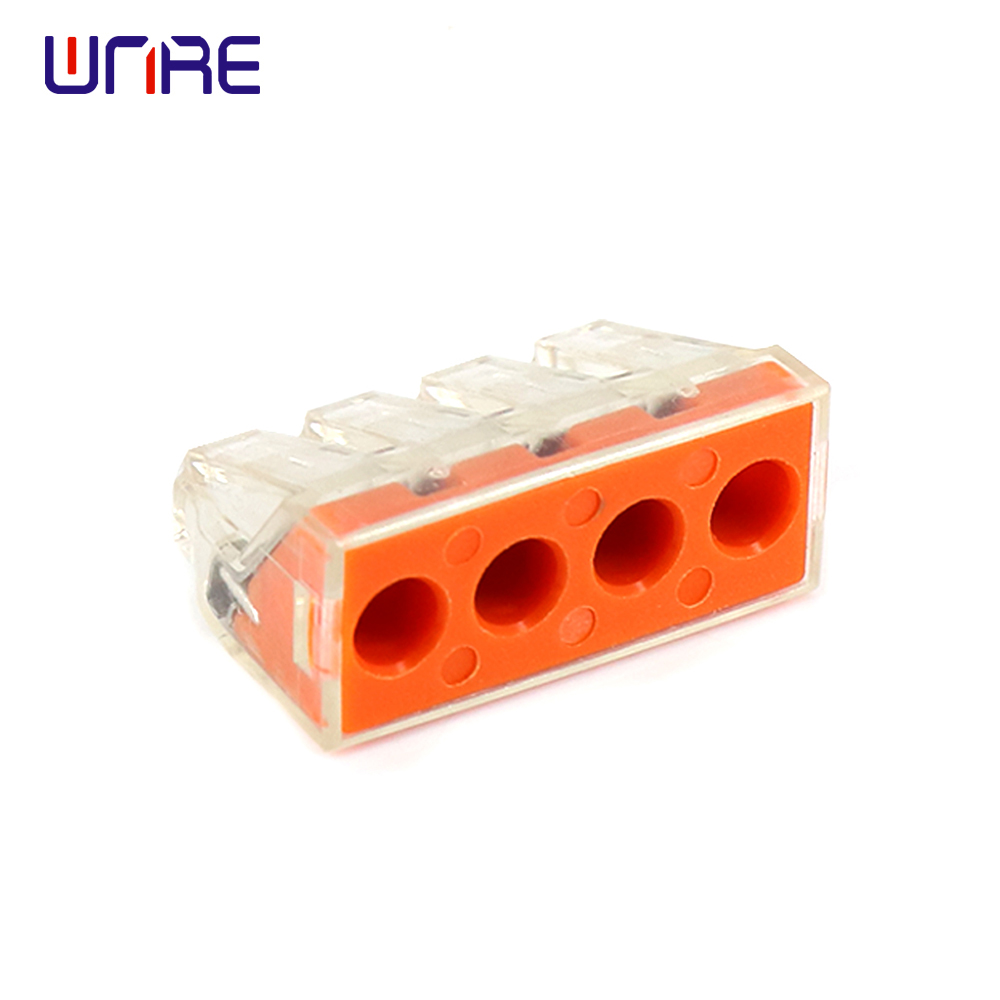
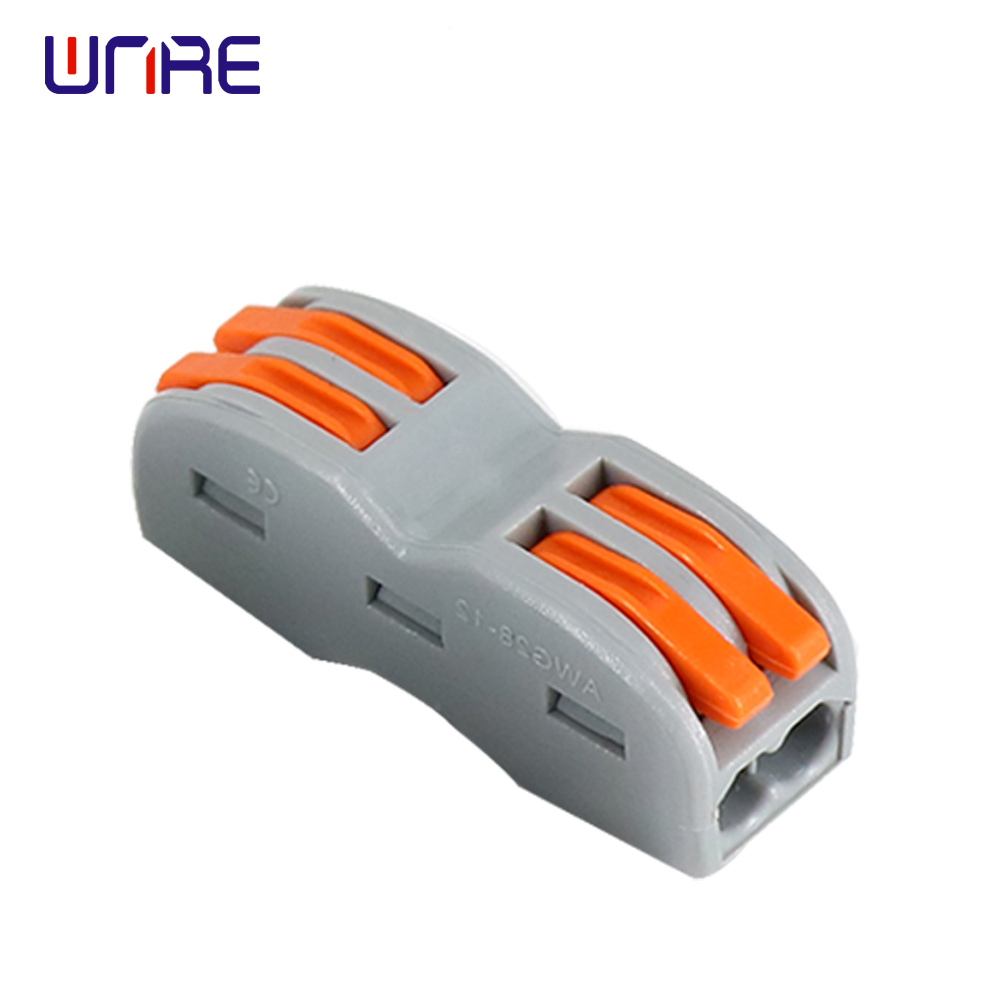
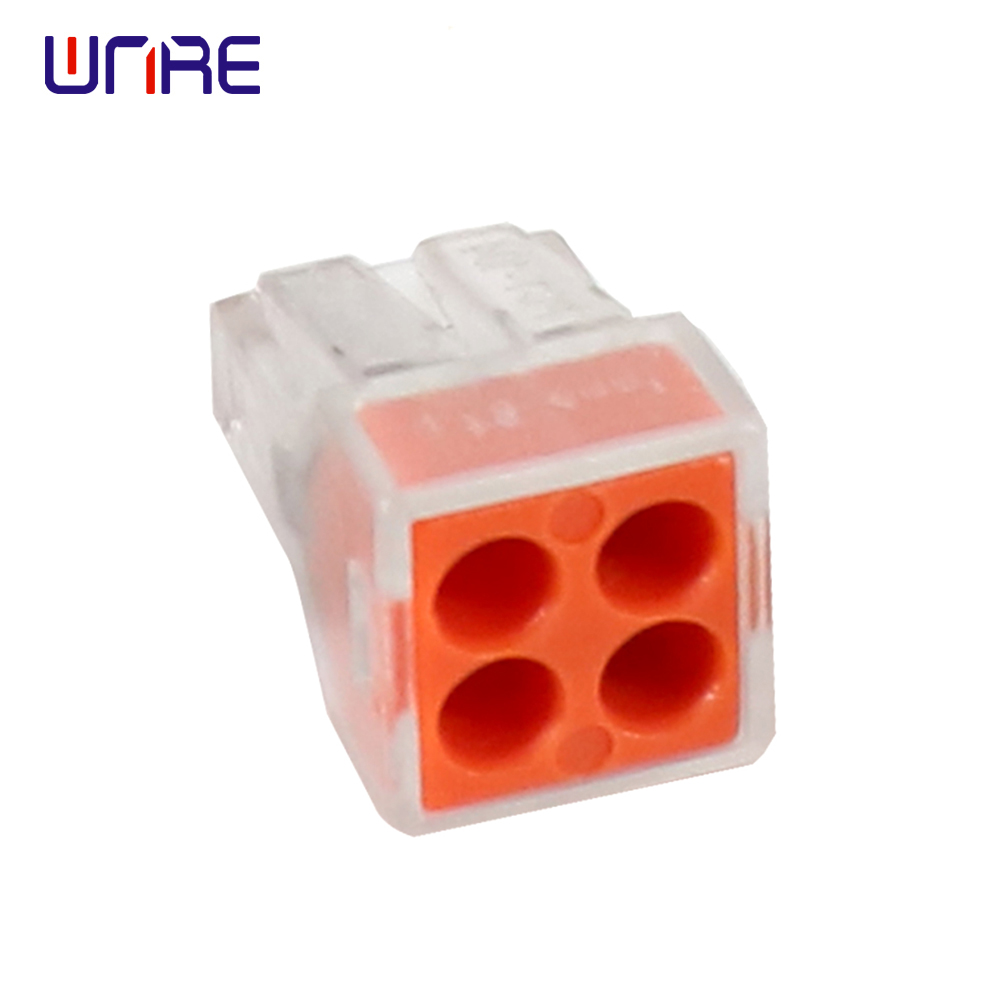
Modular Wiring & Quick-Connect Terminal Solutions
High-reliability spring clamp terminal blocks and compact lever connectors designed for rapid, tool-free motorcycle harness splicing and control box integration.
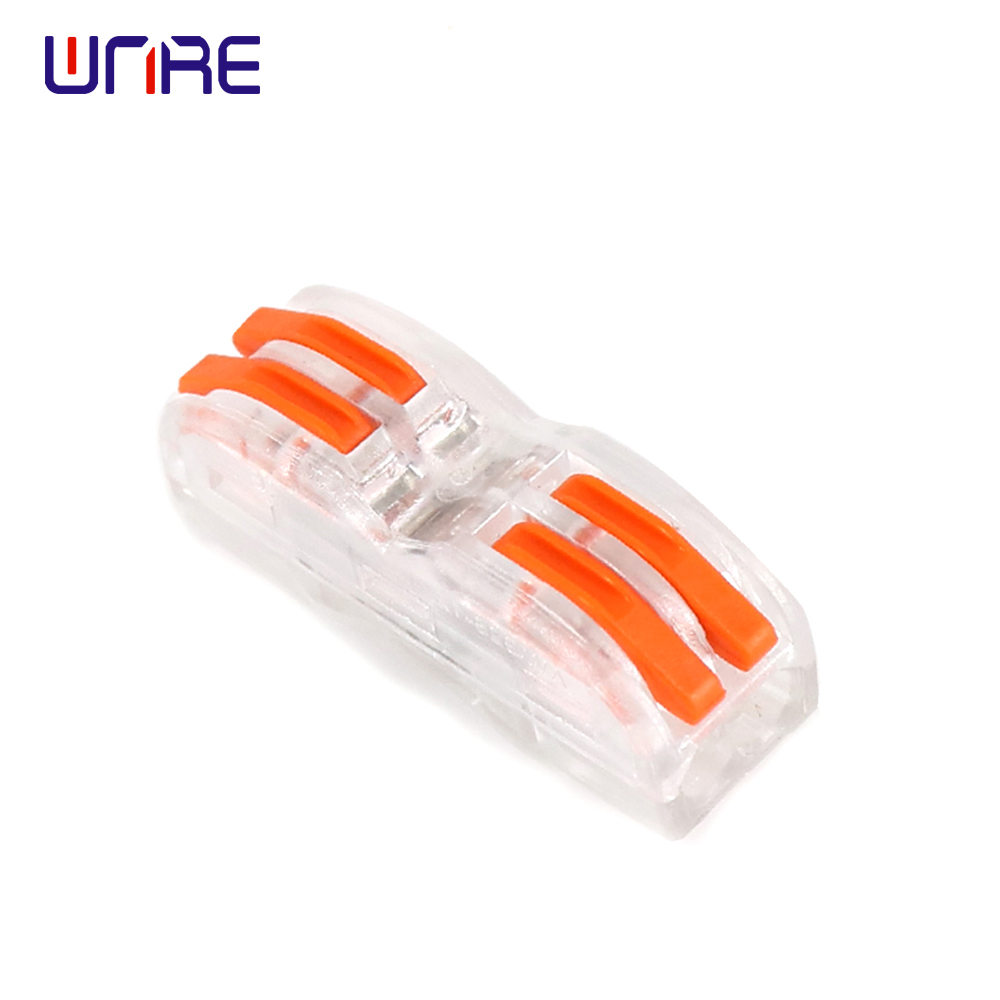
Original High-Performance Product Line
Complete collection of heavy-current connectors, waterproof charging sockets, signal jacks, and specialty motorcycle switching modules.